Categorías
Last updated: October 21, 2026 — Responder Gear & Medical Blankets for Africa
Rescue teams and field programmes across Africa need gear that survives repeated use in dust, heat and water: workwear, protective items and blankets are ordered together in bulk. This guide explains what responder gear procurement should specify, how to plan sizes and quantities, and what to confirm before the shipment leaves the factory and arrives field-ready.
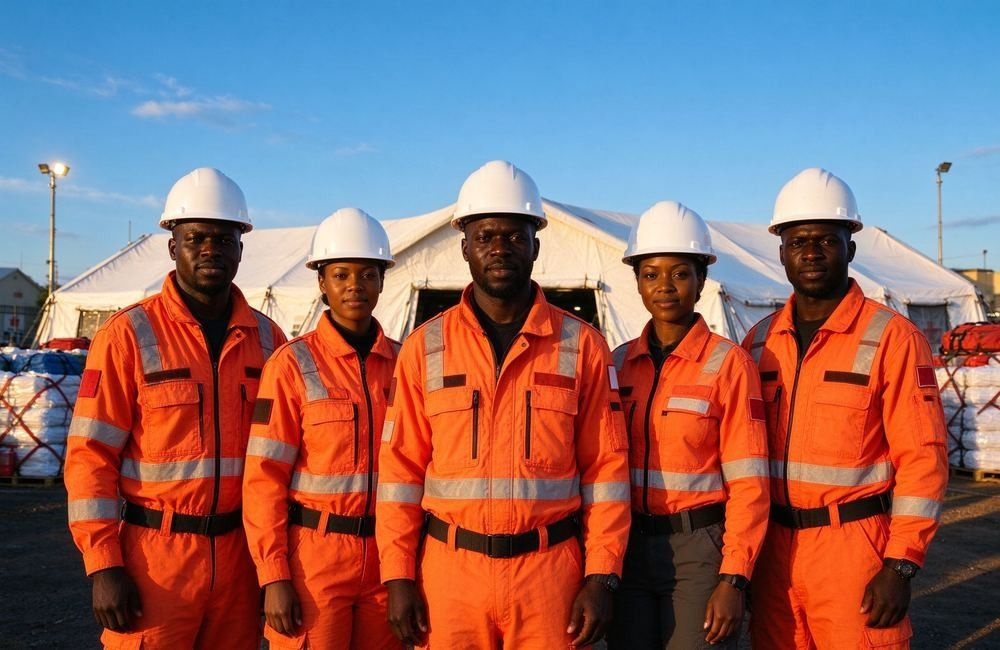
A responder team in high-visibility protective workwear.
A responder team in high-visibility workwear is the standard for field operations, and the same logic applies to every item in the kit: the protective layer, the reflective element and the comfort layer are all specified together so the team can work long shifts safely. The photo shows the assembled kit that the procurement order must match item by item.
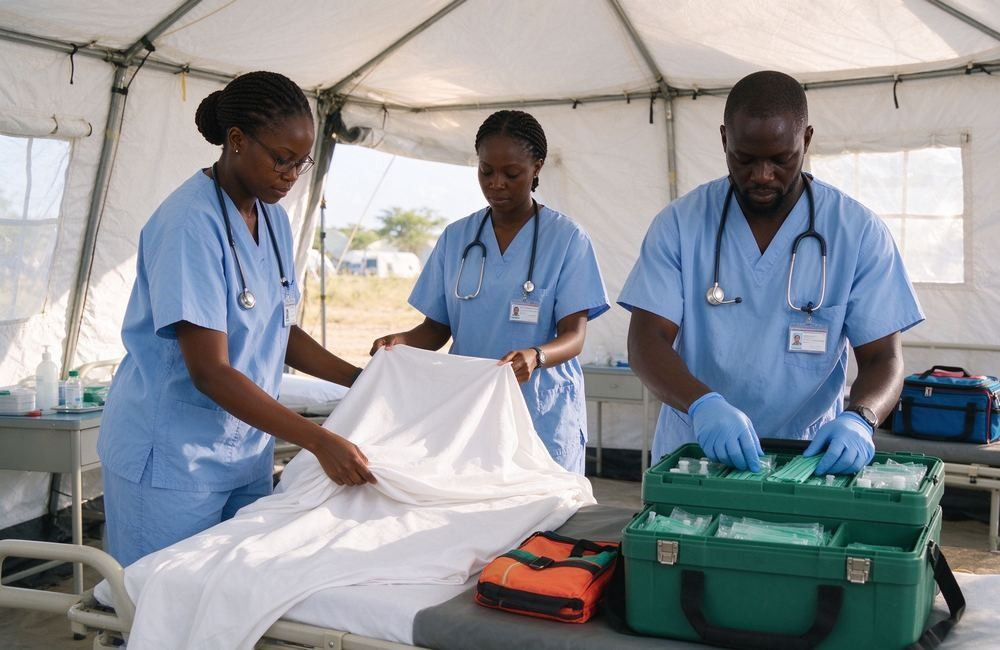
A medical team preparing clinic beds in scrubs.
A responder kit starts with a hard shell: coveralls, high-visibility workwear, gloves and work boots that survive mud, dust and long days. When an agency buys responder gear wholesale, every piece must be specifiable, sizeable and testable before it reaches a field team, and every size must be confirmed before sampling. Sizing and visibility standards are set once at the top, then repeated through the whole checklist, so nothing is left to interpretation at packing time.
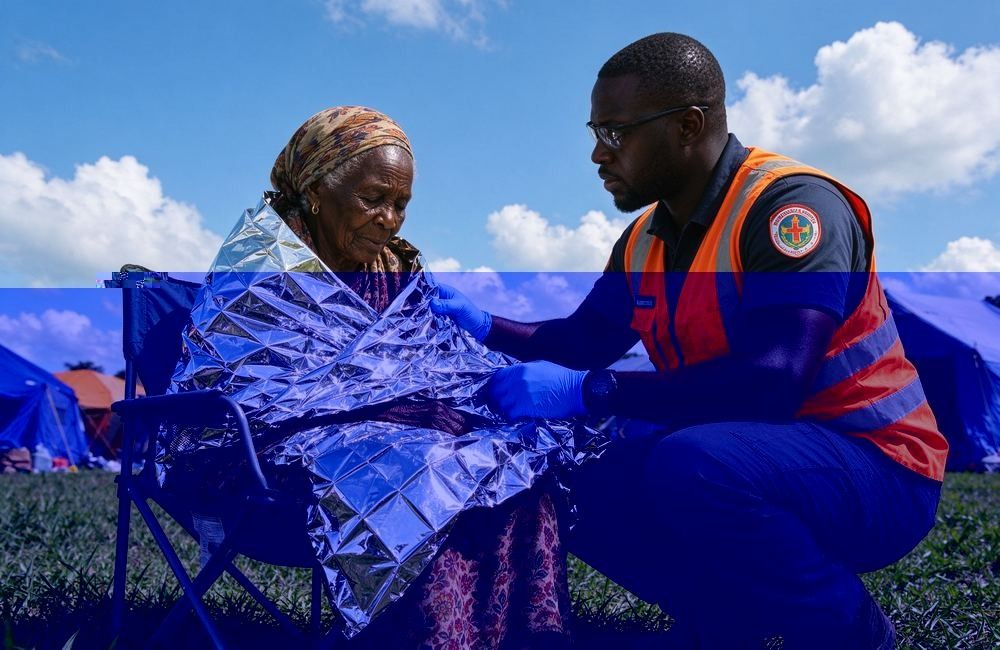
Wrapping a survivor in a foil first aid blanket.
Related guidance: NOAA.
Heat changes the whole calculation. Africa's response zones are often hot and humid, so fabrics must breathe, dry fast and still block debris, water and abrasion. Heat stress protection gear is not an extra line item; it is part of the protection standard for any field deployment, and the day-and-night layer set is packed as one kit. The day and night layers are ordered together, so the field team receives one complete kit per member, which also simplifies the carton count for logistics.
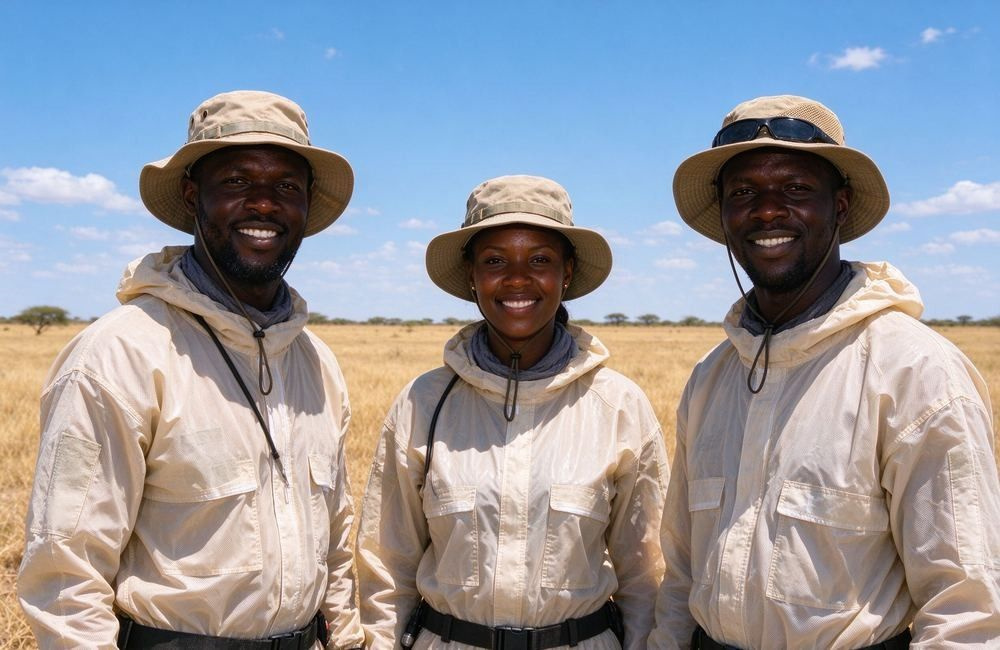
Light-coloured workwear for hot climate operations.
Medical teams have their own layer: scrubs, disposable protection and first-aid blankets bulk packed for clinics and triage points. These supplies move on the same trucks as tents and bedding, so they share packing, documentation and delivery discipline, and one shipment can cover clinics and field stations at once. The checklist in the final section ties medical supplies and responder clothing into one testable order, with each line mapped to an inspection step.
Responder gear orders run on the same RFQ discipline as blanket tenders: one written spec, one quantity model, one delivery date. Name the team size, the shift pattern and the climate range in the RFQ, so the supplier prices the same configuration for every line. A packing list that names the item, the size and the quantity per team makes the receiving check fast and the reorder automatic.
Keep one item list per team configuration and update it after every deployment, so the next order starts from what was actually used.
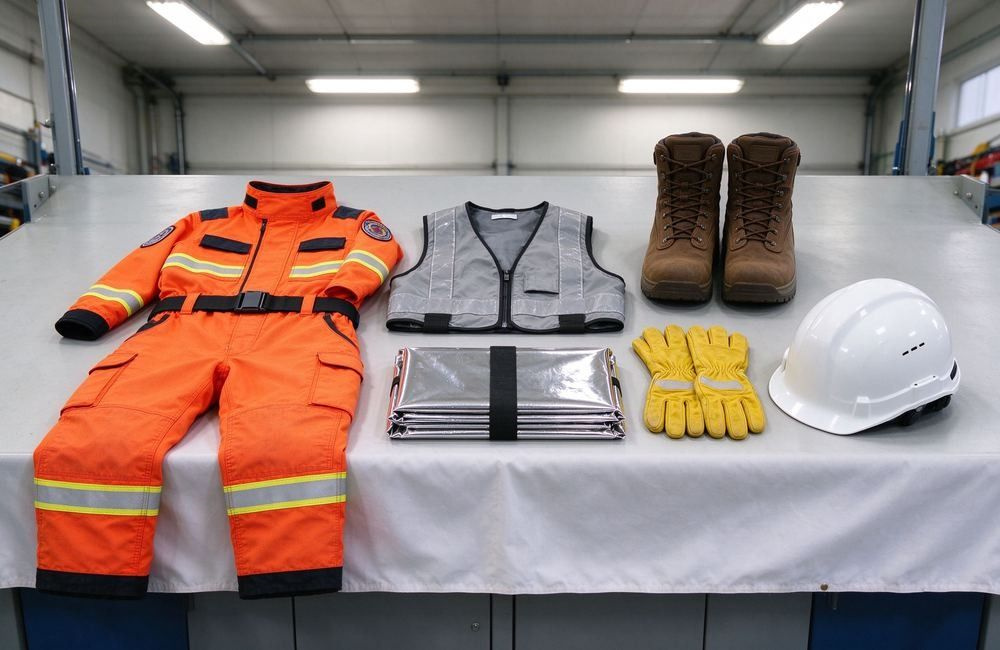
A complete responder gear kit laid out.
The first responders in African emergencies are usually national civil protection teams, Red Cross units and local medical staff, backed by UN agencies and international NGOs within days. According to OCHA's Africa overview, flood and cyclone events have displaced hundreds of thousands of people across the region in recent seasons, which means response gear must be ready before the event, not after it.
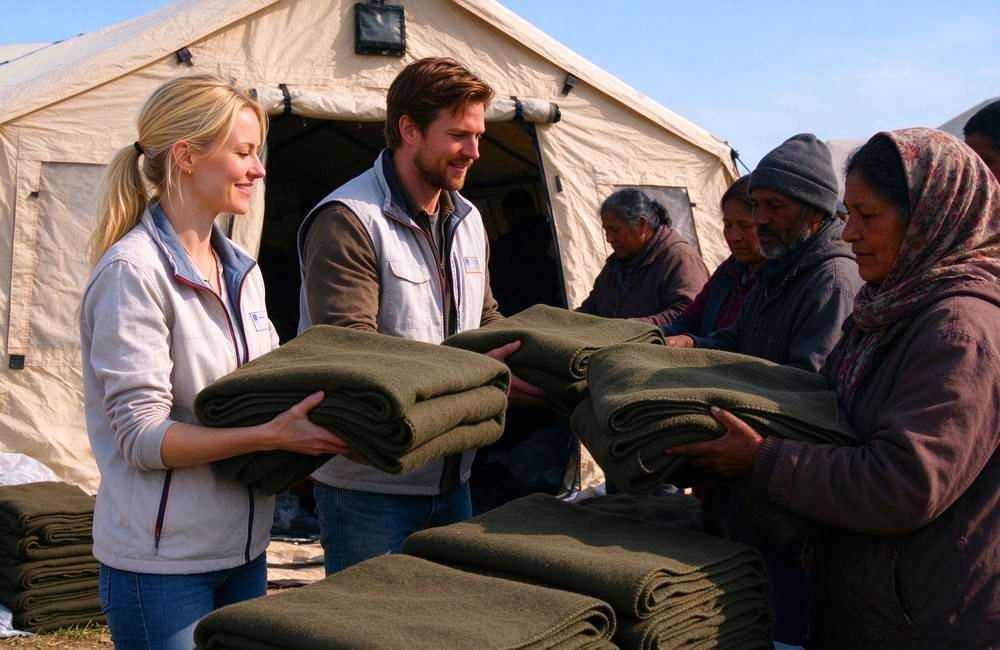
Handing supplies to families at a field response point.
Procurement officers buy responder gear for these mixed teams in bulk, because the same coverall, boot and blanket spec must fit professional responders, volunteers and clinic workers. This is why bulk emergency responder gear is planned against a shared checklist, with sizing, packing and replacement rules set before the order leaves the factory.
Related guidance: FEMA.
The response chain in most African emergencies runs from national civil protection units and Red Cross branches to UN agencies and international NGOs, and each layer orders against its own headcount. Because the same terrain, climate and hazards apply to all of them, a shared responder gear specification cuts duplication across agencies and speeds up the first deployment.
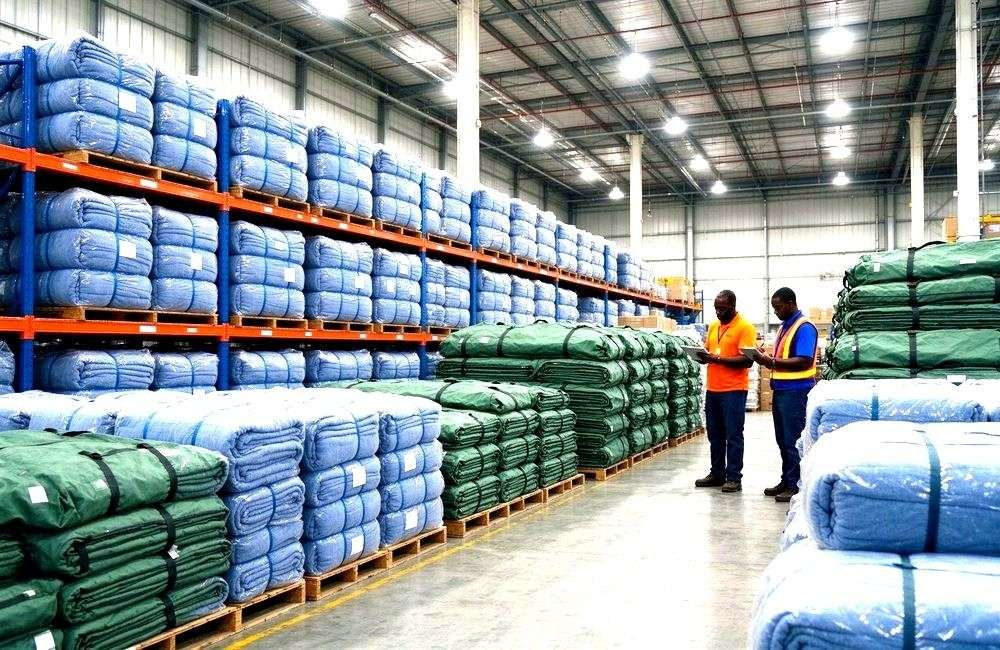
Stacked responder gear cartons in a warehouse.
Protective clothing for responders is built around three layers: a durable outer garment, high-visibility elements, and barrier details such as reinforced knees, sealed seams and storm cuffs. WHO health emergency guidance lists protective clothing as a core item for field staff, because contaminated water, debris and sharp materials are routine hazards after disasters.
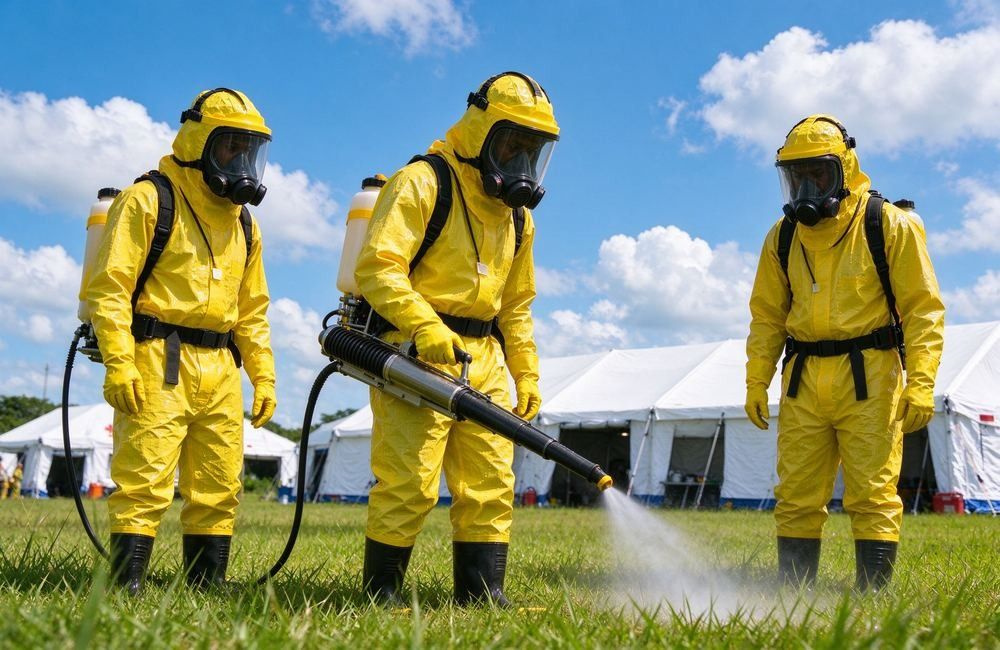
A response team in yellow splash protection coveralls.
For most African deployments, a coverall or worksuit in polyester-cotton with abrasion-resistant knees is the workhorse. Hazmat suits and splash-protection coveralls are ordered separately for chemical or medical contamination scenes, and they are never mixed with standard workwear in the same pack.
A responder team in high-visibility workwear is the standard for field operations, and the same logic applies to every item in the kit: the protective layer, the reflective element and the comfort layer are all specified together so the team can work long shifts safely. The photo shows the assembled kit that the procurement order must match item by item.
Fabric specifications matter as much as cut: a 240 gsm poly-cotton twill takes daily wear in wet debris, while a coated shell adds splash resistance for contaminated scenes. Agencies set the fabric weight and coating in the RFQ so samples can be tested against the exact same numbers.
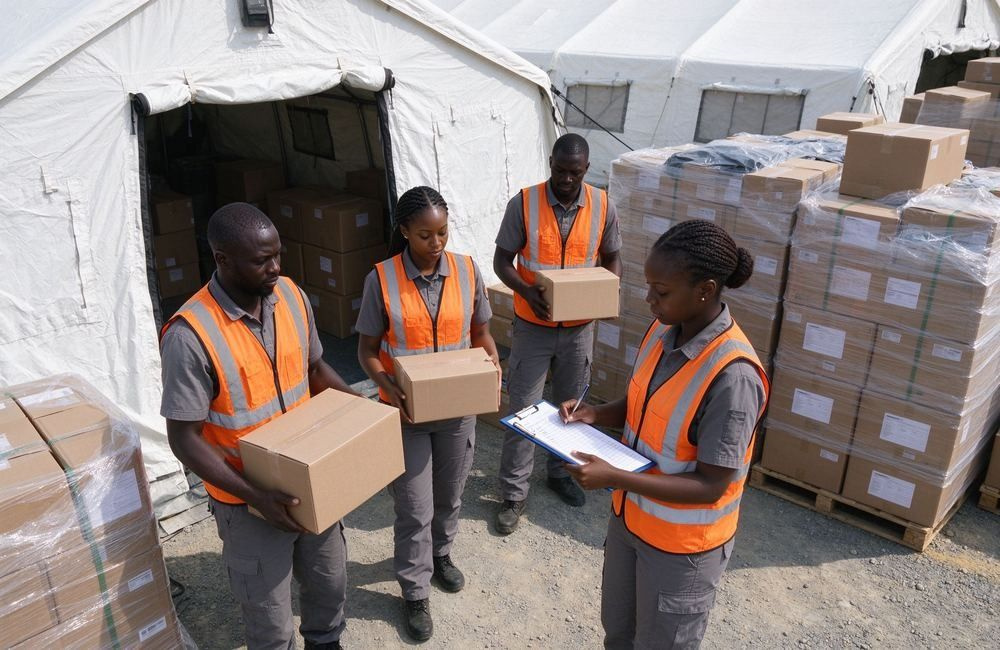
A field team in coordinated workwear.
Field workwear for relief teams means garments that can take repeated washing, rough surfaces and long shifts without falling apart. Workwear for field teams typically includes worksuits, cargo trousers, polo shirts, high-visibility vests and work boots, ordered as a coordinated set so every member of the team wears the same standard.
Pockets and attachment points matter in the field: responders need space for radios, gloves, torches and tools without breaking the garment's silhouette. Reinforced stitching at stress points and ripstop fabric are the two features procurement teams check first when samples arrive.
Pocket layout is specified, not improvised: chest pockets with pen and radio loops, cargo pockets with secure flaps, and reinforced elbow and knee panels. When every team member wears the same layout, tool access and replacement parts stay standard across the whole mission.
Colour coding helps field management: one colour for team leaders, another for medics, a third for logistics. When workwear for field teams is ordered with colour coding in the spec, team members are recognised at a distance, which speeds up coordination in large operations and keeps visitors away from restricted zones.
Embroidery and printing are optional additions that keep the team identifiable: agency names on the back, programme logos on the chest. When logos are added, the artwork is approved at sample stage and the placement is recorded, so production stays consistent and the identity survives washing.
Samples serve as the contract reference: the approved coverall, vest and boot become the standard that every production batch is measured against. Keeping the approved sample with the buyer also settles any later dispute about fabric weight or colour quickly, because both sides compare against the same physical piece.
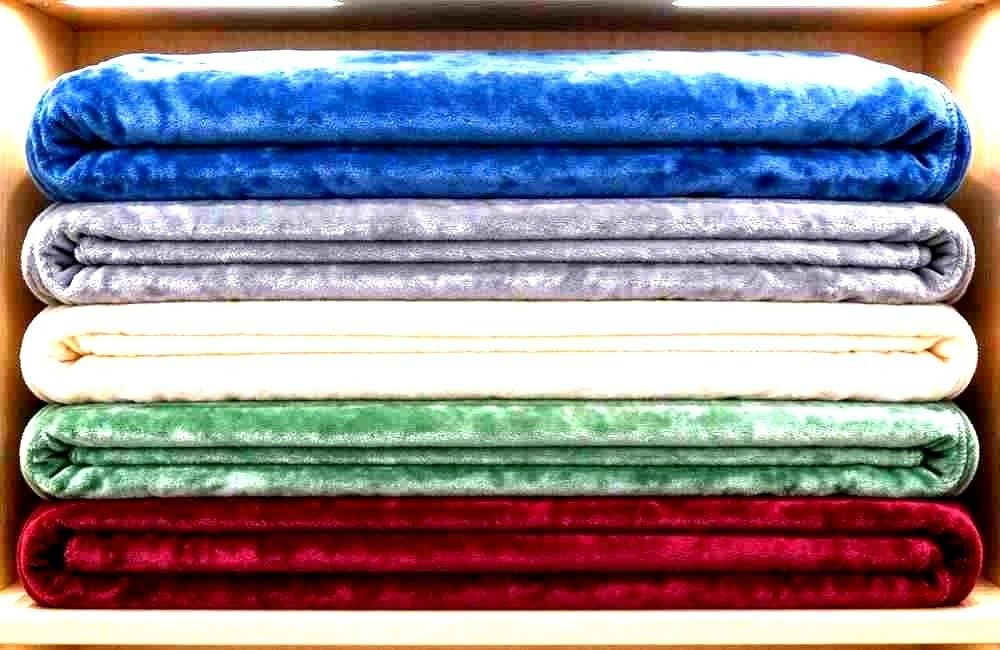
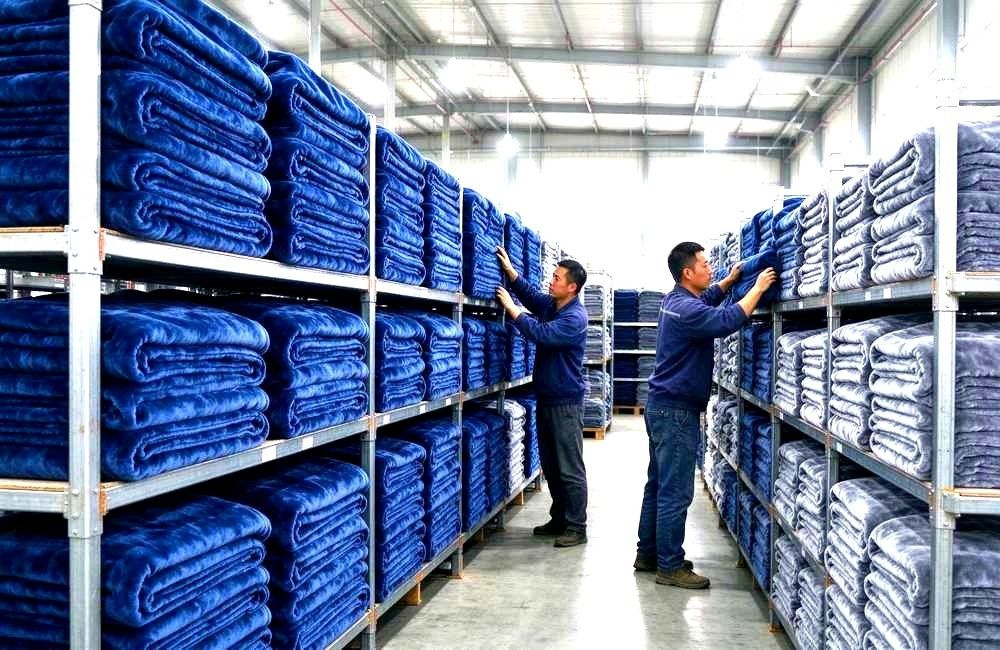
Stacked medical blankets in a clinic store room.
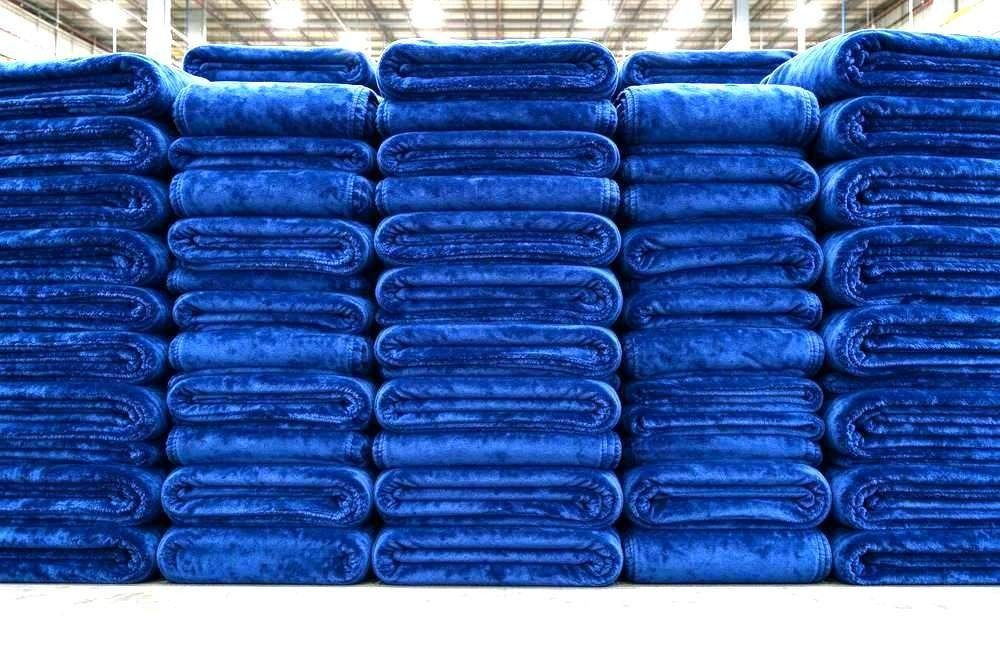
Compact first-aid blankets packed in cartons.
First-aid blankets bulk orders come in two families: lightweight foil rescue blankets for triage and transport, and heavier fleece or cotton blankets for clinic cots and overnight use. Both must be compact, washable or replaceable, and packed so a single carton serves a defined number of patients.
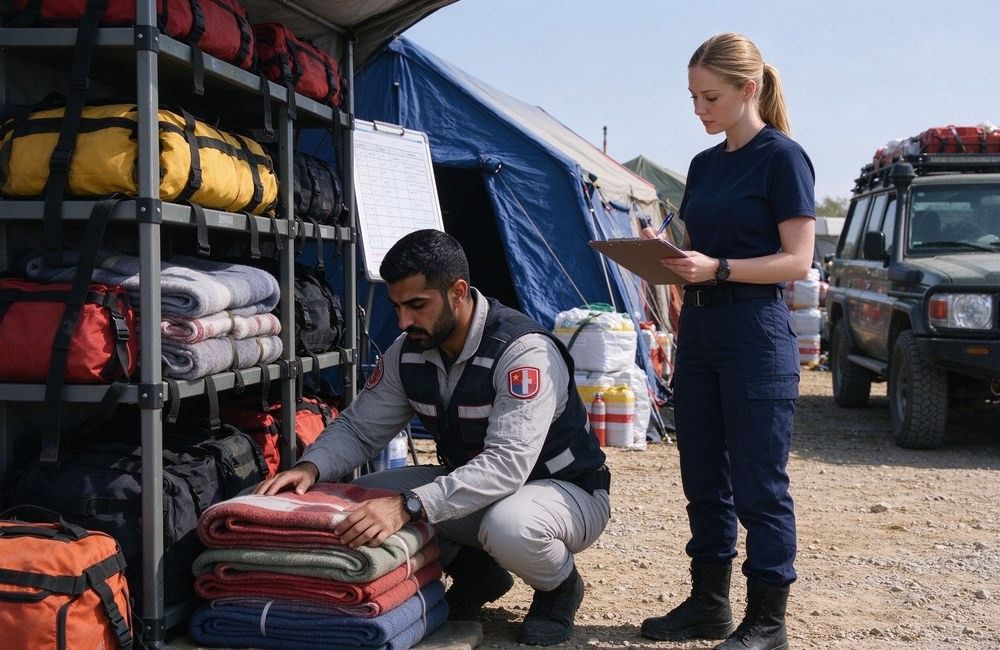
Protection gear has to balance protection with breathability. Light-coloured, moisture-wicking fabrics keep body temperature down during long shifts, and mesh panels or vented backs are common on tropical coveralls. The blanket roll in the rack is part of the same field kit that ships with the gear.
A responder team in high-visibility workwear is the standard for field operations, and the same logic applies to every item in the kit: the protective layer, the reflective element and the comfort layer are all specified together so the team can work long shifts safely. The photo shows the assembled kit that the procurement order must match item by item.
Blanket dimensions are matched to the cot and transport distance: 160 x 210 cm covers an adult on a standard cot, while children's sizes are ordered separately. Agencies usually pack one foil blanket and one fleece blanket per patient position so the kit is complete at the triage point.
Marking matters for medical blankets: each bale carries the size, material and washing instructions so clinic staff use the right blanket for the right patient. The packing list states the mark, samples confirm it before production, and the marking survives repeated handling during distribution.
A simple stock rule helps field sites: keep one week of blankets at the triage point, one week in the clinic, and the balance in the warehouse. The packing plan supports this split, so reordering matches consumption instead of waiting for an emergency, and the carton labels make the split easy to follow.
First-aid blankets are selected against the patient type and transport distance, so the table below sorts the common options by material, size and packing unit for quick tender comparison. The table also works as a comparison sheet for tender, because each line states material, size and packing unit in the same format.
|
Blanket type |
Material & size |
Primary use |
Packing unit |
|
Foil rescue blanket |
Aluminised PET, 160×210 cm |
Triage, shock management, transport |
100 pcs/box |
|
Heavy foil rescue blanket |
Aluminised PET reinforced, 180×220 cm |
Night triage, hypothermia prevention |
50 pcs/box |
|
Fleece medical blanket |
Polyester fleece, 150×200 cm |
Clinic cots, overnight warmth |
20 pcs/bale |
|
Cotton hospital blanket |
Cotton weave, 180×230 cm |
Wards, patient warmth |
20 pcs/bale |
|
Wool-blend rescue blanket |
Wool-poly blend, 160×200 cm |
Cold night operations |
10 pcs/bale |
|
Child rescue blanket |
Foil or fleece, 120×150 cm |
Children in triage |
100 pcs/box |
|
Liquid-resistant blanket |
Coated cotton-poly, 160×210 cm |
Contaminated handling |
20 pcs/bale |
|
Disposable patient blanket |
Non-woven fabric, 150×200 cm |
Single-use clinic cover |
50 pcs/box |
|
Emergency thermal blanket |
Foil-fleece laminate, 180×210 cm |
Combined triage and warmth |
50 pcs/box |
For most flood and cyclone programs, foil rescue blankets cover triage and transport while fleece or cotton blankets cover clinic stays; both are ordered in the same carton plan. The same carton plan lets agencies order both families together and keep the ratio adjustable at each reorder.
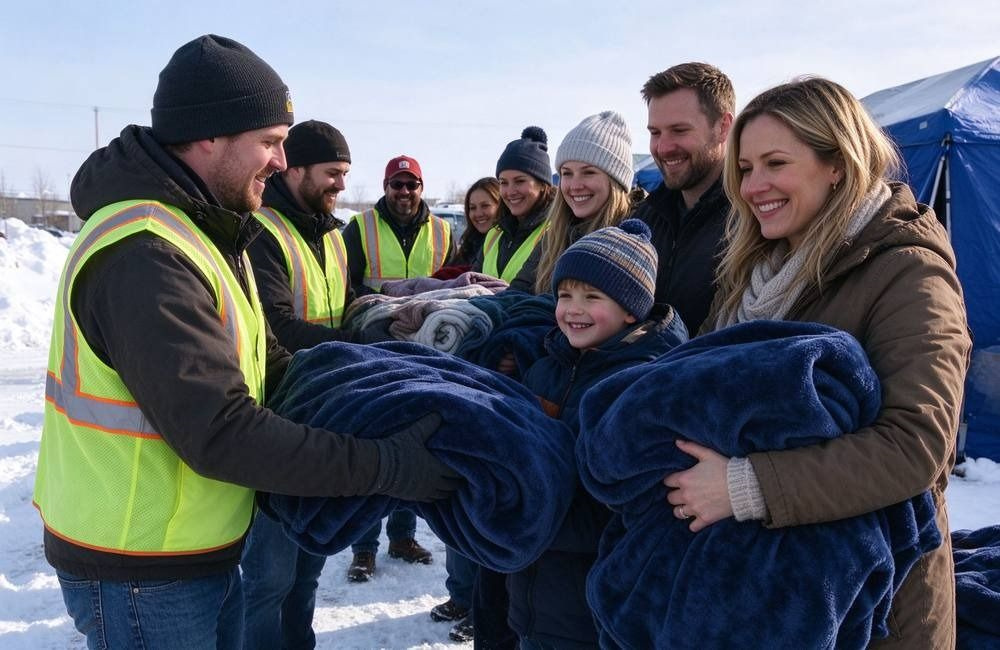
Adding a thermal blanket for night operations.
African response zones are often hot, humid and dusty, so heat stress protection gear has to balance protection with breathability. Light-coloured, moisture-wicking fabrics keep body temperature down during long shifts, and mesh panels or vented backs are common on tropical coveralls.
Night operations are the other side of the climate coin: temperatures can drop sharply after sunset, so responder kits pair a ventilated daytime garment with a thermal layer or medical blanket for the night shift. This day-and-night pairing is what agencies mean when they specify responder gear for hot climates.
Fabric is only half of heat management. Shift rotation, shade, water points and rest schedules are written into field protocols, and garments with vented backs and light colours support those protocols rather than replacing them.
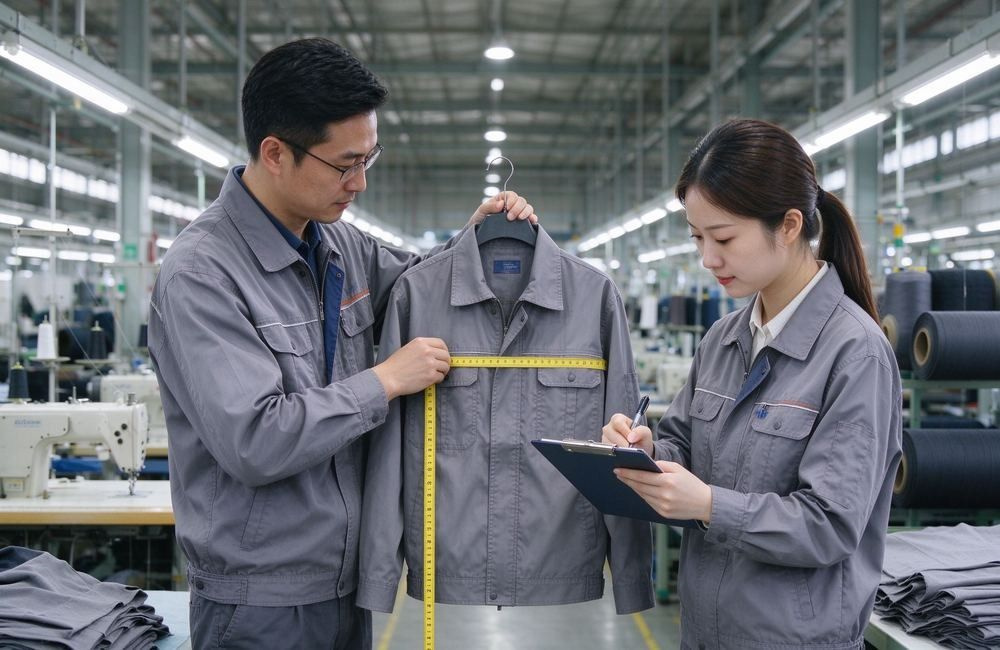
Inspectors measuring workwear sizes in the workshop.
Climate is the first filter in fabric selection; the table below matches each response zone to a practical fabric and garment so the team spec stays consistent across sites. The same mapping is reused for every site in one country, so the protection standard does not drift between regions.
|
Climate condition |
Recommended fabric |
Why it works |
Typical garment |
|
Hot and dry (desert) |
Light cotton-poly blend |
Blocks dust, breathes, dries fast |
Vented coverall |
|
Hot and humid (coastal) |
Quick-dry synthetic blend |
Sheds mud, dries overnight |
Mesh-back worksuit |
|
Wet flood zone |
Water-resistant poly-cotton |
Resists splash, dries on body |
Rain shell over workwear |
|
Cool night shift |
Thermal layer plus shell |
Retains heat, packs small |
Thermal underlayer |
|
High-activity rescue |
Stretch ripstop |
Moves freely, resists tears |
Stretch cargo worksuit |
|
Multi-climate convoy |
Layered day-night set |
One kit covers both shifts |
Layer set |
The fabric choice is confirmed at sampling with weight and drying tests, and the selected option is recorded on the size and packing sheet. Climate mapping also guides the accessory order, so gloves, headwear and footwear match the same zone.
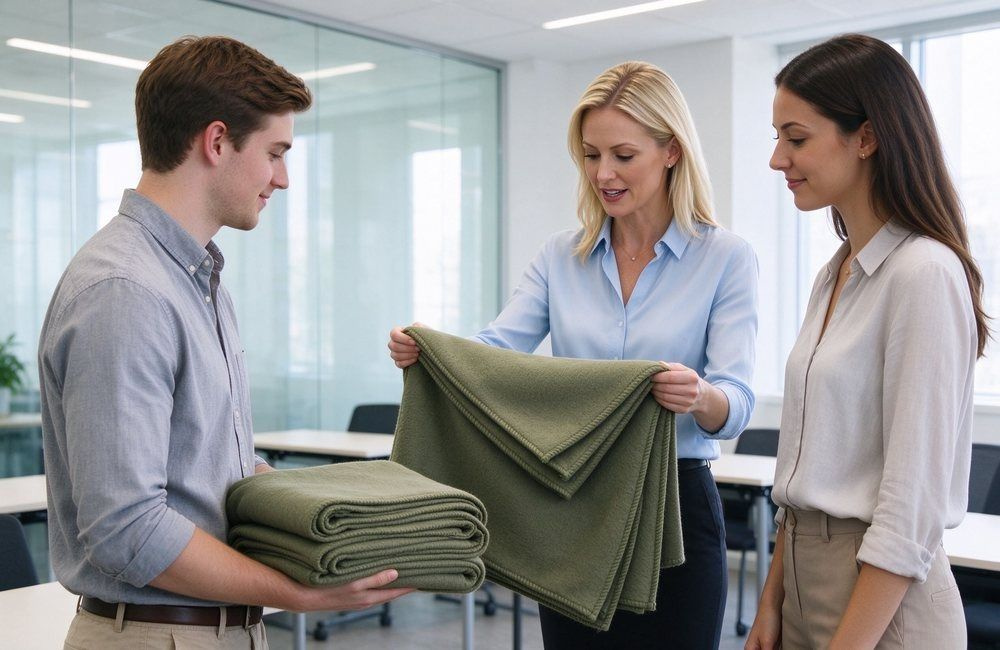
Reviewing responder gear samples at a meeting.
Field teams are never one size. Responder clothing must cover a full size range, from slim female responders to tall heavy-built operators, and each size needs its own chest, sleeve and length data so the team can order without guesswork. Sizing tables should be shared before sampling, not after.
Visibility standards are the second non-negotiable. High visibility responder clothing uses fluorescent background panels with reflective bands at set positions, and agencies usually ask for the same visibility class across the whole team so one standard covers road, airside and night operations.
A responder team in high-visibility workwear is the standard for field operations, and the same logic applies to every item in the kit: the protective layer, the reflective element and the comfort layer are all specified together so the team can work long shifts safely. The photo shows the assembled kit that the procurement order must match item by item.
Reflective tape placement follows the same rule on every garment: torso, sleeve and leg bands at fixed heights so a night observer recognises the pattern immediately. This consistency is why the visibility class is set once at the top of the RFQ.
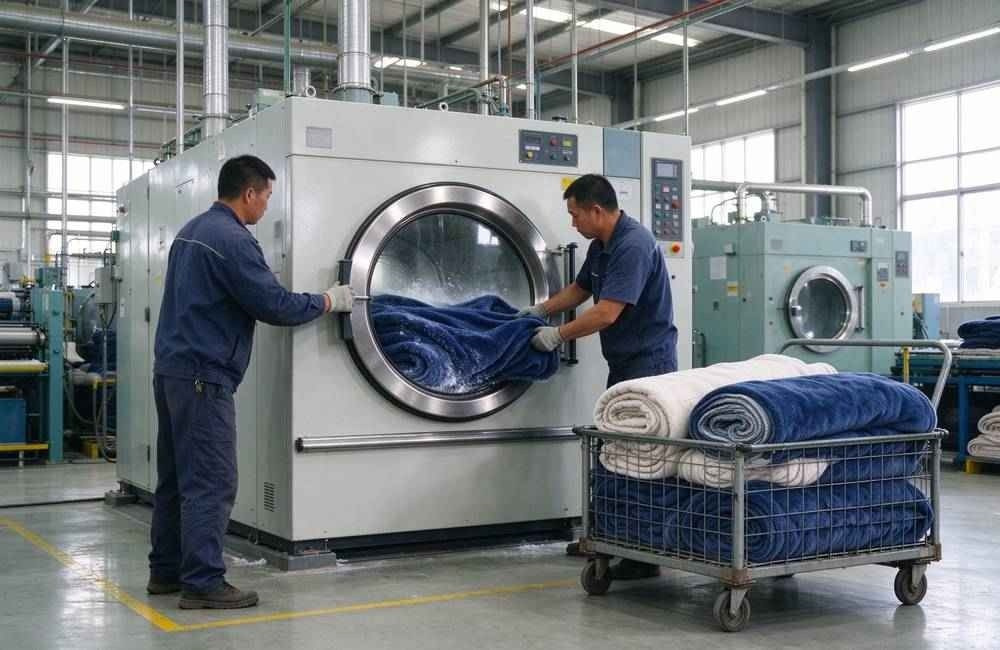
Industrial laundry for responder workwear.
Sizing and visibility are locked before sampling: the table below links each size range to a visibility class and reflective placement for a single team standard. The table is copied into the tender document, so suppliers quote against the same size and visibility numbers.
|
Size range |
Who it fits |
Visibility class |
Reflective placement |
|
XS - S |
Slim female responders |
Class 2 |
Chest and sleeve bands |
|
M - L |
Standard male and female |
Class 2 |
Chest, sleeve and back bands |
|
XL - XXL |
Heavy-built operators |
Class 3 |
Full torso, sleeve and leg bands |
|
3XL - 5XL |
Tall and oversized builds |
Class 3 |
Full torso plus perimeter trim |
|
Children (agency use) |
Young survivors in field support |
Class 1 |
Simple front and back bands |
Once the team size distribution and visibility class are confirmed, the RFQ lists them line by line so every garment arrives at the same standard. If a team profile changes mid-project, the size table is updated once and the new distribution is quoted without re-sampling.
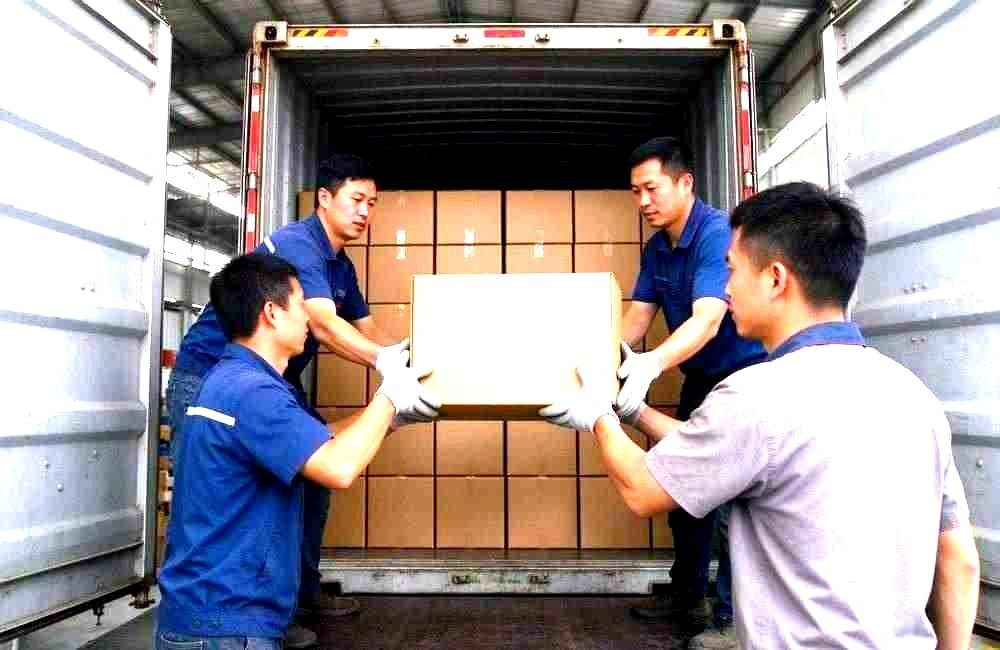
Loading responder gear cartons for export.
Responder gear is reused across a mission, so care rules determine how long the kit lasts. Poly-cotton workwear can take industrial washing at 60 degrees, foil blankets are single-use, and medical scrubs follow hospital laundering protocols. Agencies write these rules into the delivery documentation so field staff do not guess.
Replacement planning is part of the bulk order: a sensible rule of thumb is one spare set per four active sets for long missions, plus a small stock of gloves and disposable items. This keeps the team operational while the first sets are being washed or repaired.
Inspection after each wash catches early damage: loose seams, worn reflective tape and broken zips are repaired before the next shift. Field teams log the check, and the replacement stock is released against that log.
Storage between missions is simple but important: garments are washed, dried and packed with a desiccant sachet in each carton. The storage rule keeps the gear ready for the next activation, and the packing plan repeats it on the carton label.
Spare parts are part of care planning: zips, buttons, reflective tape and gloves are the first items to wear out in field conditions. Ordering a small parts kit with the bulk order means repairs happen on site instead of waiting for a new garment, which keeps the team dressed between washing cycles.
Disposal rules are stated for single-use items so they are not washed and reused by mistake. Foil blankets and non-woven patient covers are marked single-use, while washable items carry the washing temperature on the label, and both marks are confirmed on samples.

Reviewing a responder gear order.
Packing decides whether gear reaches the field usable. Responder kits are usually packed by team role: each carton carries a defined number of complete sets for one type of responder, with sizes, gloves and accessories together. Field deployment relief packing also labels every carton with contents, sizes and destination, so a single carton can be handed to one team without re-sorting.
Air freight favours compact compressed packing with one kit per sealed bag; sea freight allows heavier cartons with full kit lists on the outside. The packing plan in the RFQ states the transport mode so carton weight and labelling match the route.
Documentation travels with the packing: one packing list per carton, one summary sheet per shipment, and the inspection report attached to the delivery note. This single set of documents lets customs, the agency and the field team check the same facts without opening every carton.
Carton weight is controlled for manual handling: each carton stays under 25 kg so field staff can move it without equipment. The packing plan states the weight target, and the cartons are checked on the scale during loading so the field team never faces an immovable box.
For air-dropped or boat-delivered sites, individual sealed kits are preferred over loose garments, because they survive handling and reach the user complete. The RFQ notes the delivery method, and the packing plan adjusts the carton size and sealing accordingly.
An RFQ checklist for responder gear.
Medical relief supplies bulk orders follow a simple sequence: confirm the team profile and headcount, lock the size distribution, approve samples, then release production against a packing plan. Agencies that order responder gear this way avoid the two classic failures: wrong sizes and mixed specs in one shipment.
Lead time is set at contract level because it depends on fabric stock, quantity and certification documents. The RFQ below turns these decisions into a checklist that can be copied straight into a tender document, with a final inspection point for every line item.
A responder team in high-visibility workwear is the standard for field operations, and the same logic applies to every item in the kit: the protective layer, the reflective element and the comfort layer are all specified together so the team can work long shifts safely. The photo shows the assembled kit that the procurement order must match item by item.
Sample approval covers the main garment, the visibility test and the blanket spec in one round. Once the sample is signed off, production follows the locked packing plan, and the inspection report is shared before shipment.
Payment and inspection terms are confirmed before production: the inspection point, the documents required and the acceptance criteria. Clear terms at the start prevent disputes at delivery, keep the schedule on track, and give both sides a written reference for the whole order.
A kick-off meeting before production confirms the schedule, the inspection date and the documents. With the sample, the RFQ and the packing plan agreed, the meeting usually takes one session and removes most follow-up questions before sewing starts.
A packing sample is produced together with the garment sample: one carton with the real mix of sizes, accessories and labels. Approving this carton before production removes most packing surprises, because the field team sees the exact unit they will receive.

Comparing responder gear quotations.
Amost responder gear mistakes.onder gear mistakes. The checklist covers role profiles, quantities by size, fabric and visibility standards, packing rules, documentation and inspection points. When every line is filled, the supplier can quote one price for a complete, testable kit.
Every RFQ line maps to a test: quantity by size maps to the sizing table, fabric weight maps to the lab check, and reflective placement maps to the night test. A complete checklist therefore produces a complete, testable kit without guesswork.
The checklist ends with a delivery acceptance step: unpack a sample carton, check sizes, visibility and packing against the sheet, then sign off. This final step closes the loop between the RFQ and the field, and it is the fastest way to catch a small mistake before it becomes a mission problem.
The same checklist works for reorders: update the headcount and mission dates, keep the protection standard, and send the sheet again. Reordering becomes a fast, repeatable process instead of a fresh negotiation, which matters when the next season arrives quickly.
RFQ templates are saved after each order, with the approved sample photo and the inspection record. The next tender then starts from a proven document instead of a blank page, which keeps quality stable across programmes and seasons.
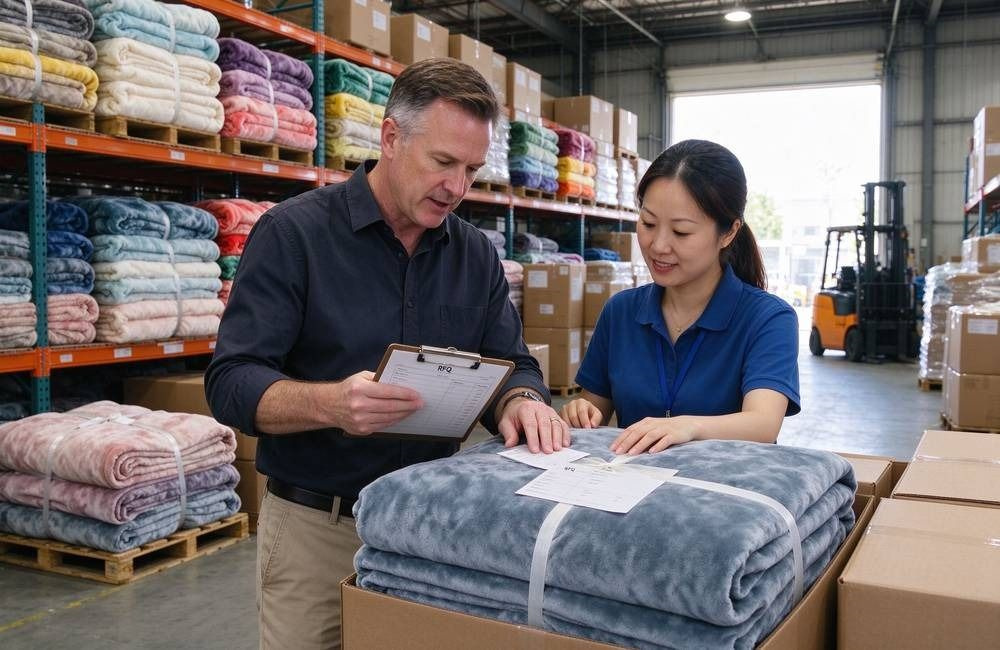
A responder gear RFQ review meeting.
Here are the questions agencies ask most often before ordering responder gear for African field teams, with practical answers and the specification points that matter at tender stage.
A field responder kit usually combines a durable coverall or worksuit, high-visibility elements, gloves, work boots and a thermal or medical blanket. Emergency responder gear for African operations adds climate features: vented fabric for heat, quick-dry blends for wet zones, and a light layer for cold night shifts. The exact combination comes from the role profile, so a flood rescue team and a clinic team order different kit compositions even from the same supplier. The kit is confirmed at sample stage: fabric weight, reflectivity and size data are checked before production, so the final packing matches the role profile exactly. Agencies usually approve one sample garment, then release the whole order against that locked spec.
Yes. High visibility responder clothing is available with fluorescent panels and reflective bands at standard positions, and the same visibility class can be applied across a whole team. Reflectivity is checked on samples with a simple night light test before production, and the test result is recorded in the inspection report. This lets an agency verify the tape quality before committing to a full production run. Tape width and placement are fixed per visibility class, so the same garment can serve road teams, airside teams and night operations without a separate design. The inspection report records the test for every batch, giving the buyer a simple way to check quality before the shipment leaves.
First-aid blankets are used for shock management, hypothermia prevention, triage covering and clinic warmth. First-aid blankets bulk orders usually split between lightweight foil rescue blankets for transport and heavier fleece or cotton blankets for clinic cots and overnight use. The ratio between the two families depends on the mission profile, and the packing plan states how many of each go into every carton. Foil blankets are single-use and pack flat, while fleece and cotton blankets can be washed and reused across the mission. For a 500-patient site, the packing plan usually mixes the two, and the carton label states how many of each, so field staff can hand out the right blanket without reading a long manual.
Heat stress protection gear is built into the fabric and cut: light-coloured moisture-wicking blends, vented backs and mesh panels keep body temperature down during long shifts. A thermal layer or medical blanket is paired with the daytime garment for the night shift, because African response zones can drop sharply in temperature after sunset. Field protocols on shade, water and rest schedules support the garments rather than replacing them. Fabric weight is matched to the season: lighter blends for peak heat, slightly heavier ripstop for cooler months. Agencies set the weight in the RFQ and verify it on the sample, so the garment performs the same across repeated orders.
Responder clothing is available from XS to 5XL, with chest, sleeve and length data for each size. Agencies confirm the size distribution by headcount before sampling, so the bulk order matches the actual team profile rather than a generic average. A sizing table shared before sampling prevents the two classic failures of wrong sizes and mixed specs in one shipment. Children's sizes are available for agency programmes that support young survivors, and custom size runs are possible for larger headcounts. The size table is part of the tender document, so both sides quote against the same numbers.
Yes. Coveralls, worksuits, vests and medical blankets can carry agency logos, programme names or national emblems, subject to approval of the artwork. Logo placement is fixed in the sample stage so production runs consistently, and the approved artwork is attached to the packing documentation. For field programmes this is how a single order keeps one visible identity across all teams. Logo printing uses heat transfer or embroidery depending on the fabric and quantity, and colour fastness is tested on the approved artwork. The agency approves the placement drawing once, then production and inspection follow that drawing for every piece.
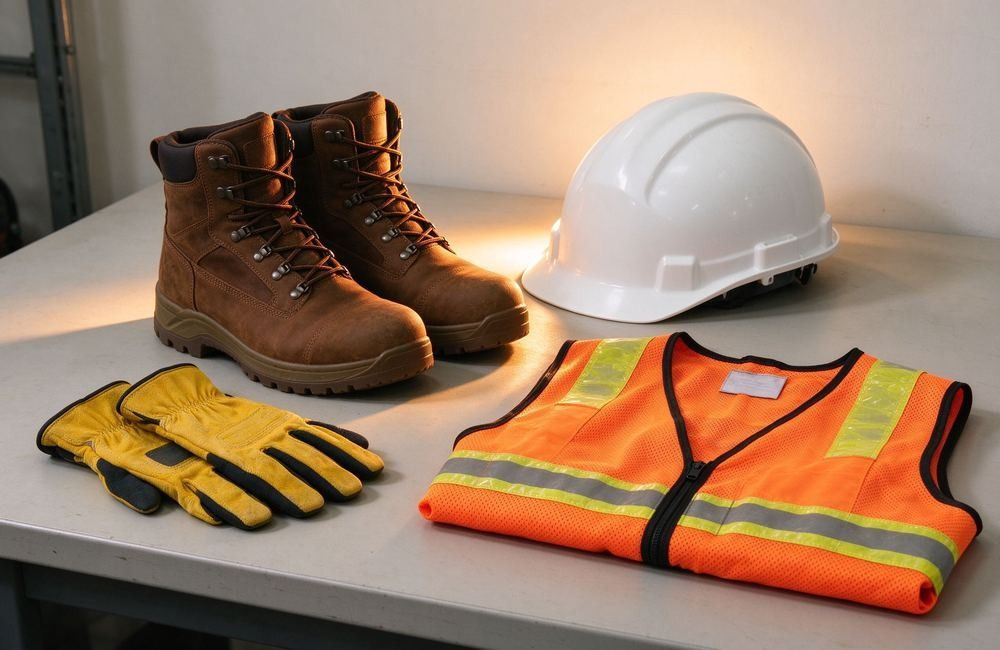
Work boots, gloves and helmet as a kit.
Quality checks happen at fabric, sewing and finished-garment stages: fabric weight and colour fastness, seam strength, reflective tape placement and size accuracy are all verified on samples and during production. Inspection reports are shared with the buyer before shipment, and every line item in the RFQ maps to a test that has to be recorded. This creates a document trail from sample to delivery. A final inspection before loading covers stitch density, button and zip function, reflective tape adhesion and packing accuracy. The buyer receives photos or a third-party report option, and the inspection point is agreed at contract stage.
MOQ depends on the item, fabric and packing unit, so it is confirmed at contract level for each order. A coordinated team kit order usually covers a defined headcount, which makes the quantity decision straightforward. Agencies that order by role profile find that the MOQ question resolves itself once the headcount and size distribution are locked. For a coordinated set, the supplier can quote per headcount, which makes MOQ a planning figure rather than a barrier. Small first orders are possible to validate the sample, with the main quantity following after approval.
Responder kits are packed by team role: each carton carries a defined number of complete sets for one responder type, with sizes, gloves and accessories together. Cartons are labelled with contents, sizes and destination so field staff can hand one carton to one team without re-sorting. Air freight uses compact compressed packing, while sea freight allows heavier cartons with full kit lists on the outside. Sealed bags protect garments from dust and moisture during transport, and cartons are strapped and labelled for stacking. The packing plan is shared before production so the field team knows exactly what arrives at the distribution point.
Both. Disposable items include foil rescue blankets, non-woven patient blankets and single-use gloves; reusable items include poly-cotton workwear, fleece and cotton blankets and liquid-resistant coveralls. The ratio is decided by the agency based on mission length and washing capacity, and the split is written into the RFQ so the supplier packs exactly the right balance. The split is reviewed at each reorder based on the previous mission's wash capacity and usage report. This keeps the mix efficient without changing the overall protection standard.
Certifications depend on the item and destination. Standard workwear follows general textile quality and labour compliance requirements; specialised protective items may require additional documentation. The applicable certificates are listed against each product line and confirmed in the quotation, so the buyer knows exactly which documents will accompany the shipment. For EU or US programmes, additional marks may be requested for specific protective items; for African agency tenders, the required documents are usually listed in the bid. YRF Textile confirms the applicable certificate against the destination before quoting.
Delivery time depends on fabric stock, quantity and documentation, so it is set at contract level for each order. Standard items with fabric in stock move faster than customised or certified lines; the schedule is stated in the quotation before production. Agencies that confirm the packing plan early shorten the lead time, because production can start against a locked spec. Once the sample is approved and the packing plan locked, production runs in batches and the first batch can ship while later batches complete. This staged delivery keeps field teams supplied without holding large inventory.
Start with the role profile and headcount, then the size distribution, then the protection standard: coveralls or worksuits, high-visibility vests, work boots and first-aid blankets bulk packed by team. A sample approval on the main garment locks the spec for the whole order. This order of decisions prevents the two common failures of responder procurement: mixed specifications and size mismatches. The RFQ checklist in this article can be copied directly into the tender, and each line maps to a test or document. Starting with a complete checklist saves both sides a round of clarification and shortens the time from first contact to shipment.
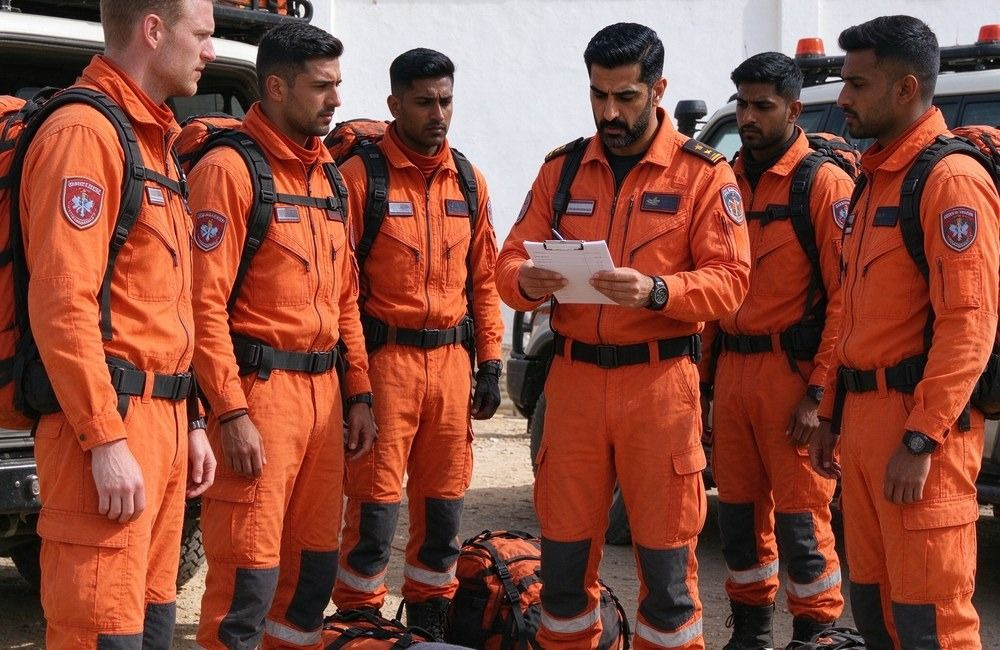
Field teams order workwear, protective items and blankets together because they ship on the same truck and arrive at the same base. The assembled team is the end user of the specification: sizes, quantities and packing are planned so the gear is field-ready when the truck arrives.
 |

|
Enlaces amistosos :
Derechos de autor © Custom Disaster - Relief Bedding: Tents, Sleeping Bags, Blankets Reservados todos los derechos
el equipo profesional al servicio !