First Aid Kit - Your Ultimate Companion in Emergency Situations
The First Aid Kit is the ultimate companion for all your emergency preparedness needs. Designed for use in disaster relief, military operations, medical emergencies, and UN aid distributions, this kit is a vital addition to any emergency supply cache. Boasting a range of sizes and colors, the First Aid Kit caters to a diverse array of requirements, ensuring you're well-equipped for any situation. Its robust yet compact design makes it easy to store and transport, so you can have peace of mind knowing you're prepared for the unexpected. Whether you're an individual looking to stock up on essentials or an organization in need of reliable supplies, the First Aid Kit has you covered.
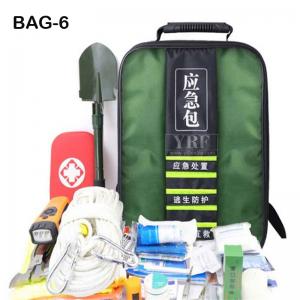
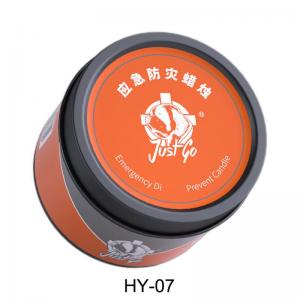
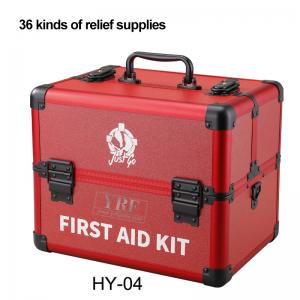
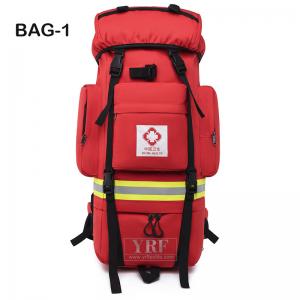
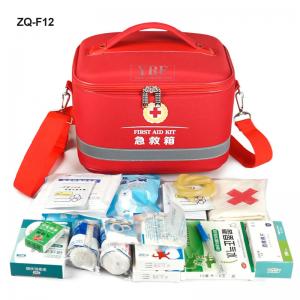
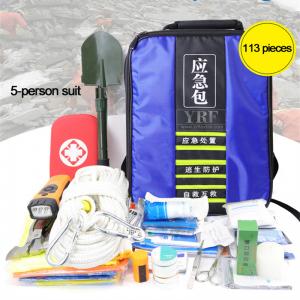
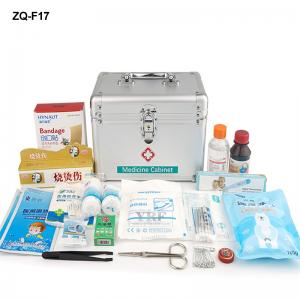
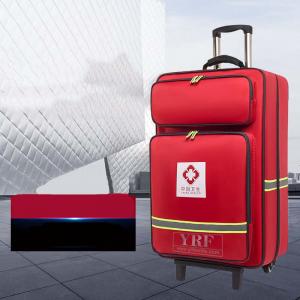
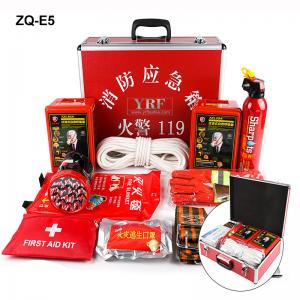
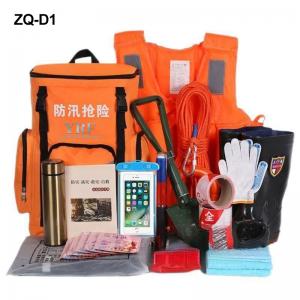
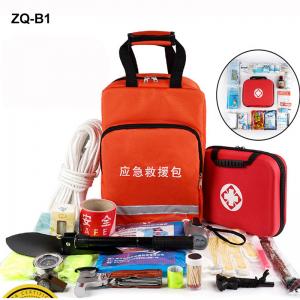


A first aid kit is a pre-packaged collection of medical supplies designed to treat injuries before professional help arrives. According to OSHA, approximately 2.8 million non-fatal workplace injuries are reported each year in the United States alone. In the first minutes after an accident, the right bandage, tourniquet, or cold pack can save a life. But preparation is simple. Start with the right kit.

 |

|
Yet many organizations underprepare. They buy cheap kits online. Stock them once. Forget about them. Supplies expire. Contents get used and never replaced. When an accident actually happens, the kit is missing the one item needed most. This guide walks you through sourcing wholesale first aid kits that meet real-world demands at institutional scale.

YRF manufactures and supplies complete first aid kit solutions for B2B buyers worldwide. Our product range covers hard cases, soft backpacks, wall cabinets, mini pouches, vehicle kits, and trauma packs — all configurable with custom contents, logos, and packaging. Every unit is factory-tested and CE/ISO certified, ready for immediate deployment across schools, offices, factories, hospitals, and emergency response teams.

|
Table of Contents |
|
|
1. Why Buy Wholesale First Aid Kits From YRF? |
14. First Aid Skills Every Kit User Should Know |
|
2. Who Needs Which First Aid Kit? |
15. Injury by Injury Quick Guide |
|
3. What Is Inside a First Aid Kit? |
16. Government Tender & Bid Support |
|
4. How to Choose the Right First Aid Kit |
17. Certifications & Quality Standards |
|
5. Our Wholesale First Aid Kit Types |
18. Bulk Order Configuration Example |
|
6. Compare First Aid Kits Side by Side |
19. Packaging & Container Loading |
|
7. Common Deployment Scenarios |
20. Quality Control Process |
|
8. First Aid Kit Contents Checklist |
21. Quality Risk Comparison: Cheap vs Premium Kits |
|
9. Size, Weight & Capacity Guide |
22. Common Procurement Mistakes to Avoid |
|
10. Shelf Life & Rotation Plan |
23. Recommended First Aid Kit Bundles |
|
11. Material and Construction Guide |
24. 10 Point Buyer Checklist |
|
12. Customization & OEM Options |
25. Related Products |
|
13. ANSI Z308.1 Standard Guide |
26. First Aid Kit FAQ |

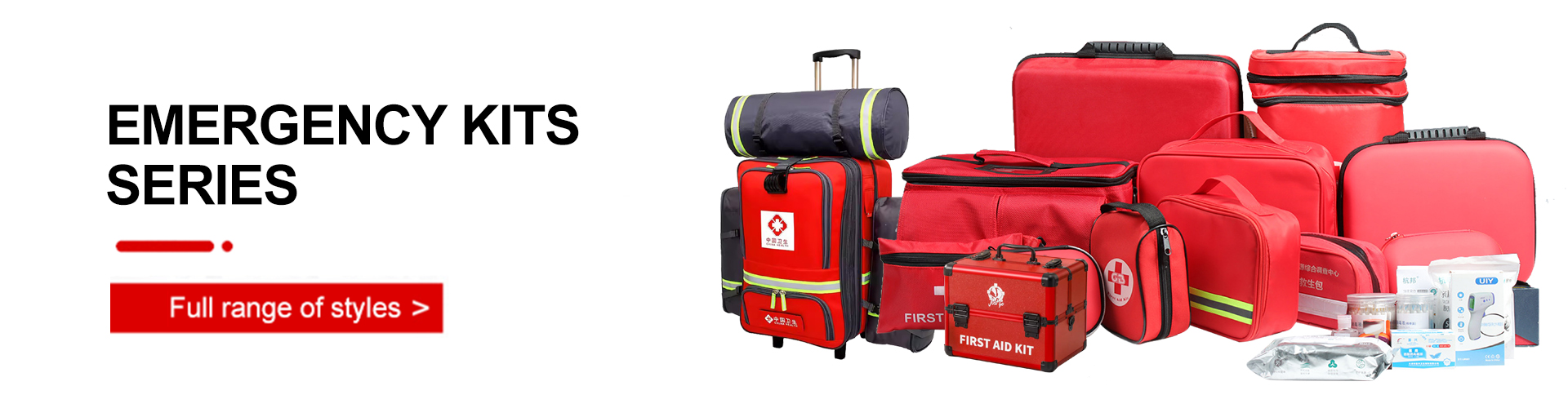
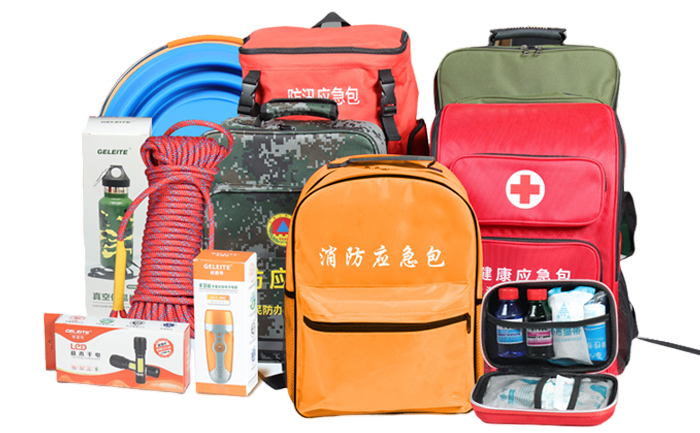
Whether you are outfitting a fire station, a school district, or a fleet of vehicles, wholesale first aid kits form the backbone of every emergency preparedness program. Sourcing directly from a manufacturer means consistent quality, traceable contents, and documentation ready for tender or audit. The images below show the range of kits YRF supplies to government, industrial, and institutional buyers worldwide.
Professional rescue teams demand more than a basic bandage box. Trauma first aid kits built for firefighters and paramedics include tourniquets, chest seals, and hemostatic gauze in MOLLE-compatible backpacks that ride along to every call. These kits are field-tested under heat, rain, and dust because when seconds count, equipment cannot fail.
Inside every kit, contents are organized by function: wound care, bleeding control, and emergency tools each have their own compartment. This layout lets trained responders grab the right item without fumbling. For bulk orders, the contents list can be customized to match your ANSI class, your industry risk profile, or the specific items your teams actually use.
Wall-mounted cabinets are the standard choice for factories, schools, and office buildings. Mounted at eye level and locked when required, they keep supplies visible and accessible within one minute of an incident.
Metal or plastic options suit different environments, and double-door models handle high-traffic locations where multiple workers need access simultaneously.
Fire stations and rescue bases combine both formats: wall cabinets store replenishment stock while portable backpacks go out with each crew. This dual-station approach ensures the base never runs out and every truck leaves with a fully stocked kit. Whether you order 50 units or 5,000, each configuration is built to the same approved sample.
Large-volume orders ship in export cartons stacked on pallets, shrink-wrapped and container-loaded for cost-effective sea freight. Every carton is marked with the kit type, quantity, and batch number for easy receiving and distribution. Refill packs keep the program running for years without replacing entire kits when individual items expire.

When you source first aid kits in bulk, you are not buying boxes and bandages. You are buying trust. Your team depends on those supplies in a real emergency. Every bulk first aid kit from a reliable manufacturer is built to consistent specifications, with traceable materials and documented quality control.
Customers include fire departments, emergency management agencies, schools, industrial facilities, outdoor operators, and humanitarian aid organizations. The reason is simple: the whole process stays under one roof. Product configuration, material selection, printing, packaging, and export documentation. No handoffs. No confusion.

Every batch matches the approved sample. When a sample is approved, every unit in the order matches that sample. No surprises. No variation between first and last carton. This matters for government procurement and tender programs where consistency is non-negotiable.
What goes inside matters. The product team has configured kits for floods, earthquakes, workplace incidents, vehicle emergencies, and remote outdoor operations. Each item is classified as essential, optional, or rarely used. No overstock. No underpreparation.
Real documentation, prepared before shipment. CE declarations, ISO certificates, third-party inspection reports, packing lists, and material safety data sheets are all available. For tender submissions, factory audit reports and production capability statements are also provided.

As a first aid kit manufacturer and exporter with experience across Europe, North America, the Middle East, and Africa, regional standards are understood. No generic product is shipped. Each order is configured to fit the market, the user group, and the regulatory requirements.

Not every first aid kit serves the same purpose. A backpacker on a weekend trip needs something very different from a factory safety officer. Understanding the user group is the first step to sourcing the right product. Below is the buyer segmentation used when configuring bulk orders for government, commercial, and institutional clients.

Firefighters, paramedics, and search-and-rescue teams need rugged, portable emergency kits that can handle trauma. These include tourniquets, trauma dressings, chest seals, shears, and heavy-duty gloves. They are usually red or orange, with reflective strips and a clear medical cross. The backpack version is most common. It allows hands-free transport to the scene. These kits are tested under harsh conditions: heat, rain, dust, and repeated use.
Emergency management agencies, schools, hospitals, and office buildings require wall-mounted cabinets or large portable kits. These are designed for multiple users and often organized by function. They may include a first aid section, a trauma section, and an emergency tools section. Government orders usually require tender documentation and compliance certificates. Volume per order ranges from 50 to 5,000 units.
Factories, construction sites, and warehouses need kits that meet local workplace safety regulations. These are typically wall-mounted or stored in vehicle first aid bags. Contents include bandages, antiseptic wipes, burn dressings, and eye wash. The key requirement is compliance with local standards such as OSHA in the United States or ANSI Z308.1. Industrial kits often add face shields, splints, and cold packs.
Households need a basic survival kit for everyday injuries and unexpected events. A home first aid kit covers cuts, scrapes, burns, and sprains. It is usually stored in the kitchen or bathroom where family members can reach it quickly. Disaster relief programs also distribute home kits as part of community preparedness initiatives. Family kits are often paired with emergency blankets and flashlights.
Guides, camp operators, and outdoor education centers need compact, weather-resistant kits. These include blister care, wound cleaning, splints, and emergency blankets. The kit itself must be waterproof and easy to carry. MOLLE-compatible bags are popular for this segment. They attach to backpacks and gear belts. Outdoor kits often include personal hydration tablets and signal equipment.
Every vehicle should carry a car first aid kit. Vehicle kits are smaller, often stored in the trunk, and include bandages, antiseptic, gloves, a flashlight, and emergency contact information. Fleet operators usually order these in volume for entire vehicle fleets. Typical fleet orders range from 50 to 500 units. Vehicle kits must be water-resistant. Trunk temperatures vary widely between summer and winter.
Humanitarian organizations and government relief agencies need small, affordable kits for community distribution.
Thee are usually mini pouches or soft bags with 20 to 50 basic items. They cover everyday injuries: cuts, scrapes, burns, and sprains. Multi-language labels are often required. Orders range from 200 to 5,000 units per distribution cycle.A well-configured first aid kit contents list covers five functional categories. Each category addresses a different stage of injury response. Knowing these categories helps you customize a kit that actually works in your scenario. When you source bulk medical supplies, understanding what goes inside also helps you compare quotes and identify where cost savings are possible without compromising readiness.
The table below breaks down each category.
| Category | Typical Items | Purpose | Non-Negotiable? |
|---|---|---|---|
| Wound Care | Adhesive bandages, gauze pads, medical tape, antiseptic wipes, bandage rolls | Clean, cover, and protect wounds | Yes |
| Trauma & Bleeding Control | Tourniquets, trauma dressings, hemostatic gauze, chest seals, pressure dressings | Control severe bleeding in trauma situations | Professional only |
| Tools & Instruments | Medical scissors, tweezers, forceps, thermometer, CPR mask | Assess injury and apply treatment | Yes |
| Protection & Barriers | Nitrile gloves, face masks, eye protection, biohazard bags | Protect both patient and responder | Yes |
| Emergency Supplies | Emergency blanket, flashlight, whistle, chemical cold pack, instant hot pack | Stabilize patient and signal for help | Scenario dependent |
Use these five categories as your baseline. Start with wound care and protection as mandatory. Add trauma items based on your risk assessment. Add emergency supplies based on whether your users work alone, outdoors, or far from medical help. A kit missing trauma items looks good on a shelf but fails in an accident. Loading every kit with tourniquets for office users wastes budget. Match contents to risk.
Choosing the right bulk first aid kit comes down to five questions. Answer them before you send an RFQ. This saves time and ensures you get a kit that solves your problem rather than a generic product that looks good on paper.
1. Who will use the kit? A firefighter needs different supplies than an office worker. Professional responders need trauma gear. General staff need basic wound care. The user profile determines the contents list and the required certifications.
2. Where will it be stored? A wall cabinet in a school hallway can be large and heavy. A vehicle kit must fit in a trunk. A hiking kit must fit in a backpack. Storage location determines format: hard case, soft bag, waist pouch, or backpack. It also affects material choice. Outdoor storage requires water-resistant materials.
3. How many people will use it? A kit for 5 people needs different quantities than a kit for 50 people. Larger organizations need either multiple smaller kits or one large central cabinet with refill supplies. Rule of thumb: one kit per 20 to 25 people indoors. One kit per vehicle or work crew in field settings.
4. What standards do you need to meet? US customers often ask about ANSI Z308.1 and OSHA compliance. EU customers ask about CE marking. Government tenders may require specific certification documentation. Know your target market before ordering. Changing standards after production is costly.
5. What is your budget per unit? A basic 20-piece kit costs very little. A professional trauma kit with tourniquets and hemostatic gauze costs significantly more. Set a per-unit budget so the configuration can be recommended. Most buyers find a mix of basic and advanced kits gives the best balance.
We manufacture and supply six main types of wholesale first aid kits. Each type serves a different storage scenario and user group. Below is an overview of the range. Detailed specifications are available on request. As an experienced first aid kit supplier and factory with export experience, all six types are produced in volumes from 100 to 10,000 units per order.
Rigid shell cases are durable and protect contents from crushing. Ideal for industrial settings, vehicles, and outdoor use. The shell is usually EVA or aluminum. Inside, contents are organized in clear pockets or removable trays. Hard cases are easy to clean and dust-resistant. They suit construction sites and warehouses.
Nylon or Oxford fabric backpacks are lightweight and portable. Popular with rescue teams, outdoor operators, and mobile medical units. MOLLE webbing allows attachment of additional pouches. Red or orange colors improve visibility. Soft bags are the most cost-effective option for large-volume orders because they pack efficiently for shipping.
Metal or plastic cabinets mount on walls in schools, offices, factories, and public buildings. They are lockable, accessible, and organized by function. Double-door models provide larger capacity for high-traffic locations. Wall cabinets are the standard choice for workplace compliance because they are visible, accessible, and easy to inspect.
Small pouches hold 20 to 50 essential items.
They fit in a glove box, backpack, or desk drawer. Commonly given out as welcome kits, employee kits, or promotional packages. Mini pouches have the lowest MOQ and fastest lead time. They are a good starting point for new buyers.Designed for car, truck, or fleet use. Contents include wound care, flashlight, gloves, and emergency tools. The bag is compact and water-resistant. Fleet operators order these in volume for entire vehicle fleets. Vehicle kits are often paired with emergency blankets and warning triangles as a complete roadside safety package.
For professional responders. These include tourniquets, chest seals, trauma dressings, and advanced wound care. The bag is black, red, or camouflage, with MOLLE webbing and reinforced stitching. Trauma kits require higher-grade materials because they are used in life-or-death situations where failure is not an option.
The table below compares the main first aid kit types across key procurement dimensions. Use it to narrow down which format fits your deployment scenario. All configurations can be customized with your logo, colors, and contents list. The comparison helps procurement teams make faster decisions without reviewing every product page individually.
| Type | Capacity | Best For | Key Feature | Cost Level |
|---|---|---|---|---|
| Hard Case | 50-200 items | Vehicle, industrial, outdoor | Rigid protection, crush-proof | Medium |
| Soft Backpack | 100-500 items | Rescue teams, mobile medical | MOLLE, portable, high capacity | Medium-High |
| Wall Cabinet | 200-1000 items | Schools, offices, factories | Lockable, organized, multi-user | Medium |
| Mini Pouch | 20-50 items | Glove box, desk, promo | Compact, affordable, lightweight | Low |
| Vehicle Kit | 30-80 items | Cars, trucks, fleets | Weather-resistant, trunk-friendly | Low-Medium |
| Trauma Kit | 50-150 items | Fire, EMS, tactical | Tourniquets, chest seals, advanced care | High |
The exterior format is only part of the decision. The contents list, material quality, and certification documentation matter just as much. The cost level column is a relative guide, not a quote. A detailed specification sheet for any type above is available on request, along with indicative pricing based on target quantity and customization requirements.
Where you place a first aid kit determines what it should contain. Below are the most common deployment scenarios configured for. Each has different risks, user profiles, and regulatory requirements. Matching the kit to the scenario matters more than buying the largest or cheapest option.
Fire stations need both wall-mounted cabinets and portable trauma bags. The cabinet stores replenishment stock. The backpack goes out with the crew. Contents focus on trauma: bleeding control, airway management, and burns. Fire stations also need AEDs and oxygen kits. These can be ordered alongside first aid kits as a complete station package.
Schools require accessible, child-safe cabinets in hallways, gyms, and science labs. Contents include pediatric bandages, cold packs, and basic wound care. Many districts also require nurse's office kits with additional supplies. School orders typically include 10 to 50 wall cabinets plus individual classroom pouches.
Offices need compact kits near restrooms, kitchens, and meeting rooms. Focus on everyday injuries: cuts, eye irritation, burns from kitchen equipment, and slip-related injuries. AED placement is often required in larger buildings. Office kits are usually mini pouches or small hard cases, one per floor or per wing.
Industrial settings require heavy-duty kits with trauma supplies, eye wash, and burn dressings. Workers face moving machinery, falls, and chemical exposure. Cabinets should be weather-resistant and easy to clean. Construction site kits are often vehicle-mounted or wall-mounted in site offices. They must be visible and accessible within one minute of an incident.
Every vehicle in a fleet should carry a compact kit. Fleet managers order these in volume, usually 50 to 500 units per order. Contents stay basic but must include gloves, antiseptic, bandages, and a flashlight. Vehicle kits are often paired with warning triangles, reflective vests, and fire extinguishers as a complete road safety package.
Remote construction sites, mining camps, and wilderness areas need kits that work without a hospital nearby. These include splints, emergency sleeping bags, water purification tablets, and longer-lasting supplies. Outdoor kits must be waterproof and rugged. They often include insect bite treatment, sunburn care, and altitude sickness guidance.
The contents checklist below covers what is considered essential across most first aid kit configurations. Use it as a baseline. The specific configuration will vary based on user group, storage location, and regulatory requirements. The checklist also helps internal approval because it shows exactly what each tier includes and where cost differences come from.
| Category | Item | Basic Kit | Advanced Kit | Trauma Kit |
|---|---|---|---|---|
| Wound Care | Adhesive bandages | ✓ | ✓ | ✓ |
| Gauze pads | ✓ | ✓ | ✓ | |
| Medical tape | ✓ | ✓ | ✓ | |
| Antiseptic wipes | ✓ | ✓ | ✓ | |
| Trauma | Tourniquet | — | ✓ | ✓ |
| Trauma dressing | — | ✓ | ✓ | |
| Chest seal | — | — | ✓ | |
| Tools | Scissors | ✓ | ✓ | ✓ |
| Tweezers | ✓ | ✓ | ✓ | |
| CPR mask | — | ✓ | ✓ | |
| Protection | Nitrile gloves | ✓ | ✓ | ✓ |
| Biohazard bag | — | ✓ | ✓ | |
| Emergency | Emergency blanket | — | ✓ | ✓ |
| Flashlight | ✓ | ✓ | ✓ |
Most buyers choose a mix: basic kits for general areas, advanced kits for workshops and vehicles, and trauma kits for response teams. This layered approach controls cost while ensuring the right level of care is available where it is needed most. The gap between basic and advanced is mainly trauma equipment. The gap between advanced and trauma is specialized gear like chest seals.
Physical dimensions matter in bulk first aid kit procurement. A kit that is too heavy to carry or too large to store will not be used when needed. The table below shows typical size and weight ranges by kit type. Exact dimensions depend on the chosen configuration. Always measure the actual storage space before confirming the order.
| Type | Typical Size | Weight | Items Count | Storage Space |
|---|---|---|---|---|
| Mini Pouch | 15 x 10 x 5 cm | 0.2-0.5 kg | 20-50 | Drawer or glove box |
| Vehicle Kit | 25 x 18 x 10 cm | 0.8-1.5 kg | 30-80 | Trunk compartment |
| Hard Case | 30 x 20 x 12 cm | 1.5-3 kg | 50-200 | Shelf or vehicle |
| Soft Backpack | 45 x 30 x 20 cm | 3-8 kg | 100-500 | Worn or mounted |
| Wall Cabinet | 60 x 40 x 15 cm | 5-15 kg | 200-1000 | Wall, 10 cm clearance |
| Trauma Backpack | 50 x 35 x 25 cm | 4-10 kg | 50-150 | Worn or vehicle rack |
For wall cabinets, confirm wall clearance and mounting hardware. For vehicle kits, measure available trunk space before ordering. For backpack kits, consider the weight users will actually carry. Exact dimension drawings and mounting templates for any configuration are available on request.
Medical supplies do not last forever.
A first aid kit that was perfect on day one becomes a hazard if supplies expire without rotation. Most medical consumables last 3 to 5 years. Tools and durable items last longer. Understanding expiry cycles helps plan replacement budgets. This is especially important for government contracts where audit compliance requires all contents to be within date at all times.| Item Category | Shelf Life | Rotation Note | Replacement Frequency |
|---|---|---|---|
| Adhesive bandages | 3-5 years | Check packaging integrity yearly | Every 3 years |
| Gauze & dressings | 3-5 years | Check sterile packaging seal | Every 3 years |
| Antiseptic wipes | 2-3 years | Date printed on foil packet | Every 2 years |
| Nitrile gloves | 3-5 years | Check for brittleness | Every 3 years |
| Tourniquets | 5 years | Inspect elastic and buckle | Every 5 years |
| Flashlights | 5+ years | Replace batteries yearly | Batteries yearly |
| Emergency blankets | 5+ years | Check for tears | Every 5 years |
| Instant cold packs | 2-3 years | Date printed on pack | Every 2 years |
Include a scheduled rotation plan in the contract. Refill packs are sold as standalone orders, so the entire kit does not need replacement when a few items expire. This saves significant cost over the kit program lifecycle. Set a calendar reminder to inspect each kit every six months. Fully replace consumables every two to three years depending on item category.
The material quality of a first aid kit determines how long it lasts and how well it protects its contents. As a first aid kit manufacturer, several shell and lining options are offered. Choosing the right material for the environment often matters more than choosing the right color or logo.
EVA hard shell: Lightweight, rigid, and water-resistant. Ideal for vehicle kits and outdoor use. EVA shells protect contents from crushing and wipe clean easily. Multiple thickness grades available. Thicker shells suit industrial settings.
600D Oxford fabric: The most common material for soft bags and backpacks. Water-resistant, durable, and cost-effective. Handles normal wear and tear well. For more demanding outdoor use, 900D or 1000D Oxford with higher abrasion resistance is available.
Aluminum frame: Used in premium hard cases. Provides maximum structural protection. Heavier and more expensive but lasts longer. Often chosen for military and tactical applications.
Inside, most kits use nylon lining with clear vinyl pockets or elastic loops. Clear pockets allow visual inspection without opening each pocket. Elastic loops hold items in place during transport. The interior layout is configured based on the contents list. Every item gets a designated slot. Missing items are immediately visible.
YKK or equivalent zippers are used on all kits. Cheap zippers are the most common failure point in low-quality first aid kits. Heavy-duty zippers and reinforced stitching ensure the bag survives repeated opening and closing. Buckles, snaps, and strap attachments are all tested for strength before production approval.
One advantage of sourcing directly from a manufacturer is customization. Your wholesale first aid kits can be tailored to your brand, your market, and your specific requirements. Below are the main customization options and typical MOQ thresholds. OEM and private label orders are handled for brands, distributors, and government programs.
| Customization | Method | Typical MOQ | Best For |
|---|---|---|---|
| Logo | Embroidery or print | 100-500 pcs | All order types |
| Color | Pantone match fabric | 500 pcs | Branded programs |
| Contents | Custom item list | 100 pcs | Tenders, regulated markets |
| Labels | Multi-language print | 300 pcs | Export to non-English markets |
| Packaging | Retail box or polybag | 200 pcs | Distribution programs |
| Size | Custom dimensions | 500 pcs | Special use cases |
Lower MOQs often mean higher unit prices. Embroidery gives a premium feel but requires a higher MOQ than printing. Multi-language labels matter for humanitarian and international distribution. Discuss customization needs early in the quotation process. Setup costs are factored into the per-unit price. No surprises later.
For US market buyers, the ANSI Z308.1 standard is the most common reference for workplace first aid kits. It defines minimum contents, performance requirements, and labeling guidelines. The current version is ANSI Z308.1-2021. It classifies kits by both class (contents level) and type (use environment). Understanding both helps order the right kit.
| Class | Environment | Minimum Items | Typical Users |
|---|---|---|---|
| Class A | Low-risk, light industrial, office | 17 types / 100+ units | Offices, schools, retail |
| Class B | High-risk, heavy industrial, construction | 25 types / 200+ units | Factories, construction, warehousing |
Class A kits cover basic wound care. Class B kits add eye wash, burn dressings, and extra trauma items. Beyond class, Z308.1-2021 also defines three types: Type I for indoor stationary use, Type II for portable indoor use, and Type III for outdoor mobile use. When sourcing bulk first aid kits for USA, specify both class and type. We configure kits to meet either class and any type. Note that ANSI Z308.1 is a consensus standard, not federal law, but OSHA references it as a recommended benchmark.
A well-stocked kit is only useful if someone on site knows how to use it. Most workplace first aid programs require at least one trained responder per shift. Below are the core skills recommended for every organization. Training is not provided. The kits are built to support trained responders.
For minor bleeding, apply direct pressure with a sterile gauze pad. For severe bleeding, use a tourniquet above the wound. Tighten until bleeding stops. Record the time the tourniquet was applied. This is the single most important trauma skill. Every response team member should know it.
Cardiopulmonary resuscitation (CPR) restarts blood flow when the heart stops. Push hard and fast in the center of the chest. Two inches deep. 100 to 120 compressions per minute. If an AED is available, turn it on and follow the voice prompts. The device analyzes the heart rhythm and advises whether a shock is needed. CPR classes take four hours. Most workplaces require at least two certified responders per shift. Call emergency services immediately if someone is unresponsive and not breathing normally.
Cool a burn under running water for at least 10 minutes. Cover with a sterile non-stick dressing. Do not apply ice. Do not pop blisters. For chemical burns, flush with water for 20 minutes and seek medical help immediately. Burn dressings in the kit should be sterile and individually wrapped.
The universal sign is hands clutching the throat. For a conscious adult, perform abdominal thrusts (Heimlich maneuver) from behind. For infants, use back blows and chest thrusts. CPR face shields in the kit protect the responder during rescue breathing.
For sprains, use the RICE method: Rest, Ice, Compress, Elevate. For suspected fractures, immobilize the limb with a splint and do not move the person unnecessarily. For head injuries, monitor consciousness. If the person is confused, nauseated, or loses consciousness, call emergency services immediately. Keep the person still and warm.
If someone has known severe allergies and carries an EpiPen, help them use it immediately. Then call emergency services. Signs of shock include pale skin, rapid breathing, dizziness, and confusion. Lay the person down, cover with an emergency blanket, and elevate the legs if no spinal injury is suspected.
These skills take a few hours to learn but save lives every day. Pair a trained responder with a well-stocked kit. That is the combination that actually works.
Knowing which item to reach for in an emergency saves seconds. The table below maps common workplace injuries to the specific supplies in a standard first aid kit. Print it and post it near every wall cabinet. It also helps verify that the kit covers the injuries most likely to happen in the facility.
| Injury | Items to Use | Immediate Action |
|---|---|---|
| Small cut or scrape | Antiseptic wipe, adhesive bandage, gauze | Clean wound, apply bandage |
| Heavy bleeding | Tourniquet, trauma dressing, gloves | Direct pressure, tourniquet above wound |
| Burn (minor) | Cool water, sterile non-stick dressing | Cool 10 min, cover, do not ice |
| Burn (chemical) | Eye wash, water, sterile dressing | Flush 20 min, call emergency |
| Sprain or strain | Cold pack, elastic bandage | Rest, ice, compress, elevate |
| Suspected fracture | Splint, triangular bandage, cold pack | Immobilize limb, do not move |
| Head injury | Sterile pad, ice pack | Monitor consciousness, call EMS |
| Nosebleed | Gauze, gloves | Lean forward, pinch nose 10 min |
| Eye injury | Eye wash, sterile pad | Rinse, do not rub, cover lightly |
| Severe allergy | EpiPen, emergency blanket | Administer epinephrine, call EMS |
| Shock | Emergency blanket | Lay person down, keep warm, call EMS |
| Animal bite | Antiseptic, gauze, bandage | Wash with soap and water, seek medical care |
Use this guide to check kit contents against the most likely injury types. A factory with moving machinery needs more trauma supplies. An office needs more everyday wound care. A kitchen needs more burn dressings. Match the kit to the risk profile. Contents can be adjusted based on the facility's injury history.
Government procurement of first aid kits rarely happens through a simple online order. It involves tender documents, technical specifications, compliance certificates, and contract terms. The team has experience with public tenders in multiple countries. Evaluation committee expectations for a qualified bid response are understood.
We provide:
Share tender requirements. Whether the configuration meets ANSI Z308.1, OSHA, CE, or other specified standards is confirmed. The technical response section of the bid can also be prepared: material specifications, manufacturing process, and quality assurance commitments. This saves preparation time and reduces the risk of disqualification due to missing documentation.
Medical products require proper certification.
The first aid kits supplied are manufactured in facilities that follow recognized quality management standards. Certification documentation is part of every shipment file. It is also available separately for tender submissions, internal audits, and regulatory reviews. The table below lists the main certificates available for wholesale and volume orders.| Certification | What It Covers | Available | Market |
|---|---|---|---|
| CE Marking | EU medical device compliance | ✓ | European Union |
| ISO 9001 | Quality management system | ✓ | Global |
| ISO 13485 | Medical device quality management | On request | Medical buyers |
| FDA Registration | US market registration | On request | United States |
| SGS Inspection | Third-party quality verification | ✓ | Global buyers |
Every certificate provided is genuine and traceable. Buying a first aid kit with fake or expired certification creates legal risk for both buyer and supplier. If the market requires specific local registration, compliance options are advised.
To illustrate how a typical bulk first aid kit order comes together, below is a sample configuration for a mid-sized industrial client. This example is based on real orders fulfilled. The configuration depends on facility size, industry, and regulatory requirements.
Order profile: 200 wall-mounted cabinets for factory floors, 100 vehicle kits for fleet vehicles, and 50 portable trauma backpacks for the safety team. Plus refill packs for ongoing maintenance.
| Item | Type | Qty | Key Contents | Use |
|---|---|---|---|---|
| Wall Cabinet | Double-door metal cabinet | 200 | Wound care, trauma, tools, PPE | Factory floors |
| Vehicle Kit | Soft bag, water-resistant | 100 | Bandages, gloves, flashlight, antiseptic | Fleet trucks |
| Trauma Backpack | Red MOLLE backpack | 50 | Tourniquets, chest seals, dressings | Safety team |
| Refill Pack | Assorted consumables | 200 | Bandages, gloves, antiseptic wipes | Annual rotation |
This mixed order covers different user groups in one organization. Wall cabinets serve general staff. Vehicle kits serve the fleet. Trauma backpacks serve the response team. Refill packs ensure long-term maintenance. Share the facility layout and headcount. A similar configuration is proposed.
Understanding trade logistics helps government procurement officers compare bids fairly. Bulk first aid kits are lightweight but bulky. Packaging and loading method directly impact shipping cost. Below is an overview of standard packaging options and container capacity estimates for volume and mass orders.
Individual packaging. Each kit goes in a retail box or polybag with printed instructions. Good for end-user distribution. Adds cost but improves presentation and protects the product during handling.
Bulk carton. Multiple kits per export carton. Reduces packaging cost for large orders. Standard carton sizes optimize pallet use. Recommended for buyers who store kits in a warehouse rather than distributing to end users individually.
Pallet loading. Cartons stacked on pallets, shrink-wrapped. Standard export method for container shipping. A 20-foot container holds approximately 800 to 1,200 mini pouches or 400 to 600 wall cabinets, depending on type. A 40-foot container holds roughly double. Pallet loading reduces handling damage and speeds up customs clearance.
Special handling. Medical consumables should be kept away from moisture and extreme temperatures. Export cartons with desiccant are recommended for long sea freight. For air freight, lighter packaging reduces weight charges. All major Incoterms are supported. Tell us the destination port. The most cost-effective shipping option is recommended.
Quality control is not a single step. It is a four-stage process that runs from raw material inspection through to final shipment. Every bulk first aid kit passes through these stages before leaving the factory. This applies to both standard and custom configurations.
Stage 1: Raw material inspection. Fabric, zippers, buckles, and medical supplies are checked against approved specifications before production. Defective materials are rejected immediately. This includes checking medical supply expiry dates and fabric color matching.
Stage 2: In-line inspection. During production, workers check stitching, compartment layout, and logo placement. Random units are pulled from the line and inspected. This catches defects early when they are still cheap to fix. AQL 2.5 (Acceptable Quality Limit: 2.5% defects allowed) applies for general appearance and AQL 1.5 for critical items like medical supply accuracy.
Stage 3: Finished product inspection. Every completed kit is checked for contents accuracy. Items are counted against the packing list. Packaging integrity is verified. Zippers, straps, and buckles are tested. Done by the internal QC team before packing.
Stage 4: Pre-shipment inspection. Before container loading, a final random inspection confirms order quantity, carton marking, and product appearance. Third-party inspection reports (SGS, BV) can be arranged on request. A pre-shipment inspection report is provided with every order so the team verifies quality without visiting the factory.
When sourcing bulk first aid kits, price is tempting but quality risk is real. A cheap kit that fails in an emergency costs far more than the price difference. The table below shows where cheap and premium kits differ, and what that means for procurement decisions. Volume buyers should evaluate total cost over three years, not just unit price.
| Factor | Cheap Kit | Premium Kit | Why It Matters |
|---|---|---|---|
| Shell material | Thin polyester, weak zipper | 600D+ Oxford, YKK zipper | Cheap shell cracks within months |
| Contents | No-name brand, near expiry | Recognized brands, fresh dates | Near-expiry supplies fail when needed |
| Sterility | No seal guarantee | Individually sealed, traceable | Unsterile supplies cause infection risk |
| Contents accuracy | Missing items common | 100% counted per packing list | Missing items discovered too late |
| Certification | None or fake | Genuine CE, ISO docs | Fake certs create legal risk |
| After-sales | No support | Refill packs, documentation | Cheap kit ends up in the trash |
The price difference between cheap and premium wholesale first aid kits is usually small per unit. The risk difference is large. For government and institutional buyers, the cheapest option often becomes the most expensive: replacement costs, failed audits, and liability risk. Evaluate total cost of ownership over three years. Include refill packs, replacement, and potential downtime. The kits sit in the mid-to-premium range: not the cheapest, but fairly priced for the quality and documentation received.
After years of supplying first aid kits to organizations of all sizes, the same mistakes are repeated. Avoid these five errors. They save time, money, and potential safety incidents.
Mistake 1: Buying based on price alone. The cheapest kit often uses near-expiry supplies, weak materials, and missing certification. When an accident happens, the kit that saved money on the purchase order becomes a liability. Compare contents lists and certification documents, not just unit price.
Mistake 2: No sample approval. Ordering 500 units without seeing a physical sample is risky. The sample tells you about material feel, zipper quality, logo placement, and whether the contents list matches expectations. Always approve a sample before mass production.
Mistake 3: Forgetting the refill plan. A first aid kit is not a one-time purchase. Used or expired items need replacement. Buyers who skip refills end up with empty kits within a year. Include refill packs in the initial order.
Mistake 4: Ignoring regulatory requirements. Buying a kit that does not meet ANSI, OSHA, or local standards can result in failed audits or workplace fines. Know market requirements before ordering. Share the standard. Compliance is confirmed.
Mistake 5: One kit for everyone. A factory floor and a boardroom need different levels of care. Buying the same kit for every location over-prepares some areas and under-prepares others. Use the layered approach: basic for general areas, advanced for high-risk zones, trauma for response teams.
If not sure where to start, these pre-configured bundles cover common first aid kit procurement scenarios. Each bundle can be customized with your logo, colors, and contents adjustments. Bundles simplify ordering by combining multiple kit types into one configuration.
Office Safety Bundle. 1 wall cabinet + 5 mini pouches + 1 refill pack. Designed for a 20 to 50 person office. Covers everyday injuries and provides portable kits for meeting rooms and desks.
Industrial Facility Bundle. 5 wall cabinets + 10 vehicle kits + 3 trauma backpacks + refill packs. Designed for a mid-sized factory or construction site. Aligns with ANSI Class B requirements for high-risk industrial environments.
School Safety Bundle. 10 wall cabinets + 20 mini pouches + nurse's office kit. Designed for a K-12 campus. Cabinets in hallways, mini kits in classrooms, and a comprehensive nurse's kit. Adjustable based on student population.
Vehicle Fleet Bundle. 50 car first aid kits + emergency blankets + flashlights. Designed for a logistics or transportation company. Each kit fits in a trunk. Scalable as the fleet grows.
Relief Distribution Bundle. 200 mini pouches + 50 family kits + 20 wall cabinets. Designed for humanitarian distribution programs. Mix of household and institutional kits. Commonly used by NGOs and government relief agencies.
Before finalizing a first aid kit order, run through this 10-point checklist. It covers the questions most buyers forget to ask until it is too late. Print it and share it with the team before sending the RFQ.
If building a complete emergency preparedness program, these related products complement the first aid kits:
A first aid kit is a collection of medical supplies and equipment used to provide initial treatment for injuries and illnesses. It typically includes bandages, antiseptic, gloves, scissors, and emergency supplies. Kits range from small pocket pouches to large wall-mounted cabinets.
OSHA recommends at least one first aid kit per workplace, with additional kits for remote or high-risk areas. A 50-person office typically needs one wall cabinet plus 3 to 5 mini pouches distributed near kitchens and meeting rooms.
Most medical consumables last 3 to 5 years. Bandages and gauze typically last 5 years if packaging is intact. Antiseptic wipes and instant cold packs last 2 to 3 years. Tools and durable items such as flashlights last 5 years or more.
Yes. Contents are configured based on your checklist. Items can be added or removed, quantities adjusted, and brands specified where required. Custom contents are common for government tenders and institutional buyers.
For the EU market, CE marking is required. For quality management, ISO 9001 is standard. For medical device quality, ISO 13485 is preferred. US buyers may ask about FDA registration and ANSI Z308.1 compliance. All relevant documentation is provided with bulk orders.
MOQ varies by kit type and configuration. Standard stock items have lower MOQ. Custom logo and custom contents typically require 500 units or more. Contact us with requirements for a specific quotation.
Lead time depends on order quantity, customization level, and current factory schedule. Standard stock items ship faster. Custom orders require additional time for sampling and production confirmation. A confirmed timeline is provided after reviewing requirements.
Yes. Refill packs are sold as standalone orders so the entire kit does not need replacement when a few items expire. Refill packs can be configured to match existing kit contents.
Worldwide shipping by sea, air, and express courier is available. All major Incoterms are supported. Tell us the destination port or address and the most suitable shipping method is recommended.
T/T payment is accepted for bulk orders. Payment terms are confirmed per order based on order value and relationship. Contact us for specific payment arrangements.
Yes. Sample approval is strongly recommended before bulk production. A physical sample confirms quality, contents, logo placement, and packaging. Sample cost is refundable against a confirmed bulk order.
Soft bag kits use water-resistant Oxford fabric. Hard case kits are sealed against dust and moisture. Wall cabinets are designed for indoor use. For outdoor or wet environments, additional waterproof covers or sealed dry bags are recommended.
ANSI Z308.1 Class A kits cover basic wound care for low-risk environments such as offices and schools. Class B kits include additional trauma supplies, eye wash, and burn care for higher-risk environments such as factories and construction sites.
Type I kits are for indoor stationary use, such as wall cabinets in offices. Type II kits are portable but used indoors, such as hard cases in hallways. Type III kits are for outdoor or mobile use, such as vehicle kits and backpacks exposed to weather.
Yes. Instructions and labels can be printed in multiple languages including English, Spanish, French, German, and Arabic. Multi-language labels are common for humanitarian and international distribution programs.
Expired medical supplies should be disposed of according to local regulations. Gauze and bandages can usually go with general waste. Liquids and chemicals may require special disposal. Keep expired items separate from new stock until proper disposal is arranged.
A first aid kit covers basic wound care for everyday injuries. A trauma kit adds advanced bleeding control like tourniquets, hemostatic gauze, and chest seals for life-threatening injuries. Trauma kits are designed for professional responders, while first aid kits are designed for general workplace use.
Compare the contents list to the packing list or configuration sheet. Check expiry dates. Ensure all items are present and in good condition. A quarterly check and annual full review is recommended. Missing or expired items should be replaced immediately.
Most workplace safety regulations require at least one trained first aid responder per shift. A well-stocked kit is useless without someone who knows how to use it. Pair the kit investment with CPR and first aid training for key staff.
Yes. Most bulk orders mix kit types: wall cabinets for general areas, vehicle kits for the fleet, and trauma backpacks for the response team. Mixed orders are consolidated into one shipment with separate cartons labeled by kit type. This simplifies receiving and distribution.
Yes. AEDs can be ordered alongside first aid kits as a complete workplace safety package. AED placement guidance and training recommendations are available on request.
Yes. Technical specification sheets, CE declarations, ISO certificates, and third-party inspection reports are all provided for tender submissions. Share the tender requirements and the documentation package is prepared.
Yes. A product catalog covering all first aid kit types, customization options, and related emergency supplies is available on request. It includes specifications, sizes, and indicative pricing.
Enlaces amistosos :
Derechos de autor © Custom Disaster - Relief Bedding: Tents, Sleeping Bags, Blankets Reservados todos los derechos
el equipo profesional al servicio !