Emergency Tent: Your Ultimate Solution for Disaster Relief
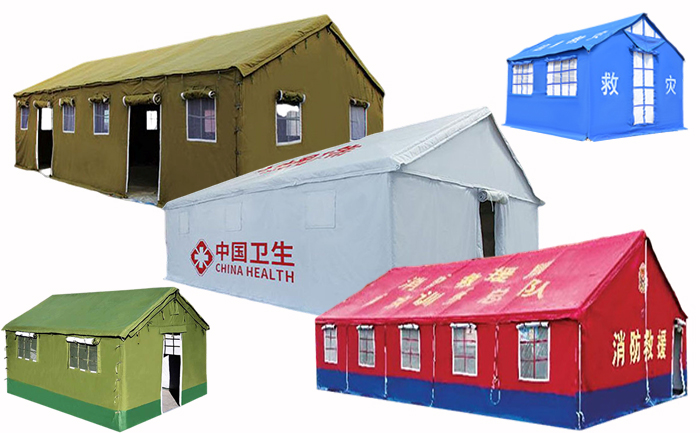
The Emergency Tent is the ultimate solution for all your emergency needs. Designed for use in disaster relief efforts, military operations, medical emergencies, and more, this tent is a crucial addition to any emergency preparedness kit. With its sturdy and durable construction, the tent can withstand even the harshest weather conditions, keeping you safe and dry. Plus, its multiple colors and sizes make it easy to find the perfect fit for your specific needs, whether you're setting up a makeshift hospital or providing shelter for displaced families.
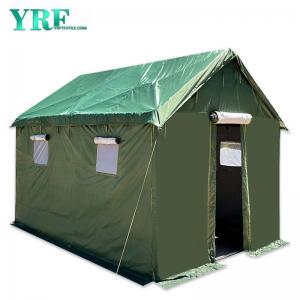
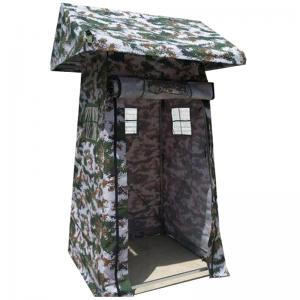
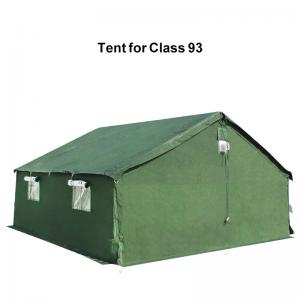
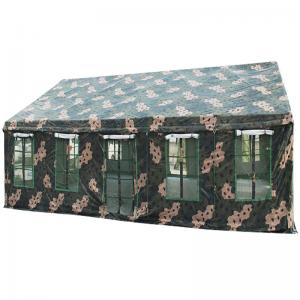
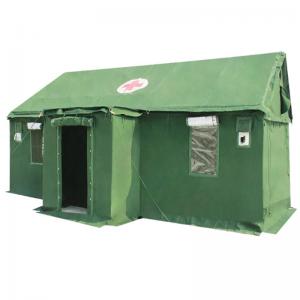
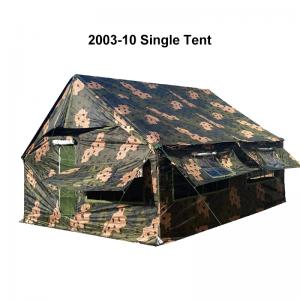
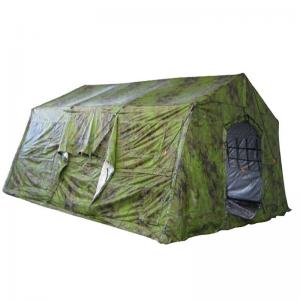
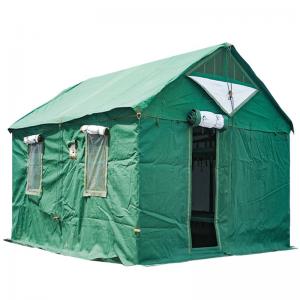

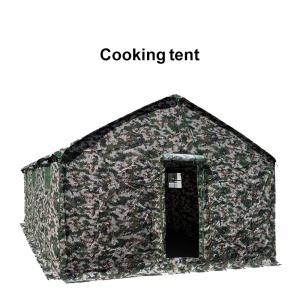
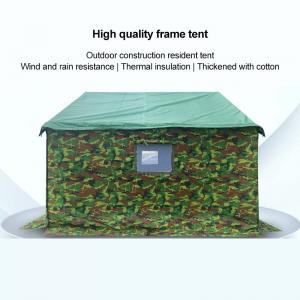
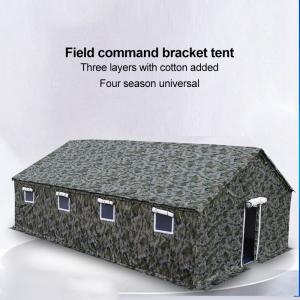
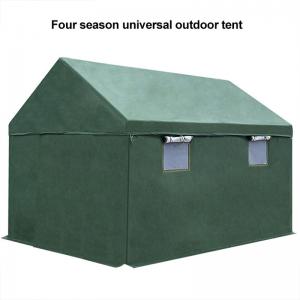
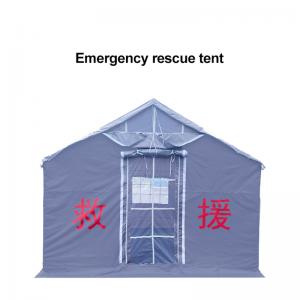
When sourcing emergency frame tents, first define whether the project needs general relief, larger accommodation, extended duty, command and coordination, temporary storage, or medical support. Each task changes the usable internal space, actual site footprint, frame and joints, anchoring, split packing, deployment resources, and acceptance focus. After selecting the task, use the written specification, complete sample, and component list for that option to confirm the order.

Confirm 4 points before quotation: which frame tent fits the task, everything included in one set, the crew and tools available for deployment, and the checks used at receiving. Where water, flame, wind, snow, low-temperature, or specialist medical functions are required, state the applicable tent, use condition, inspection method, and document scope separately.
YRF Textile supplies heavy duty frame tents for government humanitarian projects, military field camps, medical temporary stations, fire rescue command and emergency storage, with annual supply capacity for thousands of sets for large scale projects. We support split batch inspection, multi-port split delivery, priority production scheduling for standard size emergency orders, sealed sample production and 3-year batch sample traceability. All large orders follow pre-production full erection trial and third-party inspection support to ensure bulk goods match approved samples.
Compare frame tents when the task needs a stable frame and enclosed space, inflatable tents when inflation equipment defines deployment, and canopies when only open cover or a temporary work roof is required.
Emergency Survival Gear Procurement Overview
Frame Tents
Compare Emergency Sunshade Canopies
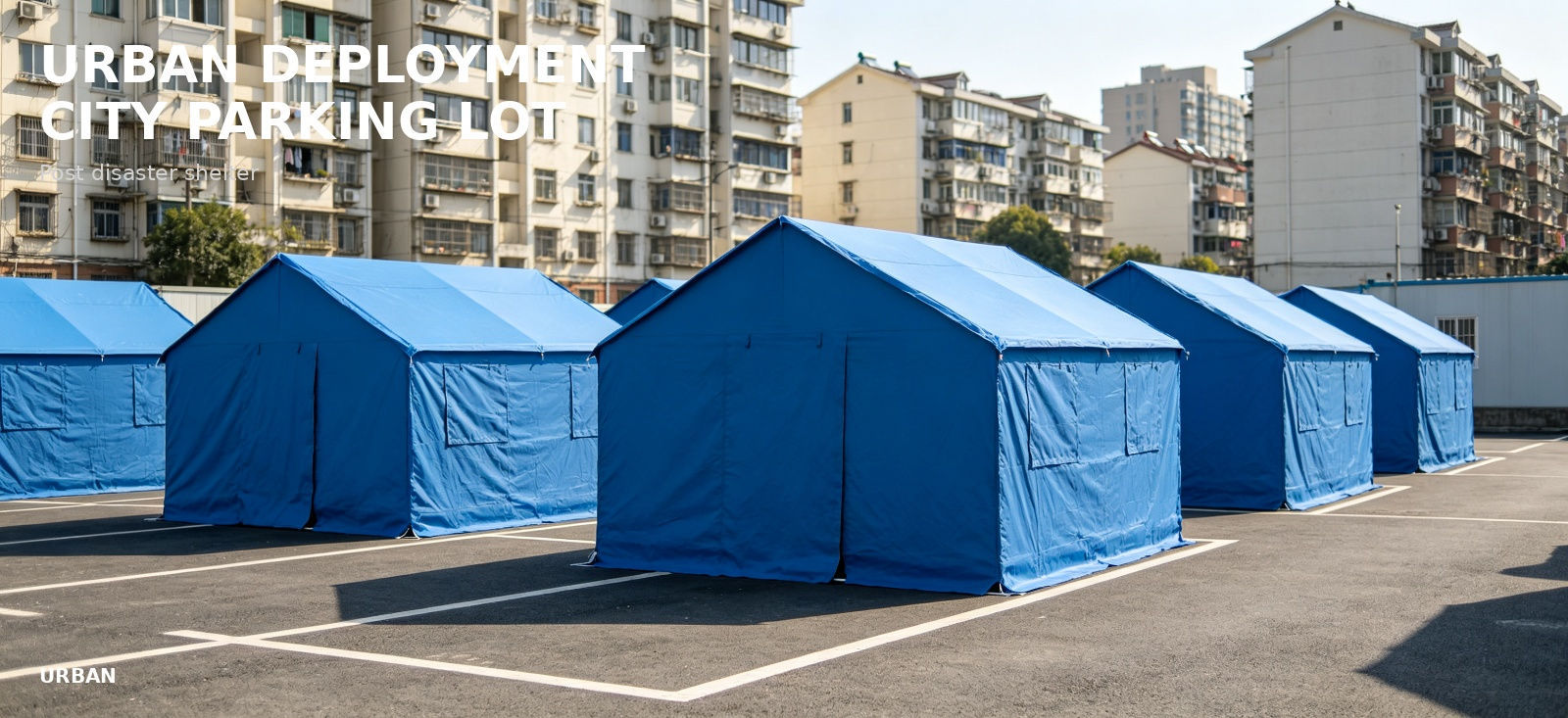
Note: Below parameters are standard reference values per national relief tent standard and common factory specifications, custom requirements are adjustable; all performance values are under standard test and correct anchoring conditions.

Recommended size: 3.2x3.7m / 3x4m standard relief tent, accommodates 4-6 people with beds.
Key parameters (standard grade): Q235 galvanized welded steel frame, Φ25mm pipe, wall thickness 1.0mm (±0.1mm tolerance), 420g/㎡ PVC coated polyester tarpaulin, hydrostatic head ≥500mm under standard test, wind resistance grade 8 (17.2-20.7m/s) under correct standard anchoring, 2 experienced workers can complete setup in 30-40 minutes.
Procurement note: Standard split packing for manual handling, includes complete guy lines and Φ16mm/30cm steel ground nails; custom agency printing available for stockpile projects. Meets common government relief tent basic requirements.

Recommended size: 6x8m / 8x10m large relief tent, accommodates 15-25 people.
Key parameters (standard grade): Reinforced galvanized steel frame, Φ32mm pipe, wall thickness ≥1.2mm, 550g/㎡ PVC coated tarpaulin, hydrostatic head ≥800mm under standard test, wind resistance grade 8 under correct anchoring, 4 experienced workers can set up in 45-60 minutes, standard snow load 0.1kN/㎡ (10kg/㎡), reinforced snow load version available for heavy snow areas.
Procurement note: Supports partition walls for separate areas, multiple doors and windows for ventilation; split batch delivery available for multi-location projects.

Recommended size: 4x6m / 5x10m modular command tent.
Key parameters (heavy duty grade): Heavy duty galvanized steel frame, Φ38mm pipe, wall thickness ≥1.5mm, 650g/㎡ ripstop PVC tarpaulin, hydrostatic head ≥1000mm under standard test, wind resistance grade 9 (20.8-24.4m/s) under correct anchoring, cold-resistant modified PVC grade available for -30℃ areas, flame retardant grade meets standard with test report (afterflame time ≤15s, damage length ≤150mm).
Procurement note: Supports interconnection between multiple tents, cable ports for communication equipment, custom olive green/desert colors and markings; spare parts package included for repeated deployment.

Recommended size: 4x6m / 6x6m medical support tent.
Key parameters (standard grade): Galvanized steel frame, Φ32mm pipe, wall thickness ≥1.2mm, light-colored easy-to-clean 550g/㎡ PVC tarpaulin, hydrostatic head ≥800mm, flame retardant grade, multiple ventilation points, smooth 400g/㎡ PVC ground sheet included.
Procurement note: Supports separate zones for triage, treatment and storage; cleanable interior surfaces, custom medical marking available; negative pressure function quoted separately per project requirement.

Recommended size: 6x12m / 8x15m storage shelter.
Key parameters (heavy duty grade): Heavy duty reinforced galvanized steel frame, Φ42mm pipe, wall thickness ≥1.8mm, 650g/㎡ heavy duty PVC tarpaulin, hydrostatic head ≥1000mm, large double door for forklift/pallet access, wind resistance grade 8 under correct anchoring, reinforced snow load version up to 0.3kN/㎡ available.
Procurement note: Reinforced ground points for securing shelving, optional translucent roof panels for daylight; long-term storage version includes anti-UV tarpaulin treatment.

Recommended size: 3x4m rapid deployment tent with quick connect joints.
Key parameters (standard grade): Quick connect galvanized steel frame, Φ25mm pipe, wall thickness 1.0mm, 420g/㎡ PVC tarpaulin, hydrostatic head ≥800mm, wind resistance grade 7 under correct anchoring, high visibility reflective markings available, 2 experienced workers can set up in 15-20 minutes with quick connect design.
Procurement note: Compact packing fits standard rescue vehicles, reflective strips for night visibility; designed for rapid on-site command and rest areas, not for long-term fixed deployment.

Map beds, personal storage, circulation, and entrances before converting the layout into usable internal space and tent quantity. Start with the general-relief option for straightforward temporary shelter. Compare the large humanitarian option when more occupants, zoning, or linked deployment is required. Provide users, bed layout, site, ground, and anchoring limits for each destination.

Beyond occupancy, state equipment movement, work positions and shifts, relocation frequency, cable or equipment provisions, available maintenance tools, and storage method. For military frame tents or army frame tents, confirm colour, layout, markings, anchoring, and spares separately. When procurement documents specify a military standard, certification, or other compliance requirement, identify the applicable option, test item, and required document before quotation.

For medical support, map people, equipment, supplies, and working circulation. For temporary storage, map cargo dimensions, stacking limits, loading access, entrances, and ground separation. Sharing this layout allows the supplier to confirm usable space and openings. If clean, isolation, negative-pressure, fire, temperature, humidity, or specialist storage conditions are required, confirm the included systems, test method, and acceptance documents at the same time.

Compare frame tents when the project needs framed support and a fully enclosed space. Compare inflatable tents when an inflatable structure and inflation equipment define deployment. Compare canopies when only open shade or a temporary work cover is needed. Each structure requires its own component, crew, tool, anchoring, repair, and acceptance plan.

Start with the tent option closest to the task, then compare the site, layout, components, and acceptance requirements. Once an option is shortlisted, ask the supplier to show deployed dimensions, usable internal space, frame and anchoring components, options, split packing, and document scope in the same quotation so alternatives can be compared on one basis.

Compare first when: the project needs straightforward temporary accommodation, field support, or institutional stockpiling. Provide before quotation: users or storage task, site, quantity, destinations, entrances, and anchoring requirements. Confirm: the complete set, deployed and internal space, split packing, and receiving-count method.

Compare first when: more beds, circulation, personal storage, or multiple functional zones must fit within an enclosed shelter. Provide before quotation: users, bed and zoning layout, available site, openings, groundsheet, anchoring, and packing by destination. Confirm: usable internal space, complete components, crew and tools, dismantling, and repacking. If setup time is an acceptance item, retain the same test conditions (number of experienced workers, tools provided, ground condition).

Compare first when: the site has an extended service period, frequent equipment movement, or planned relocation. Provide before quotation: equipment dimensions and flow, relocation frequency, ground and anchoring limits, maintenance capacity, and spare requirements. Confirm: frame and joint identification, anchors, return packing, and inspection of poles, joints, anchors, and body attachment points after repeated transport.

Compare first when: personnel, desk equipment, communications equipment, or work zones share one space, or several spaces must connect by task. Provide before quotation: positions, equipment, entrances, circulation, partitions, connections, cable or equipment provisions, colour, and markings. Confirm: operating flow, module interfaces, components, anchoring, identification, and split packing.

Compare first when: relief supplies, equipment, or rotating stock need temporary storage with loading and inventory access. Provide before quotation: cargo dimensions and stacking method, vehicle or manual handling, entrances, ground, drainage, storage period, and anchoring limits. Confirm: usable storage area, access clearance, ground separation, complete components, package identification, and receiving counts. Fire or environmental controls require separate project conditions.

Compare first when: a medical-support space must organize people, equipment, supplies, and working circulation. Provide before quotation: workflow, equipment and opening dimensions, zoning, ground treatment, planned cleaning, and documents. Confirm: layout, passage, complete components, and care requirements. Clean, isolation, and negative-pressure functions are separate system requirements with their own configuration and acceptance evidence.

|
Confirm |
Information to Provide |
How It Enters Quotation and Acceptance |
|
Task and tent choice |
People, equipment, operating task, and quantity |
Selected tent, quotation version, and approved sample |
|
Site and deployed boundary |
Available length, width, height, ground, clearance, and anchoring limits |
Site information, layout, and measurement basis |
|
Internal layout and openings |
Beds or equipment, circulation, entrances, windows, partitions, and work space |
Approved layout, deployed-dimension record, and deployment sample |
|
Frame and connections |
Frame sections, joint identification, erection sequence, and replacement scope |
Numbered part list, erection instructions, and complete sample |
|
Anchoring and ground interface |
Ground type, permitted anchoring, guy lines, and anchor scope |
Anchoring layout, component list, and site deployment check |
|
Body and performance |
Material construction plus water, flame, wind, snow, or low-temperature requirements |
Selected specification, agreed method, acceptance condition, and applicable document |
|
Deployment resources |
Agreed crew, tools, ground, and any setup-time requirement |
Complete deployment trial with conditions recorded (number of experienced workers, tools provided, ground type) |
|
Components and spares |
Standard, optional, excluded, repair, and replacement scope |
Signed component list, part identification, and packing list |
|
Packing and handling |
Split packing for body, frame, tools, and accessories plus handling limits |
Package count, dimensions, weight, and repacking record |
|
Marking and documents |
Destination, language, project marks, batch, and required documents |
Approved artwork, document list, and receiving references |
|
Frame pipe specification |
Galvanized steel pipe diameter and wall thickness |
Measure with caliper, standard wall thickness 1.0mm for 12㎡ relief, tolerance ±0.1mm; no pipe below 0.8mm wall thickness for structural use |
|
Joint material |
Reinforced nylon or cast iron joints |
Check load bearing, no recycled brittle plastic joints, part number marked for replacement |
|
Tarpaulin weight |
PVC coated polyester fabric gram weight |
Standard relief 420g/㎡, heavy duty 550-650g/㎡, actual weight ±20g/㎡ tolerance, no underweight fabric, UV treated for outdoor use |
|
Ground nail specification |
Length and diameter of steel ground nails |
Standard Φ16mm/30cm for normal ground, Φ18-20mm/40-45cm for soft/sandy ground, no thin short nails |
|
Seam treatment |
Heat welded or stitched taped seams |
Standard weld width ≥15mm, heavy duty ≥20mm, no needle holes leakage, waterproof test passed |

If an RFQ only says “waterproof required” or “flame resistant,” suppliers may interpret the material, applicable part, and test condition differently. A clearer requirement identifies the tent or part, operating condition, inspection method, acceptable result, and supporting document. Suppliers can then quote on the same basis, and receiving teams can apply one acceptance method.

YRF checks the selected tent against the available specification, sample, and document scope. For custom testing, lock the sample configuration, test item, and report purpose first. Bulk receiving then uses the same tent configuration, method, and acceptance condition so that the report, approved sample, and delivered batch remain aligned. All wind and snow load ratings are valid only under correct standard anchoring and ground conditions per manual; low temperature performance is tested under standard cold flex method, standard PVC remains flexible to -10℃, cold-resistant modified grade to -30℃.

Quality & Safety Red Lines (Acceptance Standards)
All frames use new Q235 hot-dip galvanized steel pipe, no recycled thin wall pipe below 0.8mm, no ungalvanized black steel; all joints are new reinforced material, no brittle recycled plastic.
Standard relief tents: Pipe wall thickness matches quoted specification within ±0.1mm tolerance; tarpaulin gram weight within ±20g/㎡ tolerance; all seams welded/taped no leakage under standard water test; all components present per numbered part list.
Heavy duty/repeated deployment tents: Frame passes dozens of assembly/disassembly cycles under correct operation without permanent deformation; joints pass load test no cracking; ground nails match quoted length/diameter for ground type; spare wear parts included per order size.
Flame retardant tents meet national standard: afterflame time ≤15s, damage length ≤150mm with test report; cold resistant grade tarpaulin remains flexible at rated temperature no cracking; wind/snow ratings valid only under correct full anchoring per manual.
Wind resistance grade: Tested under standard hard ground with correct full anchoring per manual; grade 8 resists 17.2-20.7m/s wind (standard relief grade), grade 9 resists 20.8-24.4m/s (heavy duty grade); always anchor fully per manual, wind rating void if anchoring is incomplete.
Hydrostatic head (mm H₂O): 500mm for light/medium rain short term standard relief use, 800mm for heavy rain all-weather use, 1000mm+ for torrential rain and long term heavy duty outdoor deployment.
Snow load: kN/m², maximum uniform snow weight the roof supports under correct frame installation; standard relief tents 0.1kN/㎡ (10kg/㎡), reinforced heavy snow area versions up to 0.3kN/㎡, always clear snow after heavy snowfall per manual.
Flame retardant standard: Fabric self-extinguishes after flame removal, afterflame time ≤15 seconds, damage length ≤150mm per standard test; not fire proof, keep open flame and heat sources away from tent fabric.
Hot-dip galvanizing: Steel pipe coated inside and outside with zinc layer to prevent rust, suitable for long term outdoor use and storage, far more durable than painted or electro-galvanized steel.
Standard sizes from 2x3m single tents up to 8x15m large storage shelters, custom dimensions accepted per project requirement; standard eave height 1.8-2.5m, custom peak height available for storage/medical use. Pre-production erection sample provided for confirmation before bulk production for large orders.

Structure: Single span, modular connected, partition walls, multiple doors/windows, cable ports, ventilation vents, side awning.
Fabric: 420g PVC for standard relief, 550-650g PVC for heavy duty, cold resistant/UV resistant/flame retardant grades available; PE fabric only for ultra low cost temporary projects quoted separately.
Frame: Standard galvanized welded pipe, reinforced heavy duty frame for high wind/snow areas, quick connect joints for rapid deployment.
Color: Olive green, orange, white, blue, desert tan, custom Pantone color per project; custom logo/agency printing available with buyer authorized artwork.
Accessories: Ground sheet, rain gutters, interior lighting hooks, partition curtains, spare parts kit, repair tape, carry bags.

Standard stock size MOQ 10 sets; custom size/printing MOQ 50 sets; special large custom projects quoted separately.
Sample lead time: 5-10 working days for standard custom sample. Bulk lead time 15-30 working days after pre-production sample confirmation, exact lead time based on order quantity and customization; standard size emergency orders can be scheduled for production within 72 hours subject to factory schedule.
Sample policy: We provide free specification sheet, formal quotation and sample application guide. Sample fee is quoted separately based on exact size, specification and customization requirements; sample fee and courier cost are prepaid by buyer, sample fee is non-refundable.
Certification & inspection: Support SGS/BV/Intertek pre-shipment inspection and full erection test, inspection fee quoted per requirement; relevant test reports and certificates can be provided per project request, certification costs are borne by buyer if special third-party certification is required. We can produce per required military/government standard and provide test reports, we do not claim official military/government supplier status.
After-sales: Standard products cover manufacturing defects; illustrated setup manual and installation video provided; batch samples retained for 3 years for repeat order traceability; spare parts available for reorder with part numbers.

Tarpaulin and fabric parts fully dry, folded and packed in woven bags with desiccant to prevent moisture; steel frame parts bundled with anti-rust wrapping, numbered per part list; small components (nuts, bolts, pins, spares) packed in sealed labeled bags, 1 spare parts bag per large order. Package weight optimized for manual or forklift handling, custom packing available per project.

Store in dry, ventilated warehouse away from direct sunlight and corrosive chemicals; ensure tarpaulin is completely dry before long term storage to prevent mold; do not stack heavy items on fabric packages; inspect frame for rust and fabric for aging annually for stockpiled tents. PVC tarpaulin remains usable for 3-5 years under proper dry storage, galvanized frame for 10+ years.
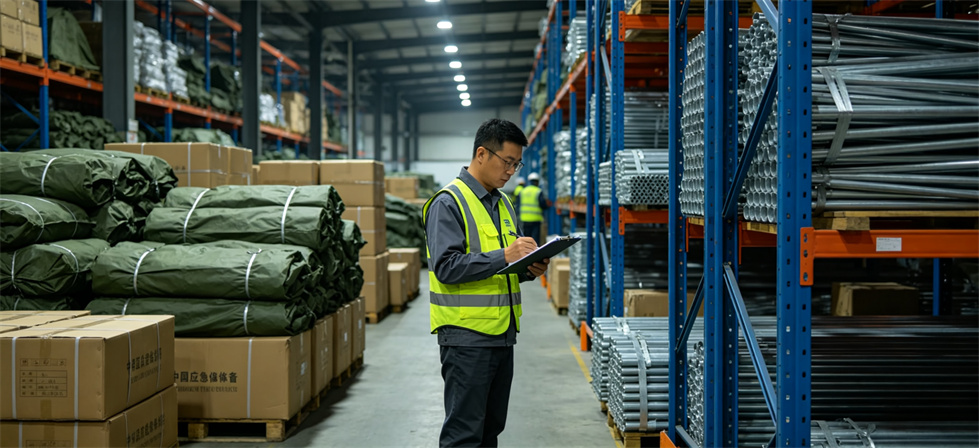
All packages marked with set number, part number, destination, quantity and handling marks. Multi-site or multi-destination orders use color-coded labels or separate packing lists to avoid mixing; each destination is packed separately with full address labels, complete set-by-set packing list provided for each consignment.
Before erection, lay out every package and check the body, frame sections, joints, guy lines, anchors, tools, spares, and storage items against the numbered part list. During deployment, use the agreed number of experienced workers, standard tools, and representative ground expected at the site and record unpacking, sorting, connecting, anchoring, inspection, and completion conditions. After dismantling, count everything again and restore the agreed packed form. This exposes unclear parts, an unsuitable sequence, missing tools, incompatible anchoring, or a packing volume that cannot be recovered before mass production.
A repeat order is not controlled by product name alone. Compare the approved specification, layout, components and spares, labels, split packing, test documents, and written changes in one difference list before reusing the previous order basis.
Check the site first: record the tent outline, usable internal space, and actual operating footprint separately. The site footprint also includes entrance working zones, guy lines and anchors, drainage or protection clearance, vehicle or equipment access, and crew space during erection. Plan the layout from the complete operating footprint rather than nominal tent length and width alone. Add ground type, perimeter clearance, permitted anchoring, and erection restrictions to determine orientation, spacing, and anchor scope.
Run deployment next: use the complete set and agreed crew and tools, recording unpacking, sorting, frame connection, body installation, anchoring, openings, and internal layout until the tent reaches the agreed inspection state. If setup time is an acceptance item, retain crew number, tools, ground, and start/end conditions in the same record.
Record in the approved sample: keep the tent configuration, deployed and internal dimensions, frame and joints, anchor layout, component quantity, options, labels, split packing, and exceptions in one approved record. Bulk goods can then match the same record instead of relying on separate specification, sample, and packing descriptions.
Dismantle, inspect, and repack: after the body reaches the agreed dry or clean condition, check poles for deformation, joints for damage, anchors and guy lines for loss, and body attachment points for repair. Return parts by identification, then record the folding sequence, packed-form recovery, and any component removed from service. Repeated-deployment projects should also define how wear parts, repair materials, and replacements are identified, packed, and replenished.
Transport and storage: list package count, dimensions, weight, handling requirement, and set-level identification separately for the body, frame, tools, and accessories. Calculate container loading only after packing data and order mix are fixed; verify the repacked volume during the sample dismantling trial.
Bulk receiving: start with product and batch documents, outer packing, set quantity, and split-package relationship. Then use the agreed sampling plan to check components, identification, deployed dimensions, frame connections, openings, anchoring, and repacking. Isolate and record any missing, incorrect, or batch-inconsistent set against its package and batch before it enters field distribution.

Provide the operating task, users or equipment layout at each site, site and ground conditions, quantity, destinations, and preferred option. Include any available dimensions, anchoring limits, performance documents, labels, packing, or acceptance requirements. Undecided items can be confirmed during quotation and sample review.
Start with a general-relief option for a defined task and relatively simple temporary layout meeting standard relief specification. Compare a heavy-duty option for extended service, repeated erection, high wind/snow areas or frequent equipment movement. Prioritize a modular option when the project needs zoning, connected spaces, or a defined personnel and equipment layout. Confirm the final choice against the site, component list, and complete erection sample before production.
Compare the required supporting structure, deployment resources, site tools, anchoring, repair method, and packed transport. Use a frame-tent route where a rigid, checkable structure is required for long term use and repeated deployment. Compare inflatable tents where rapid deployment with minimal labor is priority and air source equipment is available.
The same number of users may require different space for beds, equipment, supplies, circulation, and openings. Complete the layout first, then confirm external deployed dimensions, usable internal dimensions, openings, and site clearance with a stated measurement basis.
Number the body, frame sections, joints, guy lines, anchors, groundsheet, tools, repair items, and storage pieces, marking each as standard, optional, or excluded. Give the body, frame, tools, and accessories corresponding set and package identification, and state how many packages form one set in the packing list. Use the same relationship for counts before and after sample deployment and during bulk receiving.
Identify joints, anchors, guy lines, body repair tape, or other parts that require maintenance, then agree the spare name, quantity, packing position, and reorder part number. We include 5-10% spare wear parts standard for large repeated-deployment orders, individual parts available for reorder by part number.
Compare layout, site, anchoring, performance, labels, language, and packing by destination. Common parts may be produced together, while differences should receive separate product or package identification, quotation lines, and carton marks.
These names describe the task, but quotation still requires structure, layout, components, performance, markings, documents, and acceptance. Military standards, official adoption, clean, isolation, or negative-pressure requirements must be stated separately and supported for the selected configuration; we can produce per required standard and provide test reports, we do not claim official military/government supplier status.
Separate testing normally takes about 10–15 working days, subject to the product, test items, sample preparation, and laboratory schedule. Lock the submitted configuration, test method, report purpose, cost, and timing at quotation stage, with the reported tent configuration aligned to the purchasing specification.
Sample fee is quoted separately based on exact size, specification and customization requirements; sample fee and courier cost are prepaid by buyer, sample fee is non-refundable. We provide free specification sheet, formal quotation and sample application guide. Standard sample preparation is normally about 5–10 days; actual sample timing and bulk lead time depend on structure, customization, quantity, components, packing, and order schedule.
Yes. Mixed size/style orders are accepted; each size/style is separately packed and clearly marked with set numbers, itemized packing list provided per SKU to avoid site mix-ups.
Custom logo/text printing is available per buyer's authorized artwork; we do not claim official partnership with any agency, only provide custom marking service for buyer's project use.
When stored in cool dry conditions with original packaging and desiccant, PVC tarpaulin remains usable for 3-5 years, hot-dip galvanized frame for 10+ years; we recommend annual inspection for fabric aging and frame rust.
We provide required test reports, factory qualification documents, inspection records and full tender document support, can customize parameters to match tender specifications, and support third-party factory audit.
Every set includes illustrated step-by-step setup manual with numbered parts matching the component list; installation video available on request, remote guidance provided for large project field setup.
Shipment from major ports in China, customer-nominated port supported. Trade terms EXW/FOB/CIF available, DDP evaluated for selected destinations only.
Under correct operation, proper storage and no overloading, hot-dip galvanized heavy duty frame can be assembled/disassembled dozens of times without permanent deformation; tarpaulin life depends on use and storage conditions, repair tape included for small damages.
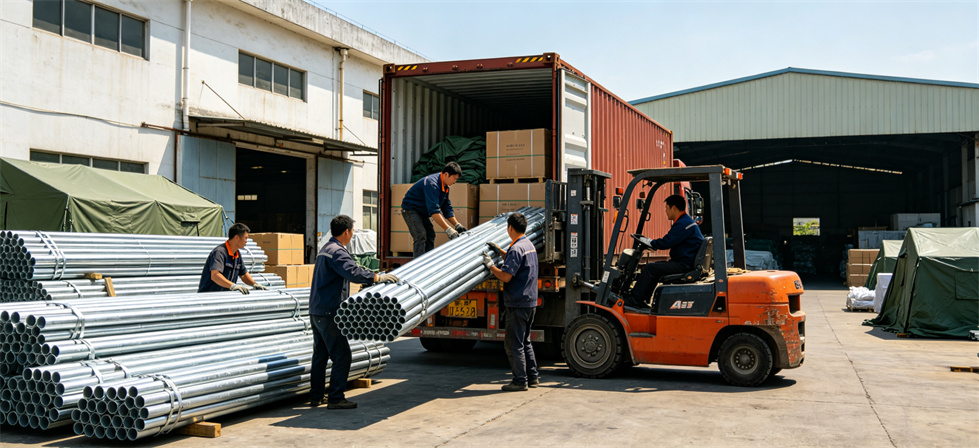
YRF first confirms the tent suited to the task, then organizes 5 results: tent and specification confirmation, layout and deployment conditions, complete components and spare scope, split packing and destination marking, and sample and acceptance documents. The quotation separates body, frame, accessories, packing, and document scope. Any project-specific performance or specialist function is assigned to the applicable tent with its confirmation method and completion point.
1. Operating task; 2. users, equipment, or bed layout at each site; 3. site dimensions, ground, and anchoring limits; 4. quantity and destinations; 5. preferred tent option; 6. material, performance, and document requirements; 7. components, spares, labels, and packing; 8. sample, deployment, and receiving method. If the information is incomplete, submit the known items first and use the quotation checklist to identify the next decisions.
|
Get full specification sheet, formal quotation and sample application guide within 24 hours. |
 |
YRF Textile · 20 Years Emergency Relief Manufacturer
Enlaces amistosos :
Derechos de autor © Custom Disaster - Relief Bedding: Tents, Sleeping Bags, Blankets Reservados todos los derechos
el equipo profesional al servicio !