|
|
|
|
|
|
|
Why buyers choose YRF Textile: China-based supplier | 20+ years of industry experience | OEM and ODM customization | Bulk wholesale pricing | Wide range of rescue rope options | Export to 50+ countries |
|
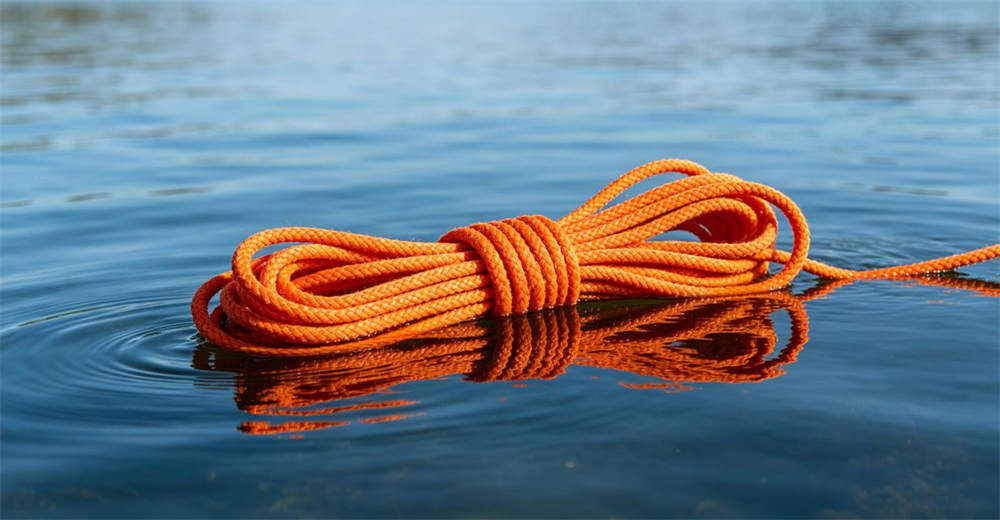
When someone is caught in flood water, every second counts. A water rescue rope that floats on the surface is the fastest way to reach them from the bank. But not every rope works in moving water. A climbing rope sinks. A thin utility rope snaps. The wrong choice puts the rescuer at risk too.
Our floating flood rescue rope and rescue rope bag products are built specifically for water rescue. They float, they are bright, and they hold up when pulled tight. Rescue teams, civil defense units and training centers around the world rely on them when minutes matter.
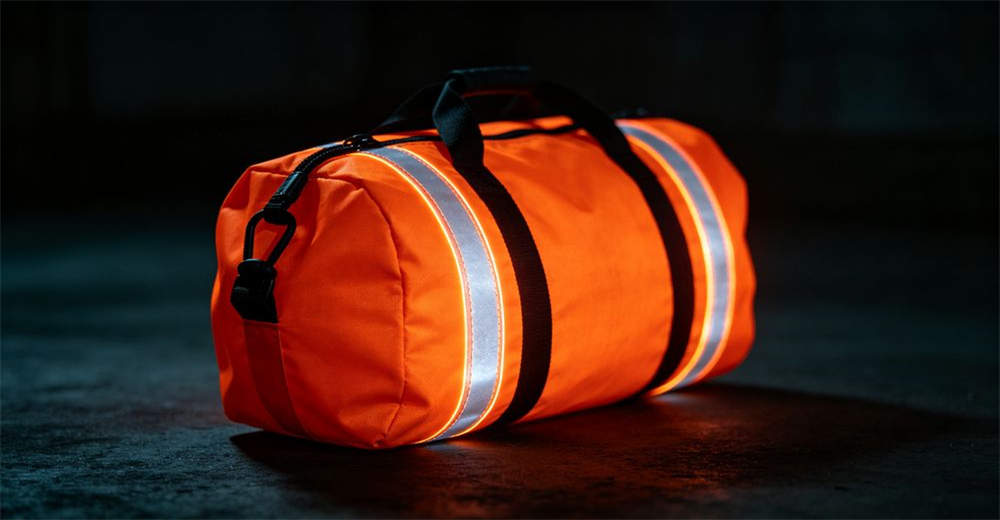
We are a wholesale supplier based in China with over 20 years of experience in rescue and emergency equipment. We work with distributors, government agencies and NGO programs. Our wholesale rescue rope and throw bag options give you a reliable gear source for any water rescue operation.
Here is what buyers usually tell us they worry about. Will the rope break when someone grabs it mid-current? Will the bag throw far enough across a flooded street? Will the team find the rope at night when visibility drops to almost zero? These are real concerns. The right equipment answers all three. The wrong one leaves you guessing.
|
1 |
Model Range and Types |
11 |
Oxtail Rope Tether System |
|
2 |
How to Choose the Right Rescue Rope |
12 |
Product Detail Gallery |
|
3 |
Floating Rope vs Static Rescue Rope |
13 |
Specifications and Dimensions |
|
4 |
Water Rescue Floating Rope Guide |
14 |
Maintenance and Care |
|
5 |
Application Scenarios |
15 |
Custom and OEM Services |
|
6 |
Core Technical Features |
16 |
Wholesale and Bulk Order |
|
7 |
Nylon vs Polyester vs Blend |
17 |
Industry Applications |
|
8 |
Diameter and Length Selection |
18 |
About Our Company |
|
9 |
Color and Reflective Options |
19 |
Frequently Asked Questions |
|
10 |
Throw Bag Rescue Techniques |
20 |
Get Your Quote |
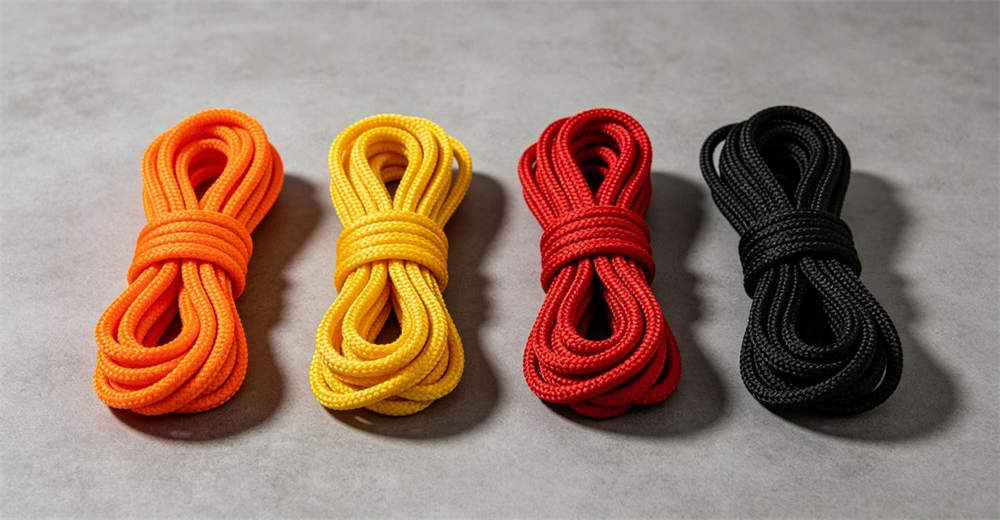
Our water rescue rope product line covers four main categories. Each serves a different role in a rescue operation. Understanding the difference helps you pick the right gear for your team and avoid costly mismatches.
The first question buyers usually ask is: what is the difference between these ropes? The answer depends on who is doing the rescuing, what water they are in, and what time of day it is. A small-town volunteer team needs something different from a professional swift water rescue unit.
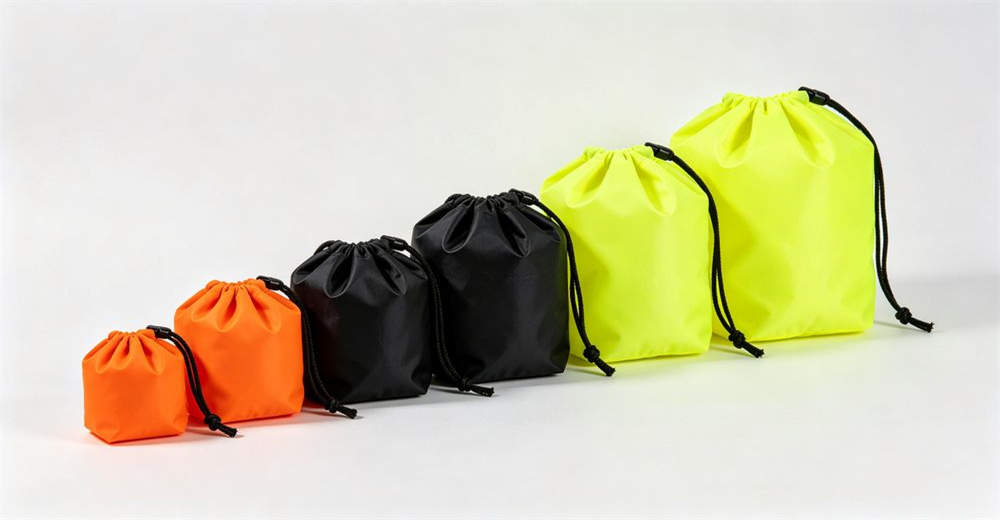
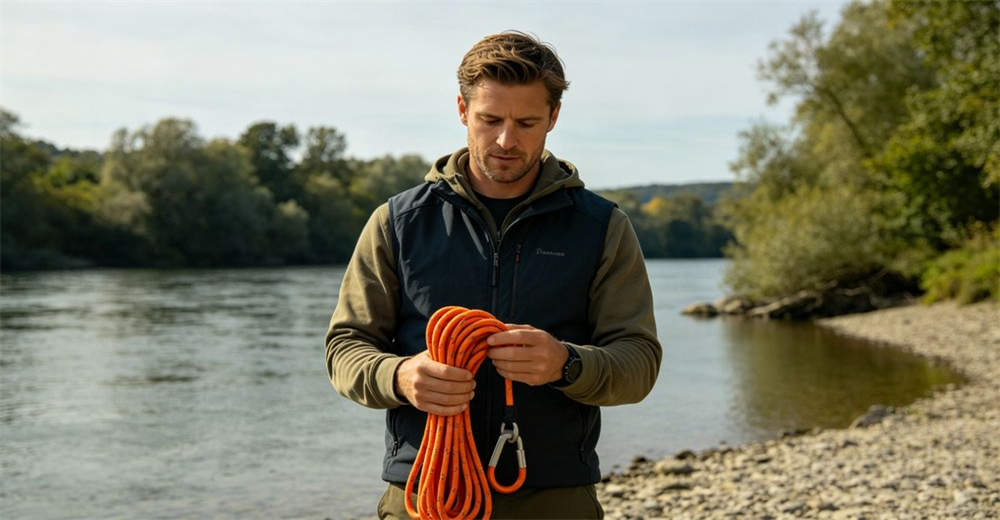
Picking the right rescue rope is not just about thickness. It is about matching the gear to the mission. The wrong rope can mean a throw that falls short, a line that snaps under load, or a rescuer who cannot be pulled back to safety.
Calm flood water in a city street needs a shorter, lighter rope that throws easily from a balcony or car roof. Fast-moving river current demands a stronger rope that can handle sudden shock when the victim's weight hits the line. If you work at night or in heavy fog, the reflective model is not a luxury. It is a safety requirement.
Many teams start with one size and end up adding more. A typical city flood team might buy 30m throw bags for street-level work. They then add 50m ropes for riverbank operations and a few oxtail tethers for the lead swimmers. Mixing sizes in one order saves time and covers more scenarios.
A trained swift water rescue technician can handle a heavier 12mm rope with confidence. They know how to coil it, how to throw it, and how to read the current. Newer volunteers and community responders benefit from a lighter 8mm rope that throws farther and is easier to manage under stress.
For training centers, a range of diameters works well. Students learn on thinner ropes first, then move to heavier loads as their technique improves. This progressive approach builds both skill and confidence.
A throw bag works well for quick, repeated throws from the bank. It sits ready on the truck, and the rescuer can grab and throw in seconds. A coiled rope works for boat-based rescue where there is more space and setup time. An oxtail tether is for the rescuer themselves, connecting them to a main safety line before they enter the water.
One thing teams often overlook: how the rope packs back up after a throw. A tangled rope means a slow second throw. Practice packing the bag so the rope pays out smoothly every time. This habit saves lives in the real moment.
Another common mistake is buying one rope type for every mission. A flood rescue rope that works for street-level water may be too light for a swollen river. A swift water rescue rope that holds up in current may be overkill for a swimming pool. Match the gear to the mission, not the other way around. If you are not sure where to start, tell us your typical water depth, current speed and team size. We will suggest a starting point.
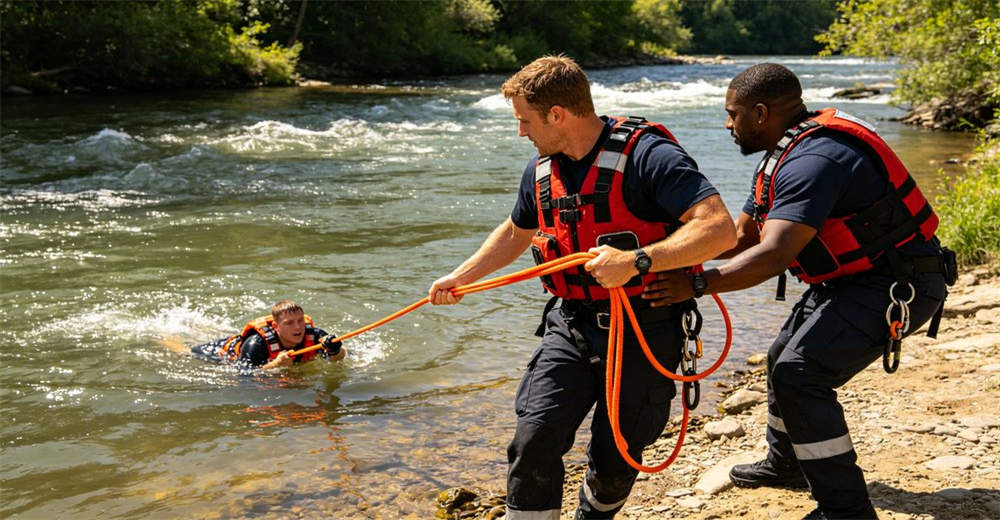
One of the most common questions we get is about the difference between a floating rescue rope and a static rescue rope. They look similar in cross-section. They even feel similar in the hand. But they are built for completely different jobs.
A static rescue rope is designed for rock climbing, rope access and industrial rigging. It is dense, low-stretch, and does not float. When it hits water, it sinks immediately. In a river or flood zone, a sunken rope is invisible. The victim cannot see it. The rescuer cannot track where the line goes. It becomes a hidden entanglement hazard instead of a rescue tool.
A floating rescue rope is built for water. It uses lightweight fibers that sit on the surface. It is bright orange or reflective, so both the rescuer and the victim can see it at a glance. It has controlled stretch that absorbs shock without wasting too much of the pull. This is what you need for flood rescue, swift water operations and boat work.
The bottom line: if your operation involves water, you need a floating rope. If it involves climbing or vertical work, you need a static rescue rope. Never mix the two. Never use a climbing rope in a river. Never use a floating rope for load-bearing climbing work.
Choosing between a floating rope and a static rescue rope comes down to one simple question: will the rope touch water? If the answer is yes, you need a floating rope. If the answer is no, a static rescue rope works fine. Here is a side-by-side comparison to help you decide quickly:
|
Feature |
Floating Rescue Rope |
Static Rescue Rope |
|
Floats on water |
Yes, stays on surface |
No, sinks immediately |
|
Primary use |
Flood rescue, swift water, boat work |
Rock climbing, rigging, rope access |
|
Visibility |
Bright orange or reflective |
Often dark colors |
|
Elongation |
Low, controlled stretch |
Designed for static loads |
|
Safety risk |
Visible and grabbable in water |
Invisible under water, entanglement hazard |
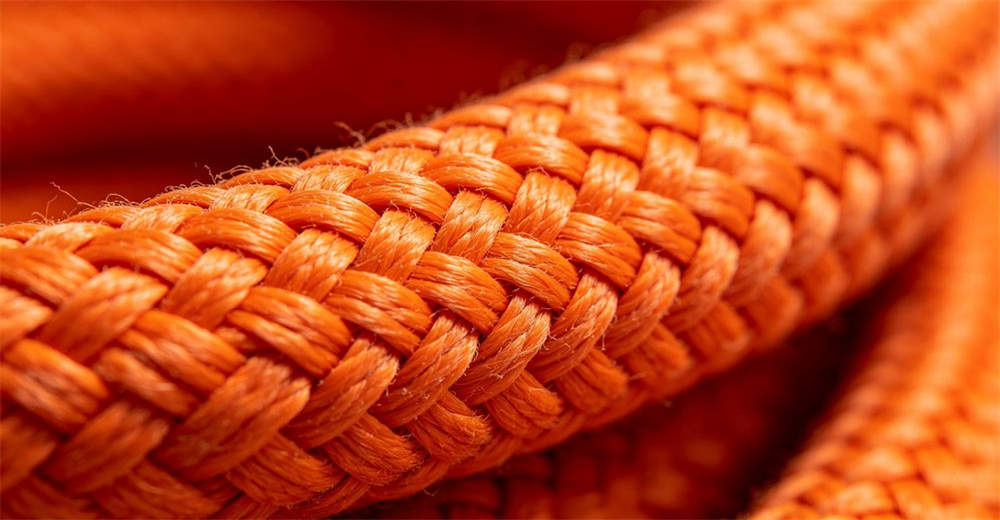
The water rescue floating rope is the core tool in any throw-bag system. Its job is simple: stay on the surface, stay visible, and hold up when pulled tight. But there is more to a good floating rescue rope than just buoyancy.
If a rope sinks, the person in the water cannot see it. Panicked victims in moving water are not looking for a rope under their feet. They are looking for something on the surface they can grab. A floating rope sits right where they are already looking. This cuts rescue time from minutes to seconds.
This matters even more at night. A sunken rope at night is completely invisible. A floating rope with reflective marking catches flashlight beams and shows up as a bright line across the water surface.
A rope that stretches too much absorbs the pull from the rescuer. When the victim is being pulled to safety, you want the force to go directly into moving their body forward. Excess stretch means the rope is acting like a spring instead of a line. The rescuer pulls, the rope stretches, and nothing moves.
Low elongation also means the rope responds instantly. If the victim changes position or the current shifts, the rescuer can adjust the pull without waiting for the stretch to settle.
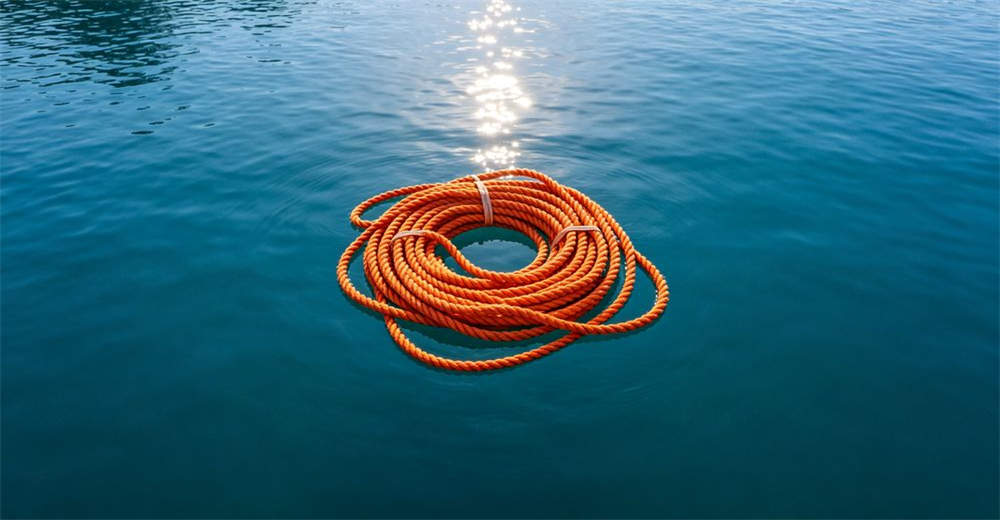
Rescue rope rubs against rocks, concrete embankments, boat hulls and bridge abutments. Every rub weakens the outer fibers over time. A rope with poor wear resistance starts to fray after a dozen rescue operations. A good floating rescue rope keeps its strength and appearance through hundreds of throws and pulls.
Wear resistance also matters for training use. Training centers run dozens of throws per day. A rope that falls apart after two weeks of drills is not a cost saving. It is a liability.
Quality floating rescue rope should pass three basic tests. First, a breaking strength test that confirms the minimum load the rope can handle before failure. Second, a buoyancy test that proves the rope floats after 24 hours in water. Third, an abrasion test that measures how much strength the rope loses after repeated rubbing against concrete.
Ask your supplier for test results before you commit to a bulk order. Reputable suppliers will provide documentation. If a supplier cannot show test data, that is a warning sign. For procurement teams running tender programs, test reports are often required in the bid documents. We can help arrange the documentation you need to meet those requirements.
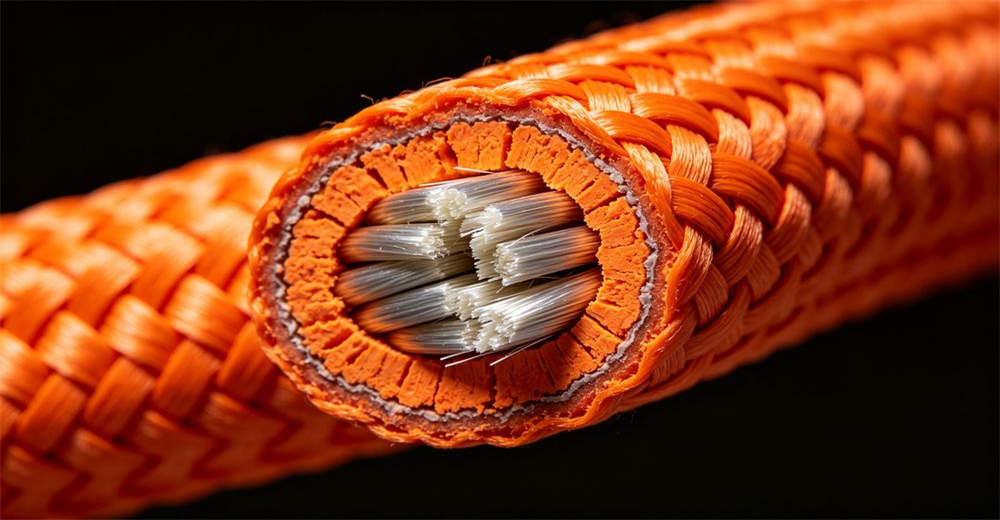
Floating flood rescue rope and throw bag rescue tools show up in many real-world situations. Here are the most common ones, and what makes each scenario unique.
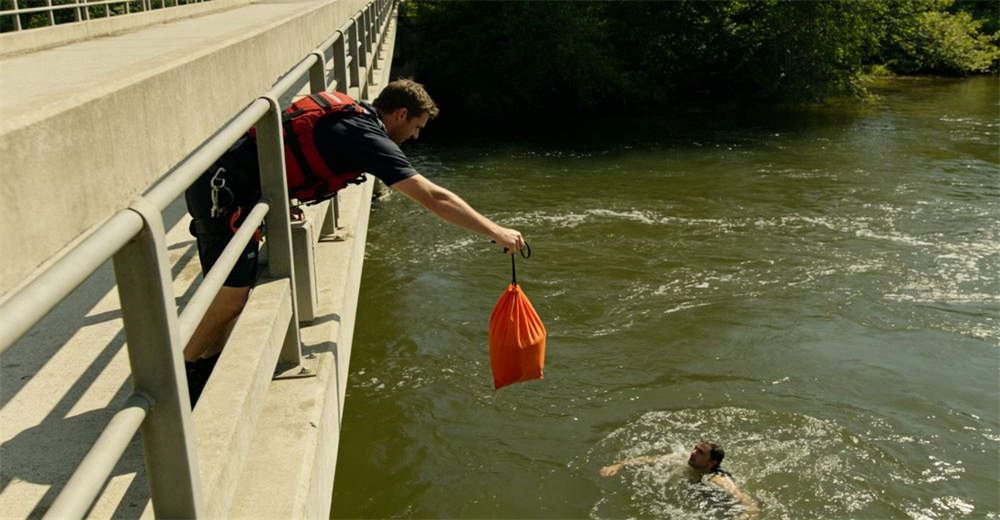
When a city street turns into a waist-deep river, residents may be trapped on second-floor balconies or on car roofs. Rescuers stand on higher ground and throw a floating rope bag across the water. The victim grabs the line and is pulled to safety. A 30m to 50m rope covers most street-width gaps.
In fast-moving river current, a throw bag alone is not enough. The rescuer wears an oxtail tether connected to a main belay line on the bank. A second rescuer throws the bag to the swimmer. The team on the bank manages the belay, while the rescuer in the water guides the victim to safety.
Hotels, camps and public pools keep throw bags on the edge for quick response. If someone falls in, a staff member grabs the bag and throws it. No need to jump in. The floating rope reaches the victim and pulls them to the side.
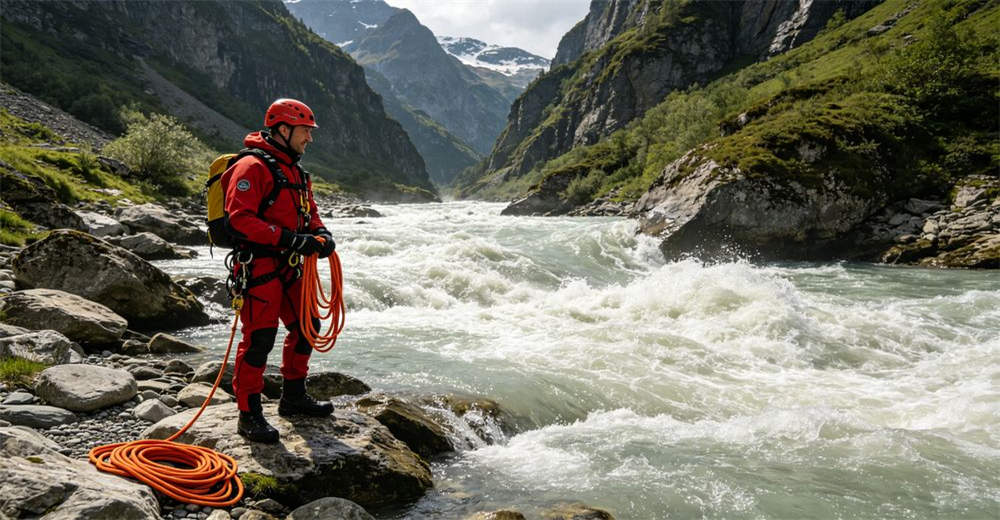
Ferry terminals, fishing docks and marina operators keep floating ropes on hand. If someone falls off a dock, the rope bag reaches them faster than a boat can launch. The 316 stainless steel D-ring also lets the rope attach to a cleat or rail for hands-free rescue.
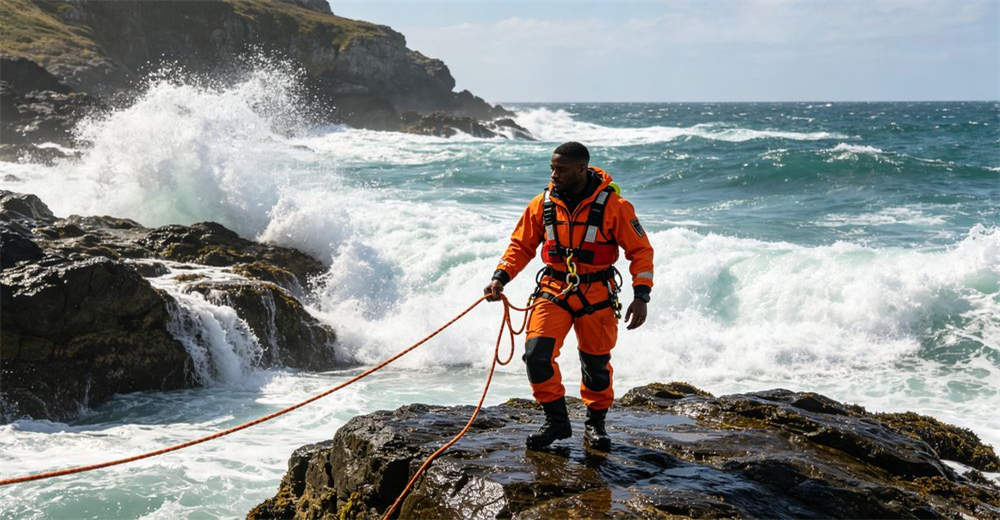
Rescue academies and military training centers buy in bulk because they go through ropes fast. Students practice throwing, coiling, belaying and recovery. A range of diameters and lengths lets trainers match the gear to each skill level.
Dam operators, water treatment plants and reservoir sites keep rescue ropes as part of their site safety kit. Workers may need to reach a colleague who has fallen into an intake channel or retention pond. A floating rope on the shore edge is the fastest first response.
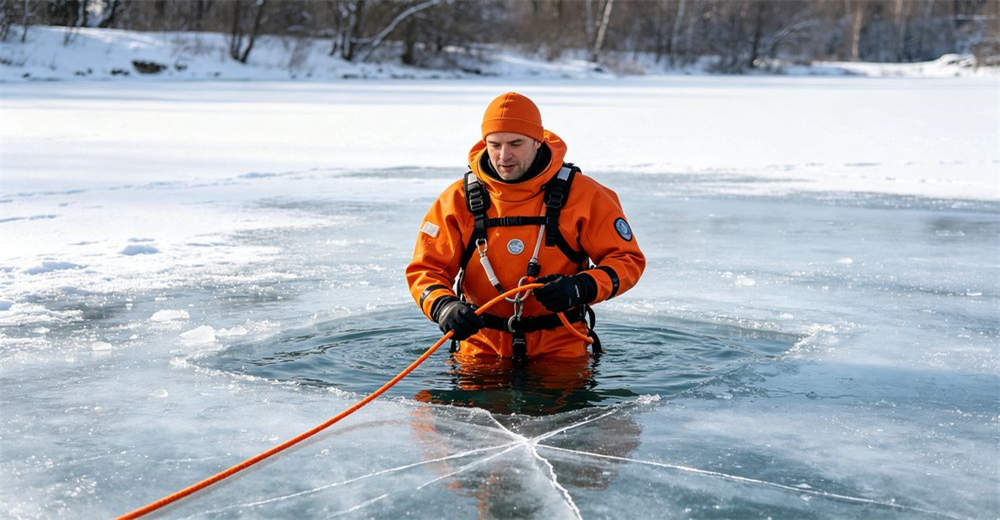
Half of serious flood response calls come after dark. When the power goes out and the streets fill with water, visibility drops to almost nothing. A reflective floating rope becomes the only visible line between the rescuer and the victim. The luminous marking gives an extra edge when flashlights die or run low on battery.
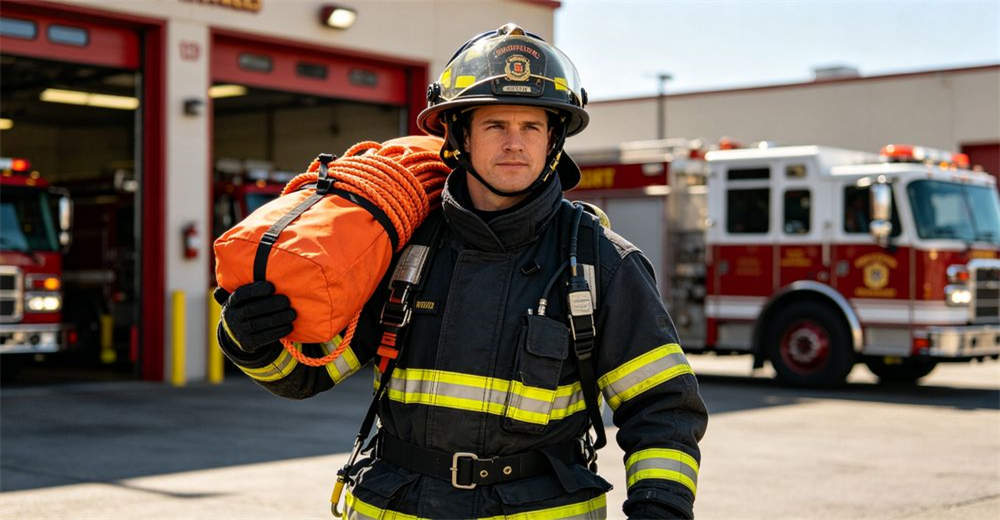
Heavy rain can turn a city underpass or subway entrance into a deep pool in minutes. Commuters may be stranded on a median divider or trapped inside a stalled bus. Rescuers on higher ground throw a flood rescue rope across the water to reach them. The floating rope stays visible on brown murky water, which is why orange is the standard choice for urban flood rescue rope operations.
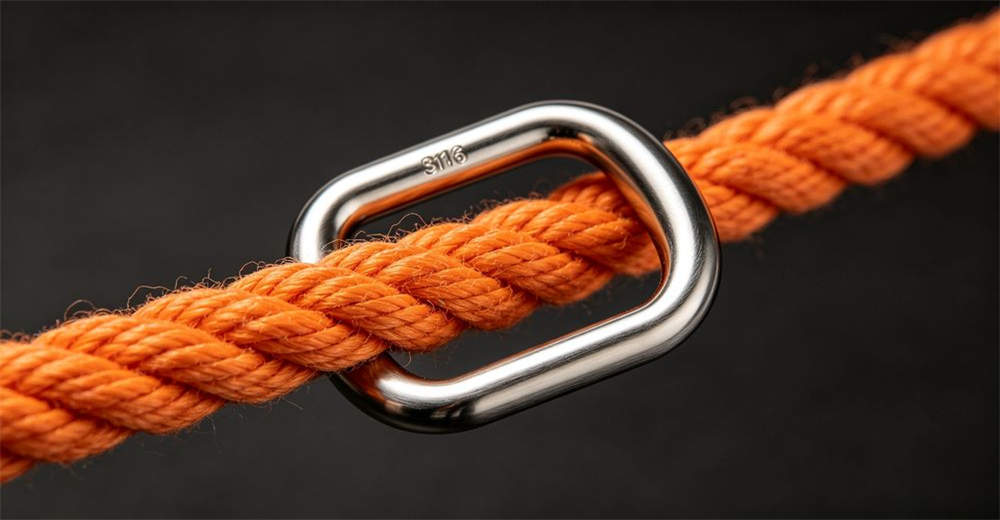
Workers on bridges, piers and ferry terminals sometimes slip and fall into the water. Colleagues on the deck do not need to jump in. They grab a throw bag from the emergency station and toss it over the rail. The bag lands on the water right next to the fallen worker. The worker grabs the rope and is pulled up to safety by people on deck. A 20 to 30 meter rope is enough for most bridge and dock heights.
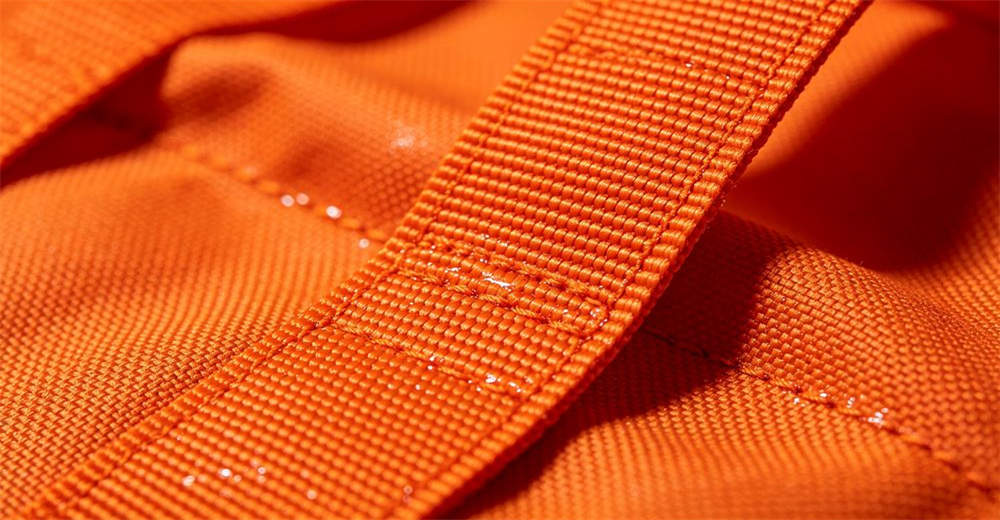
Lifeguards, waterfront clubs and kayak rental shops keep throw bags on hand for swimmers who get tired or pulled out by a current. A throw bag rescue reaches a struggling swimmer faster than the guard can swim out. The floating rope also doubles as a safety line for docking small boats and kayaks. Many community pools keep a bag by the lifeguard chair as standard safety equipment.
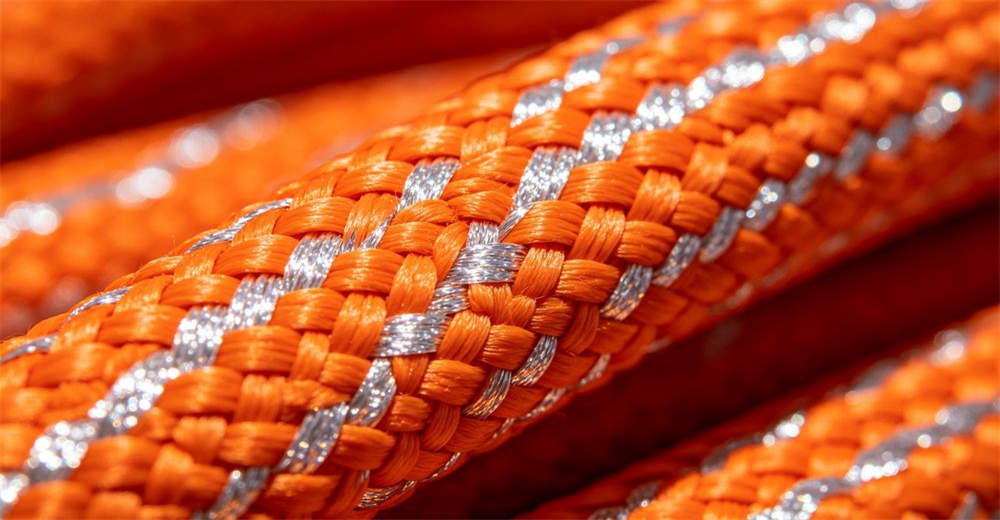
Schools with rowing teams, swimming programs or outdoor education courses keep floating rescue ropes as part of their water safety kit. Coaches teach students how to use a throw bag as part of basic water safety training. A 20m to 30m rope is enough for most school pool and lake settings. Having the right equipment on hand also shows parents and inspectors that the school takes water safety seriously. We supply schools and universities with wholesale rescue rope packages tailored to their sports programs.
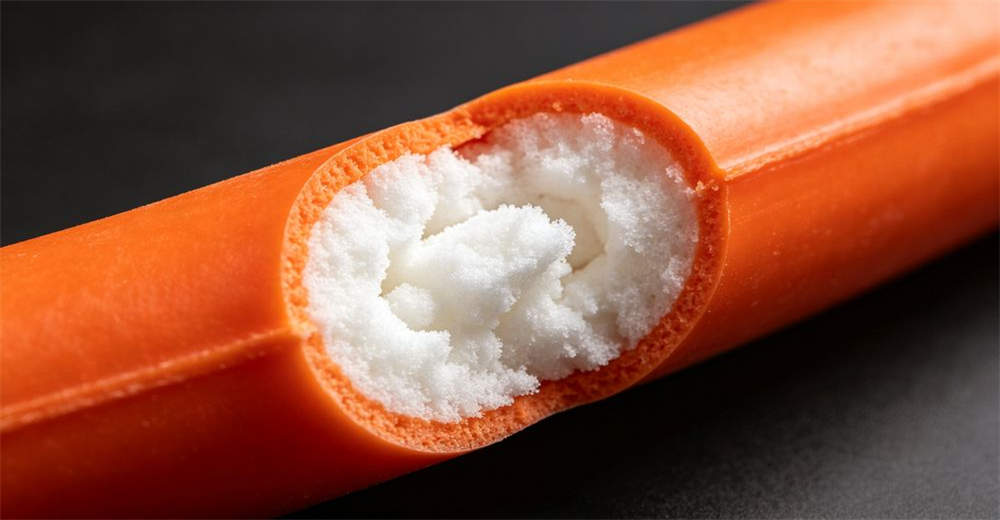
Flash floods in narrow canyons rise fast. Hikers who did not check the weather can find themselves waist-deep in raging water within minutes. Rescue teams working in mountain terrain need a lightweight flood rescue rope that they can carry on their back during the hike in. A 30 to 50 meter floating rope fits in a compact throw bag. The bright orange color shows up clearly against grey rock and whitewater. When a life is on the line, a dependable rope that holds when it needs to matters more than any other piece of gear.
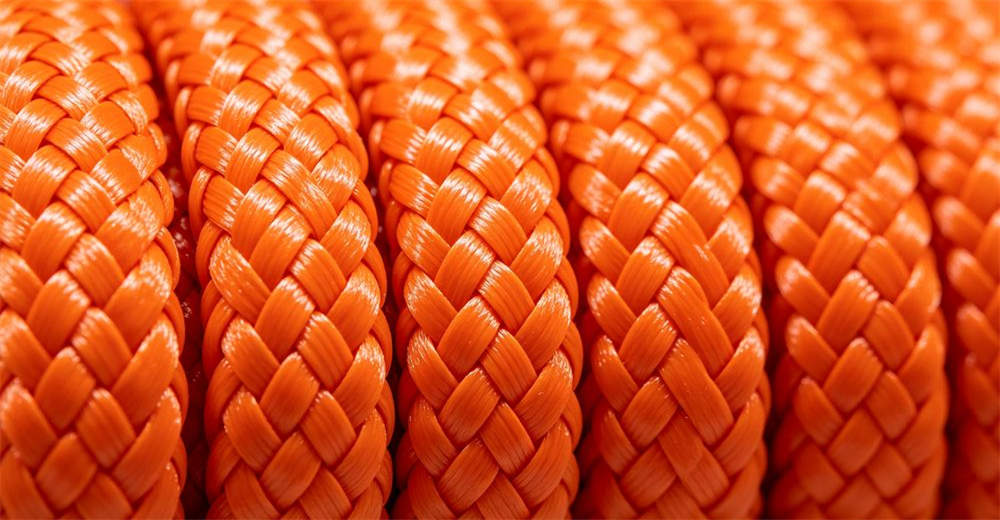
Rocky coastlines hide strong currents and sneaker waves. Surfers, tide-pool visitors and fishermen sometimes get pinned against the rocks by the surge. Teams on the shore throw a swift water rescue rope across the whitewash. The bag has to land in a narrow gap between rocks. A compact, well-balanced throw bag reaches farther and lands more accurately in these tight spots. The 316 stainless D-ring handles saltwater exposure without rusting. For coastal teams, corrosion resistance is a vital detail that cheaper ropes cannot match.
Rescue teams worry about the rope breaking mid-pull. We build our floating rescue rope to a minimum breaking strength of 12kN for standard diameters, which means it holds well beyond the weight of a single adult body in moving water. They worry about the throw falling short. Our CORDURA throw bag balances weight and density for a longer, more accurate throw. They worry about the rope sinking in murky flood water. Our floating rope stays on the surface, visible and ready to grab. These are not marketing claims. They are the reasons teams come back to reorder.
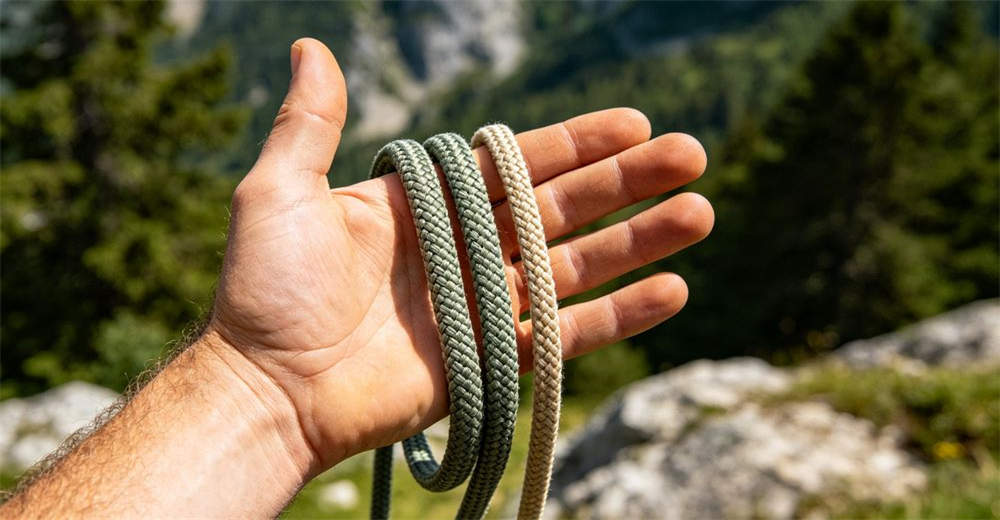
Each feature on our rescue rope bag and floating rope serves a specific purpose. These are not cosmetic extras. Each one plays a vital role when a team is trying to save lives in fast-moving water. Here is what they do and why they matter in a real rescue moment. Getting these details right is critical, because there is no second chance when the current is running fast.
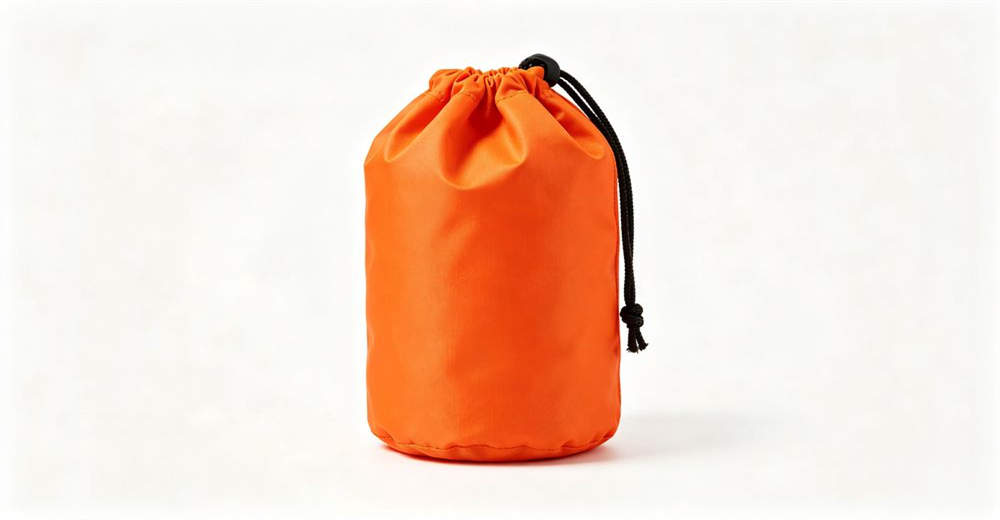
The D-ring is the attachment point on the throw bag. 316 stainless steel is a marine-grade alloy that resists corrosion from saltwater, mud and chemicals. Cheaper steel rings rust and seize up over time. A seized ring means you cannot clip the bag to a harness or boat rail when you need it most.
CORDURA is a tough, waterproof nylon fabric designed for military and outdoor gear. It handles repeated throwing, dragging and dragging over rough ground. The bag keeps the rope dry inside and survives being tossed onto rocks or concrete without tearing.
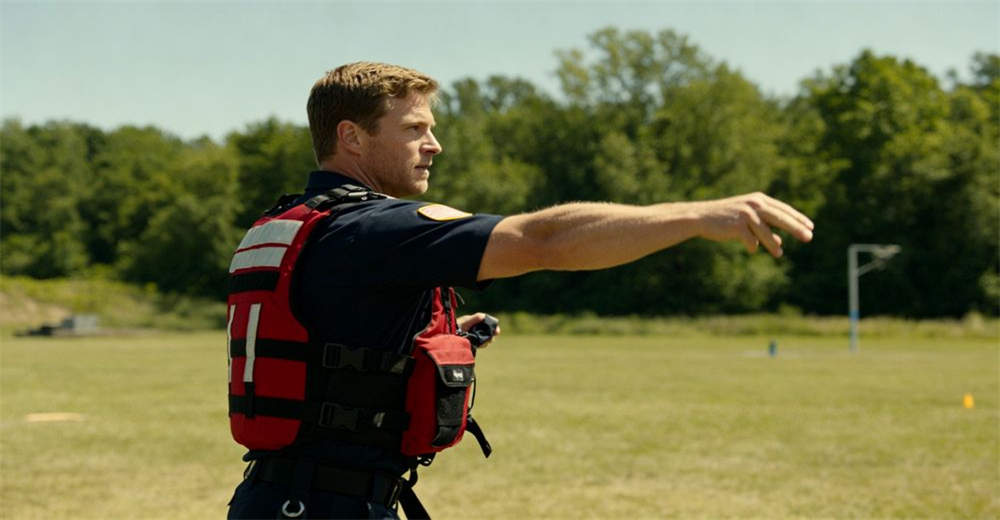
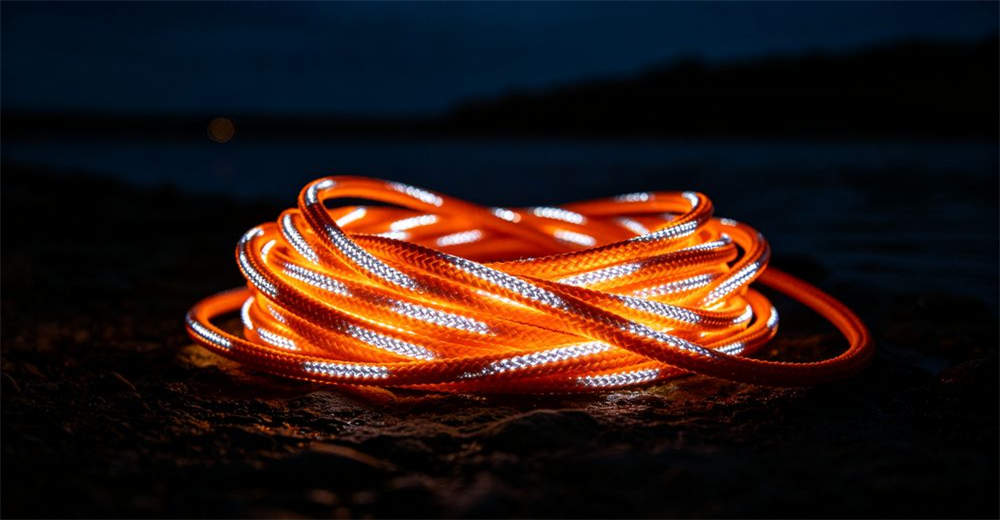
The reflective tape bounces light back to a flashlight, headlamp or boat spotlight. The luminous yarn stores sunlight and glows softly for hours after dark. Together, they make the rope easy to find at night or in heavy rain where visibility drops to a few meters.
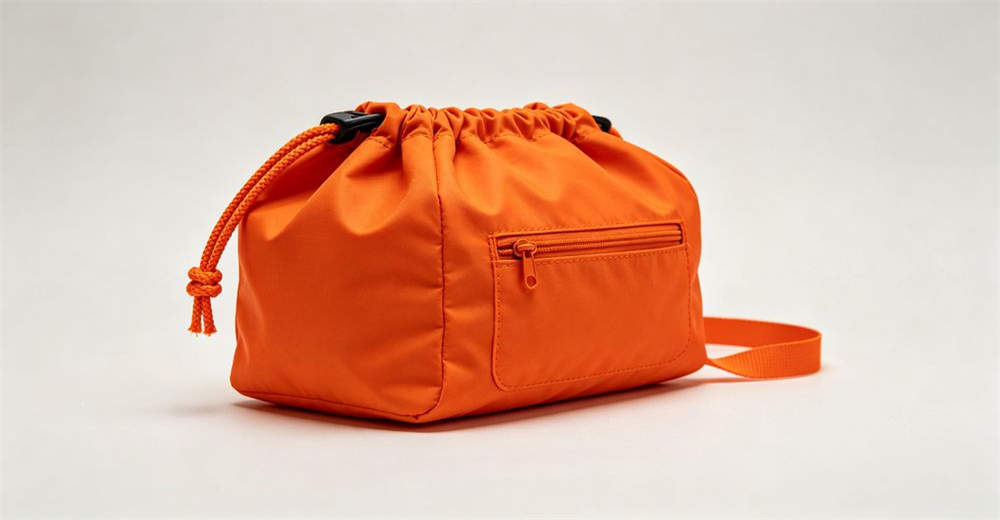
The throw bag itself floats. The buoyancy foam inside keeps the bag on the surface even if the rope is fully extended. The 500D PVC pocket adds a second waterproof layer. If the bag lands in the water, the victim can grab it as a temporary floatation aid while waiting for the pull to shore.
The top of the bag uses a drawstring that cinches tight. This keeps the rope inside during the throw and lets it pay out smoothly. A bag with an open top spills rope everywhere. A cinched bag throws clean, lands clean, and packs back up fast.
The outer braided cover of our flood rescue rope uses UV-treated fibers that resist sun damage. Ropes left in direct sunlight on a truck deck for months can weaken and become brittle. The UV-resistant cover slows this aging process. It keeps the rope flexible and strong through seasons of outdoor storage between missions. This is especially important for teams in sunny regions where rescue gear sits on open trucks for long periods.
Our floating rescue rope uses a double-braided construction: a braided outer cover over a braided inner core. This design distributes tension evenly across the full rope diameter. If the outer cover gets abraded, the inner core still holds the load. The braided structure also feels smoother in the hands during a long pull. It does not rotate or kink as easily as twisted ropes, which means less twist management during a throw bag rescue.
The bright orange color on our flood rescue rope is not just paint. It is dyed into the fiber during manufacturing. This means the color does not wash off or fade quickly after repeated water exposure. A rope that looks pale after a few muddy rescues loses its high-visibility advantage. Our dye process keeps the orange vivid through years of use. The reflective tape and luminous yarn are also built into the cover, not glued on as stickers that peel off over time.
The fiber inside a water rescue rope decides how it performs in the field. Nylon and polyester are the two main choices. Each has pros and cons. Understanding them helps you pick the right rope for your team.
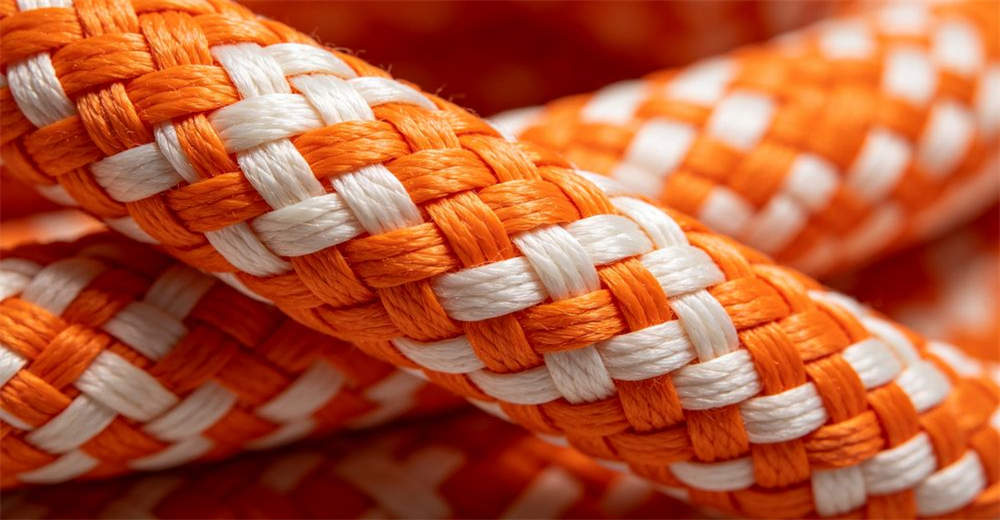
Nylon is strong and flexible. It stretches more under load, which helps absorb sudden shocks. When a victim's weight suddenly pulls on the rope, nylon stretches and softens the impact. This makes the pull feel less jarring for both the rescuer and the victim.
The downside is that nylon absorbs some water. It takes longer to dry after a muddy rescue. It is also more sensitive to UV damage, so storing it in direct sunlight shortens its lifespan. For teams that rescue in warm, sunny conditions, this is a real consideration.
Polyester has very low stretch. The pull transfers directly with almost no give. This means more of the rescuer's effort goes into moving the victim. Polyester also resists UV damage better than nylon and dries faster after getting wet.
The tradeoff is that polyester feels stiffer. It does not absorb shock as smoothly. If the victim's body weight hits the line suddenly, the jolt goes straight through the rope. This can be hard on the rescuer's hands and shoulders.
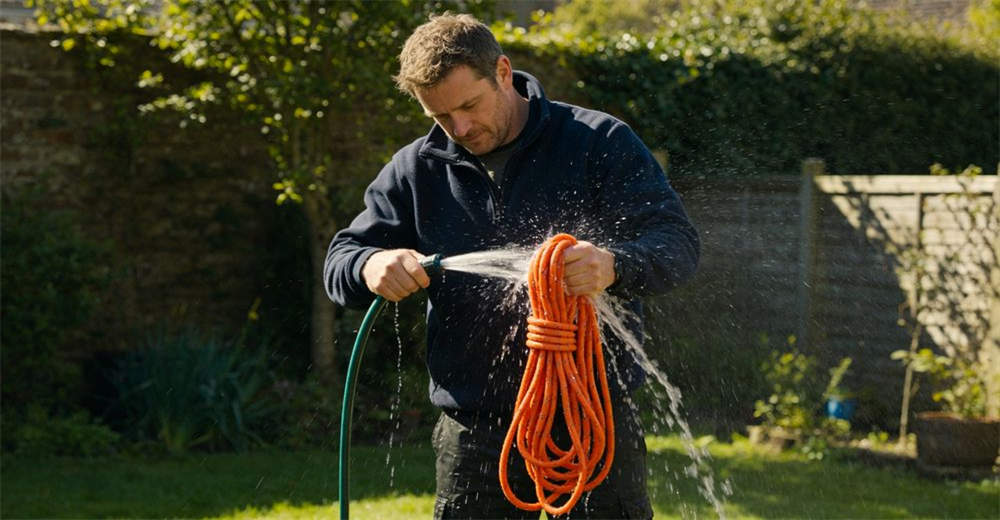
Many teams choose a blend that combines the strengths of both. The blend gives you nylon's shock absorption with polyester's low stretch and quick-dry property. This is a good all-rounder for general flood rescue work where conditions vary from day to day.
There is no single material that works for every situation. The right choice depends on your typical water temperature, how often you rescue at night, and how much shock your team expects to handle. When in doubt, start with a blend. It covers most scenarios well.
One more thing to consider: how the rope feels in your hands during a long pull. A 12mm nylon rope can feel rough after 10 minutes of pulling a victim through current. Some teams add protective gloves for this reason. A thinner 8mm rope is easier on the hands but may not have the strength for heavy loads. Match the diameter to both the rescue scenario and the physical condition of your team.
Do not confuse a floating rescue rope with a static rescue rope just because both look like ropes. A static rescue rope is built for vertical loads and does not float. If you need rope for climbing or rope access, buy a certified static rope from a climbing gear supplier. If you need rope that reaches someone in flood water, our floating flood rescue rope is the right choice. Many buyers buy both types for different purposes in the same order.
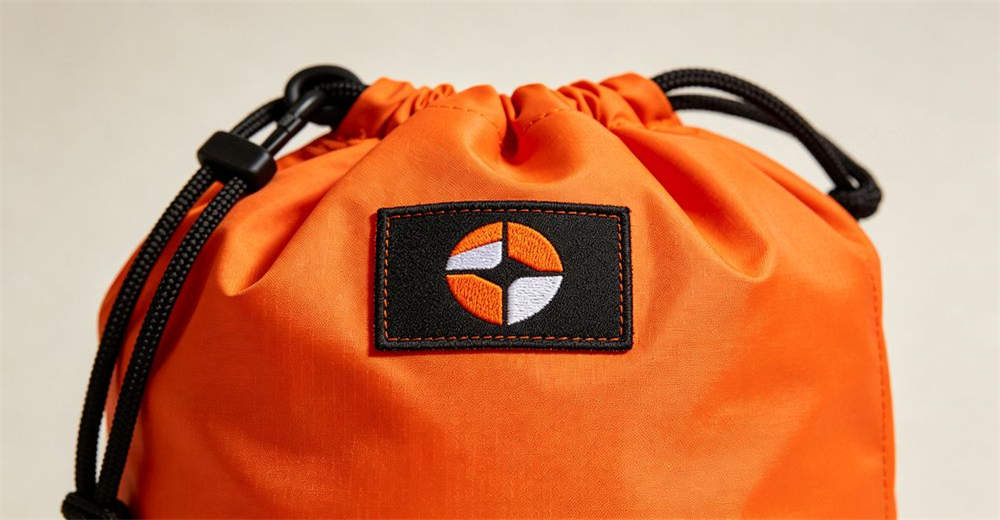
Choosing the right diameter and length for your throw bag rescue setup depends on the reach you need and the strength required. Too thin and the rope snaps. Too thick and it will not throw far. Here is a practical guide to matching the spec to your mission.
Our floating flood rescue ropes come in five diameters: 6mm, 8mm, 10mm, 12mm and 14mm. Lengths range from 20m up to 100m, with custom options available. The table below helps you match the spec to your operation type.
|
Diameter |
Suitable For |
Feel and Handling |
|
6 - 8 mm |
Pool, lake, close-range throw bag rescue |
Light, throws far, easy to coil |
|
10 mm |
General flood rescue rope, most teams |
Balanced grip and strength, standard choice |
|
12 mm |
Swift water rescue rope, heavy-duty operations |
Strong, durable, slightly heavier |
|
14 mm |
Technical rescue, high-load scenarios |
Maximum strength, specialized use |
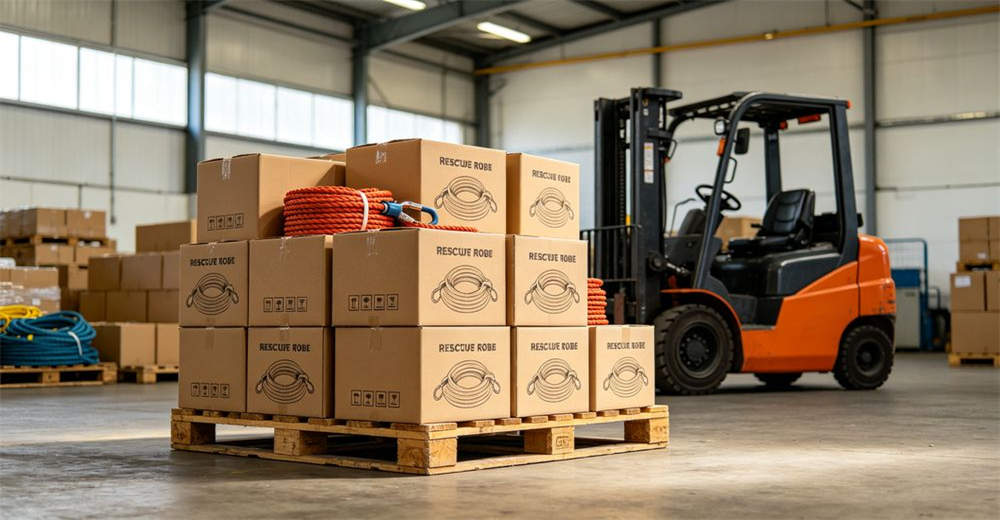
Length works the same way. A 20m rope is enough for a pool edge or narrow river. A 30m bag is a common starter size for community rescue teams. At 50m, you cover most urban flood scenarios and medium-width rivers. For wide rivers, flood channels or open water operations, 80m to 100m gives you the reach you need.
One common mistake: buying the longest rope thinking longer is always better. A 100m rope in a 20m-wide river means 80m of extra line to manage. Extra rope tangles easily, weighs down the bag, and slows down reset between throws. Match the length to your typical mission, not to the worst-case scenario you might see once a year.
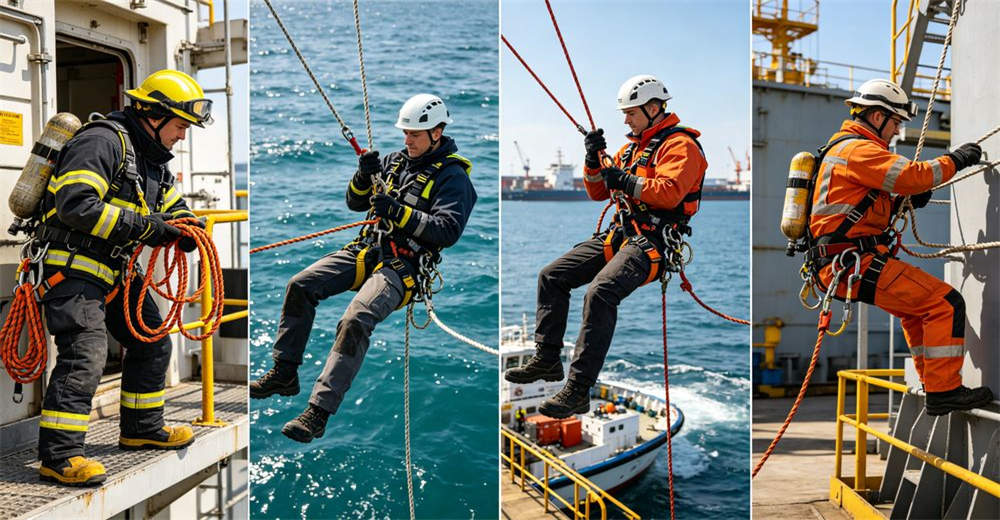
For victims weighing under 75kg in slow-moving flood water, an 8mm rope handles the load with room to spare. For victims over 90kg or in swift water rescue rope conditions where current adds force to the pull, step up to 10mm or 12mm. The extra diameter gives a stronger line and a better grip for the rescuer's gloved hands. When in doubt, go one size thicker than you think you need. A slightly heavier rope is easier to manage than a rope that fails under load.
If you are outfitting a new team from scratch, a practical starting order might look like this: two 30m throw bags for close-range work, one 50m bag for riverbank operations, and two oxtail tethers for the lead swimmers. Add reflective models if your team works night shifts. This covers most urban flood scenarios without overbuying. As your team grows and takes on more missions, you can add specialized diameters and lengths.
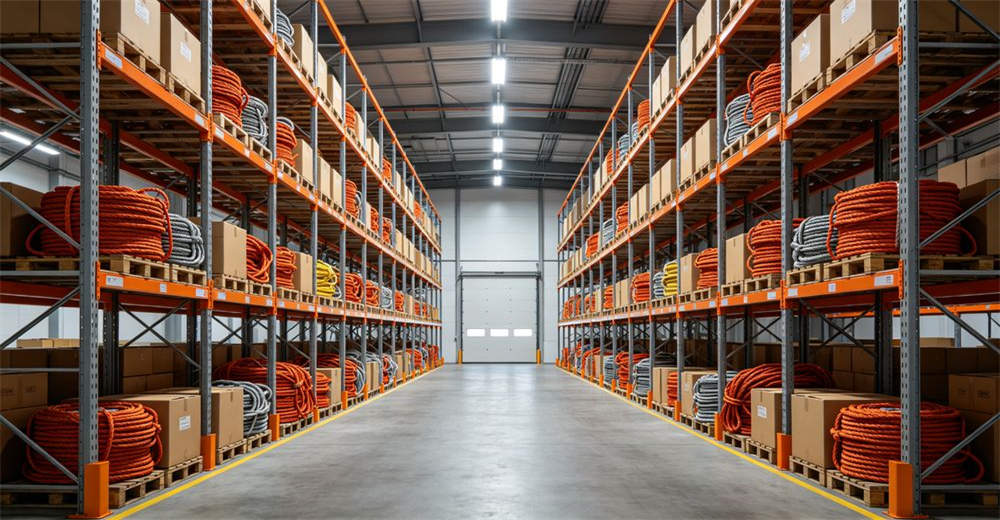
Visibility is everything in a water rescue. If the victim cannot see the rope, they cannot grab it. If the team cannot see where the line goes, they cannot manage the rescue. That is why color and marking are functional safety features, not cosmetic choices.
When you stock your team's gear room, think about what colors you need for each scenario. Daytime urban flood work can use the standard orange. Night shift teams should have a reflective rescue rope on hand. A mixed kit with both types covers most situations. Color coding also helps the team leader check that each vehicle carries the right bag for the shift it is covering. Choosing the right water rescue equipment for each truck is part of good deployment planning.
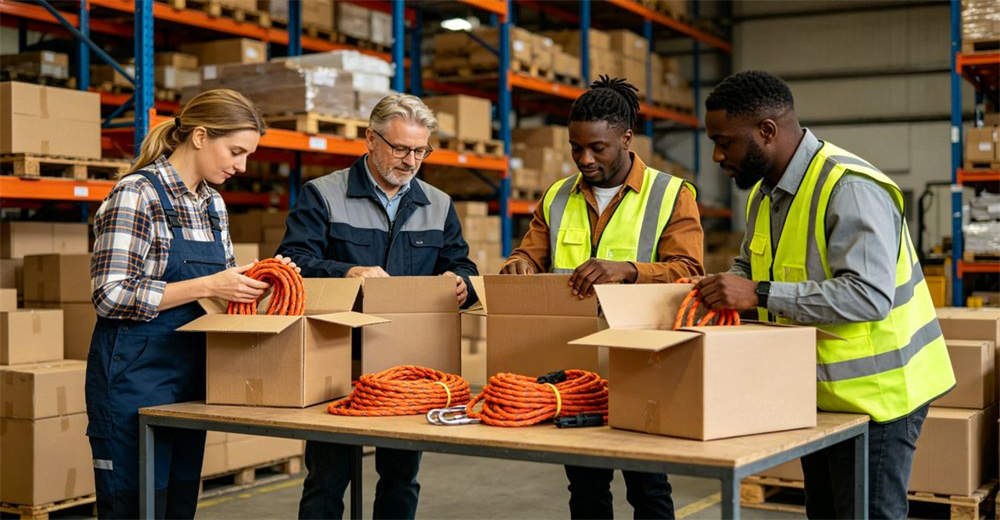
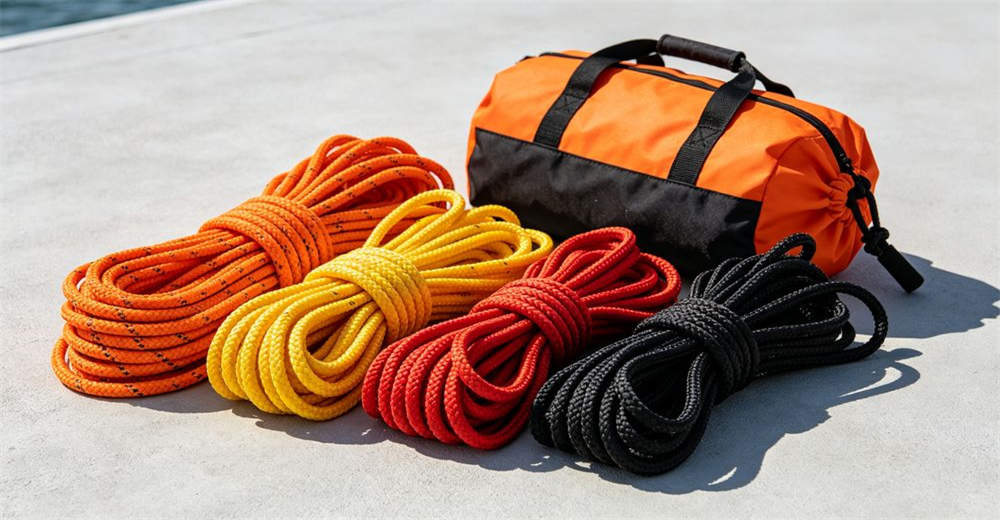
Our standard floating rescue rope is bright orange. Orange contrasts sharply with blue water, brown flood water and green riverbanks. It is the most widely recognized rescue color in the field. When victims see orange on the water, they know help has arrived.
The reflective orange model adds high-visibility tape woven into the rope cover. When a flashlight or headlamp hits it, the tape reflects light straight back. This reflective rescue rope lets rescuers locate the line in the dark. It also helps boat operators spot the rope and avoid running over it. For any team that works at night, having a proper emergency rope in every vehicle is basic safety practice.
Some models include luminous yarn that charges under sunlight and glows softly after dark. It is not a bright light, but it gives a faint trail. In total darkness, that faint glow is enough to track the rope path. This is especially useful in flooded urban areas where street lights are out.
Many teams use color to mark rope age or rating. Orange might be the general duty rope. Reflective orange might be the night operation rope. A different color might mark ropes due for retirement. This system helps the team leader check gear at a glance before each mission.
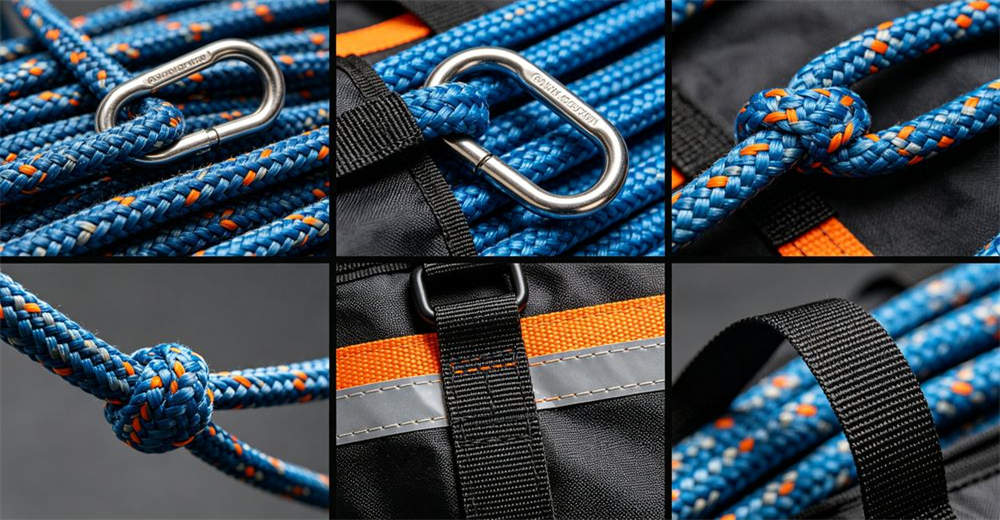
A throw bag rescue is only as effective as how it is thrown. Even a strong floating rope will not help if it lands five meters short. When you are trying to save lives in the water, a bad throw costs precious seconds. The same applies to any throw rope bag, whether it is a small 15m training unit or a 50m river deployment kit. Here are the basics every team should practice until they become automatic.
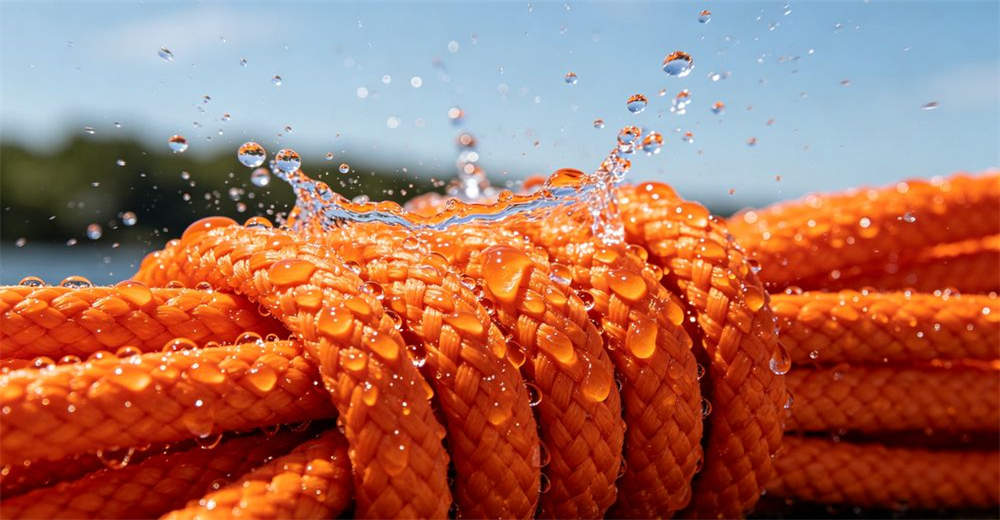
Hold the bag in your throwing hand. Keep the tail end in your other hand, anchored to your body or a fixed point. Never wrap the rope around your wrist. If the bag misses, you want to stay connected without risking injury. A rope wrapped around a wrist can yank you off balance if the current pulls hard.
In moving water, aim a few meters upstream of the person. The current will carry the bag down to them. Throwing directly at their head can be dangerous. Let the current do the work. The bag lands upstream, the victim sees it drift toward them, and they grab it as it passes.
Throw the bag in a high arc, like a softball pitch. This gives it distance and lands it gently on the water surface. A flat, low throw tends to skip and land short. Practice both overhead and sidearm throws so you can adapt to different situations and space constraints.
The victim needs to know the rope is coming. Call out before you throw. Tell them to look upstream, not at you. Clear communication turns a chaotic moment into a coordinated rescue. Teams that practice together throw faster and more accurately under stress.
After a throw, reset the rope back into the bag neatly. A tangled rope means a slow next throw. Practice packing the bag so the rope pays out smoothly every time. This habit matters most when a second person needs rescuing right after the first.
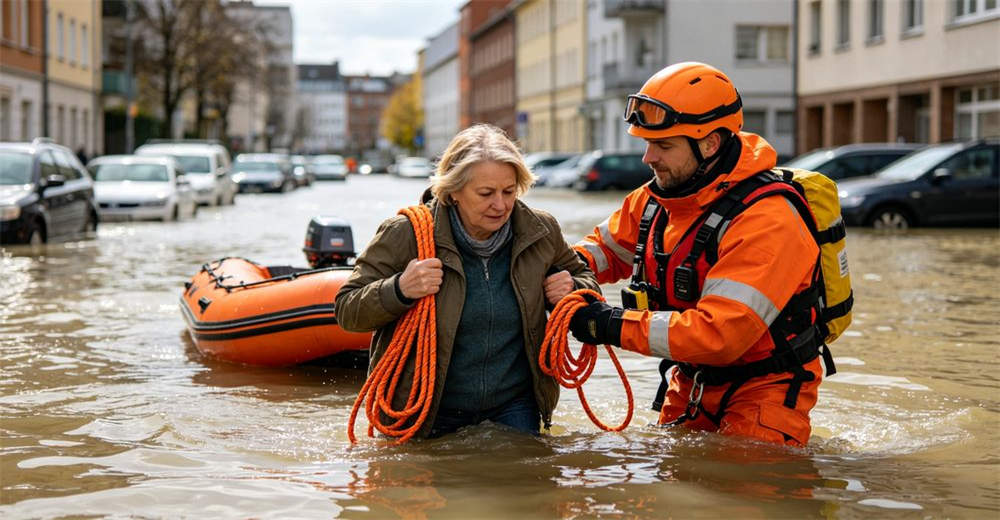
Under stress, people revert to their training. If your team only practices throw bag rescue once a year, they will not perform well in a real flood. Run monthly drills. Practice in daylight, then in low light. Practice with a cold, wet rope. Practice in heavy rain. The more conditions you rehearse, the more prepared the team will be when the real call comes.
A good drill sequence starts on dry land. First, practice the grip and stance without throwing. Then practice throwing at a target 10 meters away. Gradually increase distance to 20 and then 30 meters. Only move to water practice once dry-land throws are consistent. Build the skill, then test it under real conditions.
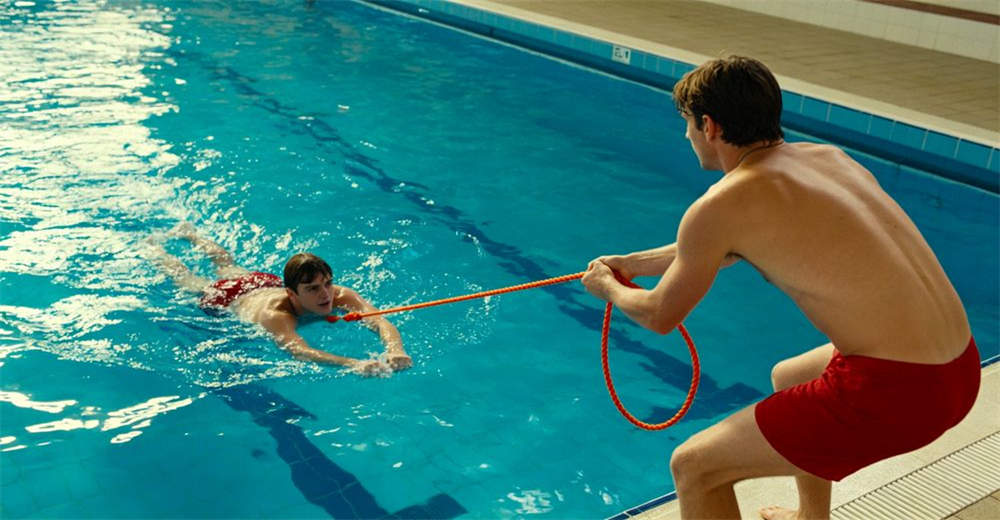
While the floating rope bag reaches out to the victim, the water rescue tether protects the rescuer. This short piece of gear connects the rescuer to a main safety line. It is a standard tool in any swift water rescue operation.
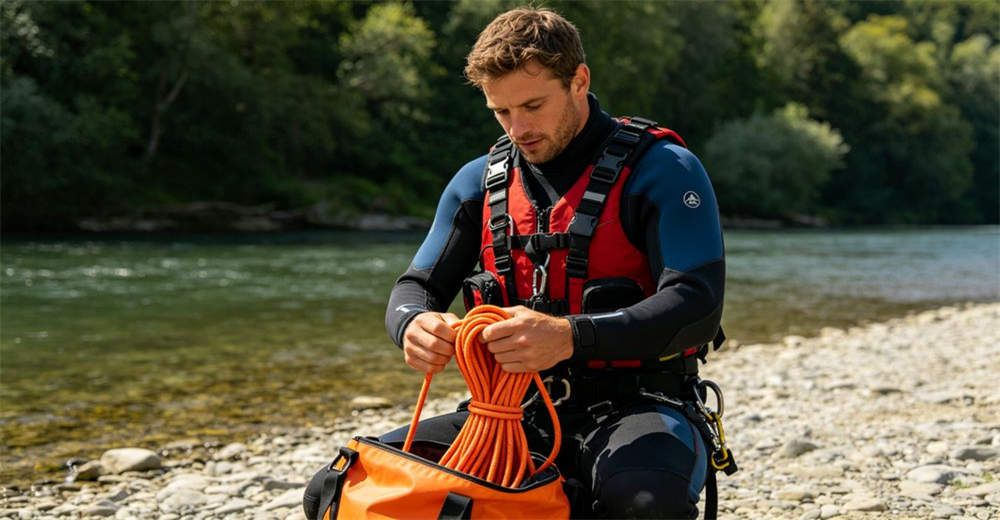
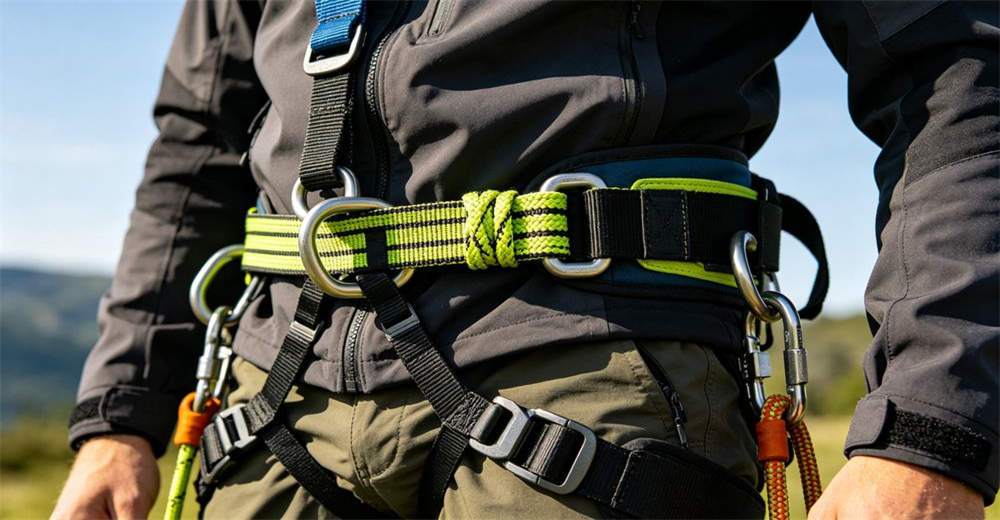
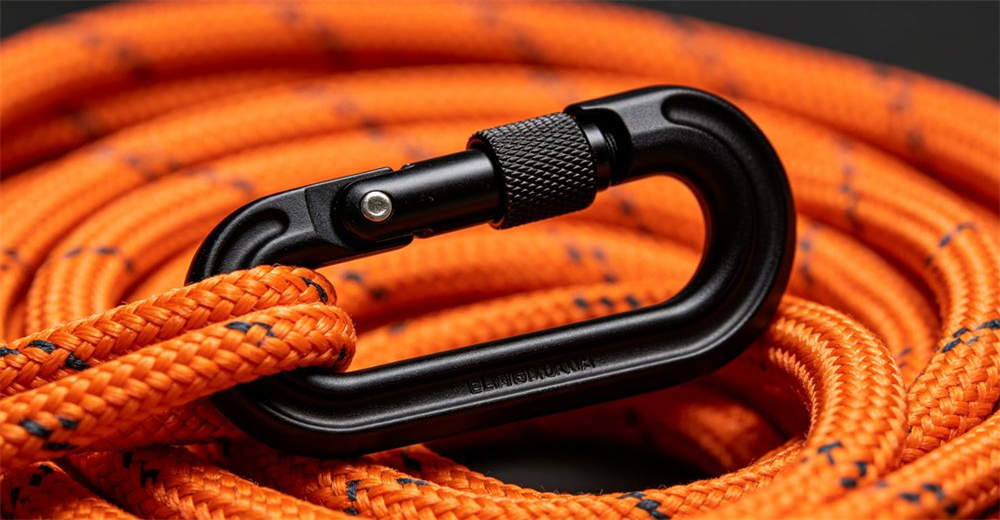
The oxtail rope uses wide nylon webbing with an elastic core. It stretches under load and absorbs shock. Stainless steel rings and a carabiner connect it to the rescuer's harness on one end and the main line on the bank on the other. This system lets the rescuer move freely within a defined radius.
Both ends have quick-release buckles. In an emergency, the rescuer can detach fast. This is critical if the main line gets tangled around a rock, or if the rescuer needs to swim free to avoid being swept into an obstacle. The quick release can be operated with one hand, even while wearing gloves.
The webbing has reflective strips, so the safety officer on the bank can track the rescuer's position in low light. The tensile strength at the stainless steel ring reaches 15 kN, which meets the demands of professional swift water rescue work. The black color also stays clean-looking longer than bright colors in muddy conditions.
A rescuer who enters moving water without a tether is a rescue waiting to happen. The current can sweep them off their feet in seconds. The tether gives the team on the bank a way to pull the rescuer back. It turns a solo risk into a team operation.
Connect one end to the rescuer's harness using the carabiner. Attach the other end to the main belay line on the bank. Make sure the quick-release clips are accessible and test them before entering the water. The elastic core means the tether stretches when the rescuer moves away from the anchor point. It retracts when they move back. This keeps slack rope off the water where it can snag on obstacles.
Below is a summary of the key specifications for our water rescue rope and throw bag range. Use this as a quick reference when planning your procurement list for flood rescue rope and swift water rescue rope equipment.
Our floating rescue rope covers a range of diameters and lengths to suit different rescue scenarios. The throw bags are designed to hold these ropes securely and float on the water. The oxtail tether completes the system for rescuer safety.
Key performance numbers: the standard floating rope has a minimum breaking strength of 12kN for 8mm and 10mm diameters, and up to 22kN for 12mm and 14mm thick ropes. Working elongation at rated load stays under 5 percent, which means the rope does not stretch like a rubber band when you pull. The operating temperature range runs from -20°C to +60°C, so the rope stays flexible in cold mountain water and does not degrade in hot summer storage trucks.
The braided cover uses 32-strand outer weave over a braided inner core. This construction gives the rope a smooth feel and even load distribution. The oxtail tether ring has a rated breaking strength of 15kN. These are the numbers that matter when you are choosing a dependable flood rescue rope that your team can rely on in a real emergency.
|
Item |
Specification |
|
Rope material |
High-strength lightweight fiber, floats on water |
|
Available diameters |
6 mm, 8 mm, 10 mm, 12 mm, 14 mm |
|
Available lengths |
20 m, 30 m, 50 m, 80 m, 100 m, custom on request |
|
Rope colors |
Bright orange (regular), orange with reflective tape |
|
Minimum breaking strength |
12 kN (floating rope), 15 kN (oxtail ring) |
|
Bag material |
CORDURA fabric body, 500D PVC waterproof pocket |
|
Bag hardware |
316 stainless steel D-ring, corrosion resistant |
|
Oxtail webbing |
30 mm wide nylon webbing with elastic core, reflective |
A flood rescue rope is a life-safety tool. Treat it well and it will serve your team for years. Neglect it, and it may fail when you need it most. Here is a simple maintenance routine that takes minutes and saves lives.
Knowing when to replace a rope is as important as knowing how to use it. Retire the rope immediately if you see any of these signs: the outer cover has deep cuts that expose the inner core, the rope feels soft or mushy in spots from UV degradation, the color has faded significantly from sun exposure, or the rope has been loaded to near its breaking point.
A rope that has been heavily knotted should also be retired. Knots weaken the line by up to 50 percent, and repeated tying and untangling damages the fibers over time. When in doubt, replace it. A new flood rescue rope costs far less than a rescue gone wrong.
Keep a simple log with each rope. Write down the purchase date, the first use date, and any incidents where the rope took a hard load. This log helps you track which ropes are due for retirement and which ones are still good for training use. A ten-minute log update after each major mission saves time and avoids confusion during the next equipment check. Your team leader will definitely thank you for it later on.
We offer OEM and ODM support for buyers who need something beyond the standard catalog. Whether you need a custom rope length, a branded bag, or a specific color combination for your team, we can work with you.
Customization options and order quantities are subject to contract. Share your design or specification sheet, and our team will get back to you with a matched solution. We handle both small customization projects and large tender programs.
Common customization requests from our buyers include: adding a team logo to the throw bag front panel, selecting a custom rope length that matches a specific river width, and printing a organization name on the bag. Some buyers also ask for color coding across multiple rope bags so the team can tell at a glance which bag is which length. All of these are possible with our OEM service.
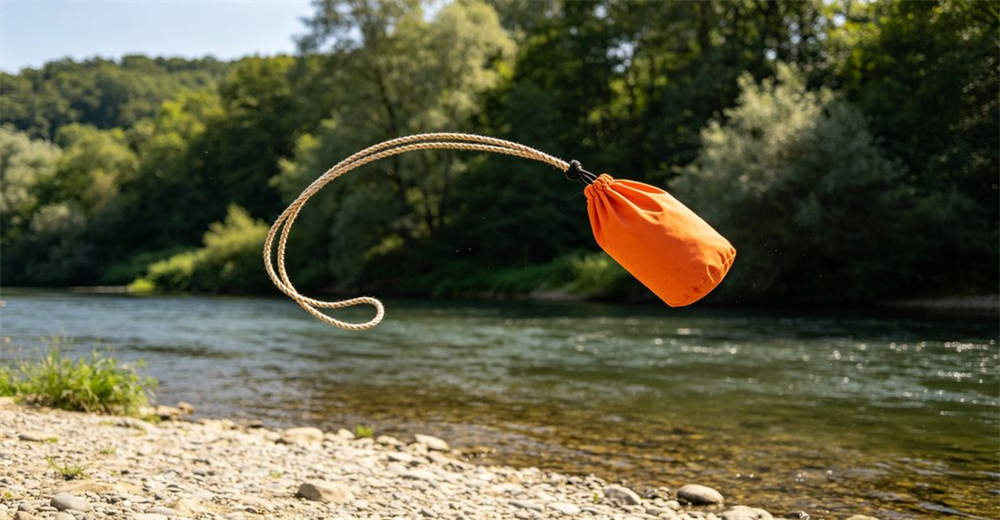
We supply bulk rescue rope and throw bag orders to distributors, rescue organizations, government procurement programs and NGO relief projects. Our wholesale rescue rope buyers range from small training centers to large national procurement programs.
For bulk orders, we can help you put together a mixed package. This might include floating ropes in multiple diameters, throw bags for each team member, and oxtail tethers for the lead rescuers. We can also suggest combinations based on the typical missions your organization runs, whether that is urban flood response or swift water rescue rope operations.
Bulk pricing and wholesale pricing are based on order quantity, rope specifications and customization requirements. Order quantities and lead times are subject to contract. Contact our sales team with your requirements and we will prepare a tailored quotation.
One thing buyers appreciate: we do not push a one-size-fits-all package. We listen to what your team actually does, then recommend the right mix. This means you get the gear you need without paying for products that sit on a shelf.
Buyers worry about batch-to-batch quality inconsistency. You order 50 throw bags, and 10 of them feel stiffer than the others. Or the rope frays after three training sessions instead of lasting years. This kind of life-saving equipment needs to perform the same every time, not just the first few uses. We solve this by controlling every production lot to the same specification. Each batch uses the same fiber mix, the same braid pattern, and the same dye lot. If a lot does not meet our breaking strength and float test standards, it does not ship. Your team gets a consistent, dependable flood rescue rope every time.
Buyers also worry about lead times slipping. You have a training deadline in six weeks and the supplier says "two to three weeks" then goes radio silent. We set realistic delivery windows based on what is actually in stock and what needs custom production. If something changes on our end, we tell you early. You are never left guessing. That kind of communication matters when you are outfitting a team before flood season starts.
For tender programs and government procurement, we understand that documentation matters. You may need product specifications, material composition details, test report references and packaging information to complete your bid file. We work with you to prepare the information you need. Customized labeling and packaging are also available to match your procurement requirements.
Preparing a bid file for wholesale rescue rope procurement takes time. We provide a technical parameter table that lists diameter, length, breaking strength, material composition and buoyancy data in a format you can paste directly into your tender document. We can also share sample test report references so you know what level of documentation to expect.
For lead time commitments, we work with you to set a realistic delivery window based on order size and customization. You do not have to guess at these details on your own. Tell us what your bid requires, and we will fill in the gaps.
Our water rescue rope supplier services reach across several sectors that deal with water safety and emergency response. Different industries have different needs, but they all share one thing in common: they need reliable floating rescue rope that performs when lives are on the line. Here is where our products are used most often.
YRF Textile is a China-based wholesale supplier of water rescue and emergency equipment. We have over 20 years of experience serving buyers in Africa, the Middle East, Southeast Asia and Europe.
We work as a supplier and distributor of rescue ropes, throw bags and related water rescue gear. Our team helps buyers select the right products, arrange customization, and manage bulk orders for programs and tenders. We understand that procurement is not just about the product. It is about getting the right gear on time, at competitive wholesale pricing, with documentation that meets your requirements.
We focus on three things: reliable product quality, honest communication, and support that stays with you from inquiry to delivery. Whether you are outfitting a single rescue team or a national procurement program, we are here to help. Send us your requirements and we will work out a solution that fits.
When a rescue team reaches for a throw bag at 2am during a flood, they are not thinking about specs. They are thinking about reaching the person in the water and bringing them home. A dependable flood rescue rope that does its job is part of that chain. We take that responsibility seriously. Every rope that leaves our warehouse is tested to make sure it can hold the load when it matters most. This is life-saving equipment, and we treat it that way. Every emergency rope that ships from our warehouse should perform when it is needed most. The whole point is simple: help rescuers save lives faster and get home safe.
Trust takes time to build. We have spent 20+ years earning it, one reorder at a time. Buyers come back because the rope floats, the bag throws straight, and the documentation shows up when they need it. That is the standard we hold ourselves to, order after order.
Over the years, we have supplied water rescue rope and throw bag equipment to teams in Africa, the Middle East, Southeast Asia and Europe. We understand that different regions face different water conditions. Urban flood in a Southeast Asian city looks different from river flooding in the Middle East. We match our product recommendations to the actual water environment your team operates in.
If you are a distributor looking to add water rescue rope to your catalog, we can help you build a product line that fits your market. Tell us which regions you cover and what budget range your customers expect. We will suggest the right combination of diameters, lengths and bag styles to give you a competitive offering.
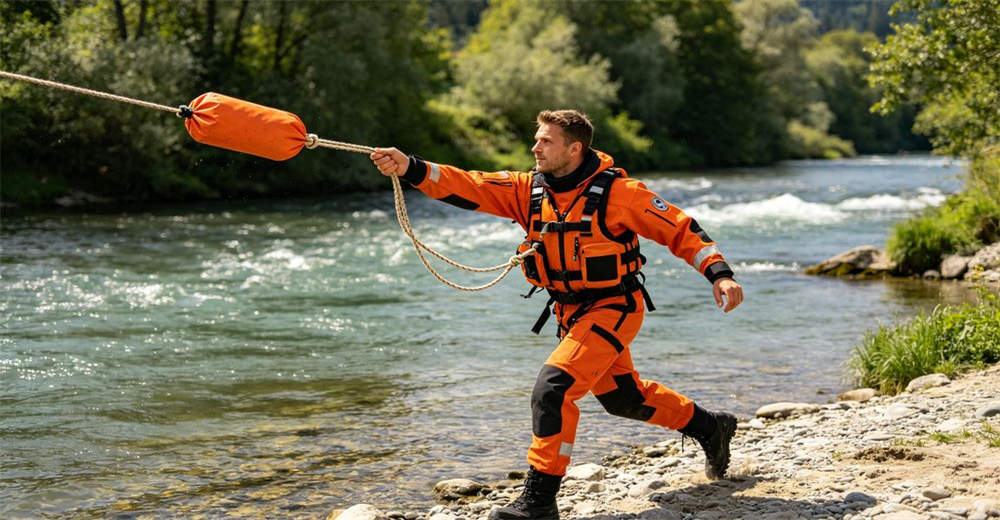
A water rescue rope is designed for flood and swift-water rescue. It floats on the water surface, so rescuers can throw it to a person in the water and pull them to safety. Unlike a static rescue rope used in rock climbing, floating rescue rope stays visible and does not sink.
A floating rope is made of lightweight fiber that floats on water. It has low elongation and high visibility in bright colors. A static rescue rope is designed for climbing or rigging, does not float, and sinks in water. For water rescue, always use a floating rescue rope, not a static rescue rope.
Diameter depends on your use case. 6-8mm is light and easy to throw from a bag. 10-12mm offers better grip and strength for heavy-duty swift water rescue. 14mm is for specialized technical rescue. Most flood rescue teams use 10mm as a standard choice.
Common lengths are 20, 30, 50, 80 and 100 meters. A 20-30m throw bag suits close-range rescue from a riverbank. 50m is a good middle choice for most teams. 80-100m is for wide rivers or flood channels. Custom lengths are available on request.
Reflective marking helps rescuers spot the rope in low light, at night, or in heavy rain and spray. The reflective model also has luminous properties, so it can glow faintly after exposure to light. This improves night swift water rescue safety.
A throw bag rescue uses a water-resistant throw rope bag filled with floating rescue rope. The rescuer throws the bag toward a person in the water. The rope pays out from the bag as it travels. Once the person grabs the rope, the rescuer pulls them to safety from the bank or boat.
An oxtail rope is a short tether that connects a rescuer to a safety line. It uses wide nylon webbing with an elastic core. Quick-release clips at both ends let the rescuer detach instantly in an emergency. It is worn on the rescuer's harness during swift water rescue.
Yes. Our floating flood rescue rope is made from high-strength lightweight fiber that stays on the water surface even in moving water. This makes it easy for both the rescuer and the person in the water to see and grab during swift water operations.
Nylon offers high strength and good stretch, which absorbs shock loads. Polyester has lower stretch and better UV resistance. Many teams use a blend that balances strength, low elongation and wear resistance. The right choice depends on your rescue scenario.
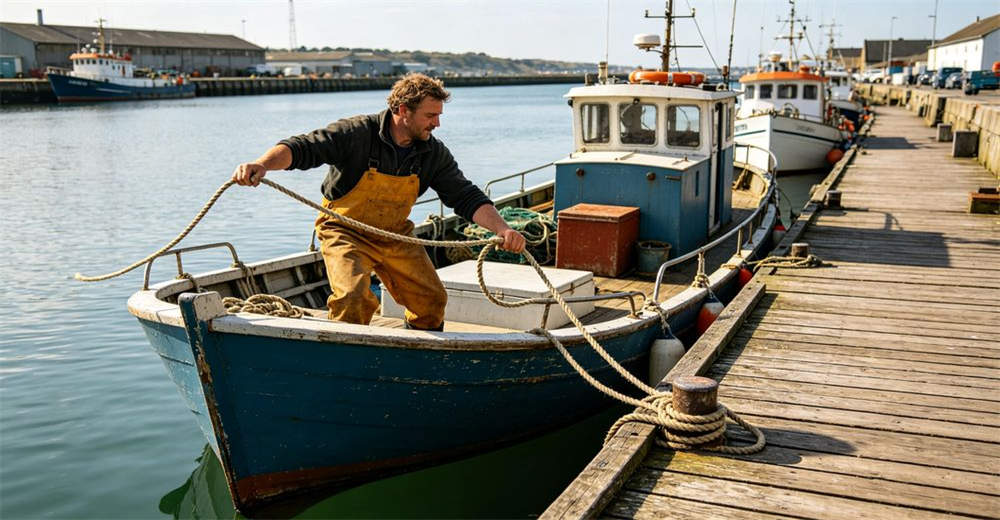
Rinse with fresh water after saltwater or muddy use. Air dry in shade, away from direct sunlight. Store in a cool, dry place. Inspect before each use for cuts, abrasion or soft spots. Replace the rope if you notice any damage.
With regular use and proper care, a rescue rope typically lasts 2 to 5 years. Ropes used daily in harsh conditions may need replacement sooner. Always inspect before use and retire the rope after any severe load or visible damage.
Yes. We offer OEM customization including logo printing on the rope bag, custom colors and custom length specifications. Customization options and order quantities are subject to contract. Contact us with your design requirements.
Yes. We supply wholesale rescue rope and throw bags to government agencies, NGOs, civil defense teams and rescue training centers. We can provide product specifications and bulk order options based on your project requirements.
Our floating flood rescue rope meets a minimum breaking strength of 12 kN. The oxtail tether system has a tensile strength of 15 kN at the stainless steel ring. Exact values depend on diameter and material, confirmed by contract.
Hold the bag in one hand and anchor the tail end to your body. Aim for a spot just upstream of the person in the water. Throw the bag in an arc so it lands where the current will carry it to them. Never wrap the rope around your hand or arm.
No. A static rescue rope is designed for climbing and rigging loads. It does not float and sinks immediately in water, making it invisible and dangerous. Always use a floating rescue rope for flood and swift water operations.
The standard color is bright orange, which is highly visible on water. We also offer a reflective orange model with high-visibility tape and luminous marking. The oxtail tether is available in black with reflective webbing.
Order quantities are subject to contract and depend on the rope diameter, length and customization requirements. We work with distributors, rescue teams and program buyers. Contact our sales team for bulk pricing and availability.
We can help arrange third-party test reports based on your project requirements. Test reports cover breaking strength, buoyancy performance and abrasion resistance. Documentation availability depends on the specific product and order.
Store rope in a cool, dry place away from direct sunlight, chemicals and sharp edges. Keep it in a rope bag or dry bag to protect it from dust and moisture. Avoid storing it in a tightly compressed state for long periods.
Lead times are subject to contract and depend on order quantity, rope specifications, customization requirements and current schedule. Standard and expedited options may be available. Contact our team for an estimated timeline based on your order.
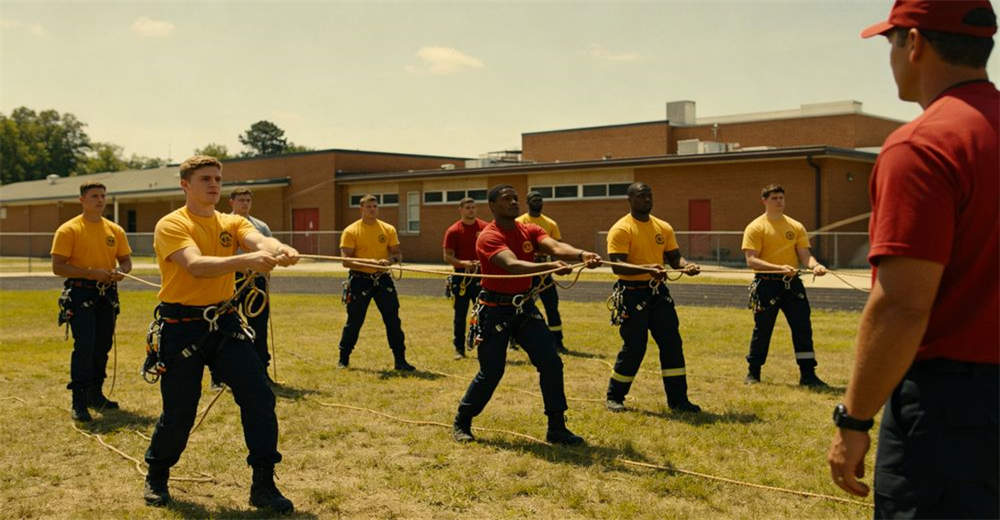
Ready to equip your team with reliable water rescue rope and floating rescue rope bag gear? Send us your requirements and we will put together a matched proposal with competitive wholesale pricing.
Tell us your target application, the rope diameters and lengths you need, and any logo or customization requirements. Whether you need flood rescue rope for city operations or swift water rescue rope for river teams, we will get back to you with a tailored quotation.
You can also ask us to suggest a complete gear package for your team. Many buyers start with a message like: "We cover urban flood response in a tropical climate. Our team has 12 members. We need throw bags and oxtail tethers." From there, we put together a recommended package with the right rope lengths, bag styles and reflective options for your specific situation.
We do not require you to know every specification before reaching out. If you are not sure which diameter or length fits your needs, just tell us what water you work in and how your team operates. We will guide you through the options and help you make a decision. There is no pressure to buy. We are here to answer questions and support your procurement.
Whether you need a single throw bag for a school safety kit or hundreds of flood rescue rope units for a national procurement program, we handle both ends of the scale. Our wholesale rescue rope service is built to support buyers at every level, from small community teams to large government tenders. When you source water rescue equipment from us, you get consistent quality and straightforward communication. Send us your requirements today and let us know how we can help.


Enlaces amistosos :
Derechos de autor © Custom Disaster - Relief Bedding: Tents, Sleeping Bags, Blankets Reservados todos los derechos
el equipo profesional al servicio !