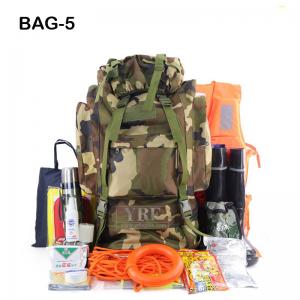
Emergency response backpacks are purpose-built carrying systems for rescue teams, relief agencies and emergency stockpiles. Unlike general hiking packs, they are designed around fast access, visible identification, heavy-load carrying and rapid distribution. This guide covers 7 backpack types with real specifications, so buyers can match capacity, material and layout to their actual response task before requesting a quotation.
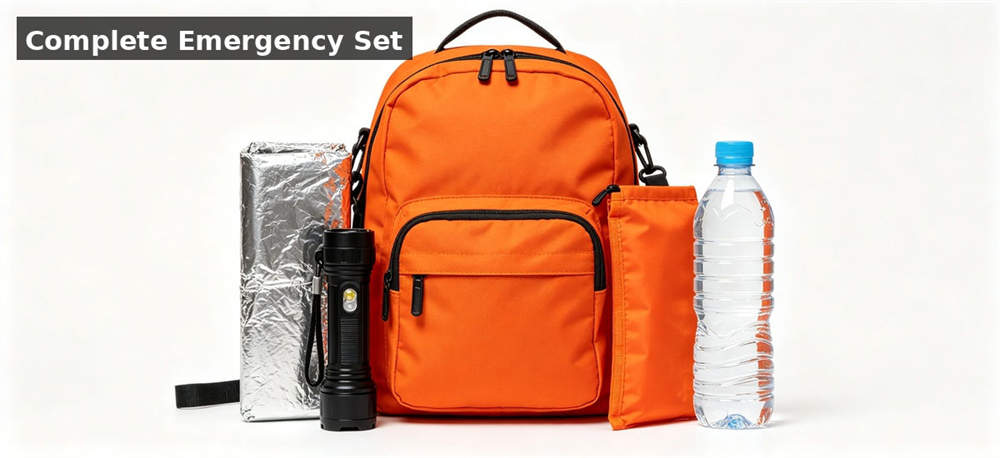
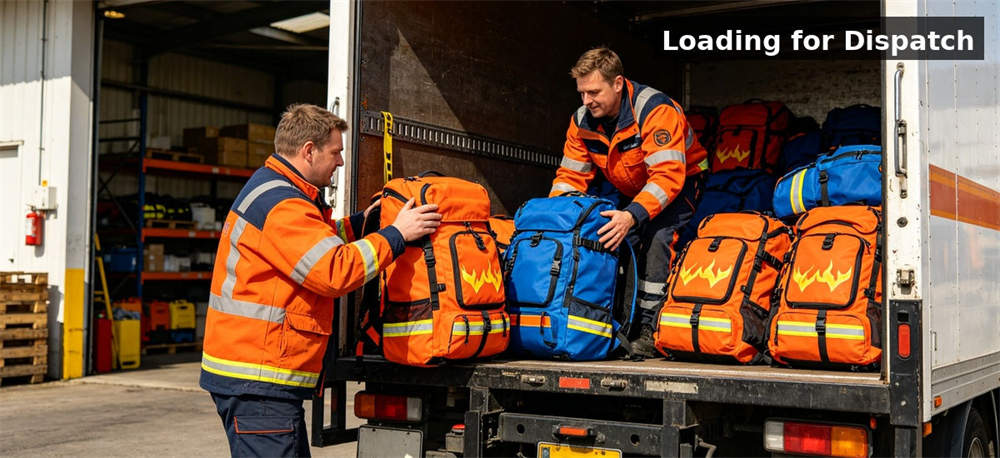
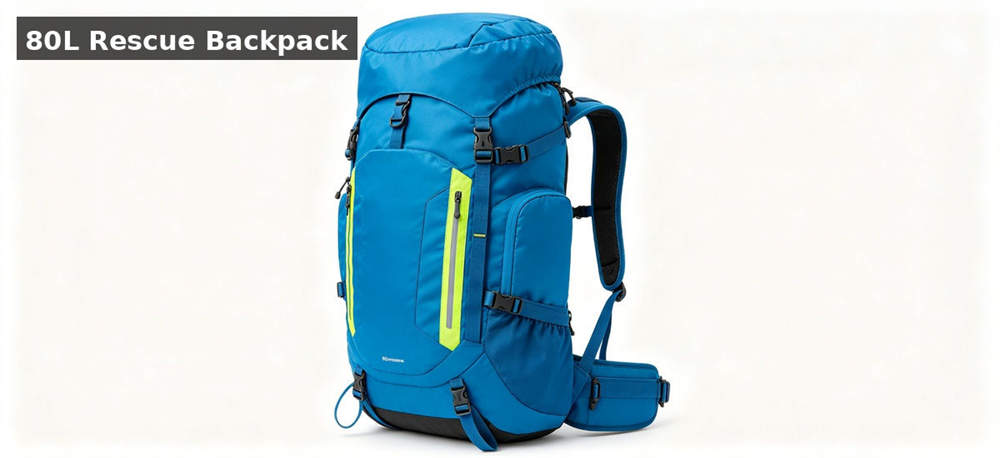
For central supply transfer, team equipment carriage and long-distance relief distribution. The most common bulk-issue pack for fire departments, rescue teams and government stockpiles.
View large-capacity rescue backpack details
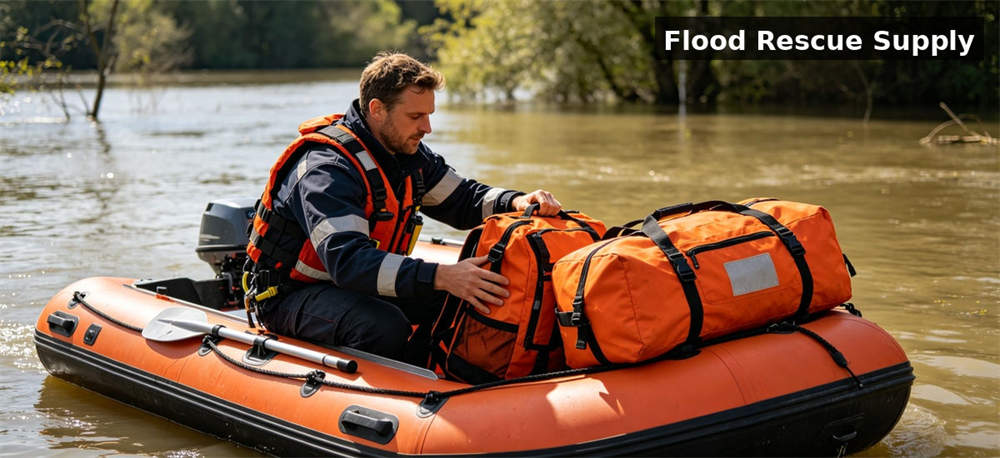
For EMS teams, first responders, clinic outreach and disaster medical stations. Multi-compartment layout keeps supplies sorted and accessible under pressure.
View medical first-aid backpack details
✅ Built to withstand rigorous daily use in barracks, Military Bedding Sets - Wholesale Police Barracks Dormitory Bedding provides tough, standards-compliant military bedding sets for forces, academies and training camps. As an experienced bedding manufacturer, we uniform bulk bedding orders for defense and police procurement with dependable lead times and consistent batch quality. Explore the range.
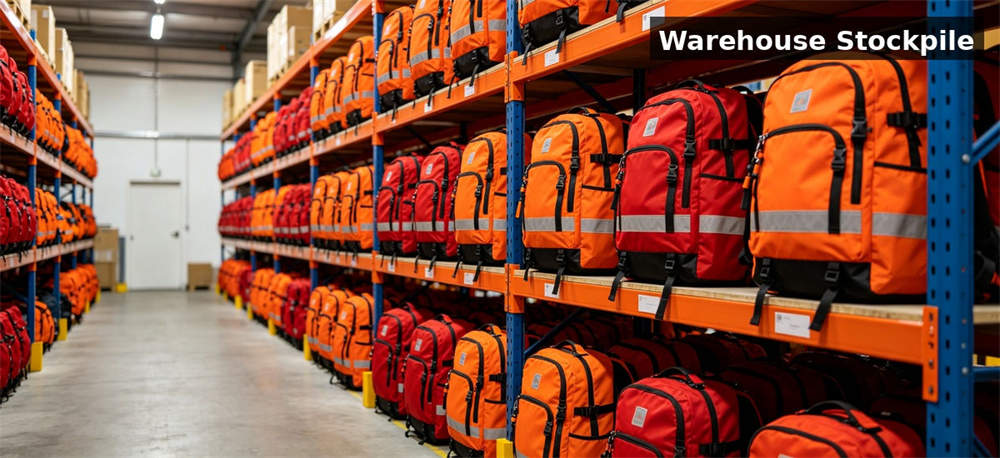
For individual 72-hour emergency kits, school staff preparation, community distribution and household stockpiles. Light enough for daily carry but structured for emergency items.
View personal survival backpack details
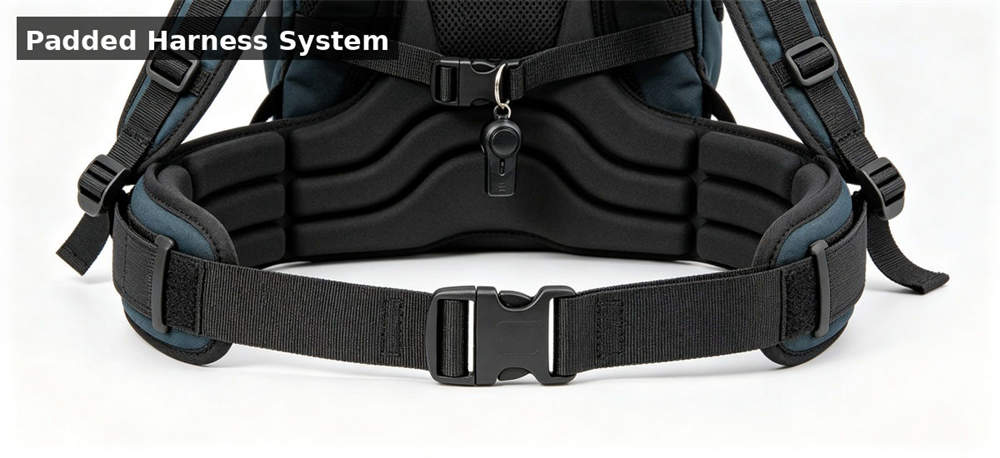
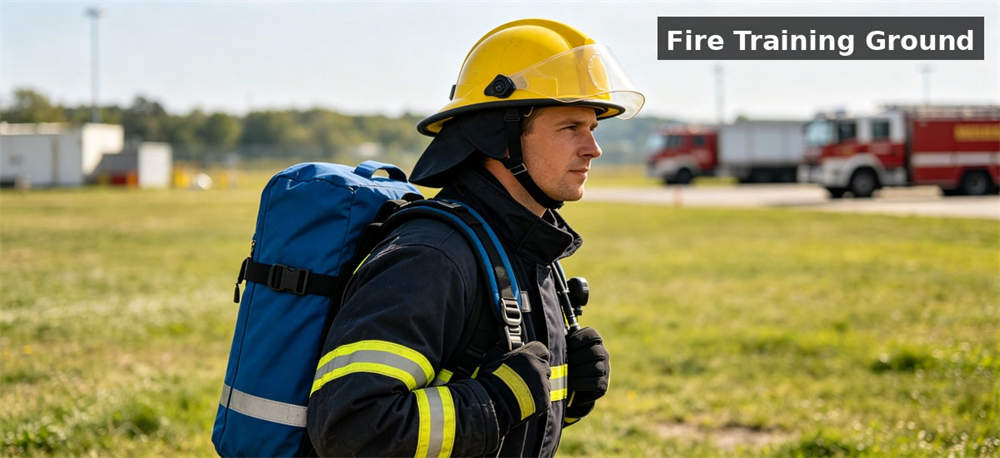
For firefighters carrying personal protective equipment, turnout gear accessories and standby supplies. Built with heat-resistant materials and helmet-compatible layout.
View firefighter gear backpack details
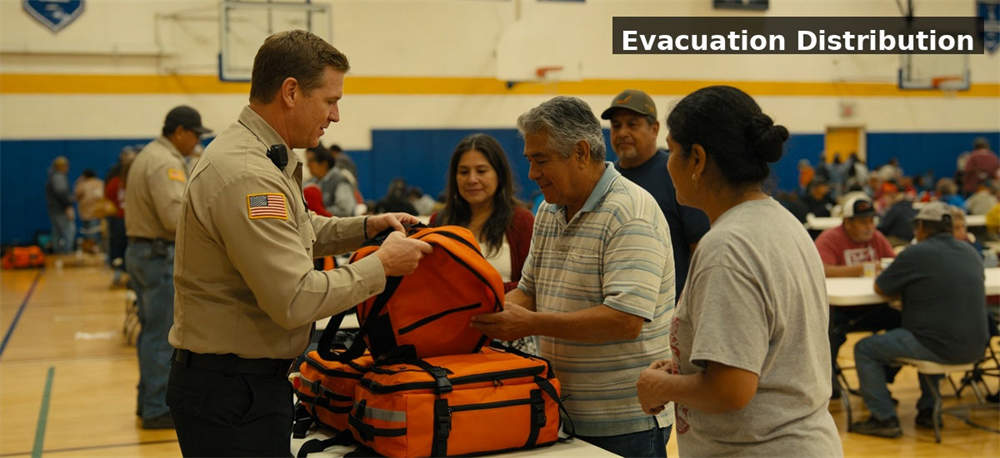
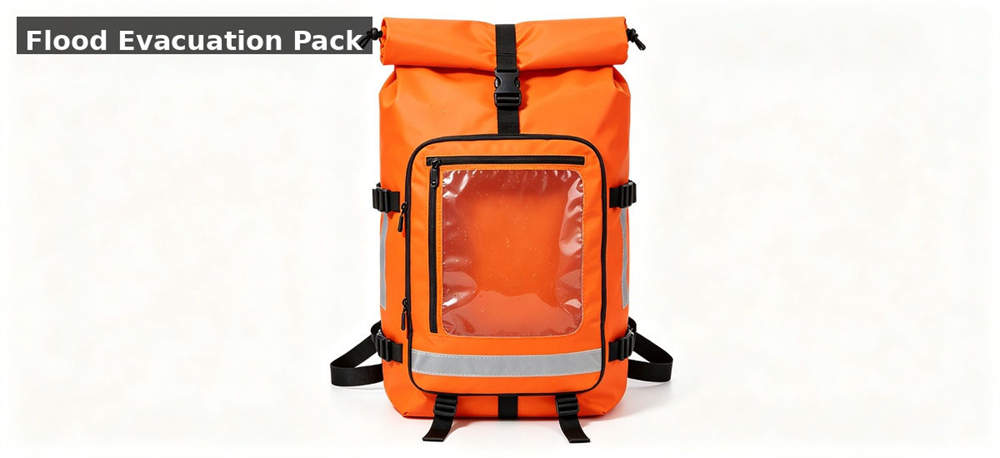
For flood relief distribution, evacuation center issue and wet-environment personal carry. Water-resistant construction protects documents, clothing and dry supplies.
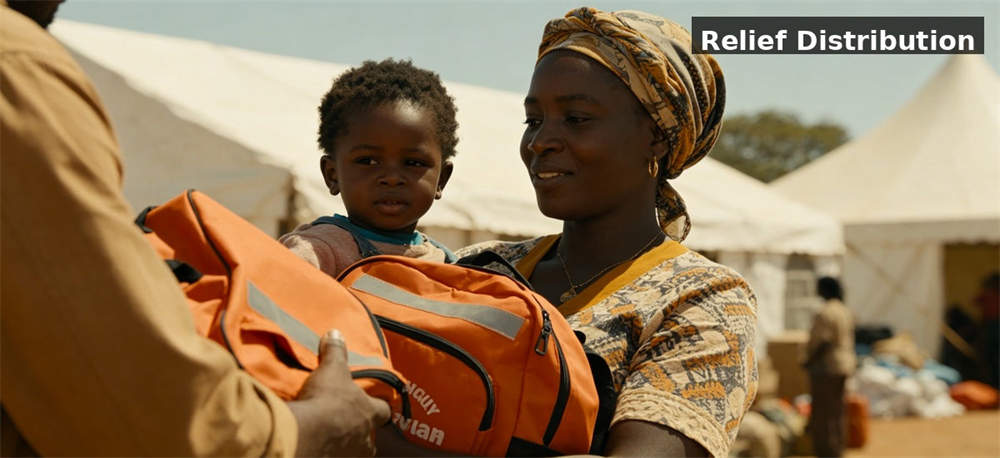
View flood evacuation backpack details
For household emergency kits, school drills, office stockpiles and shelter distribution. Compact enough to store under a desk but structured for 72-hour essentials.
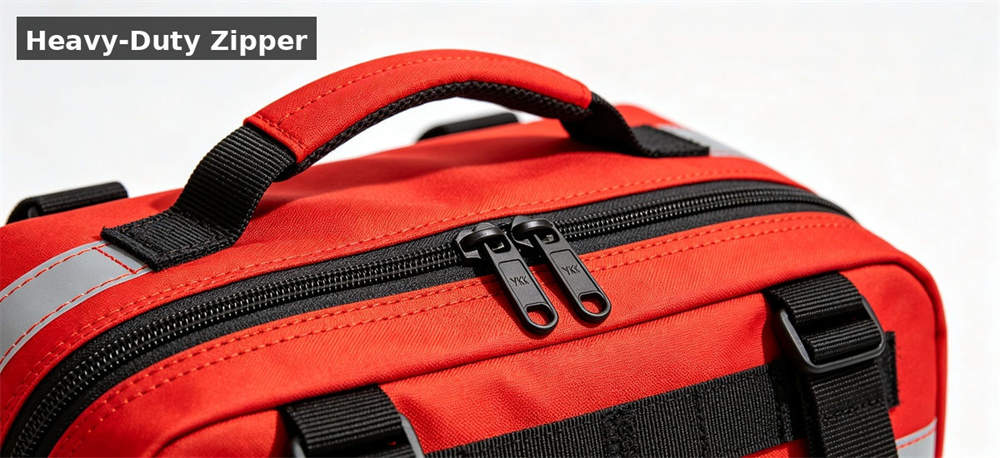
View earthquake evacuation backpack details
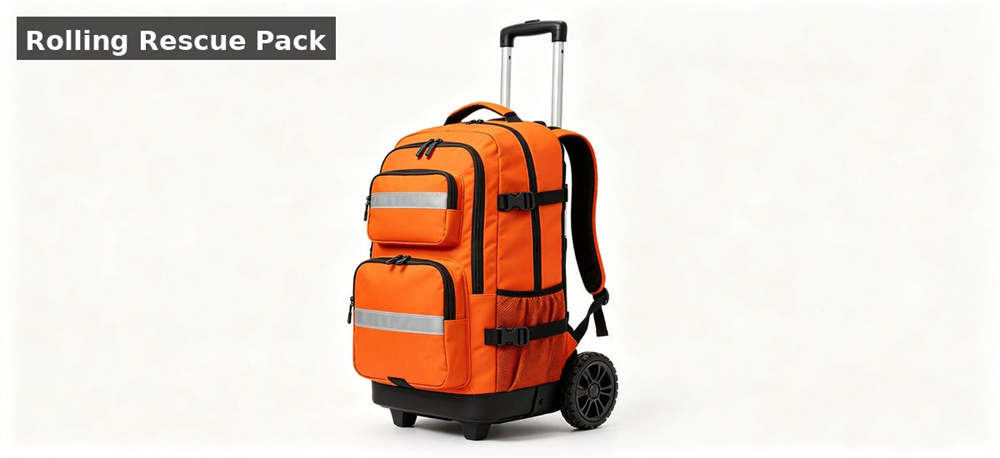
For heavy supply transport, warehouse-to-site distribution and long-distance relief convoys. Combines backpack carrying with wheels for mixed terrain.
|
Type |
Capacity |
Material |
Empty Weight |
Best For |
Water Resistance |
|
Large Rescue Pack |
60-100L |
900D-1000D Oxford + PU |
1.8-2.8kg |
Supply transfer, team gear |
PU coating (rain) |
|
Medical First-Aid Pack |
25-45L |
1680D Oxford / 600D poly |
1.2-2.0kg |
EMS, first responders |
PU/PVC coating |
|
Personal Survival Pack |
20-40L |
600D Oxford / ripstop nylon |
0.8-1.5kg |
72-hour kits, distribution |
Water-resistant |
|
Firefighter Gear Pack |
40-80L |
1000D Oxford + flame-retardant PU |
2.0-3.0kg |
Firefighter PPE carry |
PU coating + FR |
|
Flood Evacuation Pack |
30-50L |
600D-900D Oxford + TPU/PVC |
1.0-1.8kg |
Flood relief, wet areas |
TPU/PVC, welded seams |
|
Earthquake Evacuation Pack |
20-40L |
600D Oxford / polyester |
0.7-1.4kg |
Household, school, office |
Water-resistant |
|
Rolling Rescue Pack |
80-120L |
1680D Oxford + PU |
3.0-4.5kg |
Heavy transport, convoys |
PU coating (rain) |
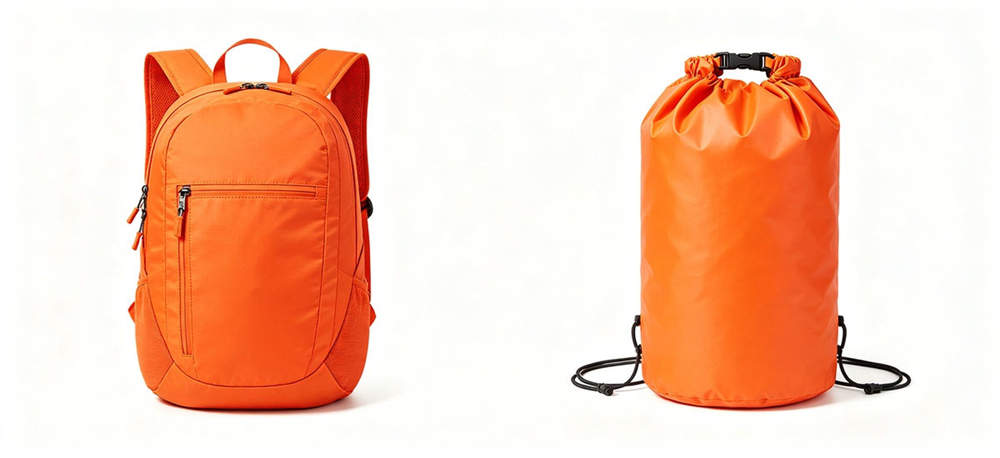
Match the backpack to who carries it, what goes inside, and how far it travels. Use this quick guide:
Selection tip: When in doubt between two sizes, choose the smaller one. Over-sized packs encourage overloading, which strains the wearer and can damage zippers and seams. A 60L pack properly loaded usually outperforms a 100L pack that is half-empty or over-stuffed.
The carrying system determines whether a loaded pack is usable for 30 minutes or 8 hours. These are the components that matter:
For bulk orders, request a sample loaded to your planned weight and have 2-3 staff of different body sizes carry it for 15-20 minutes before confirming the order.
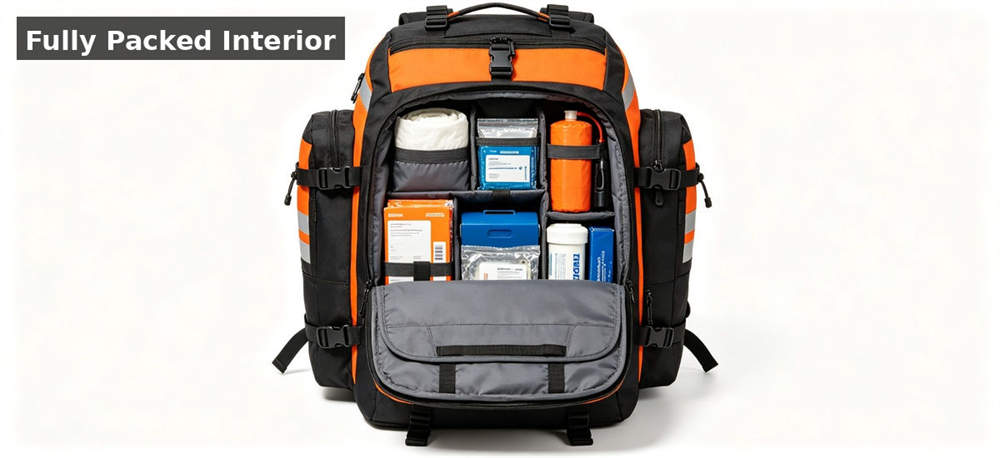
These are real-world loading examples based on actual relief and rescue projects. Use them as a starting point for your own load plan.
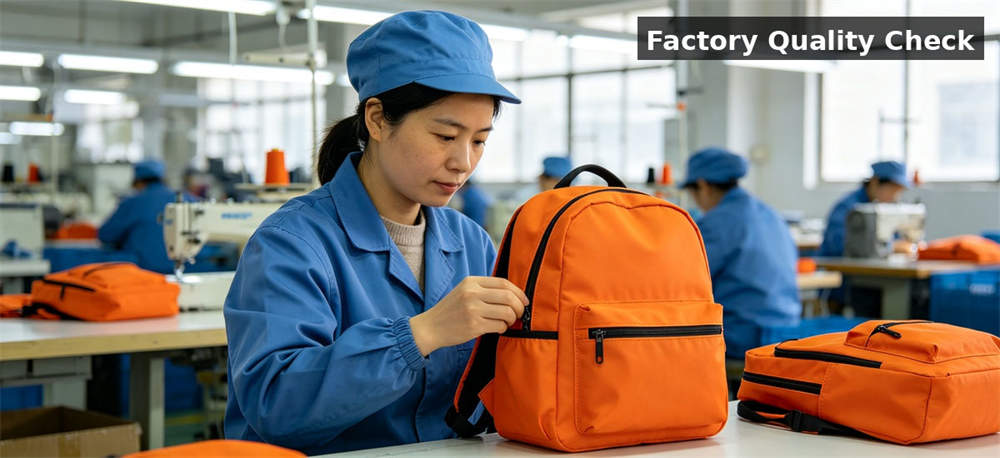
When evaluating samples or incoming shipments, check these points:
Proper care extends backpack life from 2-3 years to 5+ years:
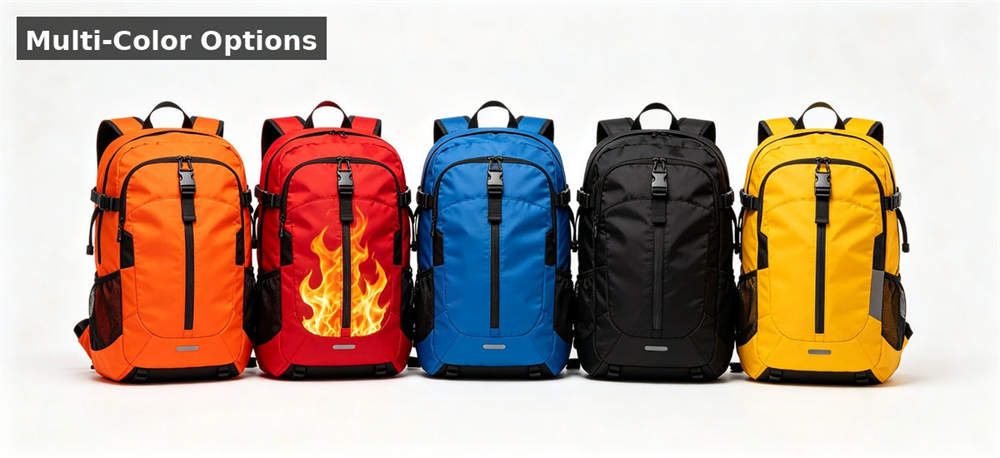
Most backpack models support these customizations for orders over 100 units:
Lead time reference: Standard stock colors and models: 15-25 working days. Custom color or material: 25-40 working days. Custom internal layout with pre-packing: 35-50 working days. Emergency rush orders can start production within 72 hours for standard models.
What is the difference between an emergency backpack and a hiking backpack?
Emergency backpacks prioritize fast access, visible identification (reflective strips, bright colors), heavy-load carrying systems (waist belts, compression straps) and rapid distribution features (ID windows, labeling). Hiking packs prioritize weight savings, ventilation and trail comfort. Emergency packs are also built for rough handling, warehouse storage and frequent issue-return cycles.
How do I know which capacity to order?
Start with a real item list: list every item with dimensions and weight, then calculate total volume. Add 10-15% buffer for access and packing. A 30L pack holds approximately 30 one-liter water bottles worth of space. For personal kits, 20-30L is usually enough. For team supply transfer, 60-80L is standard.
Can I order empty backpacks and pack supplies myself?
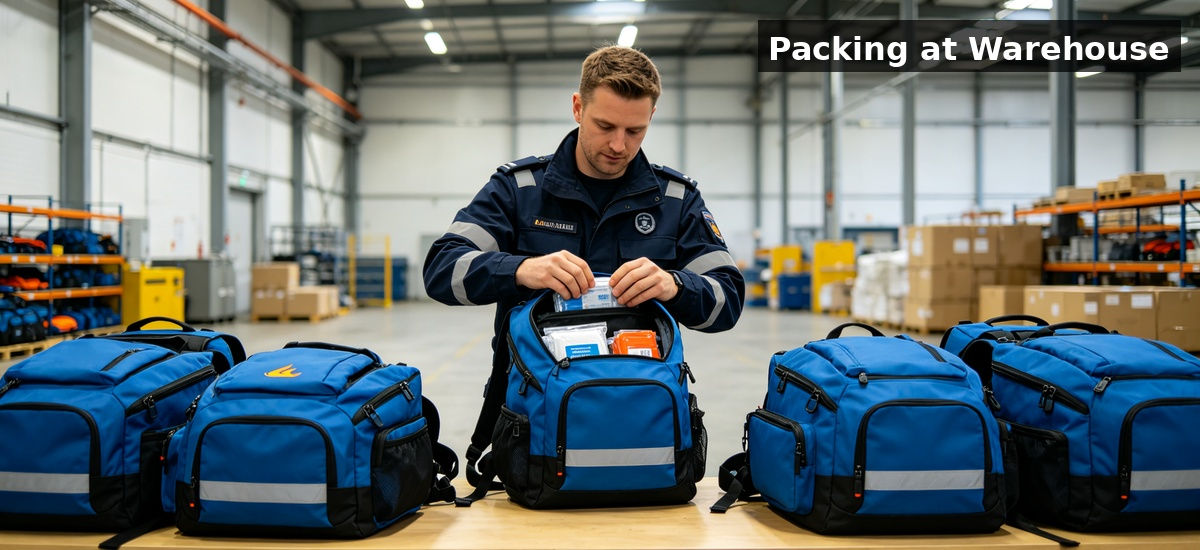
Yes. Most bulk orders are empty backpacks, and buyers pack supplies at their destination. This reduces shipping weight and allows local sourcing of perishable items like food and medications. We can provide compartment maps and loading guides to make packing consistent across units.
Water-resistant (PU coating) protects against rain and splashes for short exposure. Waterproof (TPU/PVC coating with welded seams) protects against full immersion and prolonged wet conditions. Flood evacuation packs use waterproof construction; general rescue and personal packs use water-resistant construction.
How much weight can these backpacks carry safely?
Rated load depends on model: personal packs (20-40L) are rated for 5-10kg; medical packs (25-45L) for 8-15kg; large rescue packs (60-100L) for 15-25kg; rolling packs (80-120L) for 25-40kg. The wearer's safe carrying limit is generally 15-20% of body weight for prolonged carrying.
No. Flame-retardant (FR) material resists ignition and self-extinguishes, but it will burn if exposed to direct flame or high heat for extended periods. FR backpacks are designed for proximity to fire (firefighter standby, wildfire base camp), not for entering burning structures. Always check the specific FR standard and test report.
Can I mix backpack types in one order?
Yes. Many projects order a mix: for example, 50 large rescue packs for teams, 200 personal survival packs for individual issue, and 30 medical backpacks for first-aid stations. Mixed orders are packed in separate labeled cartons by type and configuration.
Standard models in stock colors: 50 units. Custom logo: 100 units. Custom color or material: 500 units. Smaller trial orders of 10-20 units may be available for sample evaluation before committing to a bulk order.
Backpack fit depends on torso length, not height. Measure from the C7 vertebra (bone at base of neck) to the top of the hip bone. Most emergency packs have adjustable torso lengths. For bulk orders covering mixed body sizes, choose packs with adjustable shoulder strap height and waist belt length.
Do these backpacks come with a warranty?
Standard warranty covers manufacturing defects (stitching, zipper failure, coating defects) for 12 months from delivery. Damage from overloading, improper use, or normal wear is not covered. Extended warranty and replacement programs can be arranged for large institutional orders.
We can help arrange third-party test reports based on your project requirements, including fabric strength (tear, tensile), waterproof rating (IPX), flame retardancy (if applicable), and load-bearing tests. Report scope and timing are confirmed per project.
How are backpacks packed for shipping?
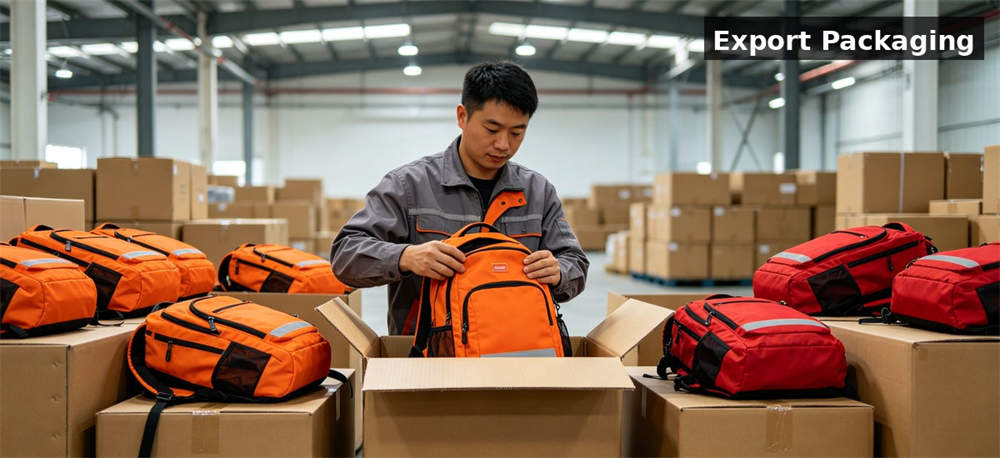
Standard: each backpack in a polybag, 10-20 packs per carton (depending on size). Cartons labeled with type, color, quantity and PO number. For distribution projects, we can pack by site, configuration or end-user group with custom carton markings.
What is the typical lifespan of an emergency backpack?
With proper care and storage: 3-5 years for personal and medical packs, 5-8 years for heavy-duty rescue and rolling packs. UV exposure, frequent washing, and overloading shorten lifespan. Inspect all stockpile packs annually and replace any with cracked coating, failed zippers, or torn stitching.
Yes. We offer pre-packing service for projects that need ready-to-issue kits. You provide the supply list and packing layout; we source or receive supplies, pack to your specification, and label each unit. Pre-packed orders require additional lead time and are quoted per configuration.
How do reflective strips perform at night?
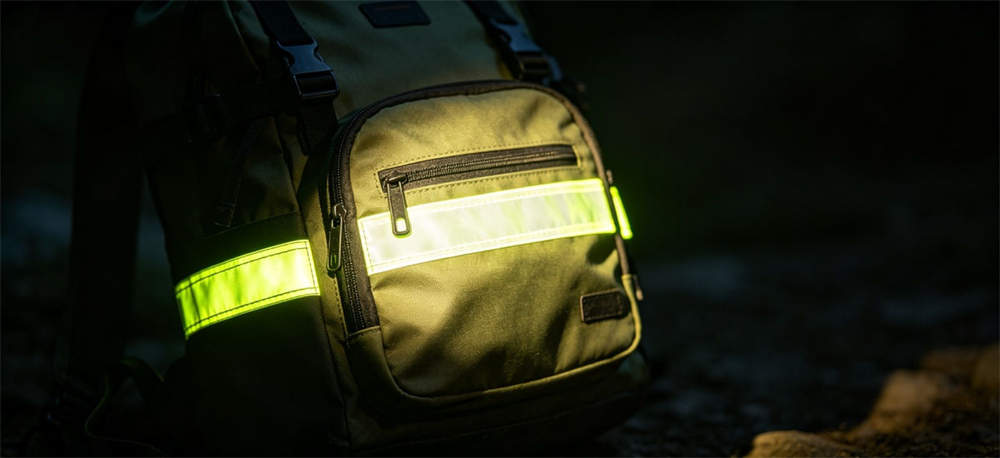
Sewn-on reflective strips (2-5cm wide) are visible from 100-150 meters under vehicle headlights. Printed reflective coatings fade faster and are less durable. For emergency use, always specify sewn-on reflective strips, not printed. Check that strips are positioned on shoulders, sides and front for 360-degree visibility.
Oxford cloth (polyester) is heavier, more abrasion-resistant and more affordable — standard for emergency packs. Nylon is lighter, more flexible and more water-resistant but more expensive — used for premium and ultralight models. Both are available with PU, TPU or PVC waterproof coatings.
Can I use these backpacks for air travel as checked luggage?
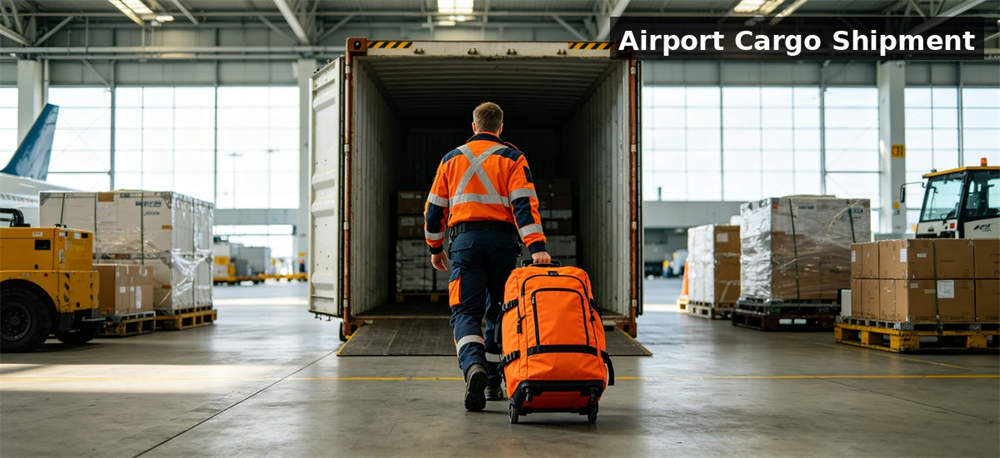
Large rescue packs (80L+) and rolling packs may exceed standard airline checked baggage dimensions (usually 158cm total). Check with your airline. Personal and medical packs (20-45L) generally fit within carry-on or checked limits. Empty packs weigh less and are easier to transport than pre-packed kits.
If mold has formed, the backpack may be beyond safe use — mold spores can remain in fabric and coating. Brush off dry mold outdoors, then wash with a mixture of water and white vinegar (1:4 ratio), air dry completely. If mold smell remains or coating is damaged, replace the pack. Never issue a moldy pack to end users.
Are there backpacks specifically designed for children?
Yes. Children's evacuation packs (10-20L) have shorter torso lengths, smaller shoulder straps, lighter construction and bright colors with reflective strips. They are designed for ages 6-12 and loads under 3kg. Minimum order for children's sizes is typically 200 units.
What information do I need to provide for a quotation?
For an accurate quotation, provide: backpack type and capacity, quantity, color, logo requirements (if any), internal layout changes (if any), packing requirements, destination country, and target delivery date. The more detail you provide, the more accurate the quotation and the fewer surprises during production.
Emergency backpacks are often procured alongside these categories:
Send us your item list, quantity, destination and any custom requirements. We will recommend the right backpack type, confirm specifications and provide a project quotation.
INTERNAL LINK CARD AREA - target page and URL pending
YRF Textile · Emergency Response Backpacks · Tel/WhatsApp: +86 13702995607 · Email: info@yrftextile.com · Made in China
Enlaces amistosos :
Derechos de autor © Custom Disaster - Relief Bedding: Tents, Sleeping Bags, Blankets Reservados todos los derechos
el equipo profesional al servicio !