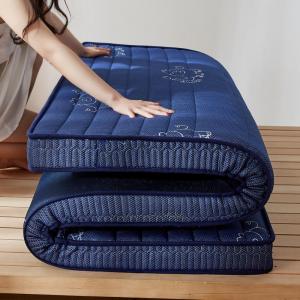
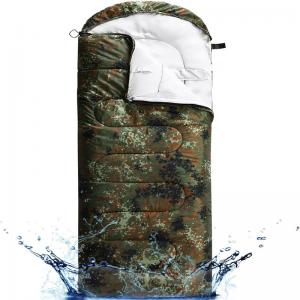
Bedding sets are one of the highest-turnover items in emergency shelters, military barracks, police quarters, correctional facilities and institutional dormitories. The right set depends on who uses it, how often it is washed, and the color identity required by each organization. This guide compares three fabric types — cotton, polycotton and polyester — with real specifications, size charts, color codes and packing estimates for bulk orders.
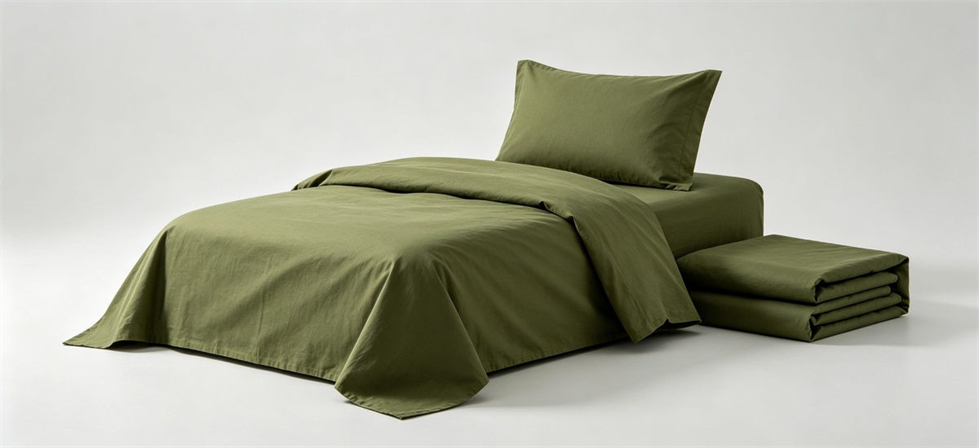
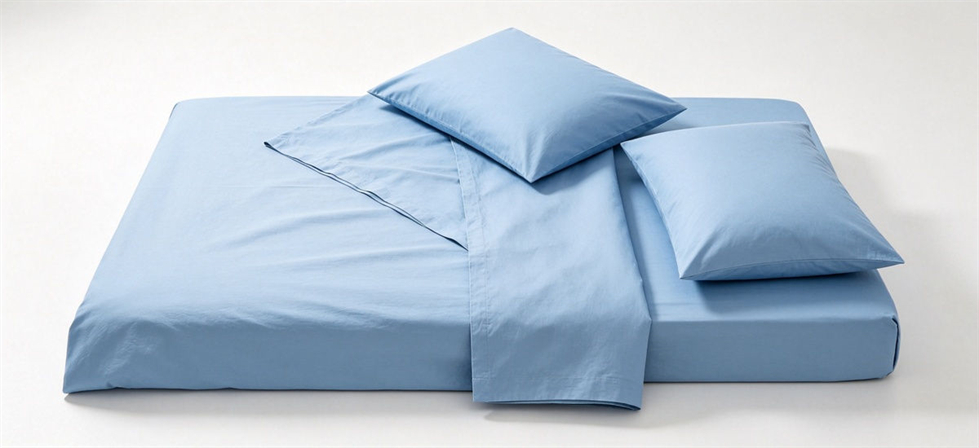
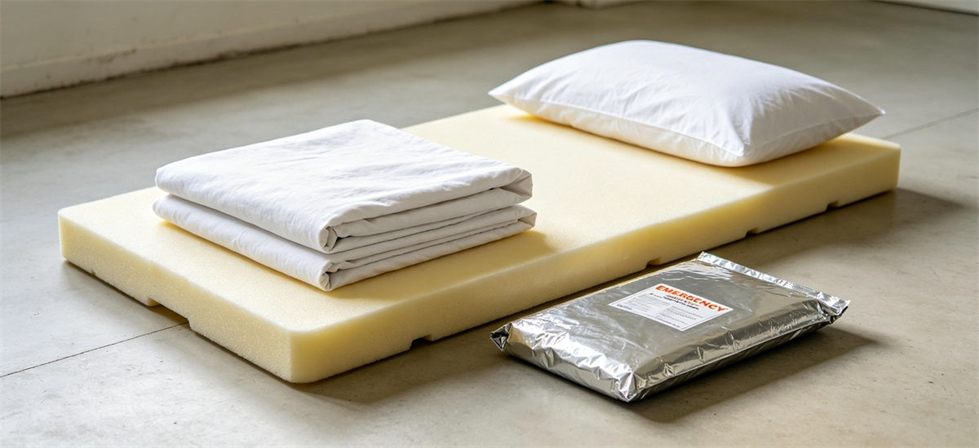
A standard three-piece set includes one bed sheet, one duvet cover and one pillowcase. Four-piece sets add a second pillowcase. Mattresses, duvet inserts, pillows and blankets are separate products and should be ordered independently.
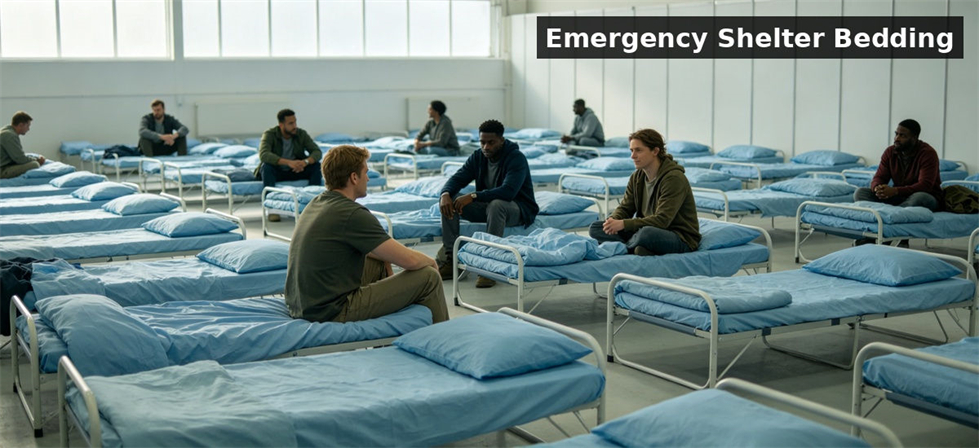
Step 1 — Who will use it? Emergency shelter → polycotton or polyester, easy-wash. Military barracks → olive green polycotton, durable. Police quarters → navy blue polycotton, professional. Correctional → tear-resistant polyester or polycotton. School dormitory → cotton or polycotton, soft. Hospital staff → cotton or polycotton, frequent wash.
Step 2 — How often is it washed? Weekly or more → polycotton T/C 65/35 (durable, quick-dry). Monthly → cotton 100% (softer, breathable). Long-term reserve → polyester (mildew-resistant).
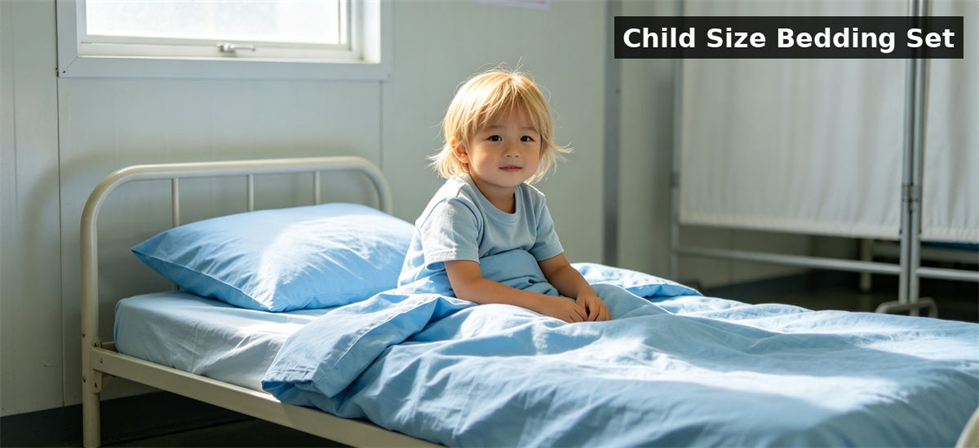
Step 3 — What bed size? Single bunk 90×200cm → sheet 160×220cm, duvet 150×200cm, pillowcase 48×74cm. Double 150×200cm → sheet 230×250cm, duvet 200×230cm, two pillowcases. Child 70×170cm → sheet 130×190cm, duvet 120×180cm, pillowcase 40×60cm.
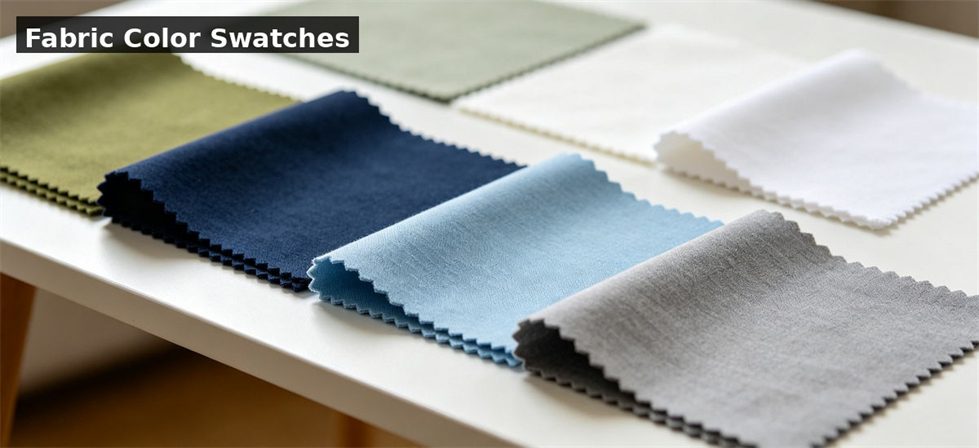
Step 4 — Color identity? Military → olive green (Pantone 18-0628 or similar). Police → navy blue (Pantone 19-3832 or similar). Emergency shelter → light blue or grey. Correctional → standard issue colors per facility. Always confirm the physical color swatch before bulk production.
Step 5 — Confirm before ordering: Always verify fabric type (cotton / polycotton / polyester), thread count (T/C), fabric weight (GSM), finished dimensions, color swatch and packaging together. A "cotton feel" label does not mean 100% cotton — check the composition label.
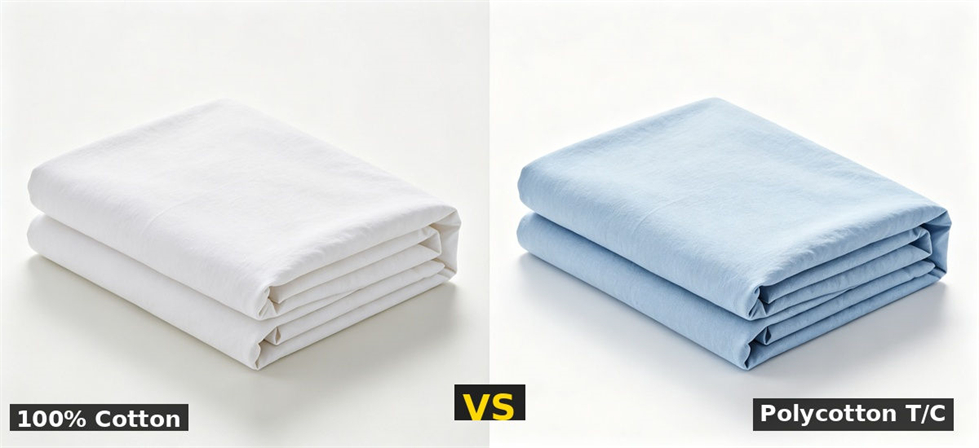
The softest and most breathable option. Best for institutions where comfort is a priority and washing frequency is moderate. More expensive and shrinks more than polycotton, but preferred by hospitals, hotels and premium dormitories.
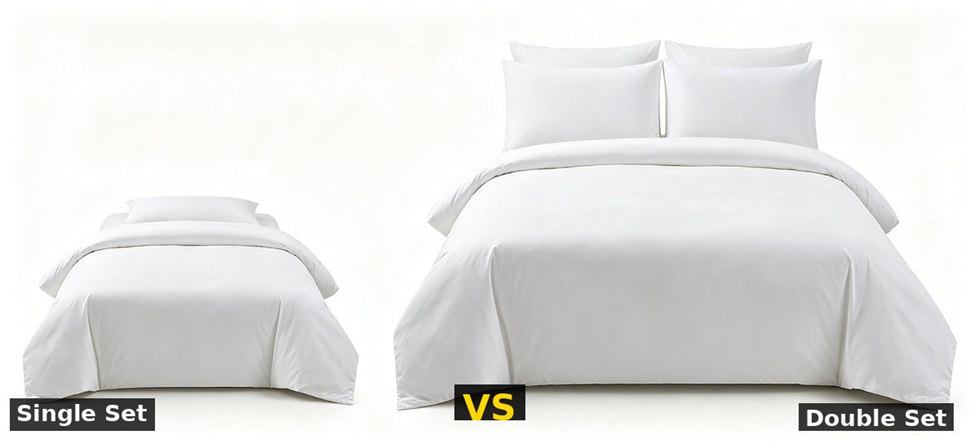
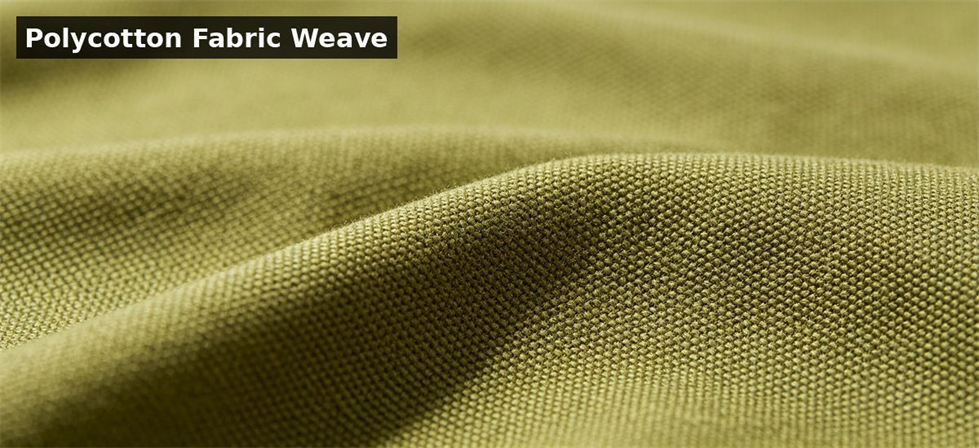
The best balance of comfort, durability and cost. Polycotton (typically 65% polyester / 35% cotton) is wrinkle-resistant, quick-drying and shrinks less than pure cotton. The standard choice for emergency shelters, military barracks, police quarters and school dormitories.
View polycotton bedding set range
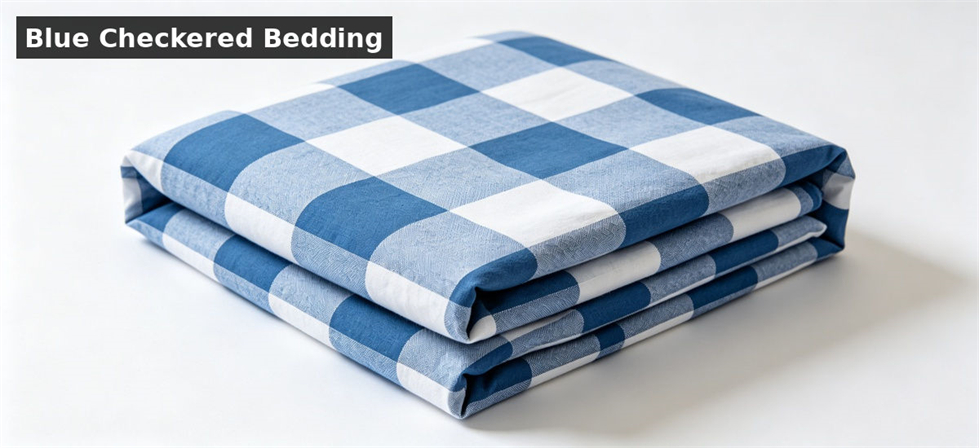
The most durable and mildew-resistant option. Lowest cost, fastest drying, and resists shrinking and wrinkling. Less breathable than cotton or polycotton, but ideal for long-term storage reserves, correctional facilities and high-turnover emergency use.
View polyester bedding set range
|
Feature |
100% Cotton |
Polycotton T/C 65/35 |
100% Polyester |
|
Softness |
Excellent |
Good |
Fair-Good (microfiber) |
|
Breathability |
Excellent |
Good |
Fair |
|
Durability |
Fair |
Excellent |
Excellent |
|
Shrinkage |
3-5% |
1-3% |
Under 1% |
|
Quick-dry |
Slow |
Medium |
Fast |
|
Wrinkle resistance |
Poor (needs ironing) |
Good |
Excellent |
|
Mildew resistance |
Poor |
Good |
Excellent |
|
Cost level |
High |
Medium |
Low |
|
Typical GSM |
130-180 |
110-150 |
90-130 |
|
Best wash frequency |
Monthly |
Weekly |
Weekly+ |
|
Single set weight |
0.9-1.1kg |
0.7-0.9kg |
0.5-0.7kg |
✅ For projects sourcing sleeping bags in volume, explore bulk sleeping bags Emergency Sleeping Bag Selection for Bulk Procurement to compare insulation levels, constructions, and field-use options.
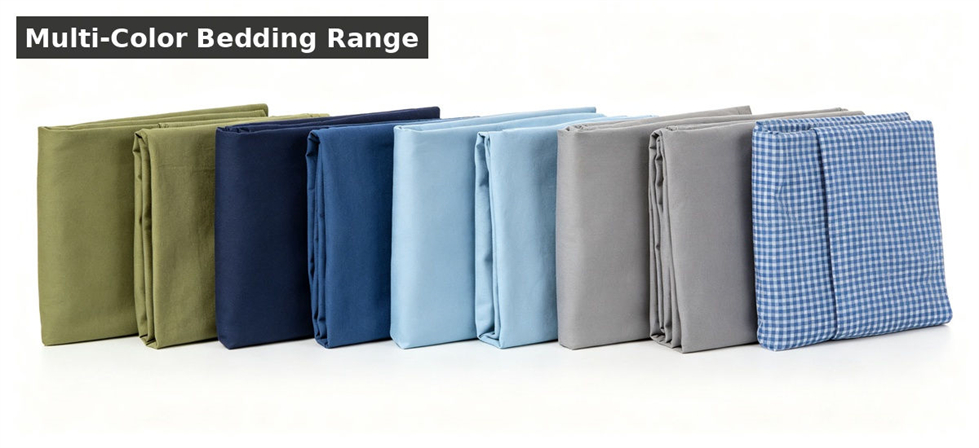
Key point: For most institutional bulk orders, polycotton T/C 65/35 at 130 GSM is the default choice — it balances comfort, durability and cost. Choose cotton only when comfort is the top priority and washing is infrequent. Choose polyester for long-term storage, humid climates or maximum cost savings. Always confirm the fabric composition on the sewn-in label, not just the product name.
|
Bed type |
Mattress size |
Bed sheet |
Duvet cover |
Pillowcase |
Set pieces |
|
Single bunk |
90×200cm |
160×220cm |
150×200cm |
48×74cm |
3-piece |
|
Single wide |
100×200cm |
170×220cm |
160×210cm |
48×74cm |
3-piece |
|
Double |
150×200cm |
230×250cm |
200×230cm |
48×74cm ×2 |
4-piece |
|
Queen |
160×200cm |
240×260cm |
210×240cm |
48×74cm ×2 |
4-piece |
|
Child / junior |
70×170cm |
130×190cm |
120×180cm |
40×60cm |
3-piece |
|
Toddler / infant |
60×120cm |
110×150cm |
100×140cm |
30×50cm |
3-piece |
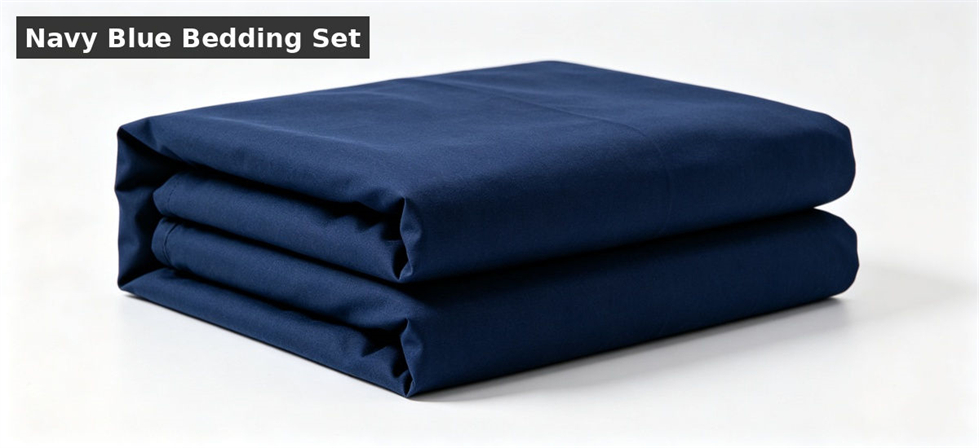
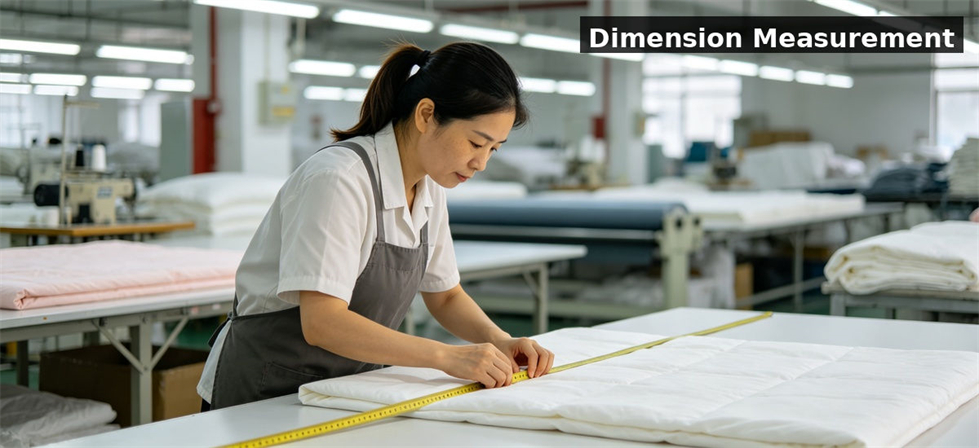
Measurement tip: Always measure the actual mattress or bed frame before ordering — "single bed" can mean 90×190cm, 90×200cm or 100×200cm depending on the country and facility. Sheet dimensions should be 20-30cm larger than the mattress on each side to allow tucking. Duvet cover should match the duvet insert dimensions exactly, not the bed size.
Different organizations have different color identities and functional requirements. Select the fabric, weight and color based on the end user group below.
Recommended fabric: Polycotton T/C 65/35, 110-130 GSM
Standard colors: Light blue (Pantone 14-4318), grey (Pantone 17-1500), white
Set type: 3-piece single set, sheet + duvet cover + pillowcase
Why: Easy to wash frequently, quick-drying, neutral colors suit mixed populations. Light blue conveys cleanliness and calm.
Packing: One set per PVC bag, 20 sets per carton
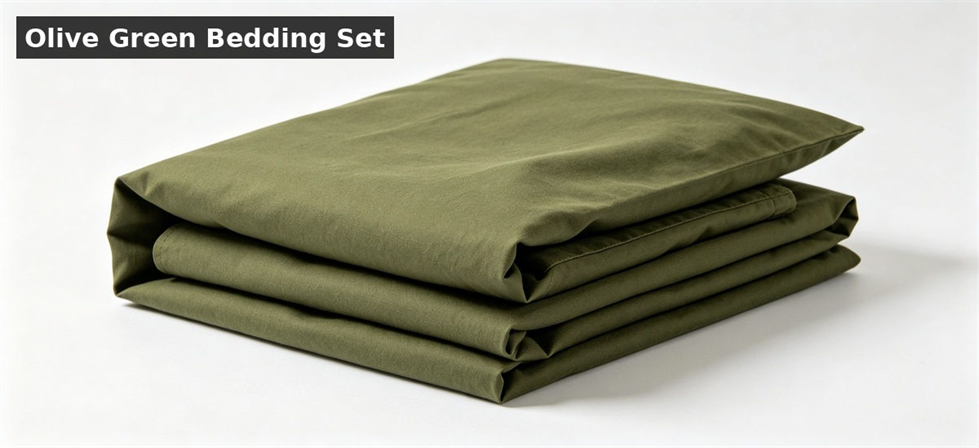
Recommended fabric: Polycotton T/C 65/35, 130 GSM (durable for field use)
Standard colors: Olive green (Pantone 18-0628), khaki (Pantone 16-1316)
Set type: 3-piece single set, often with additional pillowcase option
Why: Olive green is the standard military bedding color worldwide. Polycotton withstands frequent field washing and resists wrinkling during deployment.
Note: Color must match the exact military shade specified in the tender. Always confirm the physical color swatch against the standard before production.

Recommended fabric: Polycotton T/C 65/35, 130 GSM or cotton 150 GSM
Standard colors: Navy blue (Pantone 19-3832), dark blue
Set type: 3-piece or 4-piece single set
Why: Navy blue conveys professionalism and authority. Dark color hides stains from shift-work use. Polycotton holds up to weekly washing in shared quarters.
Note: Police bedding often requires specific navy shades — confirm the department's standard color reference before bulk dyeing.
Recommended fabric: Polyester or heavy polycotton 130-150 GSM (tear-resistant)
Standard colors: Grey, beige, institutional blue (per facility specification)
Set type: 3-piece single set, simplified construction without small parts
Why: Durability and ease of inventory management are priorities. Tear-resistant fabric reduces replacement frequency. Colors are specified by each facility.
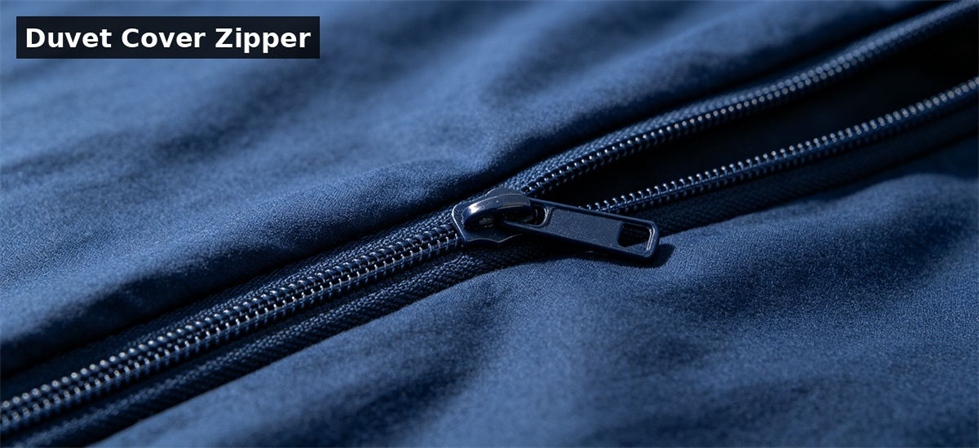
Note: Correctional bedding may have special construction requirements (no zippers, reinforced seams, no detachable small parts). Confirm all facility-specific rules before production.
✅ For temporary-accommodation projects requiring portable beds, visit camp beds wholesale Emergency Folding Beds for Temporary Accommodation Procurement to review bulk procurement, transport, and rapid-deployment options for folding beds.
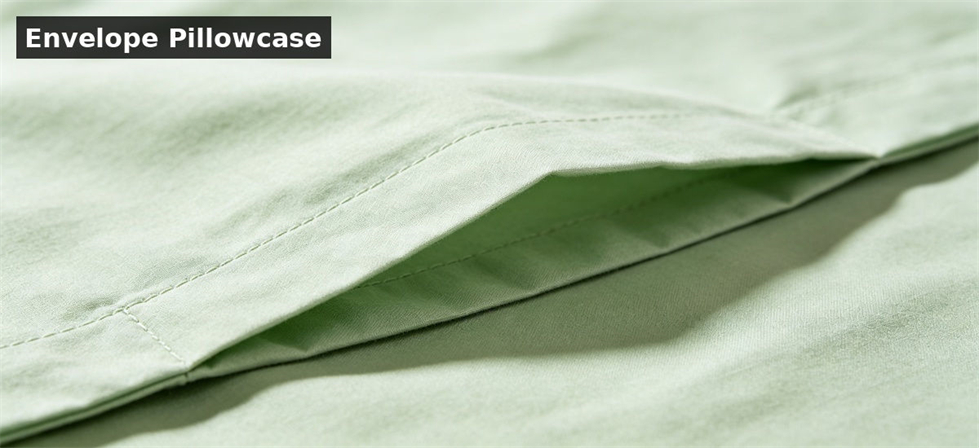
Recommended fabric: Polycotton T/C 65/35 130 GSM or cotton 130 GSM
Standard colors: White, blue stripe, blue check, light grey
Set type: 3-piece single set (bunk bed standard)
Why: Students wash bedding at varying frequencies — polycotton is forgiving. Stripe or check patterns hide minor stains and give a clean, uniform look.
Note: School colors or logos can be woven or printed on the pillowcase or sheet hem for institutional identity.
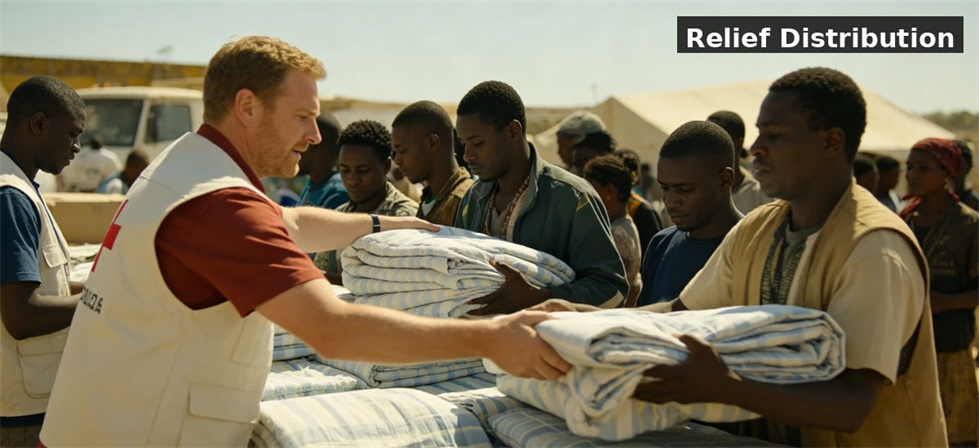
Recommended fabric: Cotton 150 GSM or polycotton 130 GSM (high-frequency wash)
Standard colors: White, light blue, pale stripe
Set type: 3-piece single set
Why: Hospital staff quarters require frequent laundering at higher temperatures. Cotton or quality polycotton with reactive dye withstands repeated hot washing better than economy polyester.
Note: This is staff housing bedding, not patient-bed linen. Patient bed linen has different standards (antimicrobial, boil-washable) and should be ordered separately.
When one order serves multiple buildings, user groups or destinations, color coding reduces sorting errors and simplifies inventory management.
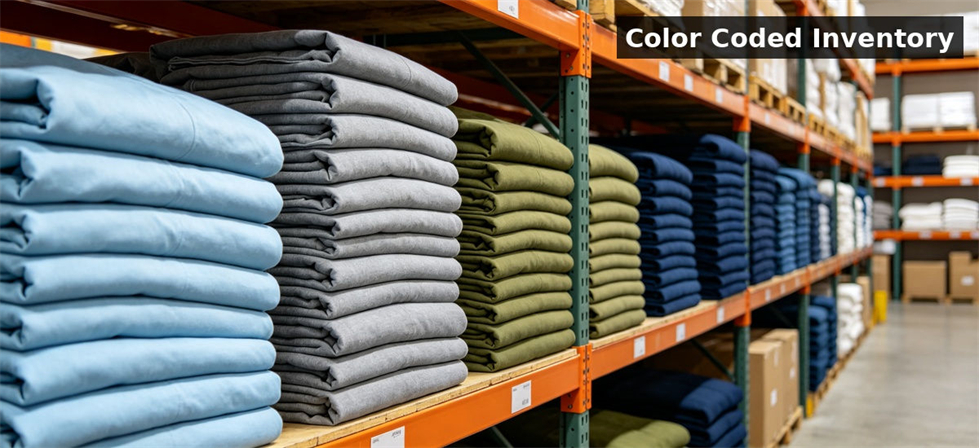
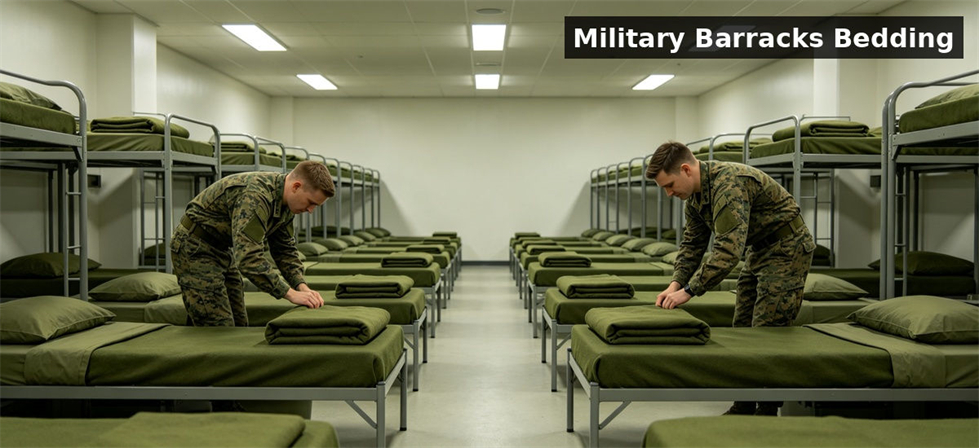
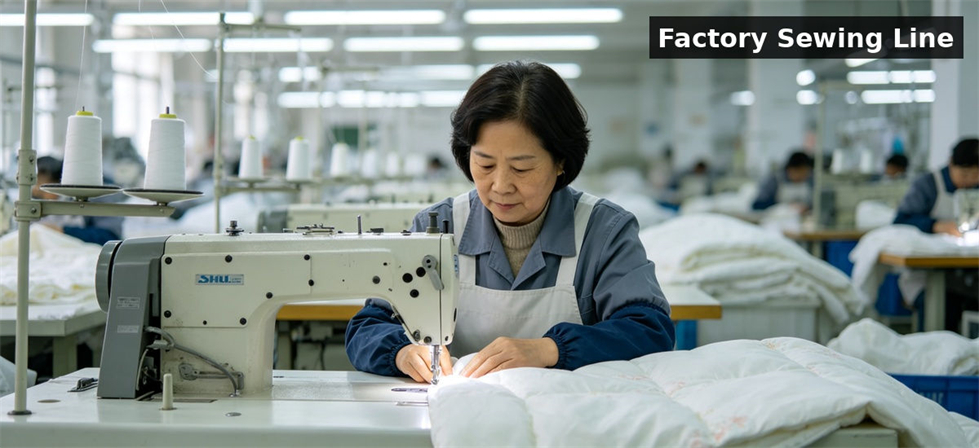
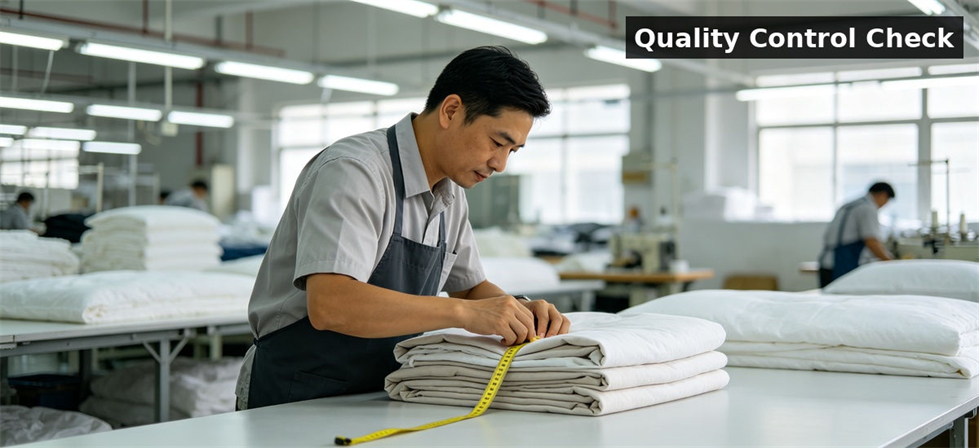
Example split order for a combined emergency shelter and military barracks project:
Weight calculation: Polycotton 130 GSM × total fabric area per set (sheet 3.52m² + duvet 3.0m² + pillowcase 0.36m² = 6.88m²) × 130g = approx 895g fabric + thread + packaging ≈ 0.8-0.9kg finished set. Always add 5-10% for carton and packaging weight when calculating freight.
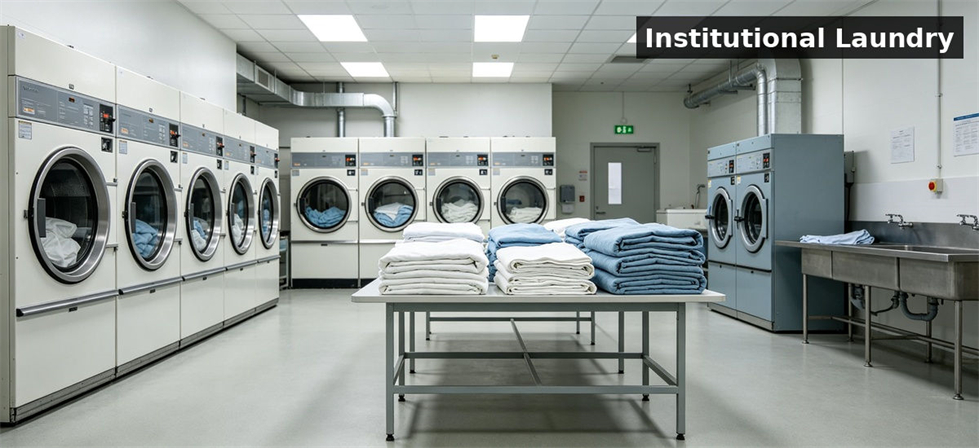
We can help arrange third-party test reports based on your project requirements. Common standards for institutional bedding include:
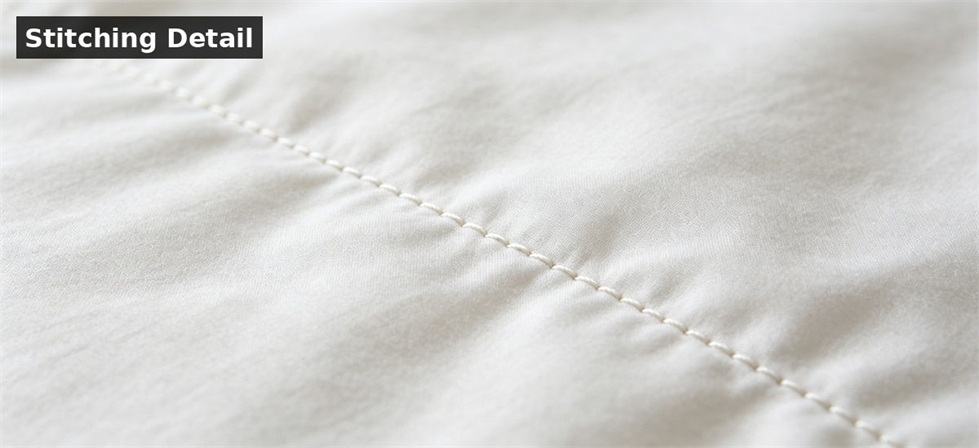
Testing scope, sampling method, laboratory and report format are confirmed per project. Provide your destination market and required standards, and we will prepare a testing plan.
✅ When rapid shelter deployment matters, Emergency Shelter Bedding Wholesale Budget Relief Bedding Supplier delivers cost-cutting emergency bedding sets bulk engineered for mass refugee camps and winterization programs. As a dedicated bedding supplier for NGOs and government relief agencies, we ship ready-to-distribute bulk bedding packages that respect tight budget lines. Request a quote now.
A standard three-piece set includes one flat bed sheet, one duvet cover and one pillowcase. A four-piece set adds a second pillowcase for double beds. Some suppliers use a fitted sheet instead of a flat sheet — always confirm which type in the written specification. Mattresses, duvet inserts and pillows are separate products.
Polycotton T/C 65/35 at 110-130 GSM is the most common choice for emergency shelters. It is durable enough for weekly washing, quick-drying, wrinkle-resistant and costs less than cotton. Light blue or grey are standard colors. For tropical humid climates or long-term reserve storage, 100% polyester at 110 GSM offers better mildew resistance at lower cost.
What color is standard for military barracks bedding?
Olive green is the standard military bedding color worldwide, though the exact shade varies by country and branch. Common references include Pantone 18-0628 (olive green) and khaki shades. Always confirm the exact color standard in the tender document and approve a physical fabric swatch before bulk production — screen colors do not match dyed fabric.
Navy blue is the standard police bedding color, with Pantone 19-3832 being a common reference. Some departments use dark blue or black. As with military bedding, the exact shade must be confirmed against the department's standard and a physical swatch approved before dyeing.
For a 90×200cm single bunk bed: flat sheet 160×220cm, duvet cover 150×200cm, pillowcase 48×74cm. The sheet is 20-30cm larger than the mattress on each side to allow tucking. If using a fitted sheet, confirm the mattress depth (usually 15-25cm) as well.
Check the sewn-in label on each component for the fiber composition (e.g., "65% polyester 35% cotton"). For verification, cut a small sample and perform a burn test: cotton burns quickly with paper-like ash; polyester melts and drips; polycotton shows both characteristics. For formal verification, request an ISO 1833 fiber composition test report from a third-party laboratory.
Pigment dye sits on the fabric surface — lower cost, suitable for dark colors, colorfastness grade 3. Reactive dye bonds chemically with cotton fibers — better colorfastness (grade 3-4), softer hand feel, costs 15-25% more. For frequent-wash institutional bedding, reactive dye is recommended for cotton and quality polycotton sets. Polyester uses disperse dye for bright colors.
Polycotton 130 GSM single 3-piece set: approx 0.7-0.9kg. Cotton 150 GSM single 3-piece set: approx 0.9-1.1kg. Polyester 110 GSM single 3-piece set: approx 0.5-0.7kg. Weight varies with finished dimensions and fabric GSM. Always confirm the actual weight on the sample and use it for freight calculation.
For polycotton 130 GSM single sets packed 20 per carton (60×40×30cm = 0.072 CBM each), a 20ft container (25-28 CBM usable) holds approximately 340-380 cartons = 6,800-7,600 sets. Cotton sets are heavier and bulkier (approx 5,000-6,000 sets). Polyester sets are lighter (approx 8,000-9,000 sets). Actual loading depends on carton stacking and pallet use.
✅ For bulk procurement of emergency frame tents, visit wholesale tent Emergency Frame Tents for Bulk Procurement to compare tent specifications, structural configurations, and deployment needs.
Yes. Logos can be embroidered on the pillowcase or sheet hem, or printed on the duvet cover. Embroidery is more durable for frequent washing but costs more. Printing is cost-effective for large quantities. Provide the logo in AI or vector format and confirm placement before production. Minimum quantities may apply for custom embroidery.
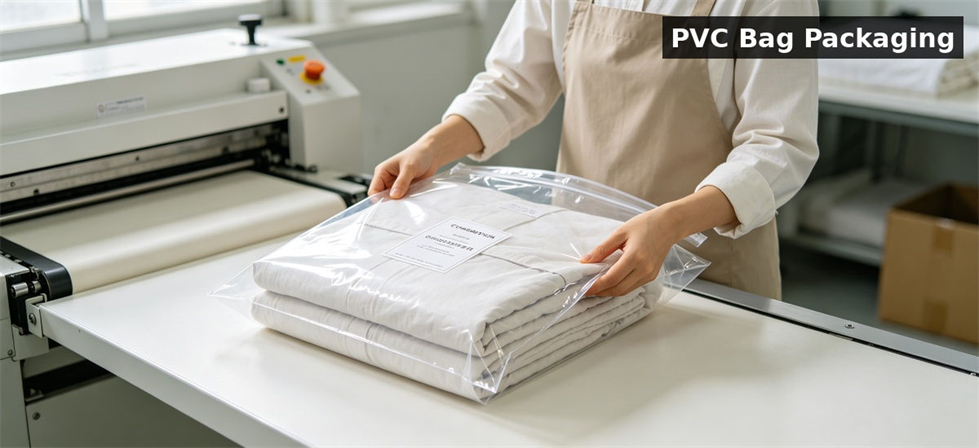
Standard packing: one set per clear PVC bag (with composition and size label), 20 sets per export carton. For correctional facilities, sets may be packed without individual bags to reduce contraband risk. For multi-color orders, each carton must clearly show the color name, set type, quantity and destination in large text. Always confirm packing requirements with the receiving organization.
Standard colors and sizes in polycotton: 7-15 working days. Custom colors or logos: 15-25 working days. Cotton sets with reactive dye or custom weave: 20-30 working days. Final lead time is confirmed in the contract after specification and color swatch approval.
How do I prepare a repeat order for bedding sets?
Reference the original order's fabric type, GSM, dimensions, color swatch (with dye lot number), set contents and packing. If any parameter has changed (new color standard, different bed size, updated logo), request a new sample before bulk production. Do not rely only on the old product name — materials and dye lots can change between orders.
Send: fabric type (cotton / polycotton / polyester), GSM or thread count, set contents and each component's dimensions, color reference (Pantone or physical swatch), quantity, destination country, required certifications, logo or embroidery needs, and packing preference. The more detail provided, the more accurate the quotation and the fewer surprises during production.
Bedding sets are usually ordered together with these product categories:
Emergency Foam Mattresses — beds and ground insulation
Folding Beds — elevated sleeping for shelters
Emergency Relief Blankets — extra warmth layer
Emergency Sleeping Bags — outdoor and cold-weather use
Mosquito Nets — tropical shelter protection
All Disaster Preparedness Supplies
Send us your client type, fabric preference, color standard, bed dimensions and quantity. We will recommend the right fabric GSM, confirm color swatches, and provide a project quotation with packing estimates.
1.
|
WhatsApp ContactQuick response for urgent orders |
 |
|
YRF Textile · Emergency Bedding Sets Guide · Tel/WhatsApp: +86 13702995607 · Email: info@yrftextile.com · China
Enlaces amistosos :
Derechos de autor © Custom Disaster - Relief Bedding: Tents, Sleeping Bags, Blankets Reservados todos los derechos
el equipo profesional al servicio !