Coastal and offshore rescue operations present unique challenges that differ significantly from inland water rescue. Open ocean conditions include large swells, strong currents, limited visibility, saltwater corrosion, and extended operation times that demand specialized coastal rescue equipment configured for maritime environments. This guide provides a complete equipment configuration framework for coast guard teams, maritime rescue organizations, and government procurement officers responsible for outfitting professional offshore rescue units.
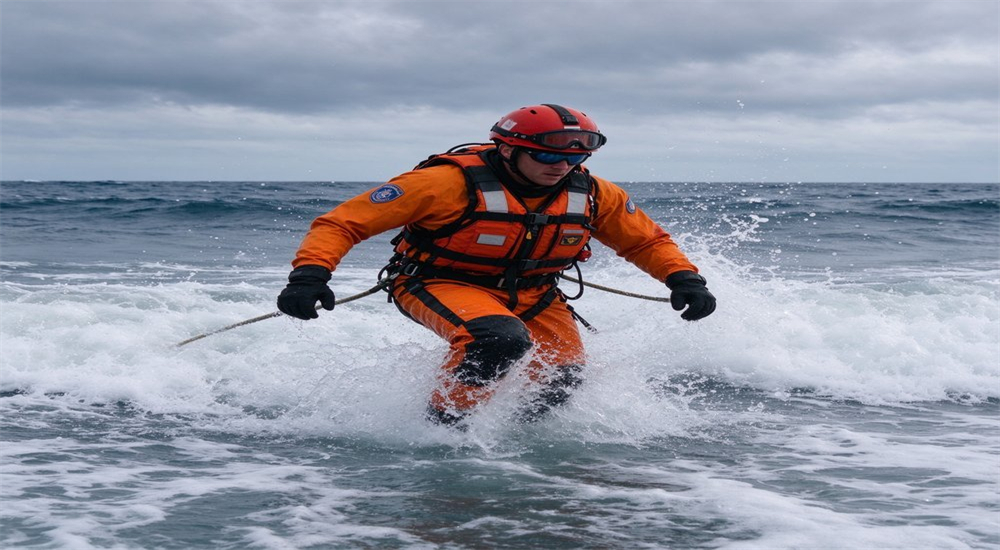
Maritime rescue equipment must satisfy three simultaneous requirements that inland gear does not: sufficient buoyancy for fully clothed rescuers in rough seas, thermal protection for extended exposure in cold ocean water, and corrosion resistance for repeated saltwater immersion. The following sections break down each equipment category with specific selection criteria, configuration recommendations, and procurement considerations for professional marine rescue gear programs.
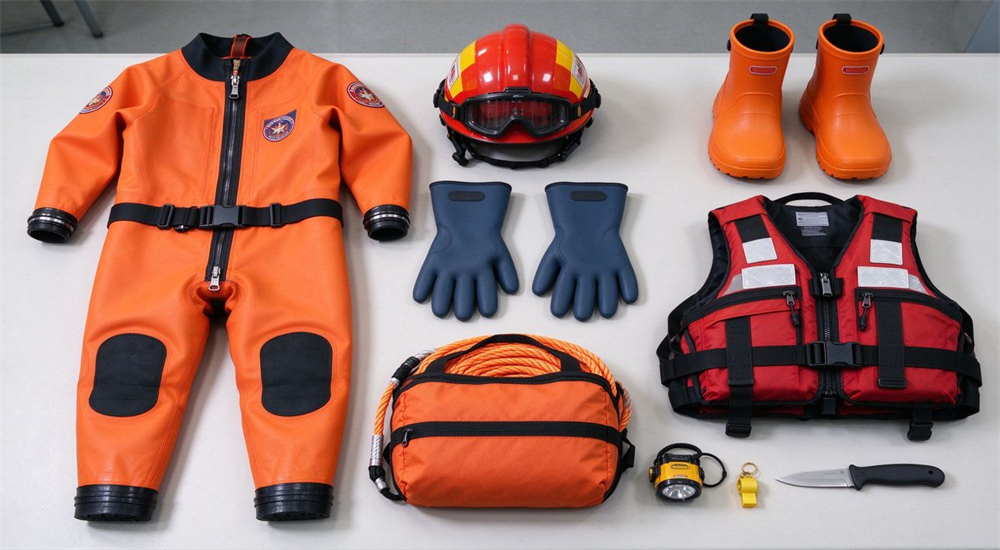
Coastal rescue teams maintain pre-staged equipment caches at strategic port locations, allowing rapid response within minutes of an emergency call. Each cache contains a standardized set of marine rescue gear including high-buoyancy PFDs, dry suits, helmets, and throw bags, with inventory checked after every deployment. The coast guard equipment configuration is tailored to the specific threat profile of the operating area, with teams in high-wave environments carrying additional towing hardware and teams in rocky shoreline areas carrying specialized reach poles and climbing equipment.
Equipment standardization across team members simplifies training, maintenance, and logistics, while allowing individual customization through adjustable harnesses and interchangeable accessory pockets. The maritime PPE suite should be evaluated as an integrated system rather than isolated items, with compatibility between PFD attachment points, dry suit D-rings, and helmet accessory rails ensuring seamless equipment integration during high-stress operations.
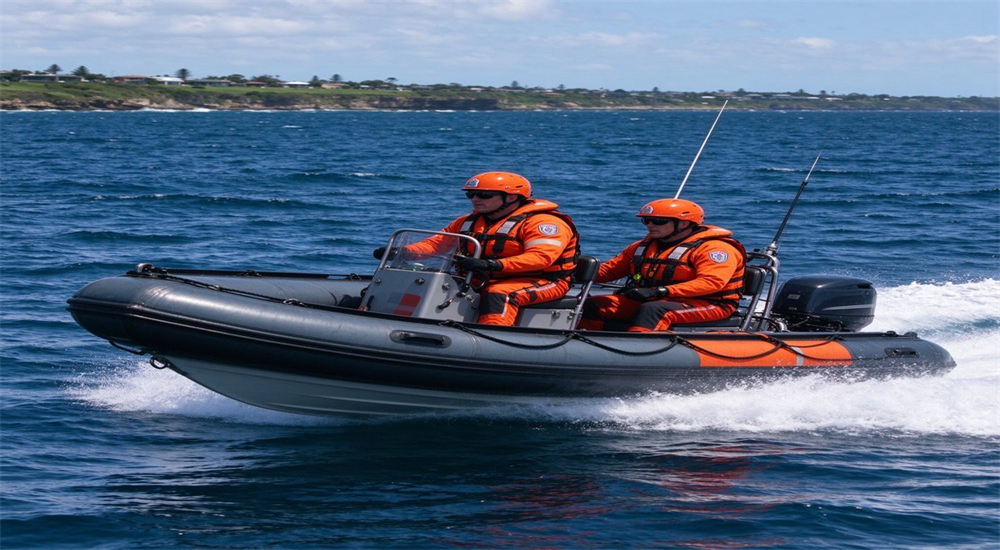
Coastal and offshore operations occur in environments where water movement is driven by ocean swells, tidal currents, and wind rather than the predictable flow of rivers. Rescuers may be deployed miles from shore with no immediate exit point, making self-sufficiency and equipment reliability critical. High-buoyancy offshore life jacket systems must support the rescuer plus full gear weight in turbulent water, while thermal protection must maintain core temperature for operations lasting several hours.
Saltwater accelerates metal corrosion by up to five times compared to freshwater, affecting zippers, buckles, D-rings, helmet hardware, and electronic equipment. Every piece of coast guard equipment must be selected with corrosion-resistant materials including stainless steel hardware, anodized aluminum, UV-stabilized plastics, and marine-grade fabrics. Post-operation rinse protocols are essential for extending equipment service life in saltwater environments.
Unlike river rescues that may conclude within minutes, offshore search and rescue operations can extend for hours or even days. saltwater rescue suit systems must provide sustained thermal protection, while hydration and nutrition systems become part of the equipment configuration. Communication devices must have battery life matching expected mission durations, with spare power sources available.
Coastal rescues frequently occur during nighttime, fog, or storm conditions with severely reduced visibility. maritime PPE must incorporate retro-reflective materials, chemiluminescent light attachments, and high-contrast coloration. Navigation and search lighting systems must penetrate fog and rain while preserving the rescuer's night vision during extended operations.
Guidelines from the United States Coast Guard and the International Maritime Organization establish minimum equipment standards for professional maritime rescue operations, while NOAA provides oceanographic data that informs equipment selection for specific coastal environments.
|
Equipment Category |
Coastal/Offshore Requirement |
Minimum Specification |
Key Feature |
|
Personal Flotation Device |
High buoyancy for clothed rescuer |
150N minimum, 270N preferred |
Inherent foam, chest harness, crotch strap |
|
Dry Suit |
Extended thermal protection |
Trilaminate or vulcanized rubber |
Marine-grade zipper, integrated boots, hood |
|
Helmet |
Impact + water drainage + comms |
Full coverage with ear protection |
Corrosion-resistant hardware, light rail |
|
Rescue Boat |
Offshore capability + towing |
RIB 5-7m, 60-150hp |
Self-draining deck, high gunwales |
|
Communication |
VHF + GPS + backup |
Waterproof floating VHF with DSC |
Bone conduction headset, PLB backup |
|
Rope/Towing |
Saltwater-resistant floating line |
50-75ft throw bag, tow bridle |
Quick-release, synthetic strap |
The above configuration table provides a baseline for professional coastal rescue equipment planning. Each item should be selected based on the specific operational profile of the response area, with higher specifications for teams regularly operating in open ocean or cold water environments. Government procurement officers should use this table as a starting point for developing detailed technical specifications for tender processes.
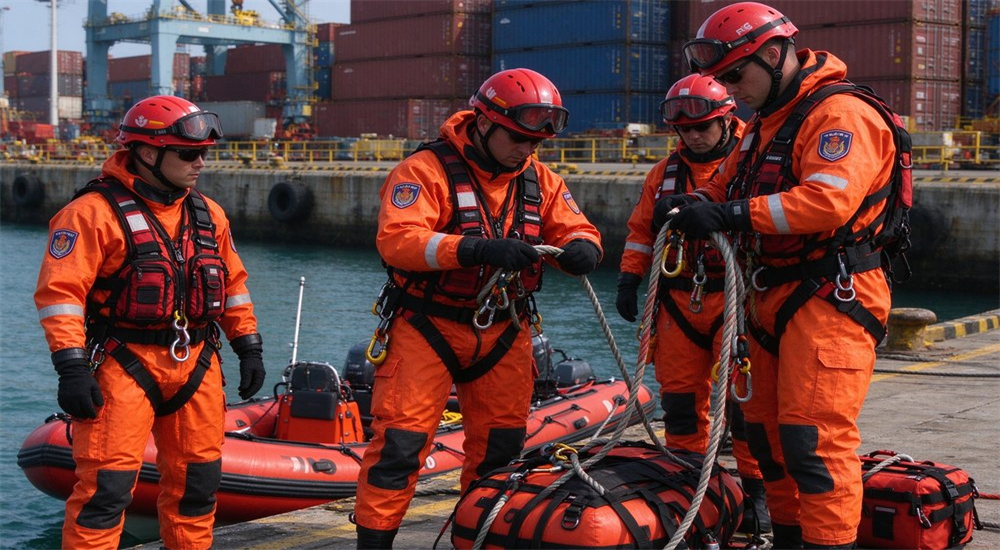
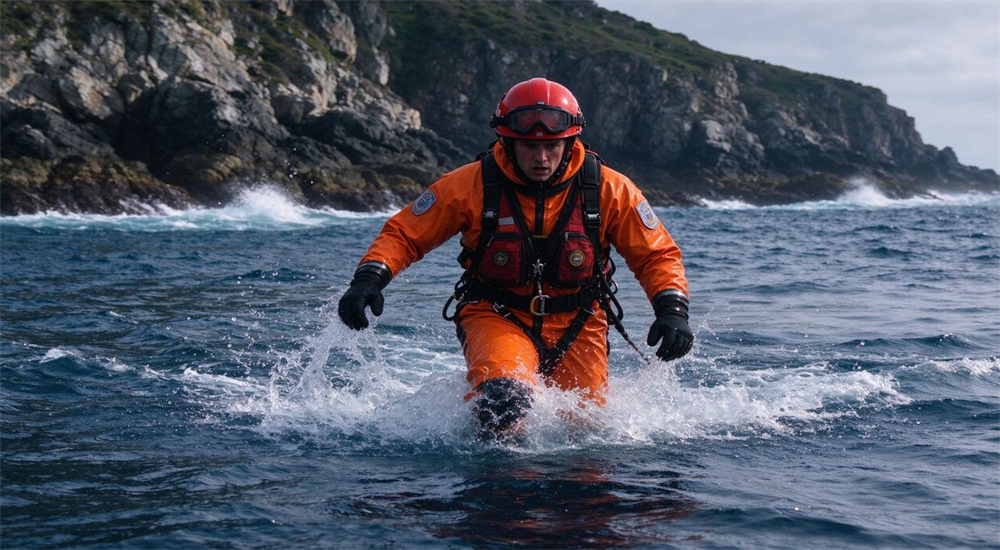
Open water rescue demands higher buoyancy ratings than inland operations because rescuers wear heavier maritime PPE including dry suits, helmets, and tool belts. A minimum of 150N buoyancy is recommended for coastal operations, with 270N preferred for cold water environments where the rescuer wears additional thermal layers. The high buoyancy PFD must keep the wearer's airway clear even when unconscious, with inherent buoyancy rather than inflatable-only systems that can fail.
For professional maritime rescue, inherent foam PFDs provide reliable flotation without dependency on CO2 cartridges or manual activation. Hybrid systems combine foam core with inflatable chambers for supplemental buoyancy but add complexity and maintenance requirements. Purely inflatable PFDs are not recommended for rescue swimmers who may become unconscious or incapacitated in the water, as they require manual or automatic activation that can fail under stress.
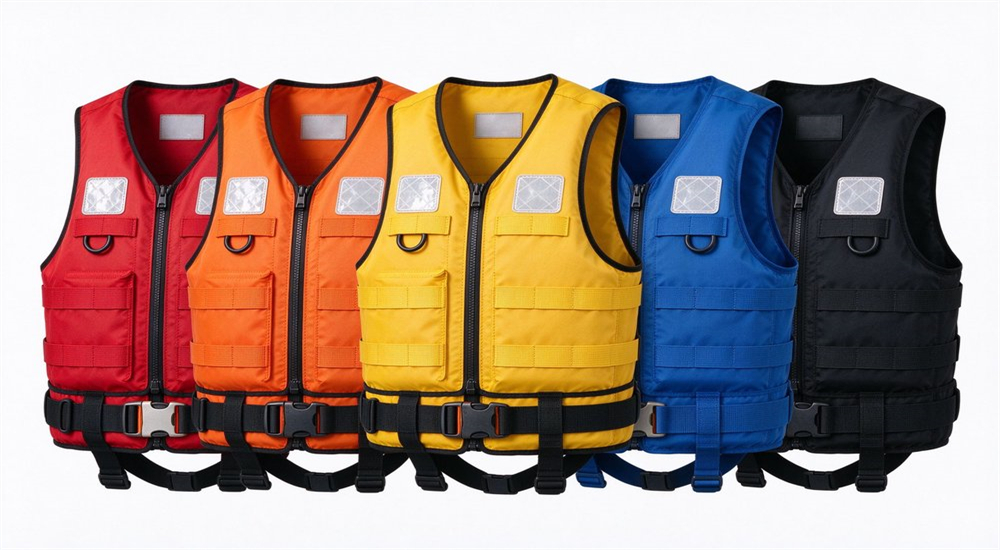
Professional open water rescue PFDs should include an integrated chest harness with load-rated D-rings for tethering to rescue boats, quick-release buckles for emergency doffing, and multiple attachment points for lights, whistles, and cutting tools. The PFD must accommodate a dry suit underneath without compromising fit or flotation distribution, and should feature a crotch strap to prevent the vest from riding up over the wearer's face in the water.
International maritime standards recommend high-visibility colors including international orange, fluorescent yellow-green, and red for offshore life jacket systems. Retro-reflective tape arranged in specific patterns improves detection by search aircraft and boat searchlights. Solid colors are preferred over patterns, as high-contrast solid coloration is more visible at distance in choppy water conditions.
|
Buoyancy Rating |
Application |
User Weight + Gear |
Water Temperature |
|
50N |
Recreational buoyancy aid |
Under 60kg, light clothing |
Warm water only |
|
100N |
Inland water rescue |
60-80kg, standard uniform |
15°C+ water |
|
150N |
Coastal rescue minimum |
80kg+, dry suit + gear |
10-20°C water |
|
270N |
Offshore/cold water preferred |
Heavy gear, thermal layers |
Below 10°C water |
Selecting the appropriate buoyancy rating requires calculating the total weight of the rescuer plus all worn gear, including dry suit, helmet, tools, and any carried equipment. Higher ratings provide additional margin for unconscious face-down protection and extended water survival. Teams operating in multiple environments may require PFDs with the highest applicable rating to ensure versatility across response scenarios.
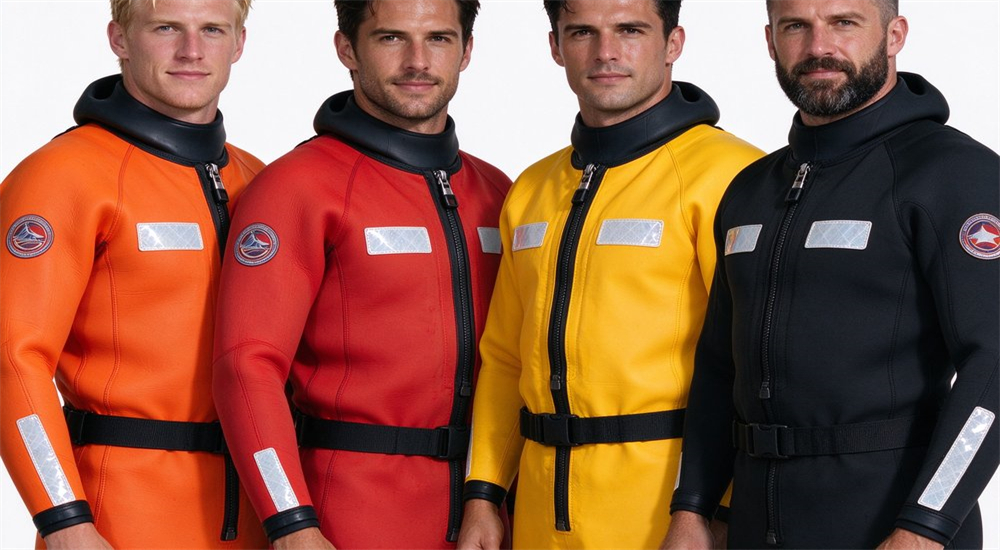
Coastal dry suits require heavier-duty construction than river rescue suits due to abrasive contact with boat hulls, docks, and rocky shorelines. Materials should include trilaminate or vulcanized rubber construction with reinforced knee, elbow, and seat areas. saltwater rescue suit systems must feature marine-grade waterproof zippers that resist corrosion, with latex or silicone neck and wrist seals that maintain watertight integrity during extended immersion.
Under a dry suit, rescuers require layered thermal insulation that manages moisture while providing warmth. Base layers should be synthetic or wool rather than cotton, which loses insulating value when wet. Mid-layers provide primary insulation, with thickness selected based on water temperature. For operations below 10°C, heated vest systems or chemical heat packets may be integrated into the layering system to maintain core temperature during extended missions.
Integrated boots with non-slip soles provide traction on wet boat decks and rocky shorelines. Attached or interchangeable hoods protect the head and neck from cold water, while dry gloves with wrist rings maintain hand dexterity and warmth. The complete marine rescue gear ensemble must allow full range of motion for swimming, climbing, and patient handling while maintaining complete waterproof integrity.
Proper dry suit fit is essential for both safety and performance. An overly loose suit allows water pooling and reduces mobility, while an overly tight suit restricts breathing and circulation. Professional programs should offer multiple size options with adjustable neck and wrist seals, and conduct individual fit testing with each rescuer wearing their complete undergarment system. Suits should accommodate seasonal layering changes without requiring separate suits for different temperature ranges.
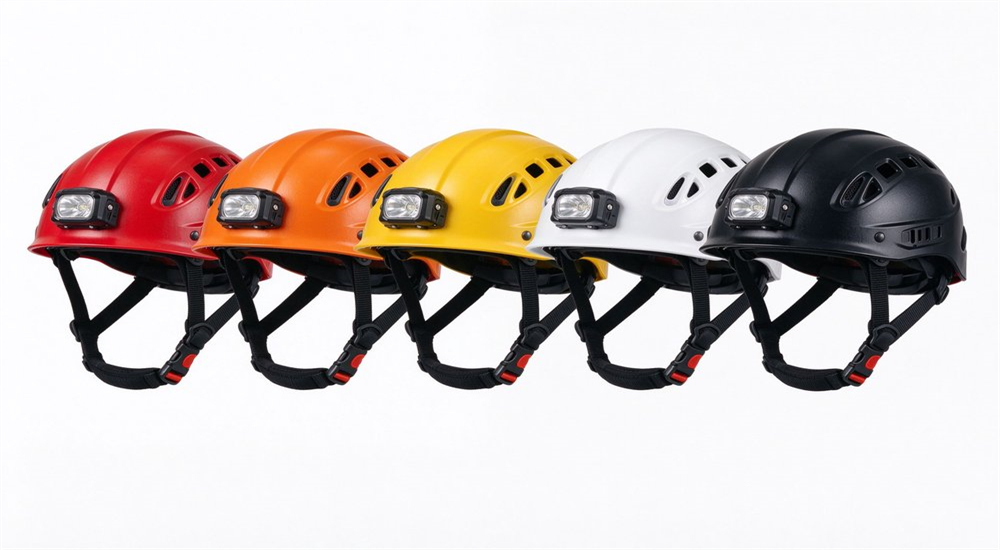
Maritime rescue helmets must protect against impact from boat hulls, equipment, and rocky shorelines while providing drainage for water entry and compatibility with communication systems. Full-coverage designs with ear protection are preferred for offshore operations, as they reduce heat loss and protect against side impacts. coastal rescue equipment helmets should feature adjustable interior liners, corrosion-resistant hardware, and mounting rails for lights and cameras.
The helmet must work as an integrated system with the PFD, dive mask or goggles, and communication headset. Low-profile designs reduce interference with PFD collars, while ear cup designs accommodate bone-conduction or standard communication earpieces. Visor options should provide glare reduction without compromising peripheral vision, and the helmet must remain secure during swimming and entry into water from height.
Many maritime organizations use helmet color coding to identify team roles: white for incident commanders, red for team leaders, orange for rescue swimmers, and blue for support personnel. This system improves situational awareness during multi-team operations and facilitates rapid role identification in challenging visibility conditions. coast guard equipment programs should establish and document color standards consistent with regional mutual-aid agreements.
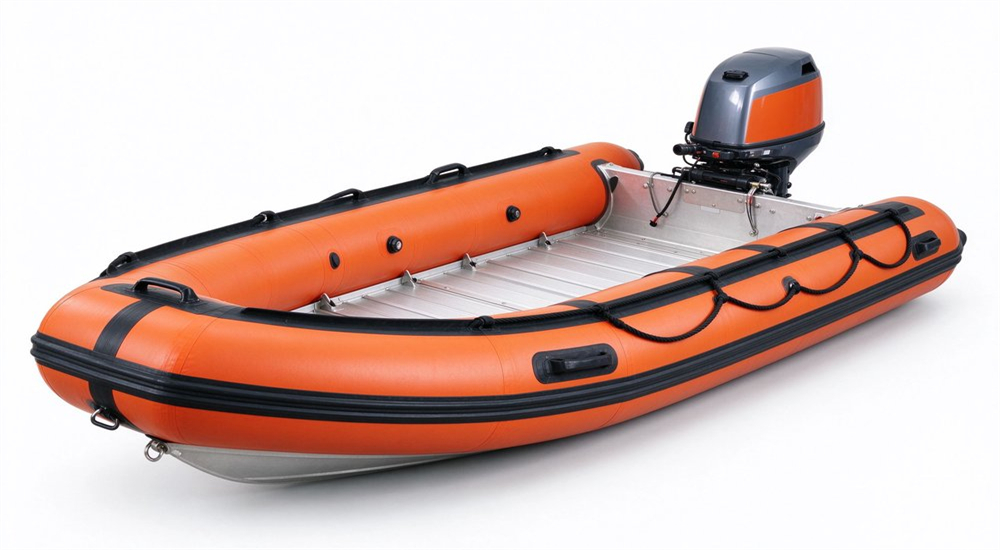
Rigid inflatable boats represent the primary watercraft for coastal rescue operations, combining the stability of a rigid hull with the cushioning and buoyancy of inflatable collars. rescue boat selection should consider hull length for offshore capability, engine power for towing capacity, and deck layout for patient transport. Self-draining decks, high gunwales, and multiple lifting points are essential features for professional maritime operations.
Beyond primary RIBs, coastal teams maintain auxiliary watercraft for specific scenarios. Inflatable rescue boats (IRBs) provide rapid deployment in surf zones, while stand-up paddleboards and rescue boards offer shallow-water and surf-zone access where larger boats cannot operate. Each watercraft type requires specific operator training and maintenance protocols, with equipment configurations matched to the most common response scenarios in the team's coverage area.
Rescue boats carry specialized equipment including marine anchors for holding position in currents, searchlights and floodlights for night operations, and tow bridles for recovering disabled vessels. VHF marine radios with GPS integration provide communication and position tracking, while first aid kits and spinal immobilization equipment enable patient care aboard. navigation system integration including chart plotters and AIS receivers enhances situational awareness during offshore operations.
VHF marine radios remain the primary communication tool for coastal rescue, providing direct ship-to-shore and ship-to-ship communication on internationally designated channels. Waterproof, floating radios with GPS and DSC (Digital Selective Calling) capabilities are recommended for both boat and personal use. Teams should maintain programmed channel plans including working channels, distress channels, and mutual-aid frequencies consistent with regional maritime communication protocols.
For rescue swimmers and deck crew, personal communication systems must function while wet, submerged, and wearing helmets. Bone-conduction headsets leave ear canals open for situational awareness while providing audio communication, while waterproof PTT (push-to-talk) switches mount on PFDs or helmet straps. marine communication systems should be tested regularly for functionality in saltwater conditions, with spare units available for immediate replacement.
Offshore navigation requires integrated GPS positioning, electronic chart display, and AIS (Automatic Identification System) for tracking commercial vessel traffic. Handheld GPS units provide backup navigation for both boats and personnel, while personal locator beacons (PLBs) and EPIRBs (Emergency Position Indicating Radio Beacons) ensure rescuers themselves can be located if separated from the team. navigation system redundancy is critical for operations beyond visual range of shore.
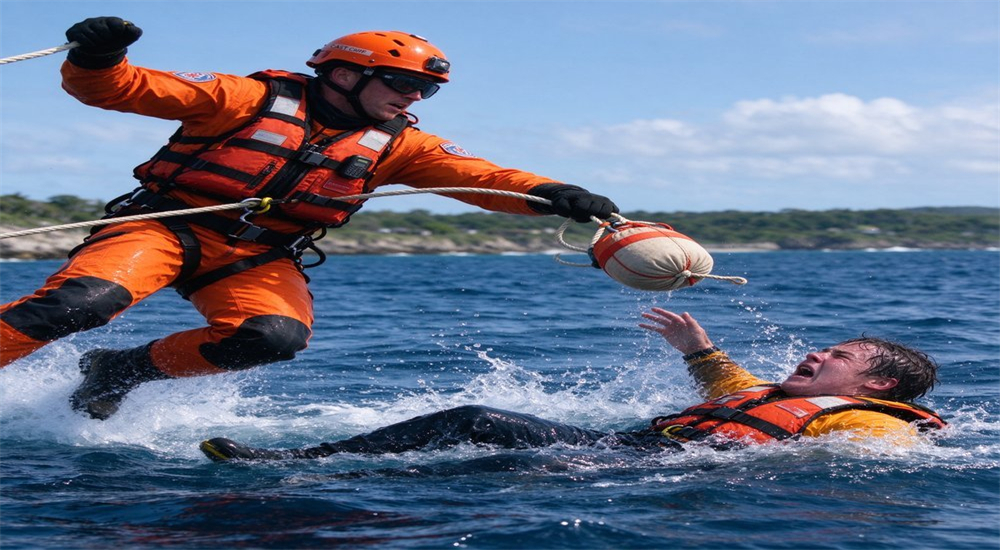
Maritime throw bag systems use floating rope with high-visibility coloring, typically 50-75 feet in length for shore-based deployment. Boat-based systems include longer heaving lines with weighted ends for vessel-to-vessel or vessel-to-person transfers. All ropes must be saltwater-resistant with minimal stretch, and should be inspected and re-flaked after each use to prevent tangling during emergency deployment.
Coastal rescue teams require towing system equipment for recovering disabled vessels, towing rescue platforms, and moving large debris. Tow bridles distribute load across multiple attachment points, while quick-release mechanisms enable emergency disconnect if the tow becomes dangerous. Synthetic straps with high strength-to-weight ratio are preferred over steel cables for marine use, as they float and resist corrosion.
Coastal environments often include cliff access, pier structures, and lighthouses that require technical rope rescue capability. Teams operating in these areas should maintain rope rescue kits including harnesses, anchor systems, pulleys, and descent devices rated for marine environments. Rope rescue equipment must be compatible with water rescue PPE, and team members should hold cross-training certifications in both water and technical rope disciplines.
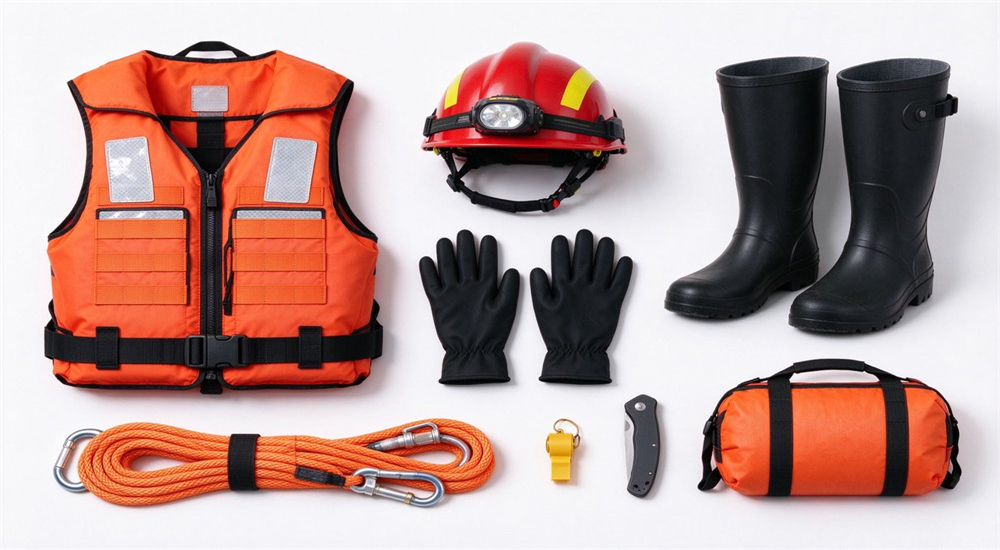
Marine first aid kits must be fully waterproof with organized compartments for rapid access in challenging conditions. Contents should include trauma dressings, tourniquets, chest seals, and medications for seasickness and pain management. casualty evacuation from offshore locations may require extended patient care times, so kits should include advanced airway equipment and intravenous fluid supplies for teams with trained medical personnel.
Spinal injury management in the marine environment requires specialized equipment including water-compatible backboards, cervical collars, and head immobilizers designed for use in waves and moving water. Rapid extrication devices may be preferred over full backboards for water-based patient packaging, as they reduce extraction time while providing adequate spinal protection. All marine rescue gear medical equipment must be secured to prevent loss during boat transit and water entry.
Offshore casualty evacuation may involve boat transport to shore, helicopter hoist operations, or transfer to larger medical vessels. Equipment configurations should include helicopter rescue harnesses compatible with hoist cables, patient packaging systems that fit through helicopter doors, and communication protocols for coordinating with aviation assets. casualty evacuation planning must account for the extended transport times typical of offshore operations, with continuous patient monitoring capability throughout the transfer process.
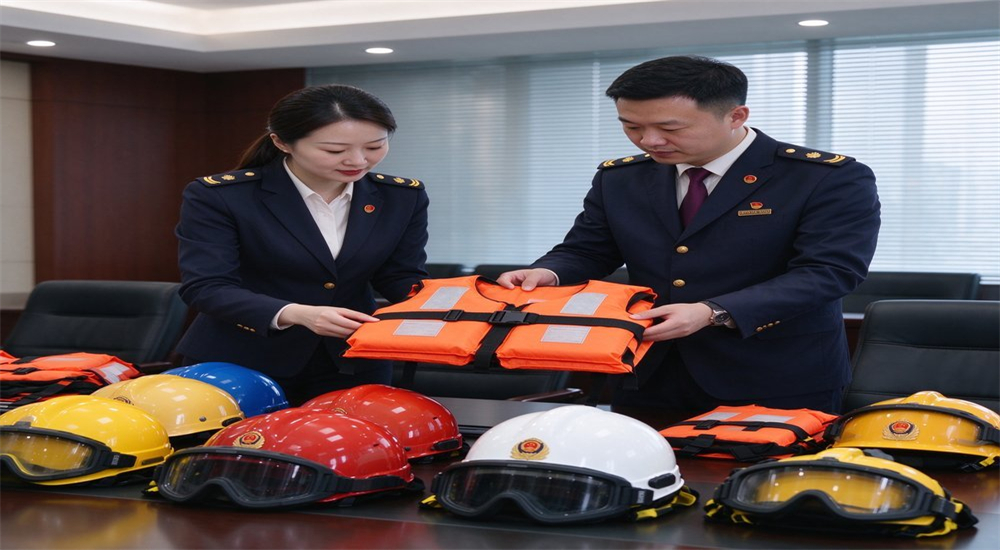
Personal lighting for maritime rescue includes waterproof headlamps with red light filters for night vision preservation, plus chemiluminescent light sticks for attachment to PFDs and helmets. signal flare systems provide long-range visibility, while personal strobe lights activated by water immersion ensure automatic activation if a rescuer becomes separated. All lighting equipment must be tested for waterproof integrity and battery life before each operational period.
Rescue boats require high-intensity searchlights for victim location, floodlights for deck operations, and navigation lights consistent with international collision regulations. Remote-controlled searchlights with thermal imaging capability enhance detection in fog and darkness, while LED light bars provide broad deck illumination for patient care and equipment handling. coastal rescue equipment lighting systems should have independent power sources with spare bulbs and fuses aboard.
Maritime signaling equipment includes handheld parachute flares for long-range distress signaling, smoke signals for daytime location, and signal mirrors for solar reflection. Personal whistles provide short-range acoustic signaling, while electronic personal locator beacons offer satellite-based distress alerting. Teams should maintain current flare inventory with expiration tracking, as outdated pyrotechnic devices may fail to function during emergency use.
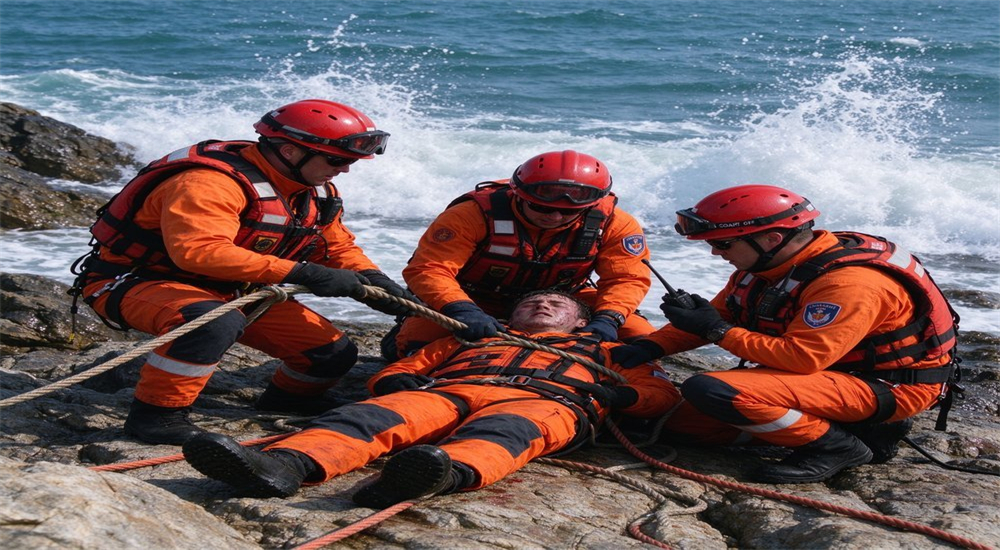
After every saltwater operation, all equipment must receive thorough freshwater rinsing to remove salt residue. saltwater rescue suit systems should be rinsed inside and out, with zippers opened and hardware cleaned. PFDs, helmets, and ropes require similar treatment, with special attention to areas where salt crystals can accumulate and cause abrasion or corrosion. Equipment should be dried in shaded, well-ventilated areas away from direct sunlight that can degrade materials.
Equipment selection should prioritize corrosion-resistant materials including 316 stainless steel hardware, anodized aluminum components, and UV-stabilized engineering plastics. Brass and bronze fittings provide good corrosion resistance for water systems, while titanium offers premium performance for high-wear components. marine rescue gear with carbon steel or uncoated aluminum should be avoided for saltwater service, as these materials will degrade rapidly despite maintenance efforts.
Professional programs should establish documented inspection schedules with pre-use, monthly, and annual inspection protocols. Each major equipment item should be tracked by serial number with purchase date, inspection history, and expected service life. coast guard equipment that has experienced significant impact, chemical exposure, or structural deformation should be removed from service pending manufacturer evaluation. Documentation of all inspections and maintenance supports regulatory compliance and procurement planning.
Equipment storage facilities should maintain controlled temperature and humidity to prevent mold, corrosion, and material degradation. saltwater rescue suit systems should be stored on wide hangers with zippers partially open, while PFDs are stored flat or on specialized hangers to prevent foam compression. Ropes should be coiled and stored in ventilated bags, with all equipment organized for rapid deployment during emergency response.
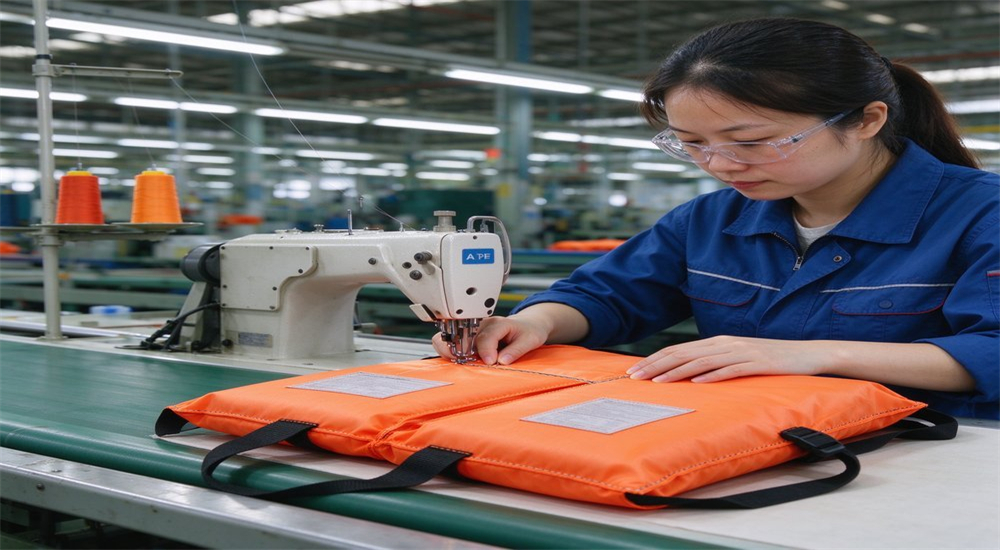
Effective government procurement begins with a detailed needs assessment documenting the team's operational area, typical response scenarios, team size, and existing equipment inventory. This assessment identifies specific equipment requirements including buoyancy ratings, thermal protection levels, and watercraft capabilities. Procurement officers should consult with operational team leaders to ensure purchased equipment meets actual mission requirements rather than relying solely on lowest-cost options.
Procurement specifications should include detailed technical requirements for each equipment category, referencing recognized standards where available. For PFDs, this includes buoyancy ratings, material specifications, and harness load ratings. For dry suits, specifications cover waterproof zipper type, seal material, and thermal layer compatibility. marine rescue gear tenders should require sample evaluation units for hands-on testing before final purchase, with evaluation criteria documented and scored consistently across competing products.
While initial purchase price is a procurement factor, lifecycle cost analysis provides a more accurate picture of total investment. Equipment with longer service life, lower maintenance requirements, and readily available replacement parts may cost more initially but deliver better value over time. government procurement programs should consider establishing multi-year purchasing agreements with suppliers to ensure pricing stability and product availability, while maintaining competitive bidding processes for major equipment categories.
Purchase agreements should include manufacturer training for equipment use and maintenance, along with comprehensive warranty coverage and replacement part availability. coastal rescue equipment that requires specialized maintenance should include technical support access and documented service procedures. Procurement officers should verify that suppliers can provide ongoing support for the expected service life of purchased equipment, including access to certified repair facilities and original manufacturer replacement parts.
When evaluating procurement options for coastal rescue equipment, decision-makers should consider total cost of ownership rather than initial purchase price alone. The following comparison framework outlines three procurement tiers, each suited to different operational budgets and deployment frequencies.
|
Procurement Factor |
Lowest Cost Option |
Best Value Option |
Premium Option |
|
PFD Type |
Foam-only 150N |
Foam 150N + harness |
Hybrid 270N + integrated |
|
Dry Suit Material |
Standard trilaminate |
Reinforced trilaminate |
Vulcanized rubber |
|
Boat Type |
Basic IRB |
Mid-size RIB |
Ocean-rated RIB |
|
Expected Service Life |
3-5 years |
5-8 years |
8-12 years |
|
Maintenance Requirement |
High (frequent replacement) |
Moderate (scheduled service) |
Low (durable materials) |
|
Lifecycle Cost Rating |
Higher long-term |
Balanced |
Lower long-term |
This comparison framework helps procurement officers evaluate options beyond initial purchase price. The best value option typically provides the optimal balance between upfront cost and long-term operational expense, with premium equipment delivering lower lifecycle costs for high-use teams. Government procurement should consider total cost of ownership including maintenance, replacement parts, and training requirements when evaluating competing proposals.
Regular joint training exercises between coast guard units and local emergency response agencies build interoperability and ensure seamless coordination during multi-agency maritime incidents. These exercises should cover open water rescue techniques, casualty evacuation procedures, and marine communication protocols using standardized terminology. Teams that train together regularly demonstrate significantly faster response times and lower incident rates during actual emergency deployments.
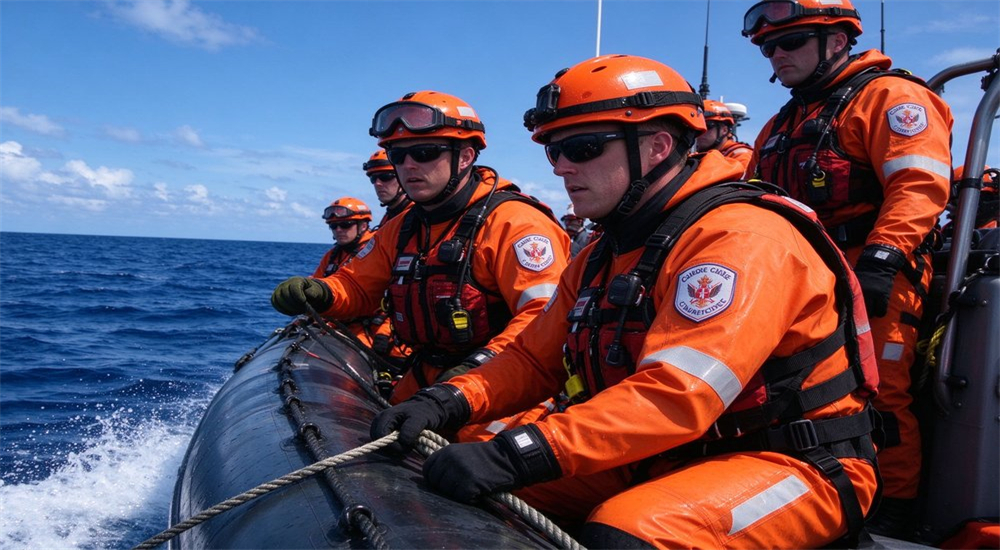
Maritime rescue personnel require comprehensive initial training covering open water swimming, rescue boat operations, and equipment proficiency. Certification standards should include timed swim tests, boat handling demonstrations in various sea conditions, and practical equipment deployment evaluations. marine rescue gear familiarity training ensures each team member can don, doff, and operate all assigned equipment under stress conditions, with documented competency assessments before operational assignment.
For offshore life jacket selection, teams should evaluate both inherent foam and hybrid inflatable options based on deployment frequency and user training level. The saltwater rescue suit must integrate seamlessly with the PFD harness system, allowing quick donning without compromising buoyancy distribution. Open water rescue operations demand high buoyancy PFD ratings of 150N or higher, as rescuers operate fully clothed with tools and may need to support a victim during tow. Throw bag and towing system compatibility with PFD attachment points ensures rapid equipment deployment when seconds matter.
Regular equipment drills should include simulated victim towing exercises to validate towing system performance under realistic load conditions, while marine communication testing ensures radio clarity in high-noise boat environments. The navigation system should be calibrated at the start of each operating season, with waypoints pre-programmed for common response locations in the team coverage area. Signal flare training covers both aerial and handheld types, with personnel demonstrating proper firing technique and safe distance management.
Effective marine communication protocols include pre-mission channel checks, regular radio testing during operations, and established emergency communication procedures. The navigation system should include both primary and backup positioning capabilities, with handheld GPS units available for personnel who become separated from the main team. Signal flare inventory must be tracked by expiration date, with replacement scheduled before devices reach their service limit. Corrosion protection measures extend beyond post-use rinsing to include proper storage conditions and periodic hardware inspection for early degradation detection.
Regular drills maintain operational proficiency and identify equipment issues before emergency situations. Monthly training should include pool-based swimming and rescue technique practice, while quarterly drills conduct full-scale boat operations with simulated patient scenarios. coast guard equipment teams should conduct annual multi-agency exercises involving mutual-aid partners, testing communication protocols, resource sharing, and coordinated response in realistic offshore conditions.
When evaluating marine rescue gear for coastal operations, teams should prioritize equipment that has been tested in real ocean conditions rather than pool or lake environments. The combination of salt spray, UV exposure, and mechanical abrasion from boat decks and rocky shorelines demands materials that exceed inland water rescue specifications. Regular equipment familiarization drills ensure that all team members can deploy their assigned open water rescue tools efficiently under stress, while documented inspection protocols maintain operational readiness between deployments.
The high buoyancy PFD must be selected with consideration for the specific water conditions in the response area, including typical wave heights, current speeds, and water temperature ranges. Marine communication systems should be tested regularly in actual operating conditions, as VHF range can be significantly affected by antenna height, atmospheric conditions, and nearby structures. Teams should maintain a signal flare inventory with expiration tracking, as outdated pyrotechnic devices may fail during emergency use.
For organizations building or expanding their coastal rescue equipment inventory, the key is matching equipment to specific operational profiles rather than purchasing generic products. Corrosion protection should be a primary selection criterion for all metal components, as saltwater accelerates degradation even with diligent maintenance. A structured government procurement process with sample evaluation and lifecycle cost analysis ensures that purchased equipment delivers long-term value and meets actual mission requirements.
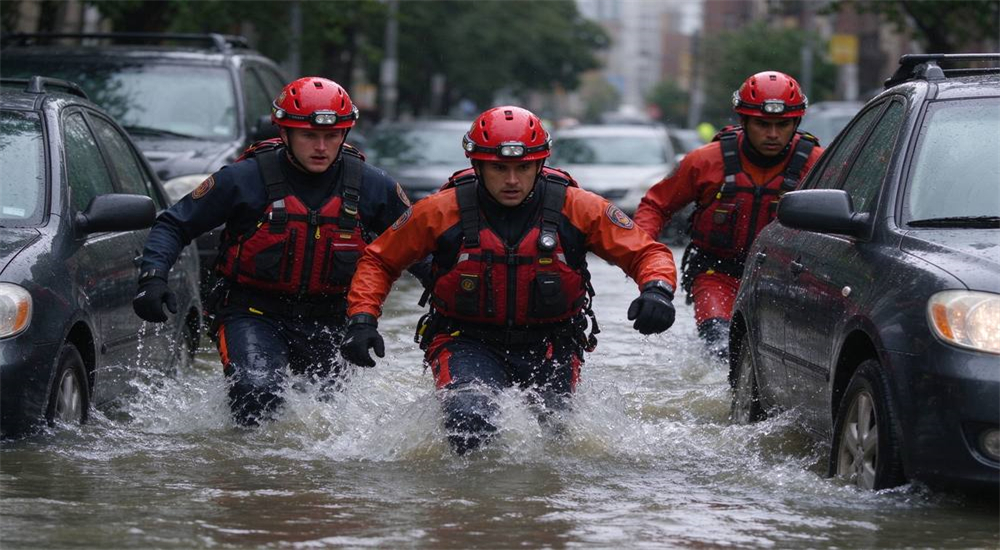
A1: For professional coastal and offshore rescue operations, a minimum buoyancy rating of 150N is recommended, with 270N preferred for cold water environments where rescuers wear heavy thermal layers and dry suits. The PFD must support the rescuer plus full gear weight while keeping the airway clear, even if the wearer is unconscious.
A2: All saltwater-exposed equipment should receive thorough freshwater rinsing immediately after every operation, before the saltwater dries and crystallizes. Dry suits should be rinsed inside and out, PFDs should be fully wetted and drained, and metal hardware should be manually cleaned to remove salt residue. Equipment should then be dried in shaded, ventilated storage.
A3: While some equipment categories overlap, coastal operations require higher buoyancy ratings, enhanced thermal protection, and corrosion-resistant materials that may not be present in inland-grade gear. PFDs, dry suits, and helmets specifically rated for maritime use should be selected for coastal operations, as inland equipment may not provide adequate performance or durability in saltwater environments.
A4: VHF marine radio range varies with antenna height and atmospheric conditions, typically 5-20 nautical miles for handheld units and up to 60 nautical miles for fixed boat-mounted systems with elevated antennas. For operations beyond VHF range, teams should maintain HF radio or satellite communication capability, with personal locator beacons providing emergency alerting for individual rescuers.
A5: Dry suit sizing should be based on individual body measurements with the rescuer wearing their complete undergarment system. Manufacturers provide size charts based on height, weight, chest, waist, and foot measurements. Each team member should conduct a fit test including range of motion assessment, swimming evaluation, and water entry testing before the suit is accepted for operational use. Adjustable neck and wrist seals accommodate minor size variations.
A6: With proper maintenance including post-use rinsing, periodic zipper lubrication, and storage on wide hangers, professional-grade dry suits typically provide 5-10 years of service life. Actual lifespan depends on usage frequency, exposure conditions, and material type. Suits should be inspected annually for material degradation, seal integrity, and zipper function, with replacement scheduled when inspection indicates compromised performance.
A7: Purely inflatable PFDs are not recommended for rescue swimmers because they require activation that may fail if the wearer is unconscious or incapacitated. Inherent foam PFDs provide reliable flotation without dependency on CO2 cartridges or manual activation. Hybrid systems combining foam core with inflatable chambers may be used, but the inherent foam component must provide sufficient minimum buoyancy for unconscious wearer face-down protection.
A8: Nighttime maritime rescue requires multiple lighting layers: personal headlamps with red filters for deck operations, PFD-mounted strobe lights for personnel location, boat searchlights for victim search, and floodlights for patient care areas. Chemiluminescent lights provide backup illumination without battery dependency, while all lighting must be waterproof rated for submersion and tested before each operational period.
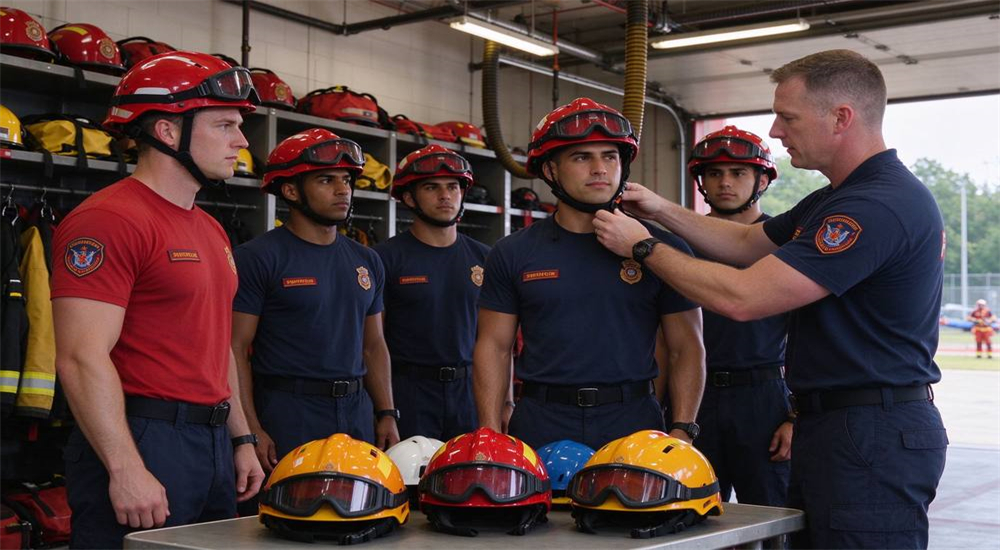
A9: Rescue ropes used in saltwater should be rinsed with fresh water using a rope washer or gentle soaking, then hung to dry in shaded ventilation. Ropes should be inspected for abrasion, chemical damage, and diameter changes before each use. Most synthetic rescue ropes have a service life of 5-10 years with proper care, though any rope that has sustained significant load or visible damage should be retired immediately.
A10: Rescue boat medical kits should include trauma dressings, tourniquets, chest seals, cervical collars, and spinal immobilization equipment suitable for water use. Advanced kits may include airway management devices, oxygen administration equipment, and intravenous fluids for teams with trained medical personnel. All medical equipment must be stored in waterproof containers and inspected regularly for expiration and completeness.
A11: Begin with a needs assessment documenting operational scenarios, team size, and environmental conditions. Develop technical specifications referencing recognized standards for each equipment category, including buoyancy ratings, material requirements, and performance criteria. Require sample evaluation units for hands-on testing before final purchase, and include training, warranty, and replacement parts availability as evaluation factors in the procurement decision.
A12: Maritime rescue personnel should hold certifications in open water rescue swimming, boat operation, CPR and first aid, and equipment-specific training. Advanced certifications may include technical rope rescue, emergency medical technician, and helicopter rescue technician qualifications. All certifications should be maintained current with documented continuing education and practical skill refreshers, with training records available for regulatory inspection.
A13: Many manufacturers offer customization options including color selection, harness configuration, pocket layout, and identification marking for coastal rescue equipment. Customization should be based on documented operational requirements rather than aesthetic preference, with all modifications maintaining compliance with applicable safety standards. Teams should test customized equipment in training before operational deployment to verify performance and compatibility with existing gear.
A14: Total cost of ownership includes initial purchase price plus ongoing expenses for maintenance, replacement parts, training, and eventual equipment replacement over the expected service life. Factor in consumable items such as CO2 cartridges, seal replacements, and batteries, as well as storage facility costs and insurance. A lifecycle cost analysis comparing competing products provides a more accurate procurement basis than initial price alone, particularly for high-use equipment categories.
A15: Dry suits should be stored on wide, padded hangers with zippers partially open to prevent stress on zipper teeth. Suits should be completely dry before storage, with talcum powder applied to latex seals to prevent sticking. Storage areas should maintain stable temperature and humidity, away from direct sunlight, ozone sources, and chemical fumes. Suits should not be folded or compressed, as this can cause permanent creasing and material fatigue.
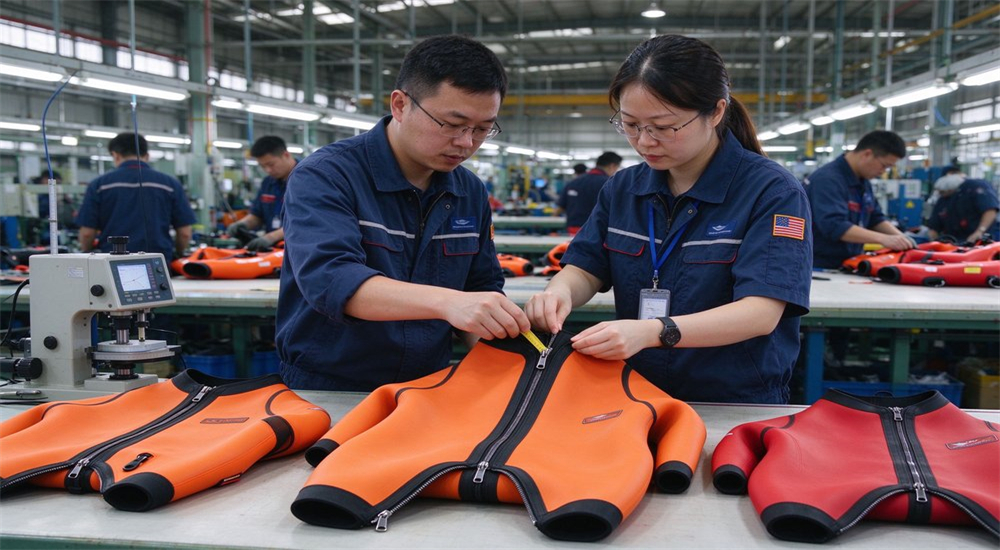
Need Professional Coastal Rescue Equipment for Your Team?
We supply high-buoyancy PFDs, dry suits, helmets, and complete maritime rescue gear configurations for coast guard and government procurement.
Enlaces amistosos :
Derechos de autor © Custom Disaster - Relief Bedding: Tents, Sleeping Bags, Blankets Reservados todos los derechos
el equipo profesional al servicio !