Categorías
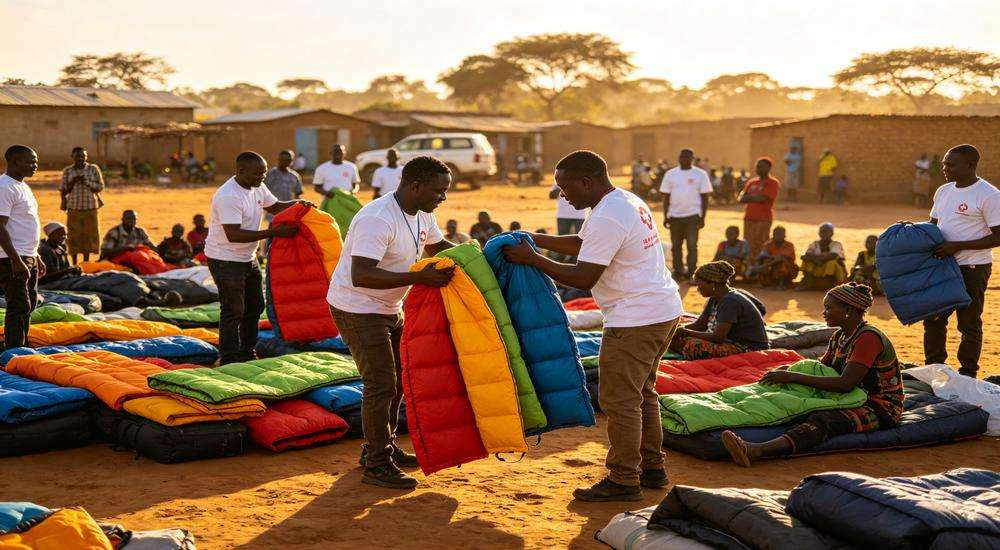
An emergency sleeping bag is personal sleeping equipment prepared for temporary accommodation, relief shelters, and institutional reserves.
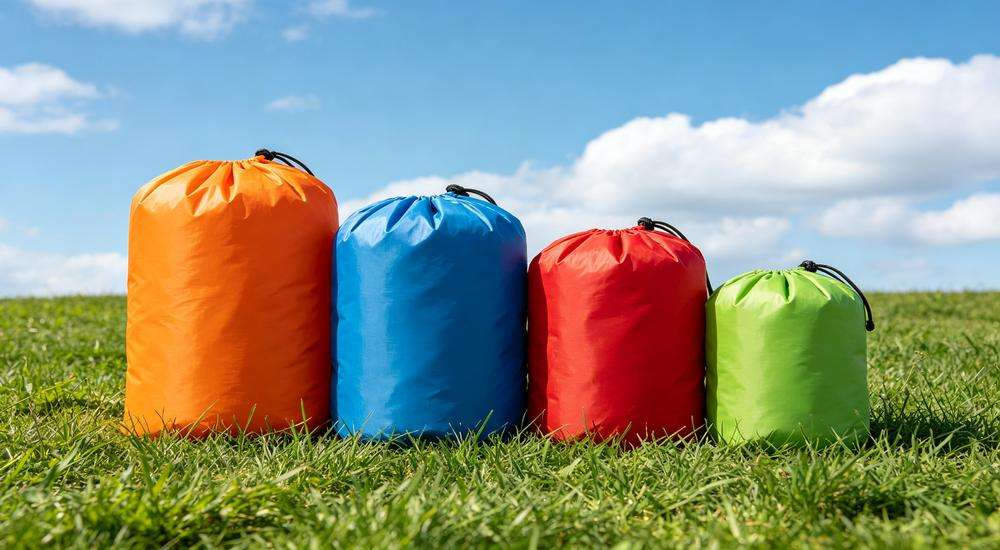
Buyers should judge it by the people, environment, sleeping platform, storage plan, and project conditions it must support. Direct answer: Emergency sleeping bags are useful when a project needs individual sleeping coverage that can be packed, issued, and stored in an organized way.
They do not replace ground insulation, a mattress, a cot, or every cold-weather requirement. Those elements should be planned together. Table of Contents Sleeping Bag Basics: Organized Accommodation vs... Emergency Sleeping Bag vs Camping: Key Differen...
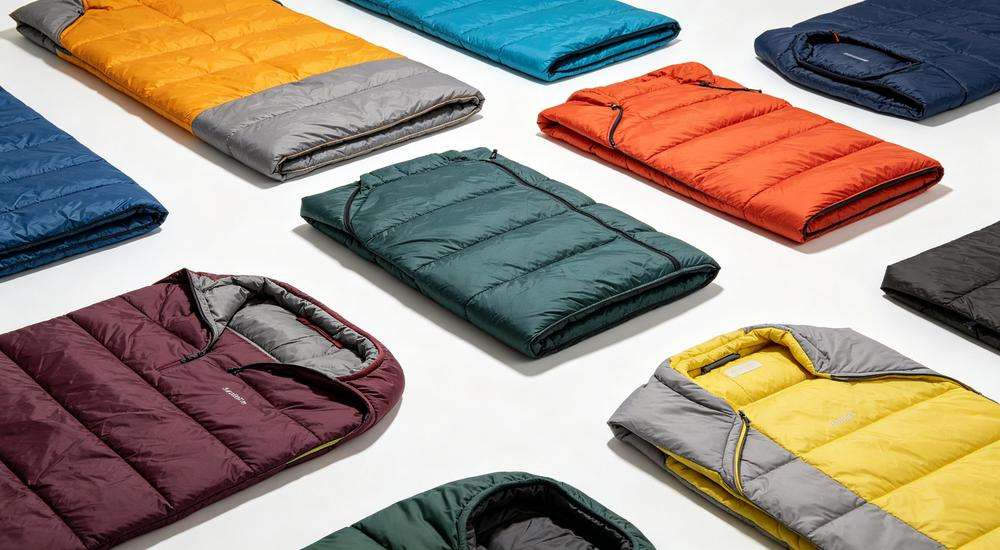
Where can emergency sleeping bags be used? sleeping bag quality control: First Checks for ... Sleeping Bag Configuration Risks: What Happens ... Sleeping Bag Quotation: Required Information Be...
Sleeping Bag Selection Checklist for First-Time... What Parts Make Up an Emergency Sleeping Bag?
Sleeping Bag Dimensions and Size: A Buyer's Guide Sleeping Bag Shape, Opening, and Zipper Design ... Emergency Sleeping Bag Basics: Institutional Accommodation vs Leisure Camping In procurement terms, emergency sleeping bags can be defined as easy-to-clean, durable sleeping units designed for high-turnover institutional use, with features prioritized for storage efficiency, batch consistency, and resistance to repeated handling rather than individual comfort preferences.
An emergency sleeping bag is defined as a durable thermal protection product specifically designed for disaster relief, temporary shelter, and institutional deployment, characterized by standardized specifications, batch consistency, and cost-efficient bulk production.
This type of sleeping bag refers to products that prioritize group usability over individual comfort, with configurations optimized for 500-10,000+ unit procurement orders.What is an emergency sleeping bag? An emergency sleeping bag is a durable, lightweight thermal protection product designed for disaster relief, temporary shelter, and institutional use, typically featuring water-resistant polyester fabric, synthetic filling, and compact packing for bulk storage and rapid distribution.
A retail buyer may begin with a brand, appearance, or personal preference.
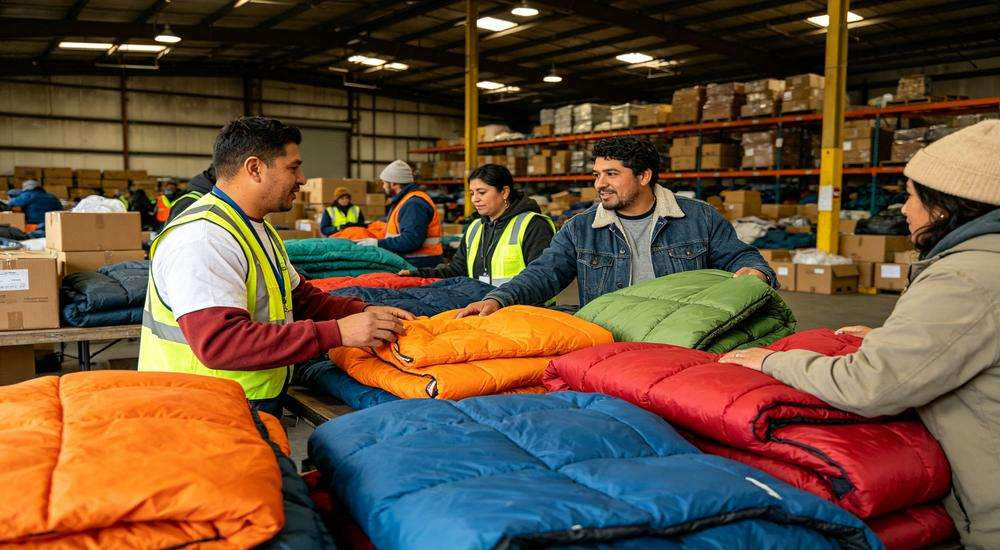
An institutional buyer must select for a group and keep the sleeping bag dimensions, construction, packing method, and product information clear across the entire order. For example, a Nigerian state government may need 5,000 units for flood relief, while a Kenyan school system may require 2,000 units for annual outdoor training programs.This makes emergency sleeping bags suitable for government agencies, NGOs, schools, and military units that need to accommodate large groups quickly.
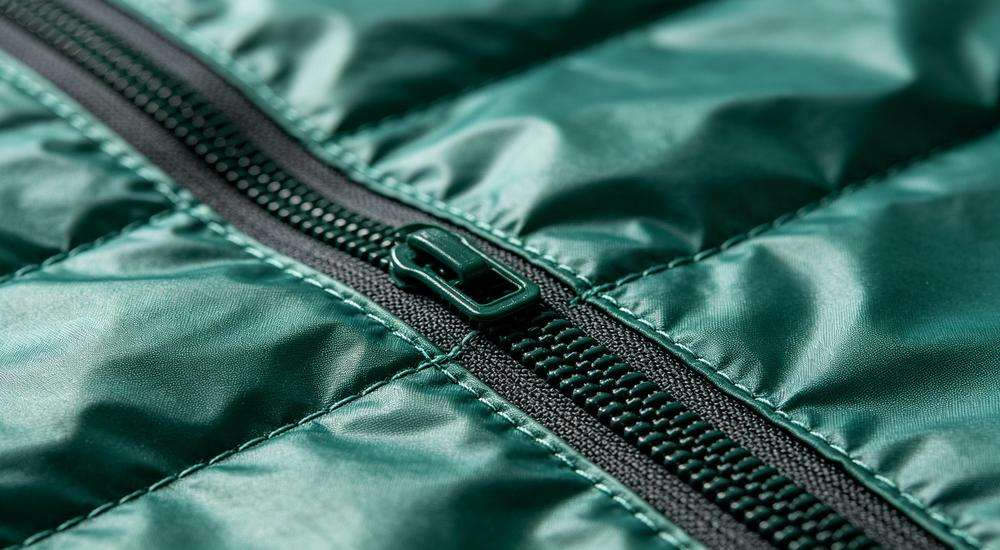
Unlike personal camping gear, these products are designed for repeated use, easy cleaning, and bulk storage.
Buyers should focus on sleeping bag manufacturer capacity, sleeping bag quality control processes, BSCI sleeping bag certification, and sleeping bag delivery reliability rather than individual comfort features alone. A reliable China sleeping bag factory can provide consistent quality across 10,000+ unit orders with standard sleeping bag MOQ terms starting from 500 pieces per color.
Emergency sleeping bags can support temporary shelters, institutional reserves, duty rest areas, aid projects, and other short-term accommodation.
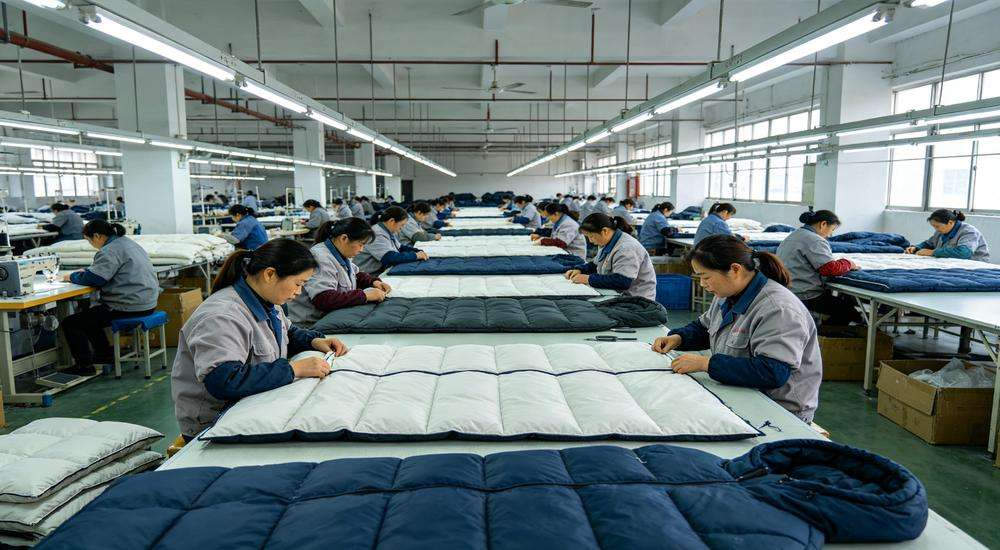
The word “emergency” does not define one material, size, or sleeping bag temperature rating. Buyers should describe the real conditions first.
A supplier can then propose a suitable construction, material direction, packing basis, and document scope. Emergency Sleeping Bag vs Camping: Key Differences for Buyers Both products provide individual sleeping coverage, but the buying task is different.
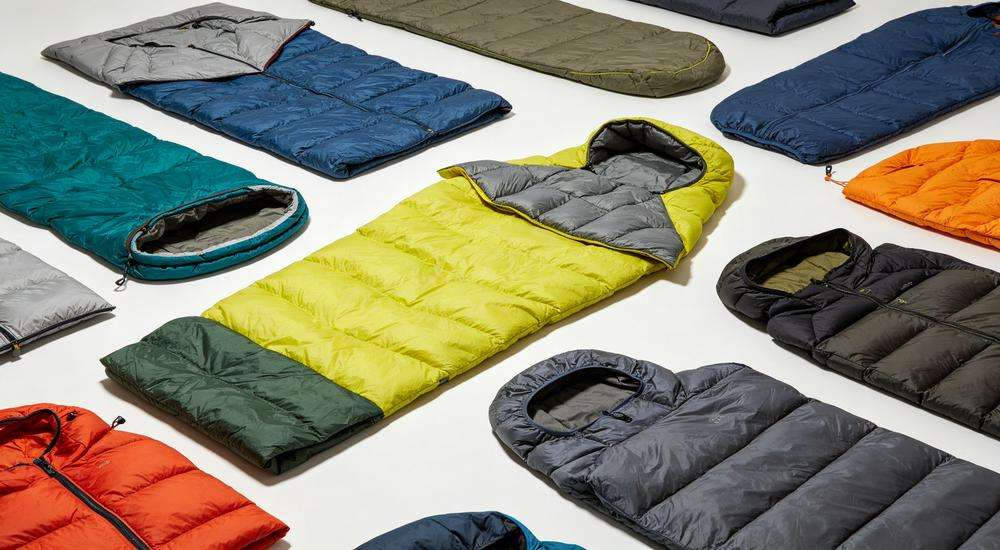
Camping products often focus on one user and one trip. Relief and institutional sourcing places more weight on group fit, batch consistency, identification, packing, storage, and repeat orders.
The following comparison table provides a comprehensive overview of emergency sleeping bag specifications, helping institutional buyers evaluate key parameters from a reliable sleeping bag manufacturer.
This reference covers standard sleeping bag dimensions, filling weights, temperature ratings, and typical sleeping bag MOQ terms for bulk procurement. Use this data as a baseline when requesting a sleeping bag quotation and comparing supplier capabilities across different China sleeping bag factory options.
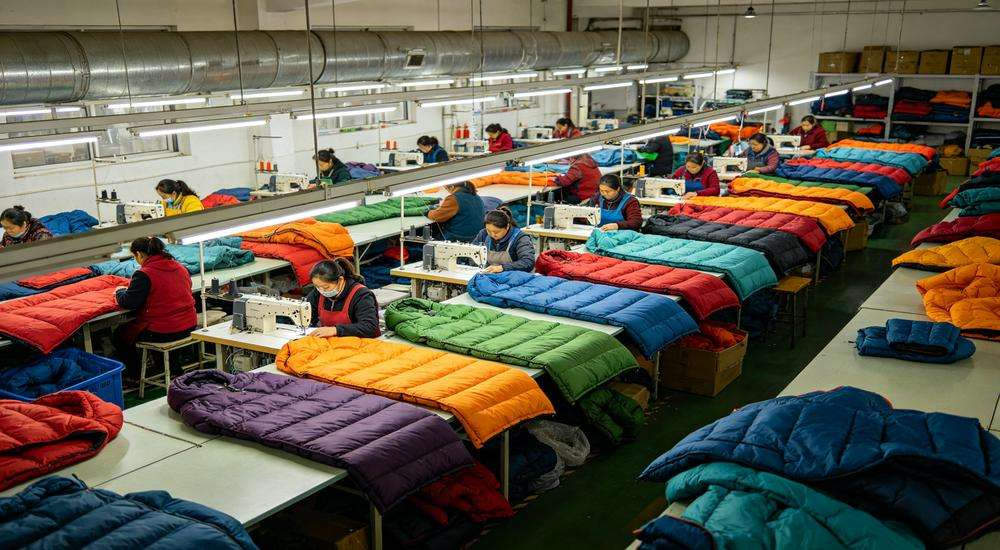
Emergency Sleeping Bag Specification Comparison for Institutional Buyers
Decision area
Institutional concern
Buyer action
Users
Group size, body range, and stay duration
Describe users and conditions
Configuration
Clear size, construction, materials, and accessories
Align quotation, sample, and specification
Packing
Individual storage, cartons, labels, and quantities
Request packing data for the offered configuration
Temperature information
A rating tied to the actual configuration and conditions
Review applicable documents, not product names
From a quality control perspective, BSCI sleeping bags can be described as factory-audited products that meet social compliance standards, with batch inspection protocols, consistent stitching tolerances, and traceable material sourcing required for institutional procurement.
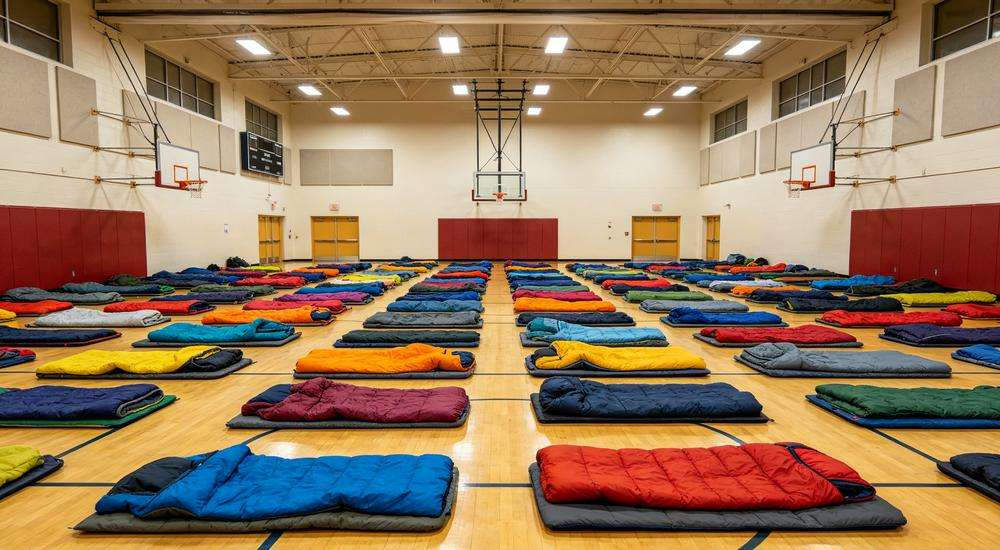
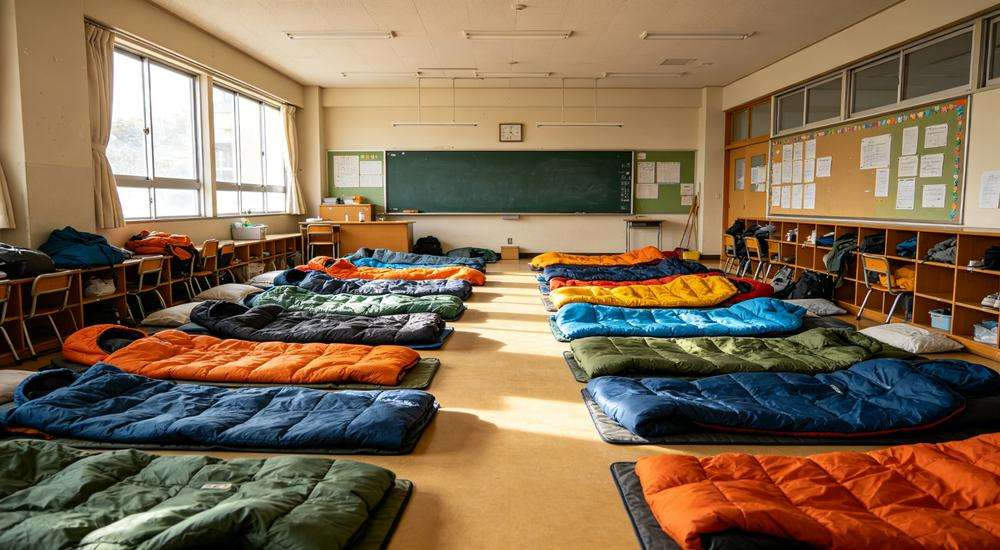
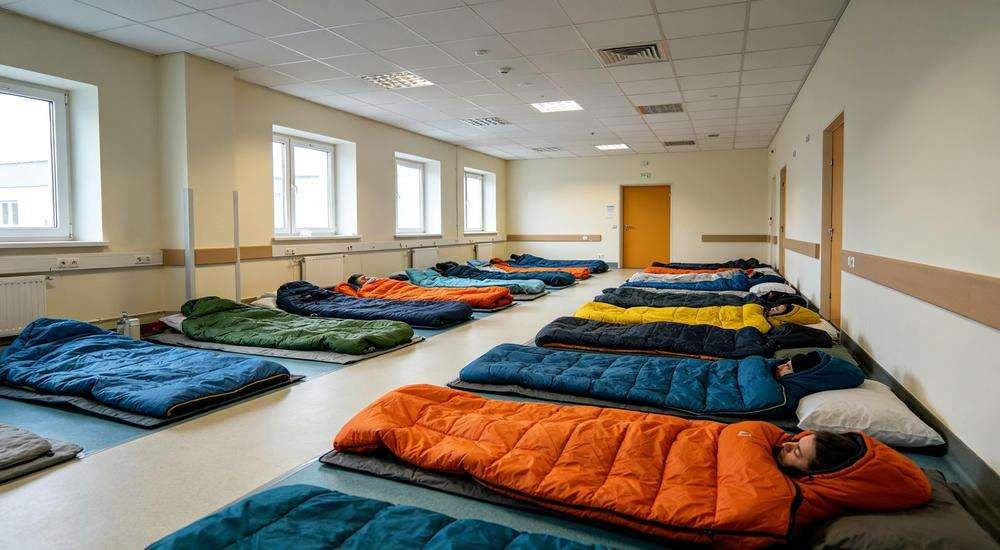
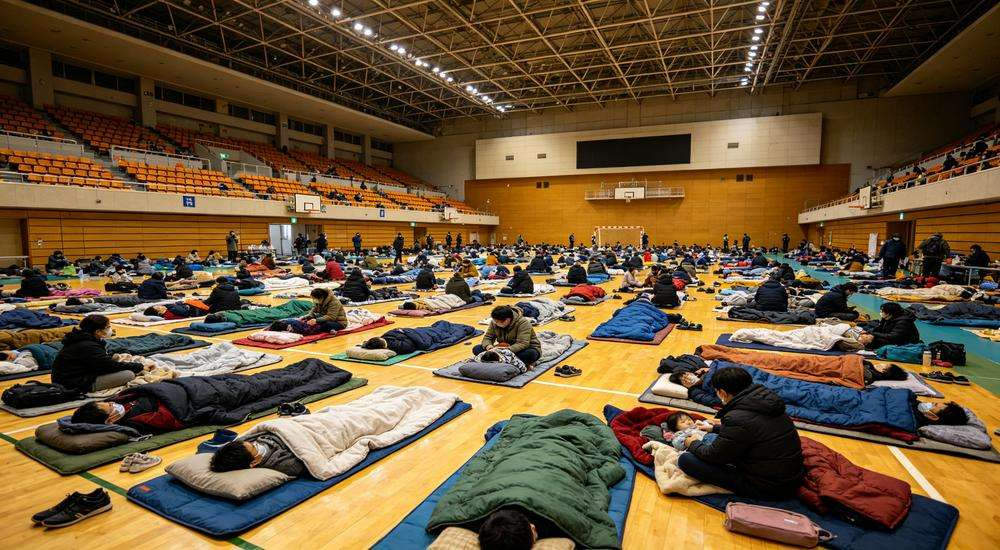
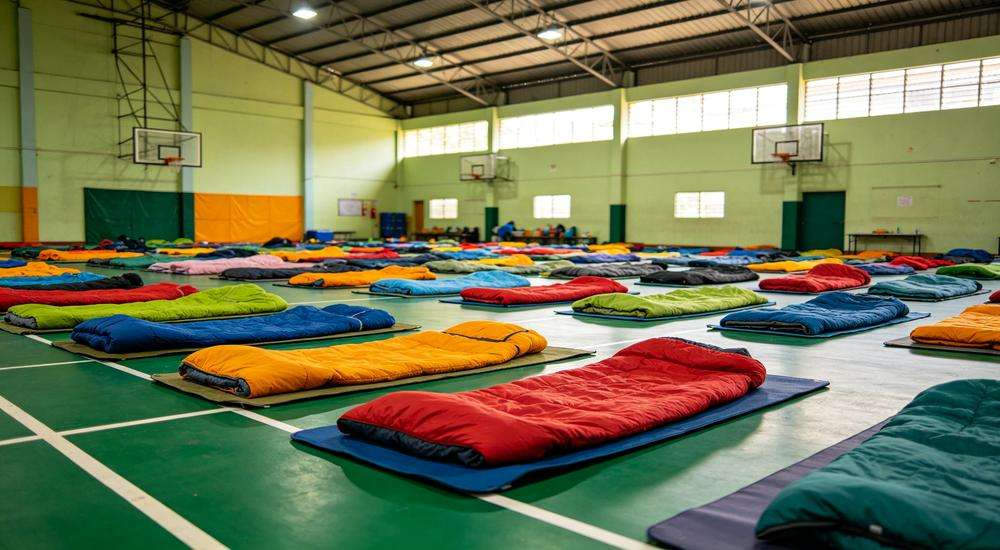
They can help create individual sleeping places in temporary accommodation. Indoor locations such as gyms, schools, and halls also require decisions about ground insulation, available width, walkways, and cleaning protocols. For instance, an Uzbekistani community hall measuring 20×15 meters can accommodate approximately 80 single sleeping bags (190×75cm) with 1-meter aisles, while a Philippine school gym may need 150 units for typhoon evacuation.
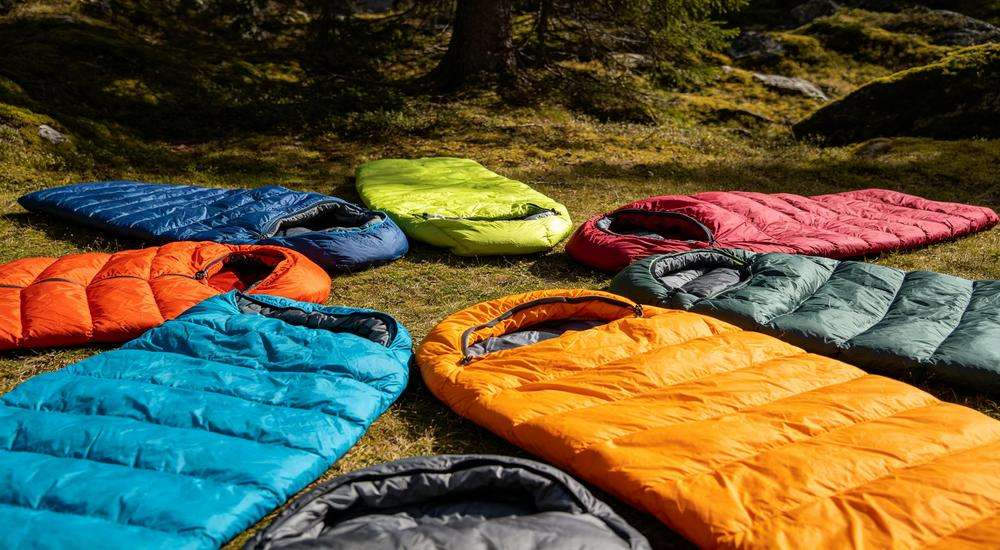
Common settings include temporary shelters, gymnasiums, schools, military barracks, outdoor camps, and emergency distribution centers. Each environment has different requirements for insulation, moisture resistance, and sleeping bag durability. A China sleeping bag factory can provide configurations tailored to specific climate zones and usage patterns, including tropical high-humidity models with quick-drying polyester sleeping bag fabric and cold-weather versions with thicker sleeping bag filling for mountainous regions.
Outdoor or semi-exposed locations add wind, moisture, and lower temperatures. A heavier bag alone does not solve those conditions. Shelter, sleeping platforms, and applicable temperature information must be reviewed together.
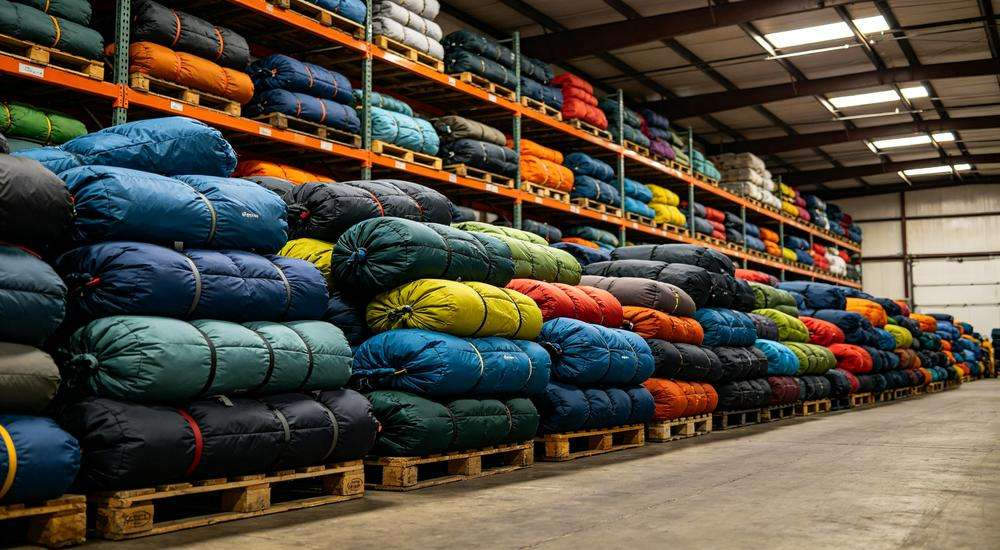
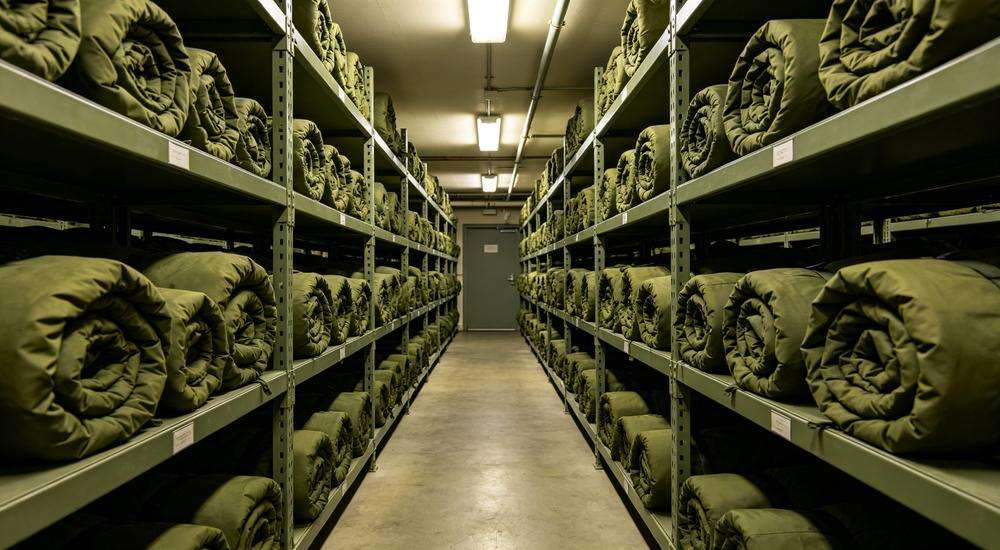
Long-term sleeping bag storage places more emphasis on sleeping bag packing methods, repeated handling, labels, and replenishment consistency. For example, a Romanian disaster relief agency may maintain a 10,000-unit sleeping bag reserve with annual rotation, while a Myanmar humanitarian organization requires compact sleeping bag compression sack packing for remote distribution via river transport. Similar institutional sleeping bags projects may use the same product category without using the same sleeping bag configuration.
Start with the fields that change real use: sleeping bag dimensions (typically 180×75cm to 220×85cm), shape (envelope or mummy), sleeping bag shell material (170T-210T polyester), sleeping bag lining (polyester pongee or fleece), sleeping bag filling (150-300g/m² hollow fiber), finished-weight basis (0.8-1.8kg), closure type (zipper or Velcro), sleeping bag hood or collar design, storage bag, and outer sleeping bag packing method.
Start with the user profile, sleeping platform, expected temperature range (5°C-25°C for most emergency use), and length of stay (1-30 days). These four factors determine whether a lightweight emergency bag or a thicker cold-weather model is appropriate. Buyers should also verify sleeping bag MOQ (typically 500-1,000 pieces), sleeping bag sample availability (7-15 days), ISO certified sleeping bag standards, and sleeping bag price ranges ($3-12 per unit FOB) before requesting formal sleeping bag quotation.
Temperature information must correspond to the specific construction, filling, size, and applicable specification or test information. Names such as “winter,” “warm,” or “thick” are not enough.
When several options are offered, list them separately. Buyers can then see how a change in material, size, or filling affects use, packing, and quotation scope.
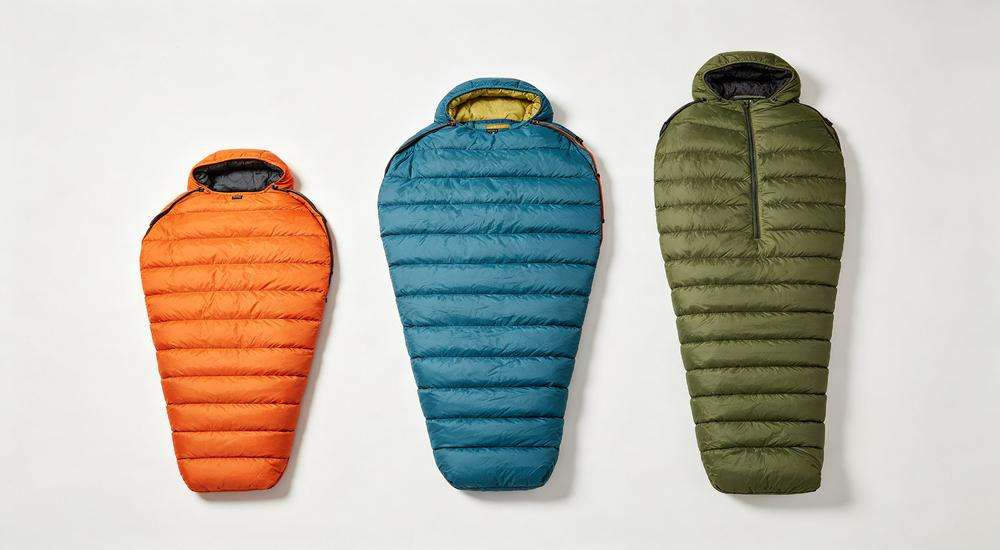
A bag that is too small can restrict movement. One that is unnecessarily large can increase empty internal space and storage volume. The wrong shape can also affect entry, turning, and fit with a cot or mattress.
Mismatched products lead to user discomfort, increased returns, higher replacement costs, and potential safety issues in cold environments. A sleeping bag supplier with experience in institutional orders can help identify mismatches early and recommend adjustments before bulk production begins.
Unclear temperature information can place the wrong configuration in colder conditions. Packing data borrowed from another model can also distort storage and transport planning.
The practical solution is simple: the quotation, sample, specification, and packing data should all describe the same configuration.
With these inputs, a supplier can return a more relevant configuration, sample scope, packing basis, and quotation. Clear conditions make comparison easier and reduce guesswork.
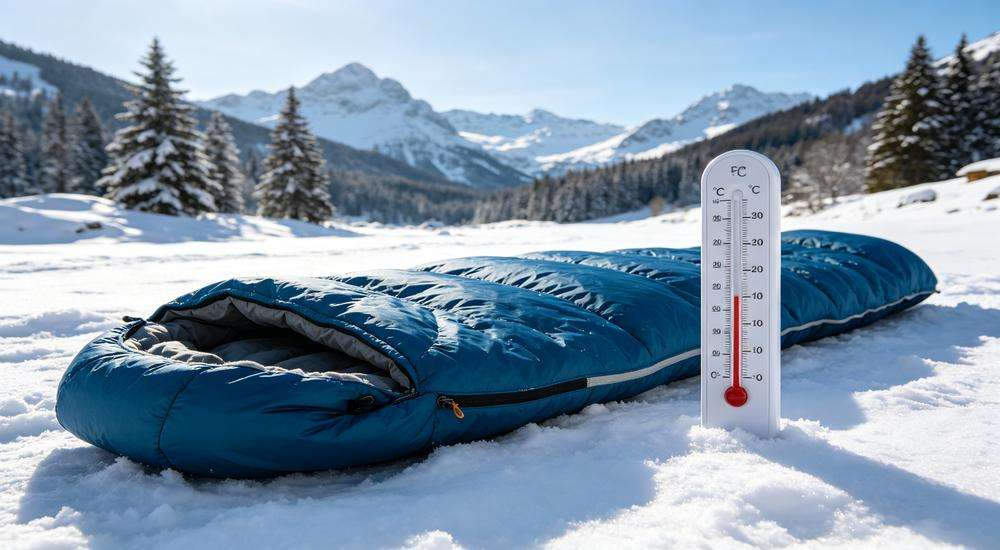
First confirm that the bag must provide individual sleeping coverage. Then decide how it works with shelter, a mattress, a mat, or a cot. Compare people, environment, construction, and packing before considering internal model names.
An option should explain who it fits, where it fits, what changes, and how it will be packed. If those links are unclear, the option needs more information before sample or quotation comparison.
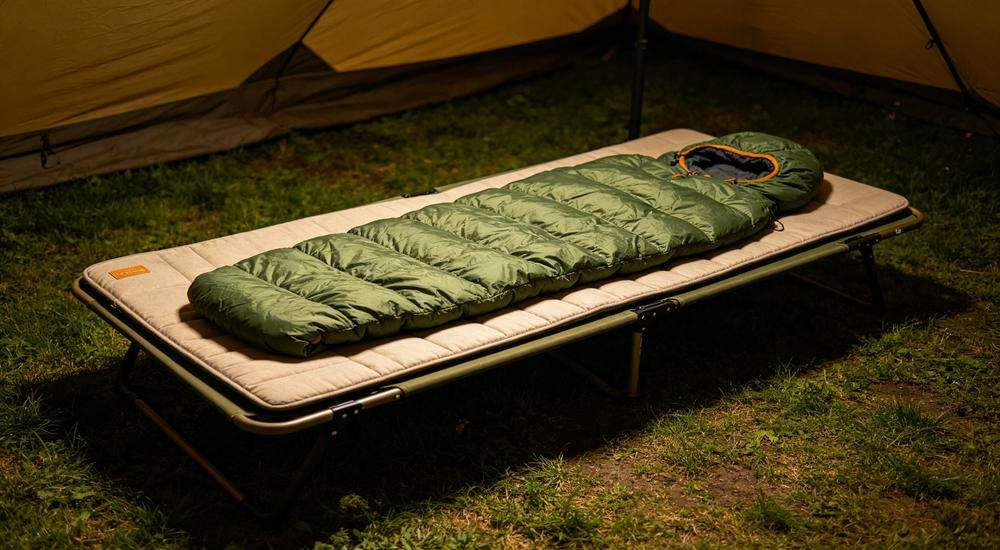
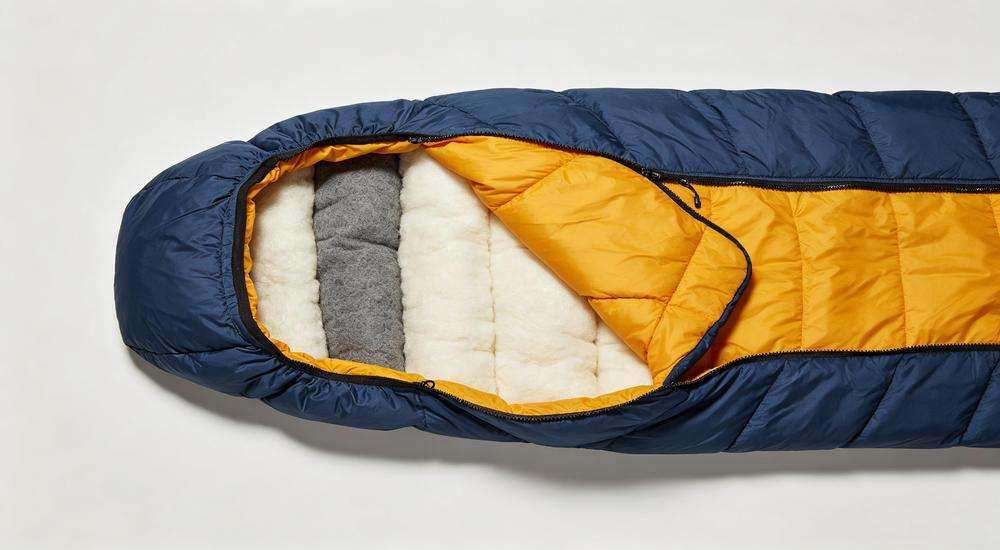
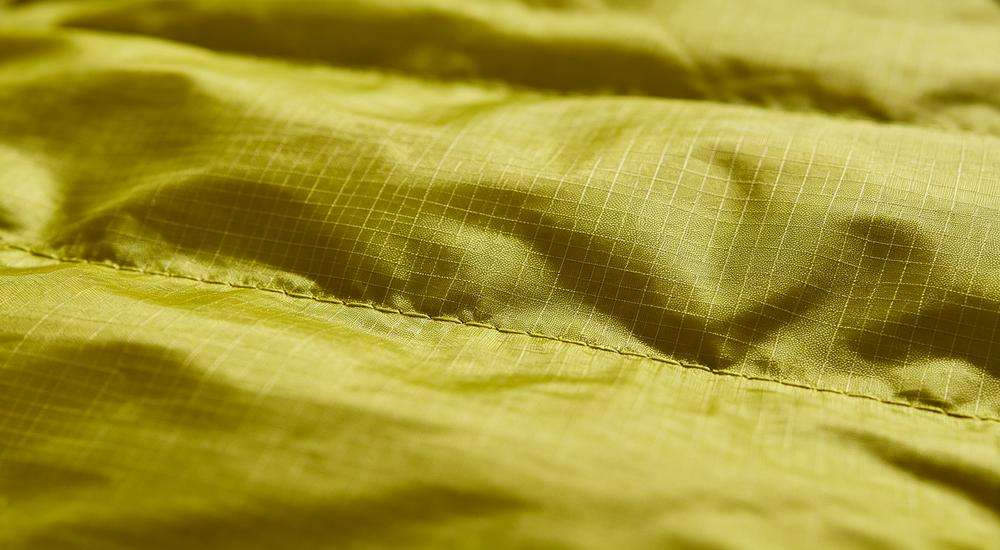
A complete sleeping bag should be compared by sleeping bag shell (outer fabric facing abrasion and moisture), sleeping bag lining (inner fabric touching skin), sleeping bag filling (insulation layer), shape, opening and sleeping bag zipper, seams or quilting construction, and storage bag. Each part has a different job. The shell faces abrasion and light surface moisture, typically using 170T or 190T polyester taffeta with water-resistant coating.
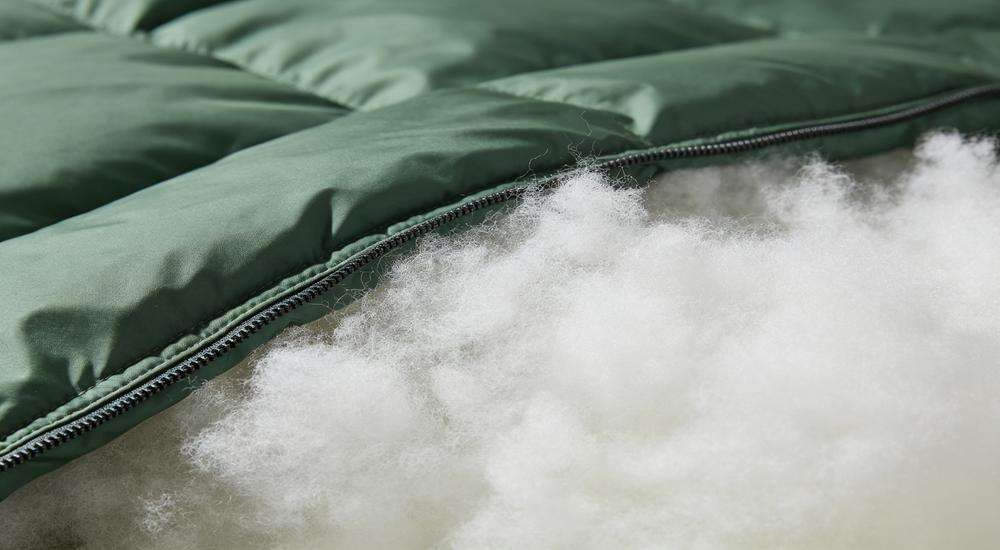
The sleeping bag lining touches the user and should be soft, breathable polyester pongee, while the sleeping bag filling provides most insulation using 150-250g/m² hollow conjugated polyester fiber. The opening controls entry and internal space, with sleeping bag zipper options including left-side, right-side, or two-way zippers for institutional flexibility.
Current sleeping bag product information includes configuration directions such as a 170T polyester sleeping bag shell, polyester sleeping bag lining, and hollow polyester fiber or feather-touch sleeping bag filling. These are selectable directions, not a claim that every sleeping bag contains every option. Sleeping bag materials, sleeping bag dimensions, sleeping bag filling, and finished sleeping bag weight must describe the same offered configuration from a reliable sleeping bag manufacturer.
Buyers do not need specialist textile terminology. Ask what each layer is, why it is selected, which environment it suits, and whether a change affects warmth, feel, weight, or packed size. This turns a broad product name into an understandable choice.
The information includes several standard sleeping bag dimensions. These include 180×75 cm regular single (suitable for users up to 170cm), 190×75 cm thicker (for users up to 180cm with extra filling), 200×75 cm longer (for users up to 190cm), and 220×150 cm wider two-person options (for couples or families). These numbers describe open sleeping bag size (length × width) when laid flat.
They do not identify the specific user or prove sleeping bag temperature rating. A 190×75cm bag with 200g/m² filling may suit 10-15°C use, while the same size with 300g/m² filling may suit 5-10°C conditions. Always confirm sleeping bag weight (net weight, not just filling weight) and packed dimensions alongside the open size.
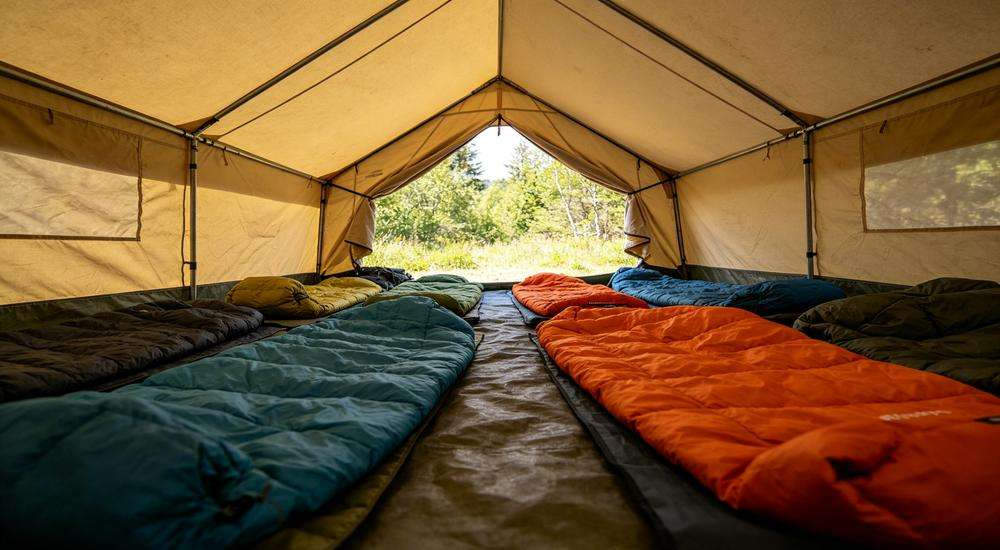
Length should fit the target user in normal night clothing. Width should allow shoulder, knee, and foot movement while staying on the intended cot, mattress, or marked floor space. A two-person option also changes bed area, packed volume, and packing needs, so it should not be compared with a single bag on price alone.
Place a representative sample on the real sleeping platform. Ask representative users to lie down, turn, sit up, and leave. This simple check reveals whether the dimensions work in practice rather than only looking acceptable in a catalogue.
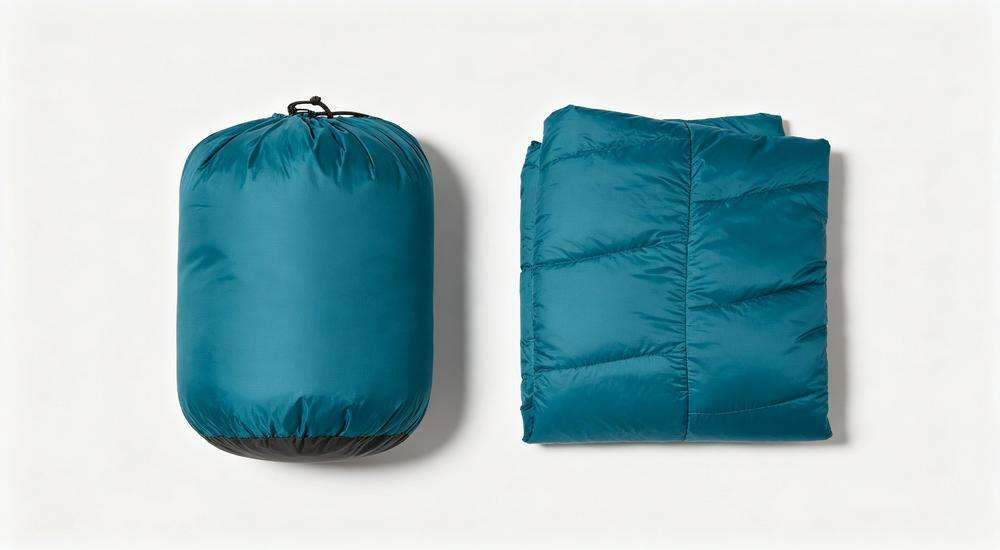
An envelope shape usually gives the shoulders and legs more movement room. Some configurations can open flat for light cover use. A hooded or closer-fitting shape reduces unused internal space and deserves comparison when conditions are colder, draughtier, or require head coverage.
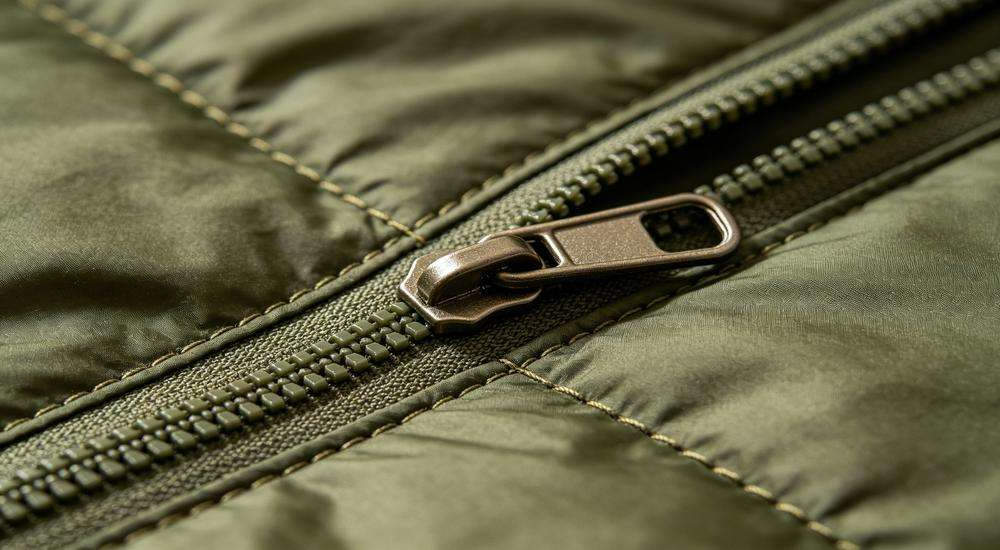
A wide top opening can make entry and sitting up easier, but it can also admit more cold air. Left or right zipper access should match walls, bed frames, neighbouring beds, and aisles. Treat two-way zippers, connection, or full opening as available only when the quotation and sample show that exact function.
No shape suits every project. Indoor accommodation may prioritise movement and easy entry. Exposed sites may prioritise a smaller opening and head or shoulder coverage.
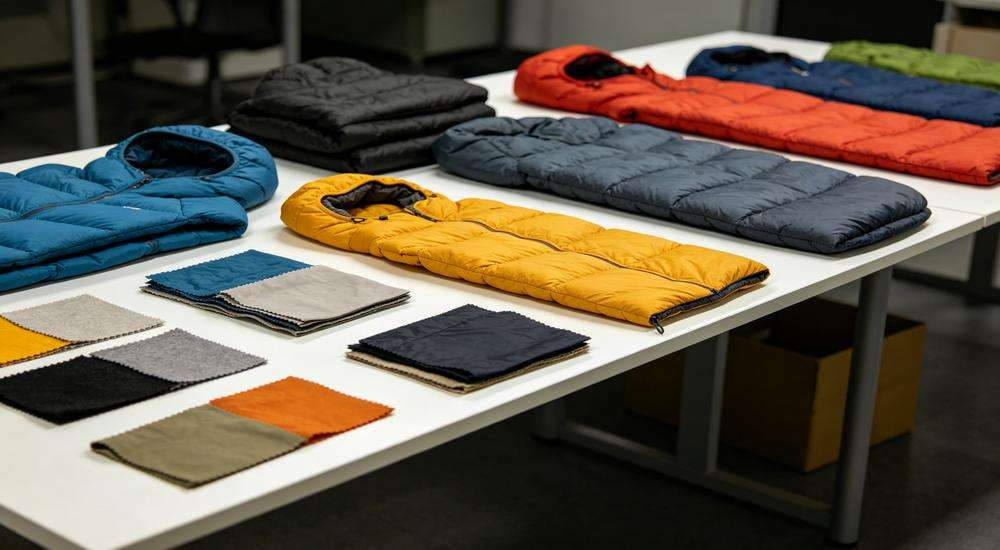
The real environment should explain the choice. Emergency, winter, and thick are not fixed temperature levels. Warmth depends on the shell, lining, filling type and amount, dimensions, shape, opening, user clothing, wind, moisture, and sleeping platform.
A temperature figure is comparable only when its dimensions, materials, filling, construction, and information basis remain clear. Do not transfer a figure from another product. Hand feel, apparent thickness, or finished weight alone does not show a suitable temperature range.
State the expected night conditions, indoor or outdoor use, heating, and normal user clothing. Then request temperature information that applies to the offered configuration. If matching information is unavailable, keep temperature performance as a comparison question instead of presenting it as a confirmed promise.
A sleeping bag surrounds the body, but it does not automatically solve floor hardness, heat loss below the user, or ground moisture. Cold concrete, damp ground, metal mesh, and slatted cots can all change comfort and warmth.
Indoor floor sleeping requires separate decisions about support, insulation, and moisture. A groundsheet may block moisture without adding enough insulation. A soft mattress can improve support without being suitable for wet ground. A cot raises the user but still requires a width and airflow check.
Test the bag on the actual sleeping platform. Let the bag provide personal enclosure and coverage, while the mattress, mat, or cot addresses the problems the bag cannot solve alone.
Adding sleeping bags alone will not solve a project that mainly lacks ground support, bed height, or moisture protection. Colder, windier, or wetter conditions also require shelter, ground insulation, and applicable temperature information rather than simply selecting a heavier bag.
Projects with frequent cleaning should first check sleeping bag care instructions for the selected materials, filling, and construction, together with available drying conditions. Contamination that cannot be removed, severe damage, clumped filling, or failed closures can change whether a bag remains suitable for further use.
An emergency sleeping bag provides individual sleeping coverage. It is not a universal replacement for a tent, mattress, ground mat, or blanket. Identify the missing layer in the sleeping arrangement before deciding what the bag must do.
Gyms, schools, and community halls block direct rain, but their floors can remain hard and cold. Measure one sleeping position, adjacent spaces, and aisle clearance before choosing bag dimensions. A total headcount does not show whether each bag will fit.
With a folding cot, check whether the bag extends beyond the bed or the frame blocks the zipper. Confirm that the user can sit up and leave. For floor sleeping, confirm that a mat or mattress provides the required support and insulation instead of expecting the bag to solve every problem.
Indoor temperatures can also vary. Unheated halls, areas near doors, and crowded zones may not feel the same. Share the coldest expected position and normal night clothing so the offered configuration reflects real use.
Tents, temporary shelters, and outdoor sites face wind, ground moisture, and larger temperature changes. Buyers should review the top opening, hood or collar, zipper baffle, water-resistant shell direction, and insulation below the user together with the filling.
A water-resistant shell can manage light surface moisture. It does not replace a rain shelter or waterproof groundsheet during continuous rain, standing water, or direct exposure. The word emergency does not expand the product beyond its actual construction.
When one project includes indoor and outdoor sleeping areas, divide the quantities by condition. An indoor option can prioritise entry and movement, while an outdoor option can reduce draughts and match the relevant environmental information.
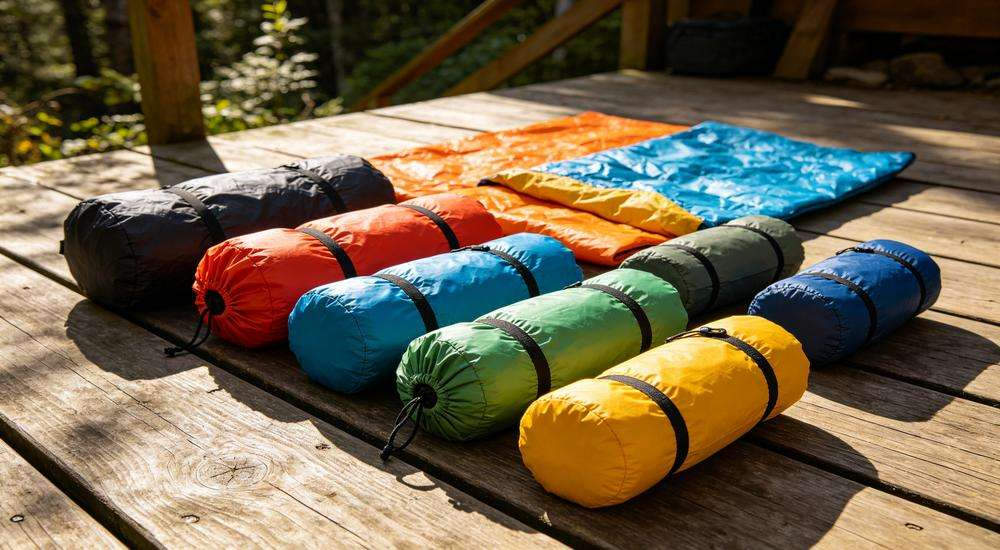
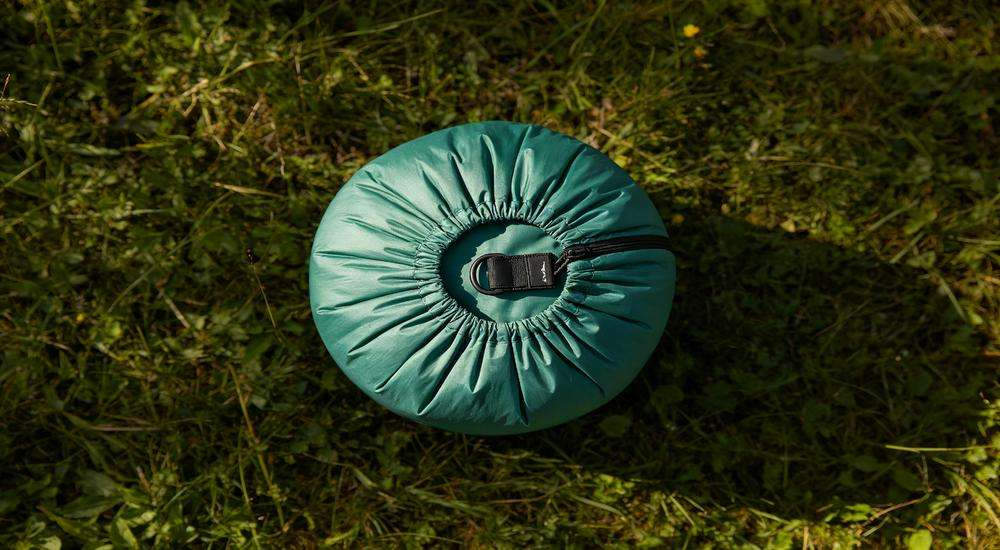
A bag that fits when open may still be unsuitable when stored. Filling amount, sleeping bag dimensions, shape, and compression method change the unit packed volume. For example, a standard 190×75cm emergency bag compresses to approximately 18×18×28cm (9L), while a thickened cold-weather version may compress to 22×22×35cm (17L). This affects storage space, vehicle loading, and individual carrying capacity.
Request sleeping bag weight (net weight 0.8-1.8kg), packed dimensions, pieces per carton (typically 20-30 pieces), carton dimensions (60×40×50cm standard), and gross weight (18-25kg per carton) for the selected configuration. Do not calculate a thicker or larger option from data belonging to a smaller bag. Two-person and thickened directions need their own sleeping bag packing figures. Confirm sleeping bag export carton markings and sleeping bag lead time (typically 25-35 days for bulk orders).
Repack the sample into its storage bag. An overly tight sack makes handling difficult and can place stress on fabric or closures. An oversized sack wastes space. A practical bag should repack with normal effort and without obvious strain.
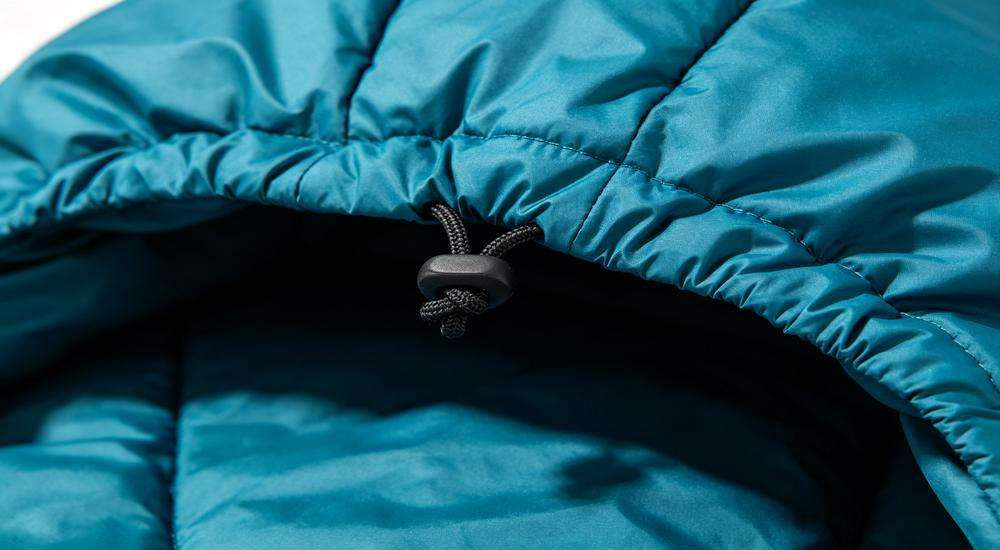
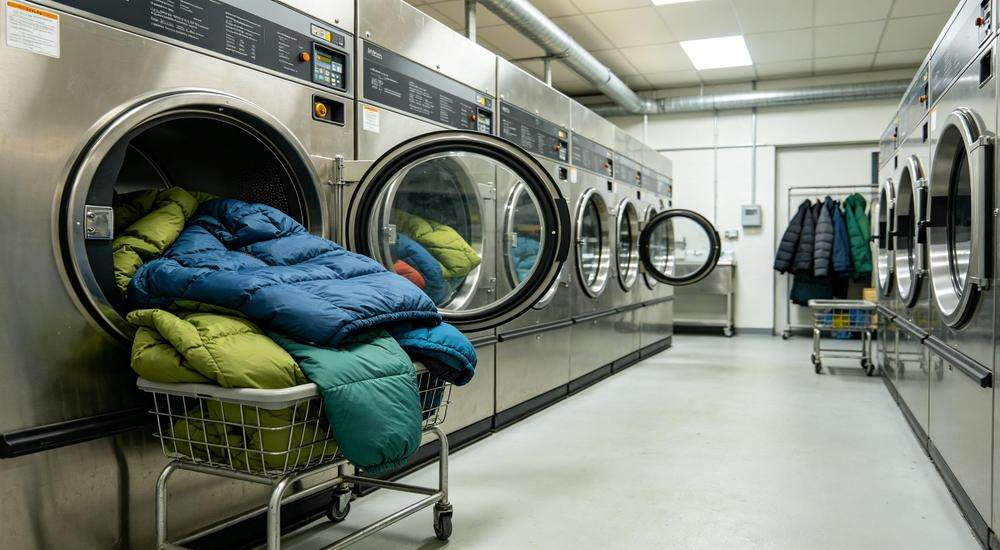
Reuse first depends on whether the selected materials and construction can be cleaned, dried fully, and returned to normal condition. Sleeping bag shell (polyester taffeta), sleeping bag lining (polyester pongee), sleeping bag filling (hollow fiber), and sleeping bag zipper may require different care instructions. One washing method should not be assumed for every sleeping bag. Most institutional models support machine washing at 30°C with mild detergent, but sleeping bag storage should be in a dry, ventilated area with temperature below 25°C and humidity below 60% to prevent mold and sleeping bag durability degradation.
A flat-opening structure can make airing and inspection easier, but the filling still needs checking after drying. Limited washing or drying space may also change whether spot cleaning, component replacement, or another configuration is more practical.
Do not keep a bag in use only because it looks complete. Contamination that cannot be removed, serious fabric damage, open seams, clumped filling, or failed closures can make it unsuitable. Care limits should be understood before selection.
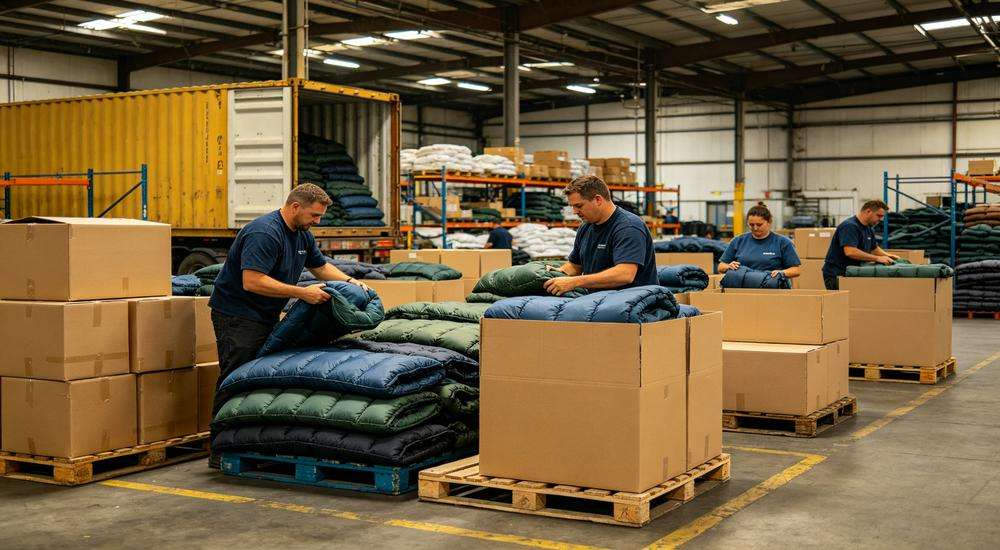
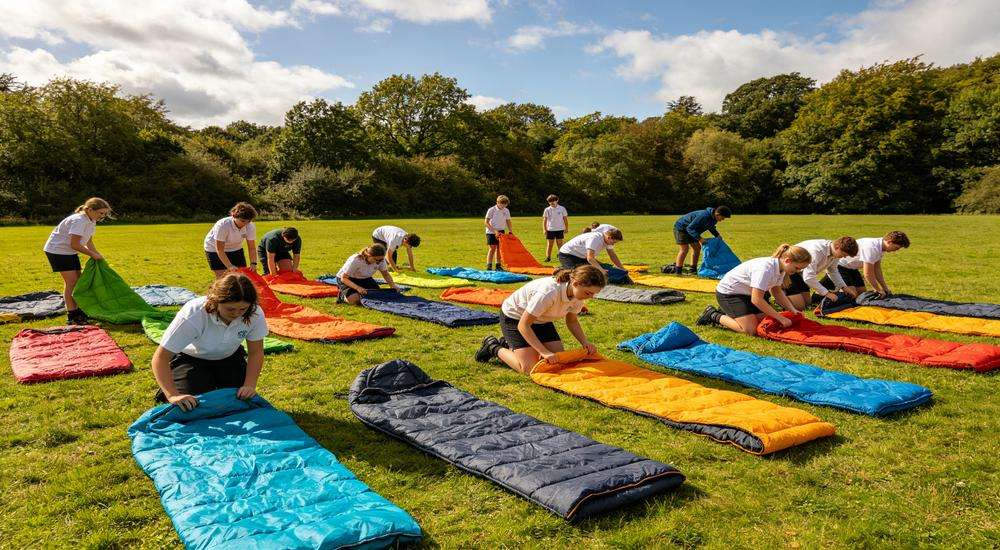
A sample is useful for checking dimensions, shape, entry, top opening, zipper, seams, filling distribution, storage bag, and repacking effort. Place it on the actual cot, mattress, or floor position. This reveals more than viewing an empty bag on a table.
Hand feel cannot show a suitable temperature range, and appearance alone cannot identify hidden materials. Those points still need product information that applies to the configuration. The sample answers whether the bag fits, works normally, and has an understandable structure.
A material change to size, filling, shape, zipper, or packing may make the original sample unsuitable as a reference. Recheck the affected parts so the quoted product description matches what the buyer actually compared.
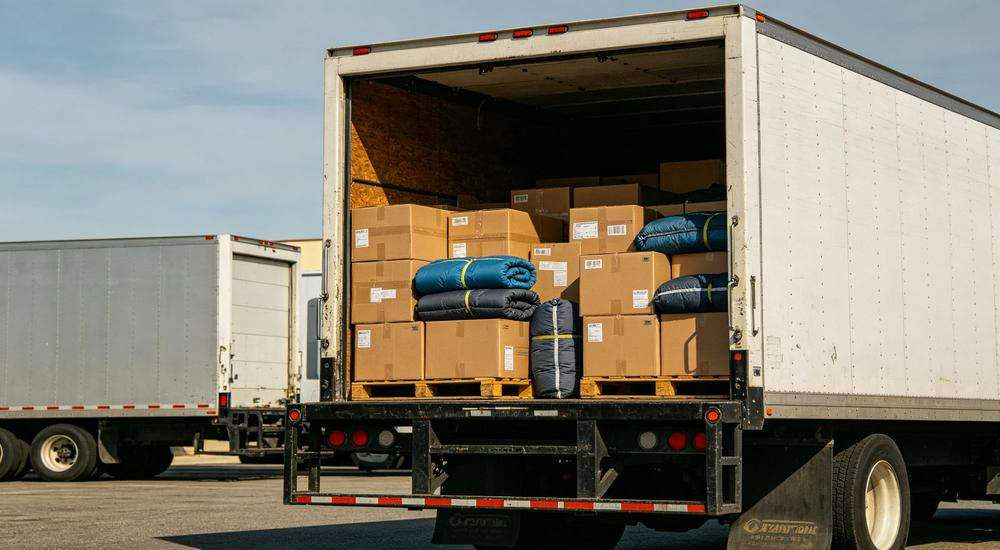
Start with the user and environment. Define who will use the bag, where they will sleep, and the lowest expected night conditions. Record available shelter or heating and the intended sleeping platform. These answers remove options that do not fit the real task.
Next compare open dimensions, shape, top opening, zipper access, and platform fit. Once the bag fits the user and sleeping position, compare shell, lining, filling, finished weight, and temperature information for the same configuration. This keeps a material name or weight figure from replacing the complete decision.
Finish with the storage bag, unit packed dimensions, carton data, and care conditions. This order removes unsuitable products before commercial comparison and keeps the remaining differences understandable. Buyers can then request samples only for options that solve a real accommodation problem.
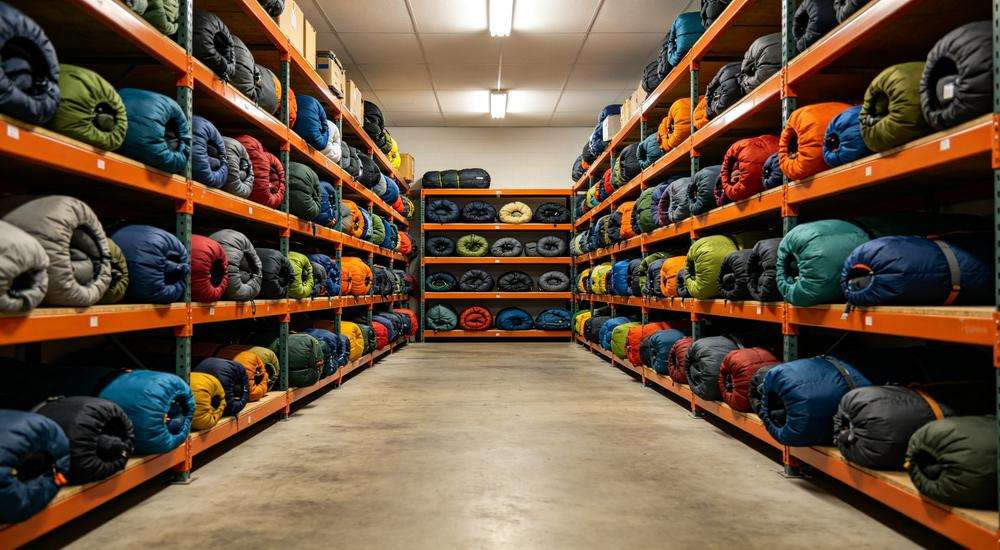
Before ordering, keep the shell, lining, filling, size, zipper, carry bag, and temperature information linked to the same physical sample.
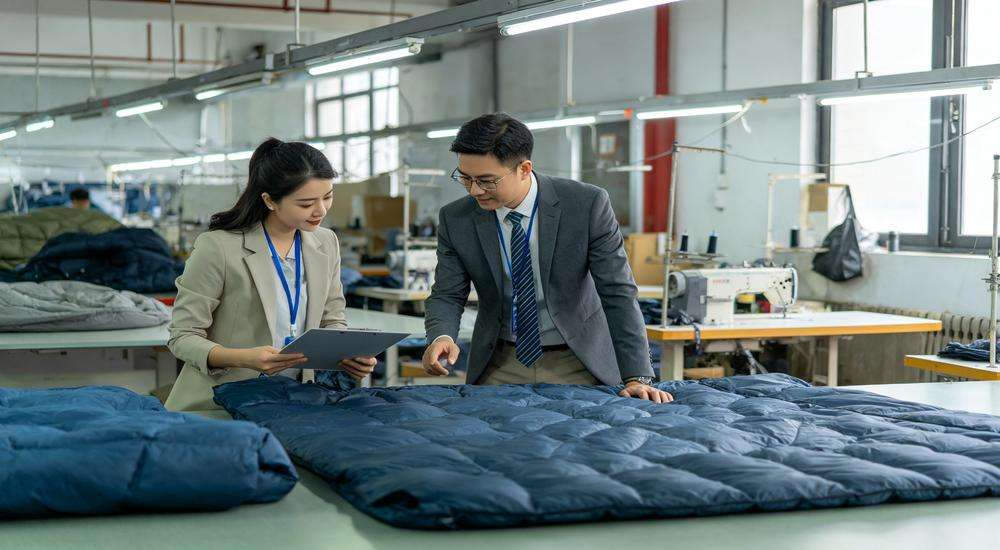
When requesting a sleeping bag quotation from a sleeping bag manufacturer, provide clear specifications including sleeping bag dimensions, filling weight, and order quantity. A detailed sleeping bag quotation should separate product cost, packing materials, and shipping fees for transparent comparison across suppliers.
For institutional buyers, sleeping bag comfort should be evaluated alongside durability and ease of maintenance. A sleeping bag hood or collar design can improve thermal efficiency in cold conditions, while a sleeping bag compression sack reduces storage volume by 30-40% compared to standard stuff sacks. When comparing suppliers, ask about sleeping bag inspection protocols (typically AQL 2.5 level), sleeping bag price tiers based on order quantity, and sleeping bag export experience to your destination country.
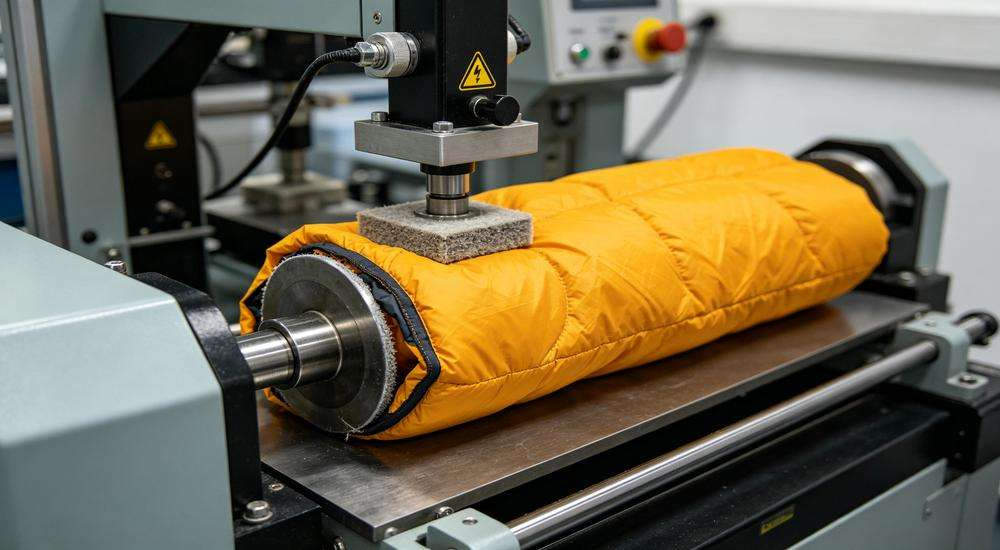
Quality sleeping bag storage requires dry, ventilated conditions with regular inspection every 3-6 months. A polyester sleeping bag with hollow fiber filling offers the best balance of cost, durability, and ease of care for most institutional applications. Confirm sleeping bag weight specifications (both net weight and filling weight), sleeping bag size options, and sleeping bag lead time commitments before finalizing any bulk order agreement.
Importantly, the key distinction between emergency and recreational models lies in batch consistency rather than individual comfort. Notably, institutional buyers should prioritize sleeping bag quality control certification over marketing claims, as this significantly impacts long-term durability and user satisfaction in deployment scenarios.
Significantly, the most critical factor in emergency sleeping bag procurement is not individual product features but batch consistency across thousands of units. Particularly for multi-year framework agreements, establishing a reliable sleeping bag manufacturer relationship with consistent quality control substantially reduces deployment risk and total cost of ownership over time.
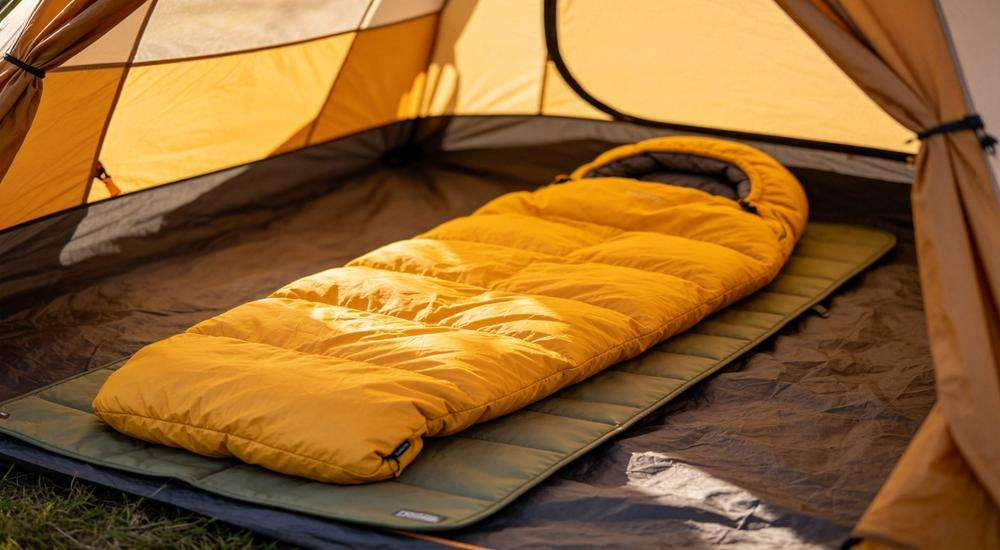
Selecting the right sleeping bag manufacturer and product configuration requires careful evaluation of user needs, environmental conditions, and quality standards. A reliable China sleeping bag factory with BSCI sleeping bag and ISO certified sleeping bag production capabilities can provide custom sleeping bags, OEM sleeping bag services, ODM sleeping bag solutions, and private label sleeping bags to meet your specific institutional requirements.
Before placing bulk sleeping bags orders, buyers should verify sleeping bag quality control processes, sleeping bag MOQ terms (typically 500-1,000 pieces per color), sleeping bag sample availability, and sleeping bag delivery schedules. Requesting a sample is the most reliable way to evaluate actual product quality, sleeping bag temperature rating, sleeping bag fabric durability, and sleeping bag comfort before committing to large-volume wholesale sleeping bags procurement.
By working with an experienced sleeping bag supplier that understands institutional and emergency requirements, buyers can ensure consistent product quality, competitive pricing, and reliable long-term supply. For projects in Thailand, Tanzania, Indonesia, or the Philippines, confirm local import regulations, sleeping bag packing standards, and sleeping bag lead time commitments before finalizing any purchase agreement.


|
Material Type |
Shell Fabric |
Filling |
Best For |
Cost Level |
|
Basic Model |
170T Polyester |
150g/m² Hollow Fiber |
Indoor short-term |
$3-5 |
|
Standard Model |
190T Polyester Taffeta |
200g/m² Hollow Fiber |
Indoor/Outdoor medium |
$5-8 |
|
Heavy-Duty Model |
210T Ripstop Polyester |
250g/m² Hollow Fiber |
Outdoor long-term |
$8-12 |
|
Extreme Cold Model |
230T Ripstop + PVC coating |
350g/m² Hollow Fiber |
Below 0°C outdoor |
$12-18 |
|
Feature |
Indoor Shelter |
Outdoor Deployment |
|
Recommended Filling |
150-200g/m² |
250-350g/m² |
|
Shell Fabric |
170-190T Polyester |
210T Ripstop Polyester |
|
Shape |
Envelope (wider, comfortable) |
Mummy or Envelope with hood |
|
Water Resistance |
Basic (spill protection) |
Water-repellent coating required |
|
Weight |
1.0-1.5kg |
1.5-2.5kg |
|
Typical Cost |
$3-7 |
$8-15 |
|
Evaluation Dimension |
Good Supplier |
Average Supplier |
|
Factory Audit |
BSCI/ISO certified, reports available |
No certification or expired |
|
Sample Lead Time |
3-5 days |
7-14 days or no samples |
|
Bulk Production Time |
20-30 days for 5000 units |
35-60 days or uncertain |
|
Defect Rate |
Below 1.5% |
3-5% or unknown |
|
Customization |
Logo, color, size, packaging |
Only color, limited options |
|
Warranty |
12 months written warranty |
No warranty or verbal only |
|
Inspection Item |
Check Method |
Acceptance Standard |
|
Fabric Weight |
GSM scale measurement |
±5% of specified weight |
|
Filling Weight |
Individual bag weighing |
±10% of specified filling |
|
Zipper Function |
5 open/close cycles per sample |
No snagging, smooth operation |
|
Stitching Quality |
Visual inspection + pull test |
No skipped stitches, 6-8 stitches per cm |
|
Dimensions |
Tape measurement laid flat |
±3cm of specified size |
|
Color Matching |
Compare to approved sample |
No visible color difference |
|
Packaging |
Check compression sack + carton |
Correct labeling, no damage |
Enlaces amistosos :
Derechos de autor © Custom Disaster - Relief Bedding: Tents, Sleeping Bags, Blankets Reservados todos los derechos
el equipo profesional al servicio !