Bulk Procurement Guide
A bulk blanket order does not fail at shipment. The failure is usually designed into an incomplete RFQ weeks earlier. If destination quantities, acceptance fields, packing, labels and document timing are missing, production must make assumptions. Those assumptions later appear as change requests, warehouse confusion or delayed release.

A bulk blanket order is controlled by a sequence of release decisions, not by one purchase order alone. A late label, destination, or packing change can reopen work that appeared complete. To order emergency relief blankets in bulk, follow a controlled sequence: define the requirement, align the quotation, approve the sample and specification, release production, inspect the batch, and confirm the shipment handover.
A reliable bulk blanket order process starts before price comparison: buyers should first state the use, quantity range, destination market, product line, specification fields, packing, labels, required documents, inspection method, and delivery responsibilities.
The unit price is only comparable after the quotation scope is comparable. A lower quote may cover a different product, packing method, label scope, inspection requirement, or shipment responsibility.
List the exact decisions at arrival: Is this the correct product and version? Is quantity allocated correctly? Do dimensions, visible construction, labels and packing match? Are required documents present? Every receiving question should trace back to a purchase-order field, sample record or agreed inspection step.
Label artwork depends on confirmed claim wording and destination language. Carton marks depend on quantity allocation. Loading estimates depend on verified packing. Approval to start production depends on approved product and open differences. Record these dependencies so a late upstream change shows which downstream tasks must be repeated.
A buyer changes destination language after unit packs are approved. The impact is not limited to printing: artwork approval, existing material, packing schedule, carton identification, document wording and receiving instructions may all change. A controlled order records affected quantities, obsolete versions, replacement approval and the new approval point before work resumes.
Use the tables as a project timeline. Each stage must show the buyer input, supplier output, approval record, and the condition that allows the order to move forward.

| Decision field | What closes the decision |
|---|---|
| RFQ | Product, quantity split, packing, labels, documents |
| Approval | Sample, artwork, differences, acceptance method |
| Production | Identified versions and change impact |
| Handover | Inspection, packing list, shipment and receiving contacts |
We can support bulk and combined supply, sample and specification confirmation, logo/color/packing customization, and order-scoped export documents such as commercial invoice, packing list, certificate of origin, inspection material, and bill of lading. Exact documents, MOQ, cost, timing, and trade responsibility depend on product, quantity, destination, and contract.
A complete RFQ selects a product line before locking specifications. A relief-flannel direction, an institutional blend, and a reserve or camp direction may each use different dimensions, GSM or piece-weight fields, construction, and packing. Confirm each configuration from its current product record and approved sample. Never combine them into one default standard.
Ordering logic changes by buyer. A government reserve program must connect specification and packing to warehouse identity, inspection, rotation, and surge replenishment. An NGO or cross-border aid project adds destination allocation, customs and multilingual documents, and fast field distribution. A distributor may prioritize stable pricing fields, neutral or private-label packing, and repeat-order consistency. One RFQ can cover all three only when quantities, destinations, approval owners, and records are separated instead of hidden under one total order line.

Estimate quantity from the operating plan rather than copying one blanket-per-person into every project. Start with the people or reserve positions to be covered, then separate destinations, climate groups, user groups, deployment duration, warehouse capacity, and expected replenishment. Add a project-agreed buffer only after identifying transport loss, changing site population, special-population needs, or replacement risk. Do not apply one universal percentage. Record the assumptions beside the quantity so that the buyer and supplier can revise the plan when population, destination, budget, or timing changes.
Buyers can begin a bulk relief blanket order by selecting a product line from the wider emergency relief blankets category. The visible descriptions below help identify the intended option. Material ratio, size, weight, packing, carton data, and test requirements still need written confirmation.

| product line | Visible Identification | Typical Procurement Fit | Confirm In The RFQ |
|---|---|---|---|
| Emergency Relief Reserve Blanket | Plain-color plush surface, folded or spread form, with some edge binding or rolled-edge details visible. | Emergency stockpiles, temporary shelter distribution, and institutional reserve programs. | Material statement, finished size, weight field, color, edge finish, label, packing, and documents. |
| Field Logistics Cold-Weather Blanket | Dark green surface, gray-green edge band, folded form, and visible label position. | Field logistics, duty rest, institutional reserve, and cold-weather purchasing discussions. | Material wording, size and weight fields, edge detail, label position, packing, and inspection points. |
| Institutional Duty Blanket | Deep blue surface, three black horizontal stripes, gray edge treatment, folded form, and hangtag position. | Institutional duty, standby rest, emergency backup, and uniform visual management. | Stripe direction, color tolerance, edge finish, label artwork, packing, and acceptance record. |
| Emergency Relief Thick Raschel Blanket | Patterned thick-pile appearance, light-color binding, folded or draped form, and multiple pattern directions. | Temporary shelter, relief reserve, and institutional programs that need patterned blanket options. | Pattern, color, material statement, size and weight fields, edge finish method, packing, and document scope. |
Keep one revision chain from brief, quotation differences, approved sample, label and packing artwork, production record, packing list, to receiving result. Multi-destination orders should lock quantity, carton marks, documents, and handover responsibility for each location before packing.

Build destination allocation before approving packing. Each destination line should state product configuration, quantity, unit or bulk packing, label language, carton mark, document set, receiving contact, and handover rule. A government reserve warehouse may need stable batch and rotation identity. An NGO distribution site may need fast countability and multilingual marks. A distributor may need private-label separation and commercial-document consistency. If several destinations share one shipment, connect every carton group to the allocation sheet before loading rather than asking the destination warehouse to sort an unidentified mixed order.
This method is intended for global government procurement teams, NGOs, institutional buyers, emergency-supply distributors, wholesalers, importers, and channel buyers. Each buyer may use different approval and receiving documents, so the destination market and buyer type should appear in the first inquiry.
For disaster relief blankets in bulk, the project context affects more than product selection. It also affects labeling language, packing logic, inspection responsibilities, document requirements, shipment instructions, and the receiving contact.
Close the first order with a receiving-to-reorder review. Compare delivered quantity, sampled specification fields, visible condition, labels, packing, carton identity, documents, destination allocation, and any approved exceptions with the release record. Separate transport damage from product nonconformity and record who owns each corrective action. For reserve stock, carry batch identity, inspection status, storage location, and rotation trigger into the inventory record. For field distribution, record shortage, damage, user-group mismatch, and replenishment demand by site. These results turn the first shipment into a better specification and allocation plan for the next order instead of leaving the learning in disconnected receiving emails.
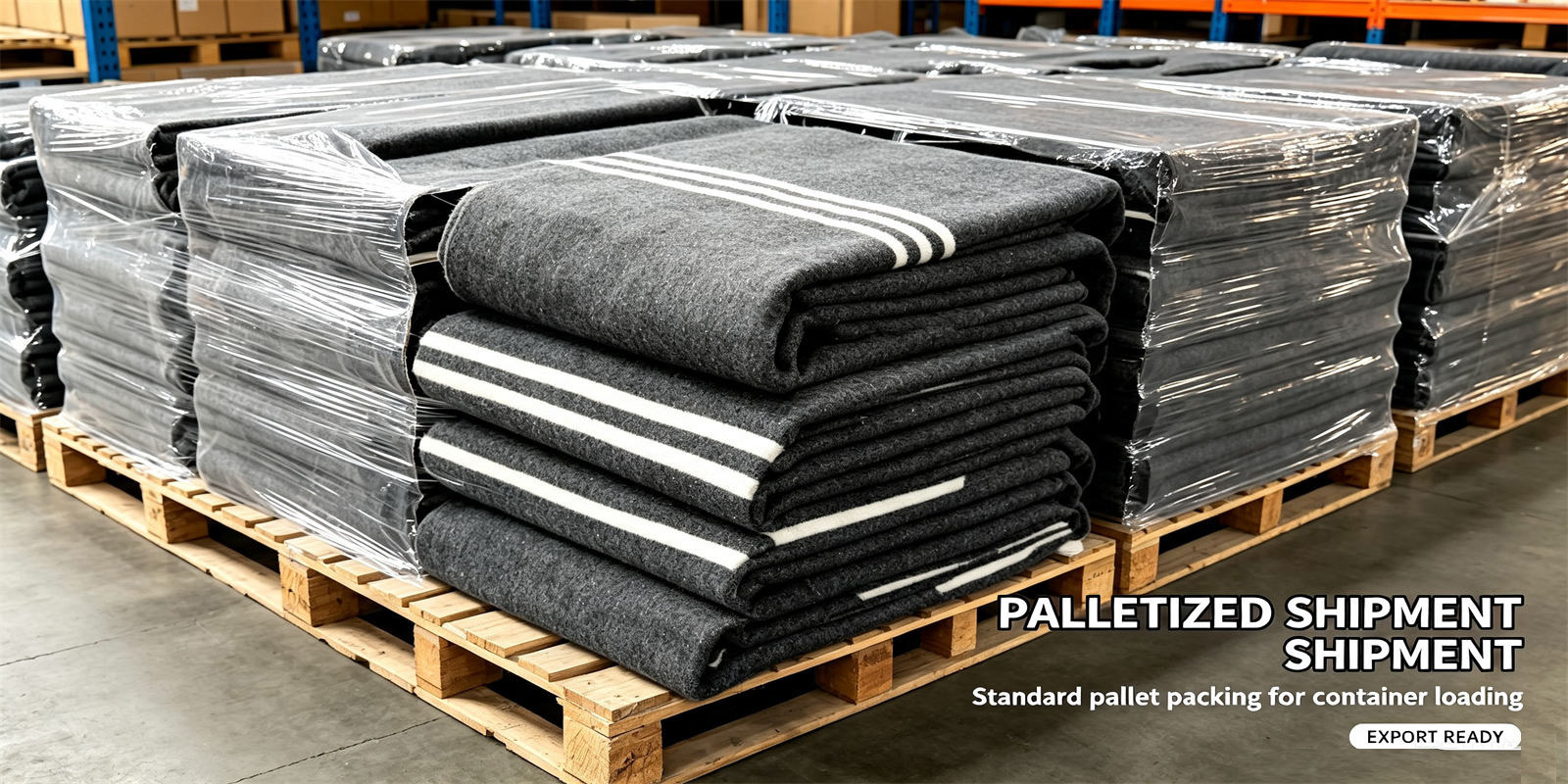
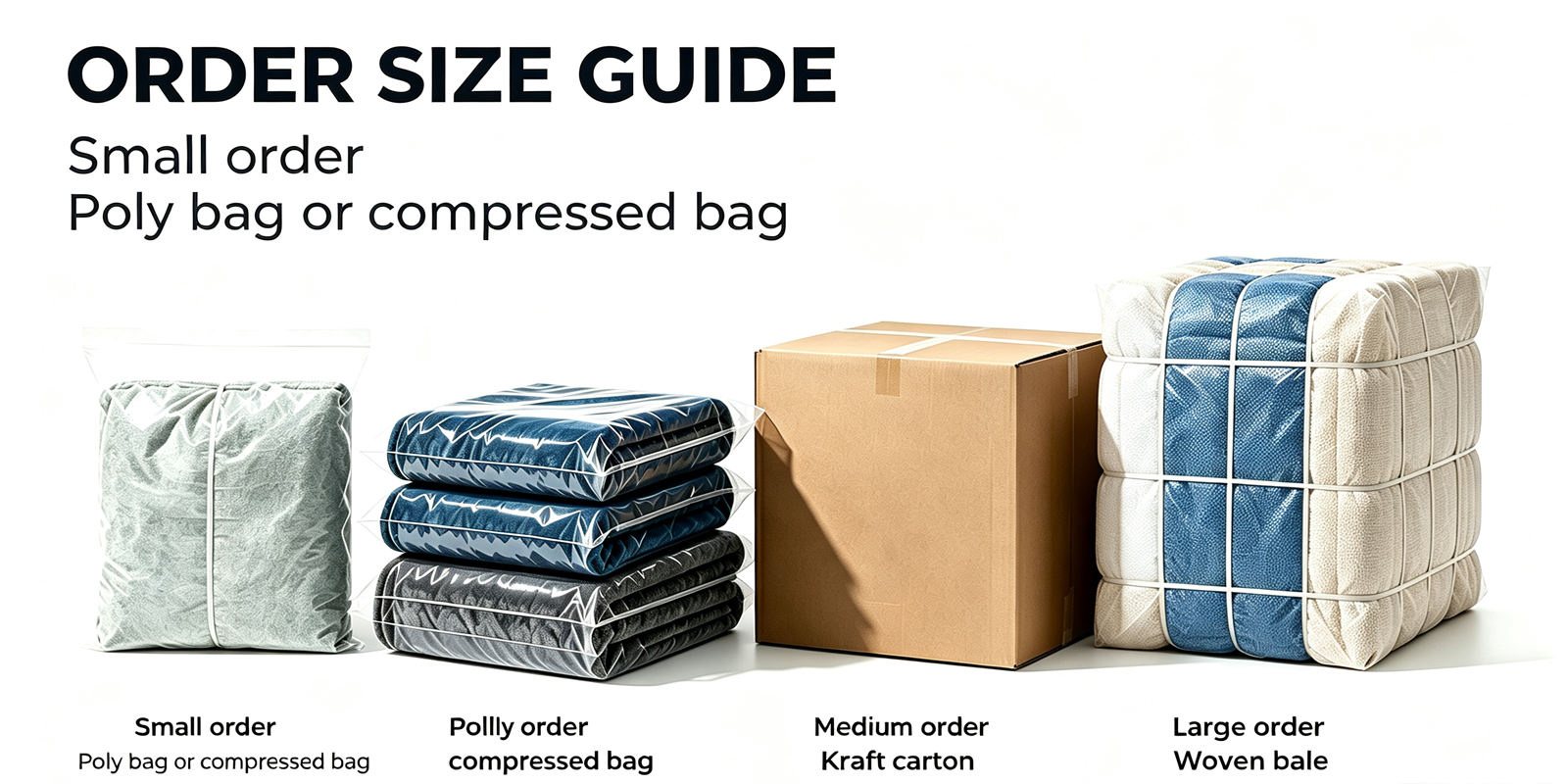
The following 7-step path turns bulk relief blanket orders into reviewable decisions from RFQ to shipment.
| Step | Buyer Action | Supplier Confirmation | Release Record |
|---|---|---|---|
| 1. Define The Requirement | State the use, buyer type, quantity range, destination, product line, and receiving objective. | Clarify which fields are standard, project-specific, or still open. | RFQ scope and question list. |
| 2. Align The Quotation Scope | Compare product, sample, packing, labels, documents, inspection, and delivery responsibilities together. | Separate included work, optional work, and buyer-supplied files. | Comparable quotation and clarification record. |
| 3. Approve Sample And Specification | Use a sample approval checklist to record visible appearance, measured fields, label position, packing concept, and comments. | Connect the approved sample to the specification, material statement or BOM when required, label proof, and packing proof. | Approved sample record and specification set. |
| 4. Release Contract And Production | Confirm product name, quantity, specification, packing, labels, acceptance method, document list, delivery responsibility, and change-control contact. | Identify which version of each file controls production and inspection. | Purchase contract, approved files, and approval to start production record. |
| 5. Follow Production And Changes | Review any proposed change before it affects product, packing, label, document, or schedule. | Keep approved references available for batch comparison and packing preparation. | Change log and current approved file set. |
| 6. Inspect And Accept | Check quantity, visible appearance, agreed specification fields, edge finish, labels, packing, carton marks, and document completeness. | Provide the agreed inspection reference and the project-required test reports when they are included in the order scope. | Inspection record, difference record, and release decision. |
| 7. Confirm Shipment Handover | Confirm shipment instructions, delivery term, named place, destination contact, final packing data, required documents, and receiving process. | Align the packing list and other agreed shipment documents with the approved order information. | Shipment document set and handover record. |
This sequence does not fix a universal MOQ, lead time, price, freight mode, or delivery term. Those commercial fields depend on the confirmed product, quantity, packing, destination, document scope, and current production and shipment review.
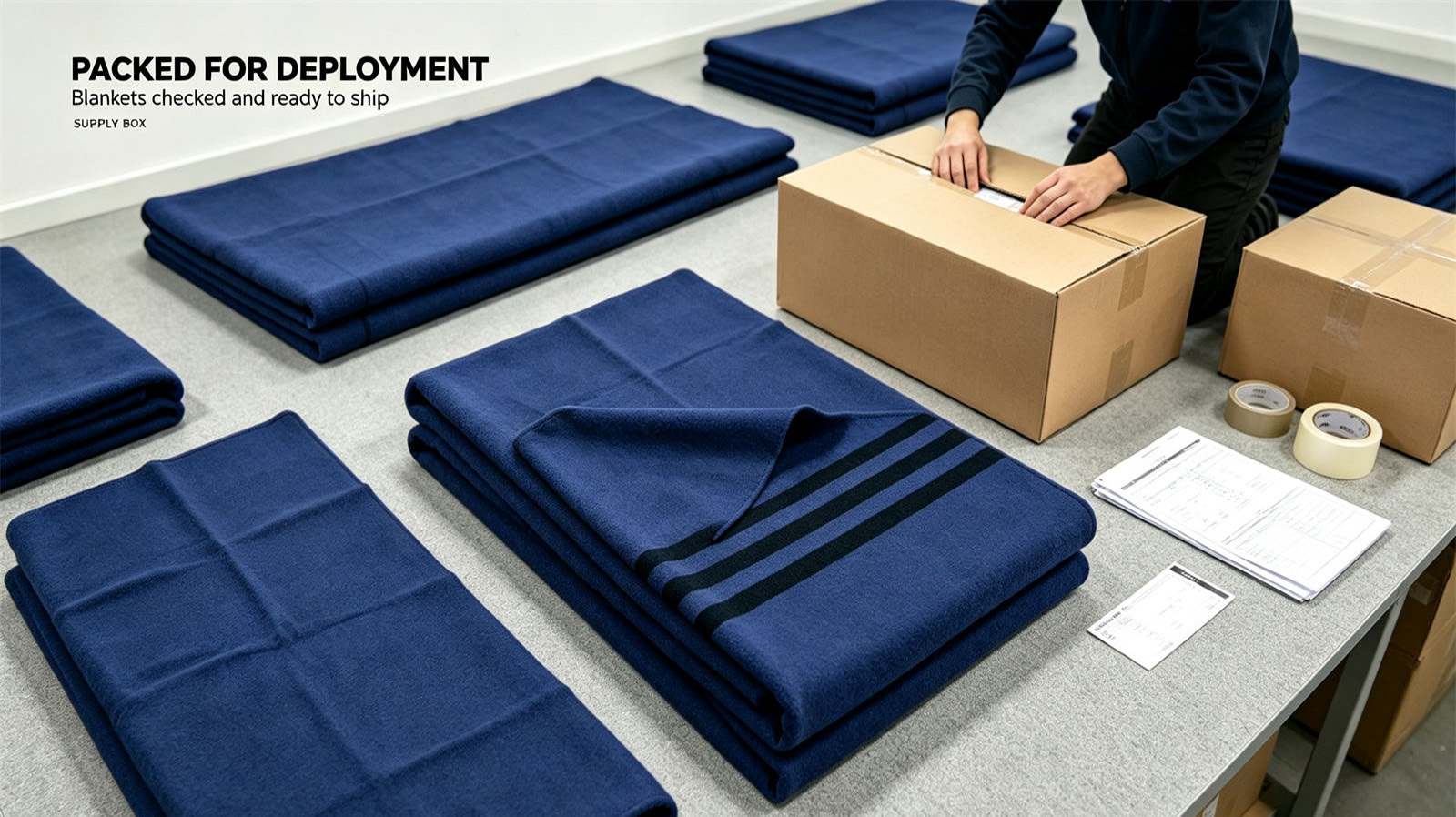
YRF can support this full route with government and NGO project experience, established production and equipment capacity together with coordinated foreign-trade documentation. Its one-stop supply range includes emergency tents, folding beds, moisture-proof sleeping mats, rescue clothing, first-aid kits, and other related supplies, allowing multi-category projects to reduce supplier and customs coordination where appropriate. Exact production priority, lead time, product compliance, documents, and destination split are confirmed against the final order. The practical advantage is one connected plan from product approval through packing, shipment, receiving, storage, and replenishment.
Plan replenishment at the same time as the first order. Define which stock level, usage rate, damaged quantity, site extension, or new destination triggers review. Which approved sample and files control the repeat order. And which changes require new approval. YRF's production and one-stop supply capabilities can support coordinated replenishment across blankets and related settlement supplies, but the response time and minimum quantity still depend on the active configuration and production plan. A written trigger-and-response route is more useful than a general promise of urgent supply because it tells both parties what information starts the next quotation.
Send the complete procurement list, quantities by destination, target specification, packing and label requirements, approval owners, and required handover records.
No universal figure should be assumed. Minimum order quantity and production timing need current confirmation after the product, quantity, packing, label, document, and inspection scope are clear.
A sample is useful when the order depends on color, surface, pattern, edge finish, label position, packing, or measured specification fields. Record the approved points in writing so production and inspection use the same reference.
Confirm unit packing, carton fields, carton marks, label language, authorized artwork, and destination grouping before approval to start production. Late changes can affect quotation scope, warehouse work, and receiving checks.
Confirm the exact commercial, packing, product, inspection, and project-required document list in the order. Do not assume a test report or certification is included unless it is named and accepted in the project scope.
First provide final quantity, packing data, destination, required date, and receiving conditions. Then compare available shipment options and delivery responsibilities for that order. Do not treat a general article as a route-specific freight quotation.
Not always, but provide a credible range and the point when quantity will be fixed because it affects packing, scheduling, and the quotation basis.
Approve wording, language, position, size, batch fields, and revision before packing materials enter production to avoid rework after goods are complete.
At minimum, review the affected fields in the quotation, specification, purchase order, sample record, label artwork, packing requirement, and acceptance sheet.
Connect order quantity, units per pack, units per carton, carton count, and allowed differences, then cross-check the packing list against the physical count.
Before packing and carton-mark approval, define the product, quantity, labels, documents, and shipping responsibility for each destination.
Continue with the overview, product option, application plan, and closely related procurement guide for this decision.

Compare blanket product lines, application routes and related procurement resources.
 |
 |
Emergency Relief Reserve Blanket for Institutional Stockpiles and Bulk DistributionReview product specifications, configuration options and order confirmation points. |
Disaster Relief Blanket Supply Solution for Stockpiles and Field DistributionReview selection, packing and supply planning for this procurement scenario. |
✅ Official website: https://x.c1ns.cn/F9rNV
✅ Catalog download link: https://x.c1ns.cn/aVHtI
✅ Factory video link (YouTube): https://x.c1ns.cn/zVNIU
✅ Facebook homepage: https://a.c1ns.cn/SjJla
✅ Email: info@33ljy.com
✅ WhatsApp: +8613702995607
Derechos de autor © Custom Disaster - Relief Bedding: Tents, Sleeping Bags, Blankets Reservados todos los derechos
el equipo profesional al servicio !