Categorías
Updated: September 30, 2026 | By YRF Emergency Supplies Team | Reviewed by Former Fire Safety Inspector
A gas leak can happen at any time—at home, at work, or in a rental property. Natural gas and propane are odorless in their natural state, so gas companies add a "rotten egg" smell (mercaptan) to help you detect leaks. But by the time you smell it, the concentration may already be explosive. Having a prepared gas leak emergency kit means you can detect leaks early, shut off the gas safely, and evacuate before an explosion occurs. This guide covers everything you need for natural gas leak response and propane leak safety, based on our experience supplying gas safety equipment to homes, businesses, and fire departments worldwide.
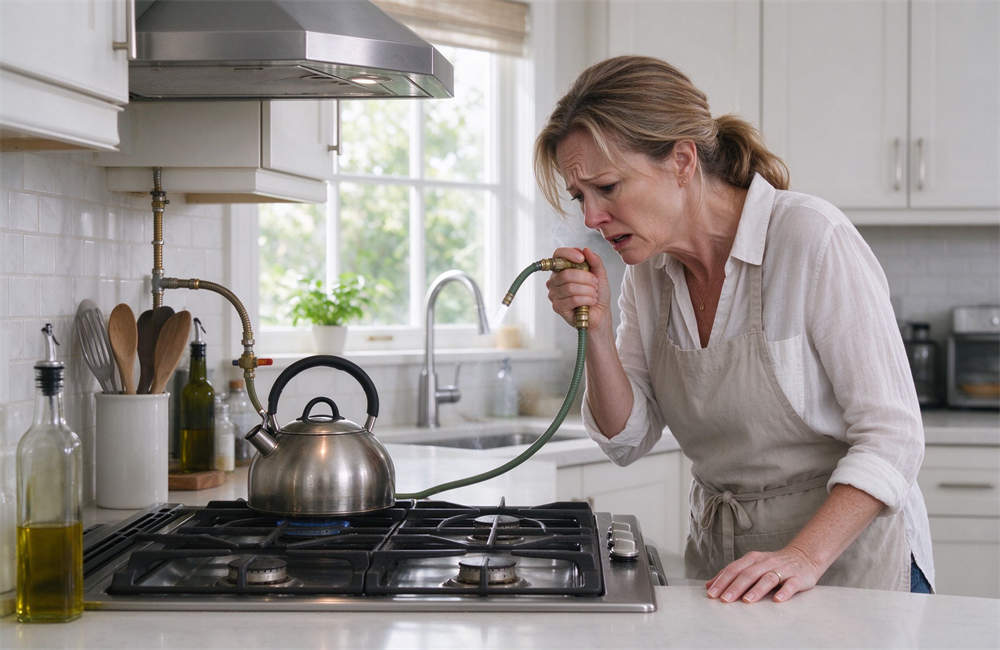
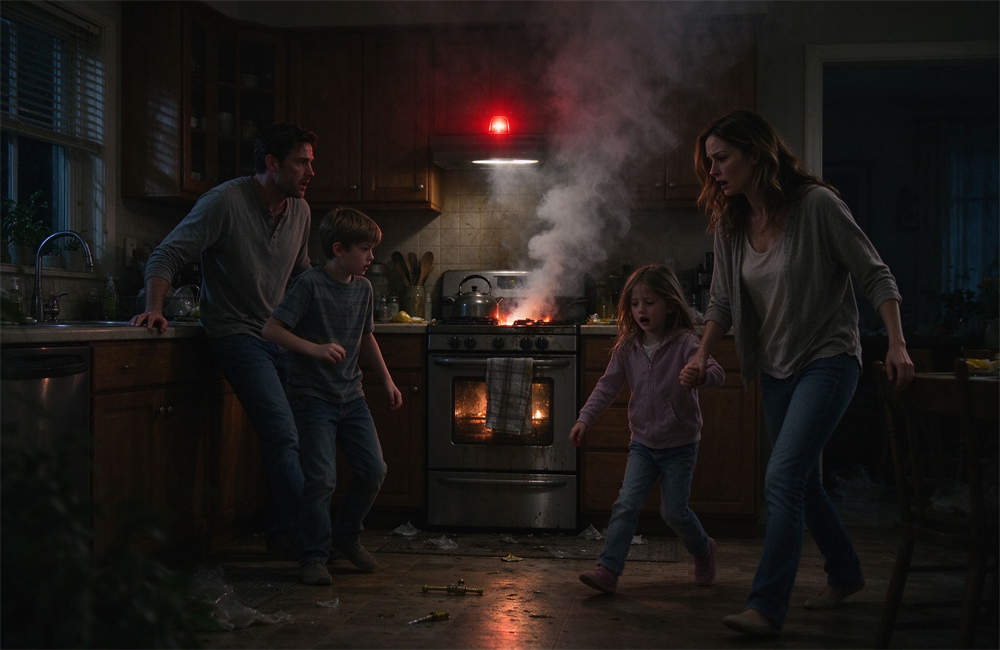
Natural gas and propane are highly flammable gases. When they mix with air in the right concentration (between 5% and 15% for natural gas), a single spark can cause a massive explosion. Gas leaks are one of the leading causes of house fires in the United States and around the world.
There are two main types of gas that leak in homes and businesses: natural gas (methane), which is delivered through underground pipes and is lighter than air, so it rises and collects near ceilings. And propane (LPG), which is stored in tanks and is heavier than air, so it sinks and collects near floors and in basements. Understanding this difference matters because gas detector alarms need to be installed at the right height.
In addition to explosion risk, incomplete combustion from gas appliances produces carbon monoxide (CO), an odorless, colorless gas that kills people in their sleep. Every home with gas appliances should have both a natural gas detector and a separate CO detector. The NFPA carbon monoxide safety guidelines recommend detectors within 10 feet of every bedroom.
Don't rely on smell alone. Here are the signs that may indicate a natural gas leak:
Smell: The classic rotten egg or sulfur smell. Some people describe it as smelling like sewage or dead eggs.
Sound: A hissing or whistling sound near a gas pipe or appliance.
Sight: Dead or discolored vegetation near an underground gas line. Bubbles in standing water on the ground.
Physical symptoms: Dizziness, nausea, headaches, fatigue, or difficulty breathing when indoors.
Your sense of smell is not reliable. Some people can't smell mercaptan (a condition called anosmia), and the smell can fade over time. That's why gas detector alarms are essential for every home and business with gas appliances.
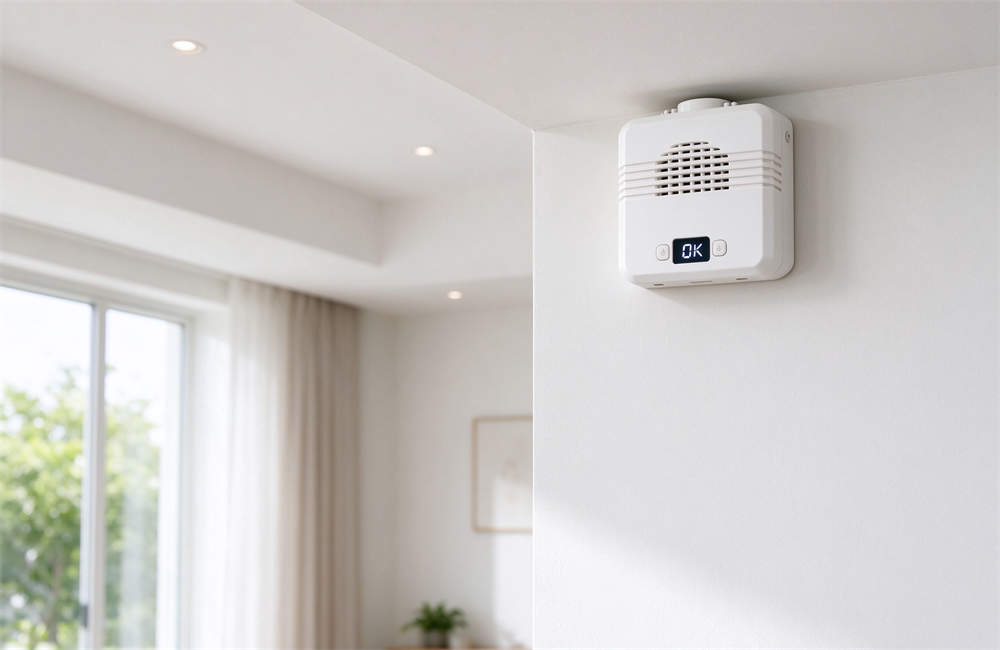
Natural gas detectors should be installed high on the wall, within 6-12 inches of the ceiling, because natural gas rises. Install them within 10 feet of your gas water heater, furnace, stove, and dryer. Look for models with an 85dB loud alarm, a digital concentration display, and a 10-year sealed battery. Our recommended detectors meet EN 50194 standards.
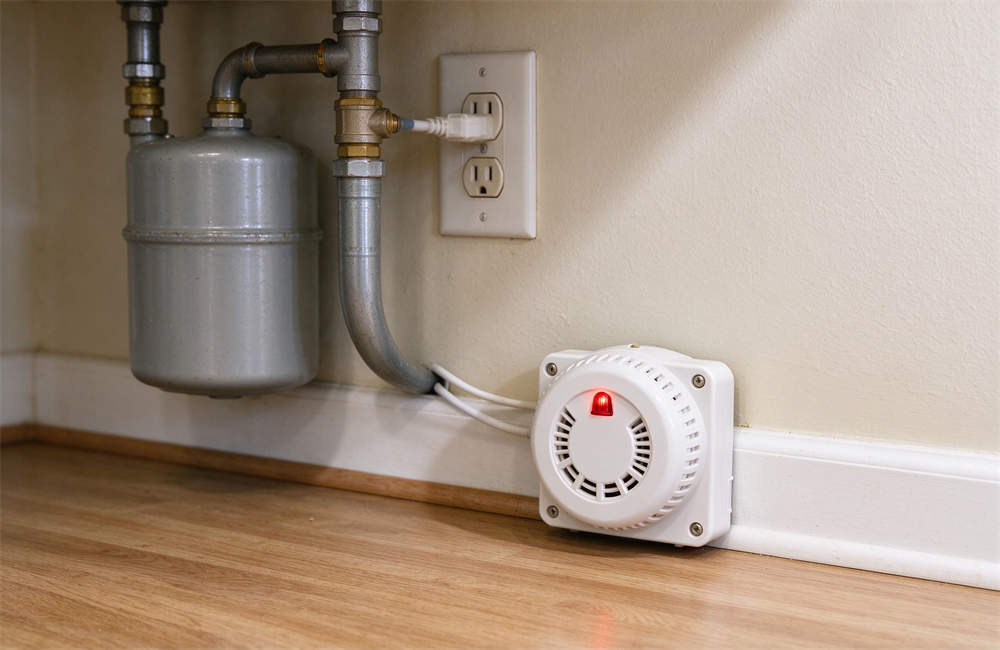
Propane detectors should be installed low on the wall, within 1 foot of the floor, because propane is heavier than air and sinks. They are essential if you use propane for cooking, heating, or your barbecue grill. Install one near your propane tank and one near your propane appliances. These detectors meet EN 50054 standards and include a test button and fault indicator.
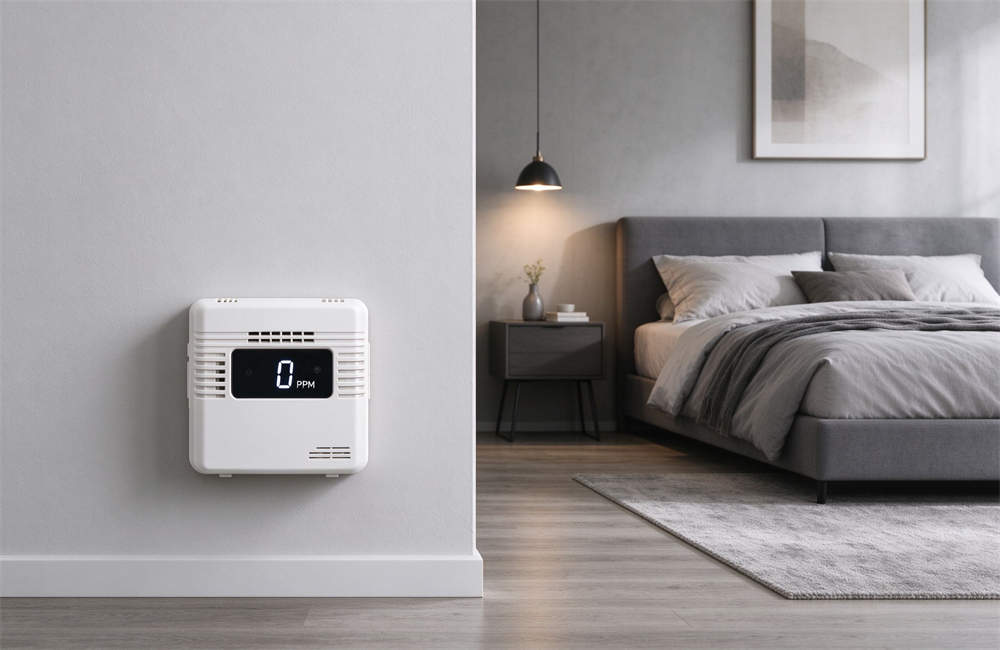
Every fuel-burning appliance produces CO. Install CO detectors outside every bedroom and on every level of your home. They should be at knee height, since CO mixes with air. Look for models with a 10-year sealed battery, a digital display showing CO PPM, and a peak level memory feature. The NFPA 72 CO standard requires alarms to activate at 70 PPM within 60-240 minutes.
Pro tip: Test all your gas detectors once a month by pressing the test button. Replace batteries once a year (or use sealed 10-year models). Replace the entire detector every 5-7 years—even if it still beeps, the sensors degrade over time and may not alarm at dangerous levels.

Installing a detector in the wrong spot makes it useless. Here are the rules:
Every floor needs at least one detector. If you have a basement furnace, put one there too. Installation takes 10 minutes with a screwdriver—no professional needed.
Renovations are when gas lines get damaged. If you're remodeling your kitchen, extending your living room, or adding a gas fireplace, follow these rules:
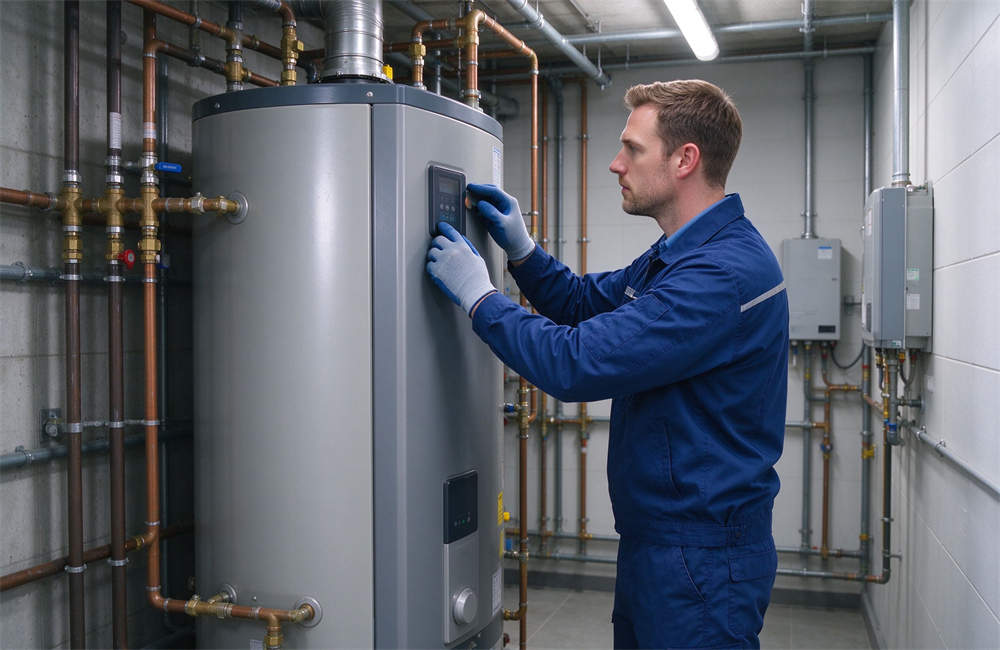
In a major emergency like an earthquake, a gas leak can cause a fire after the shaking stops. That's why every home should have a gas shut off tool and know where the main gas valve is.
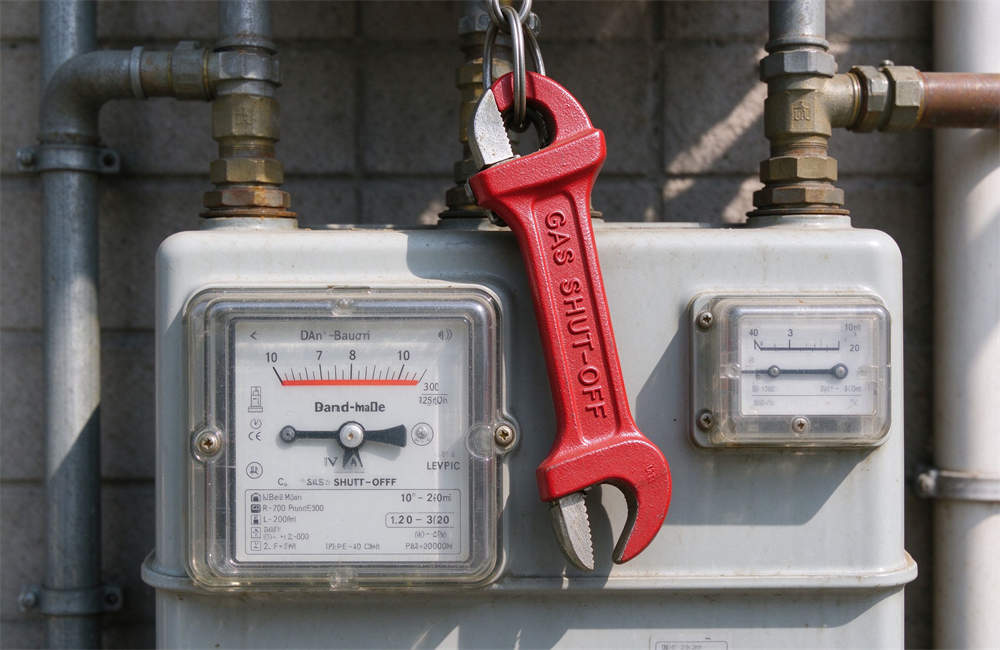
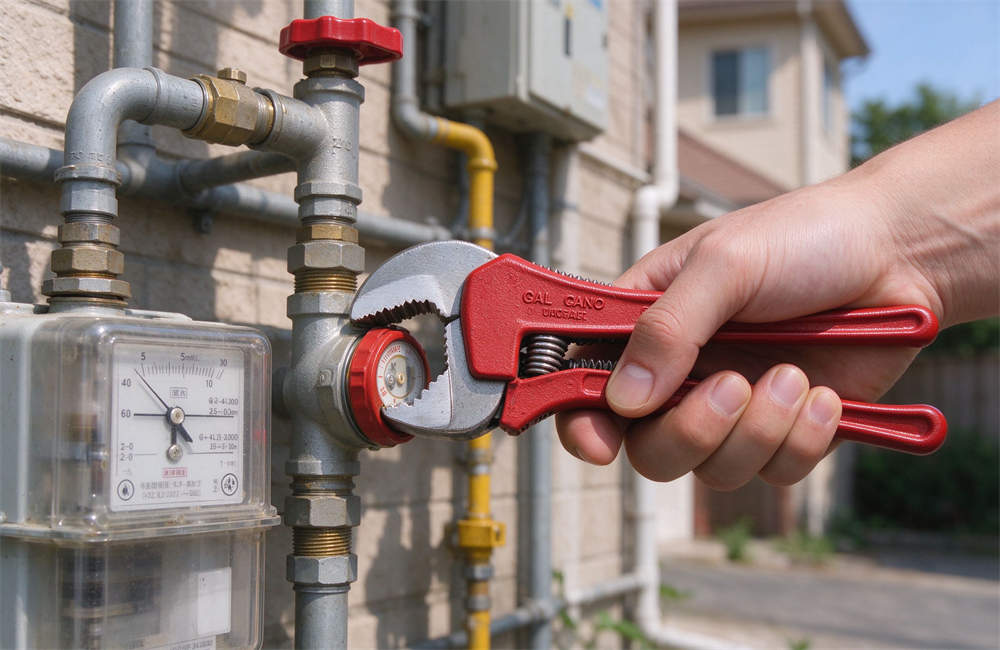
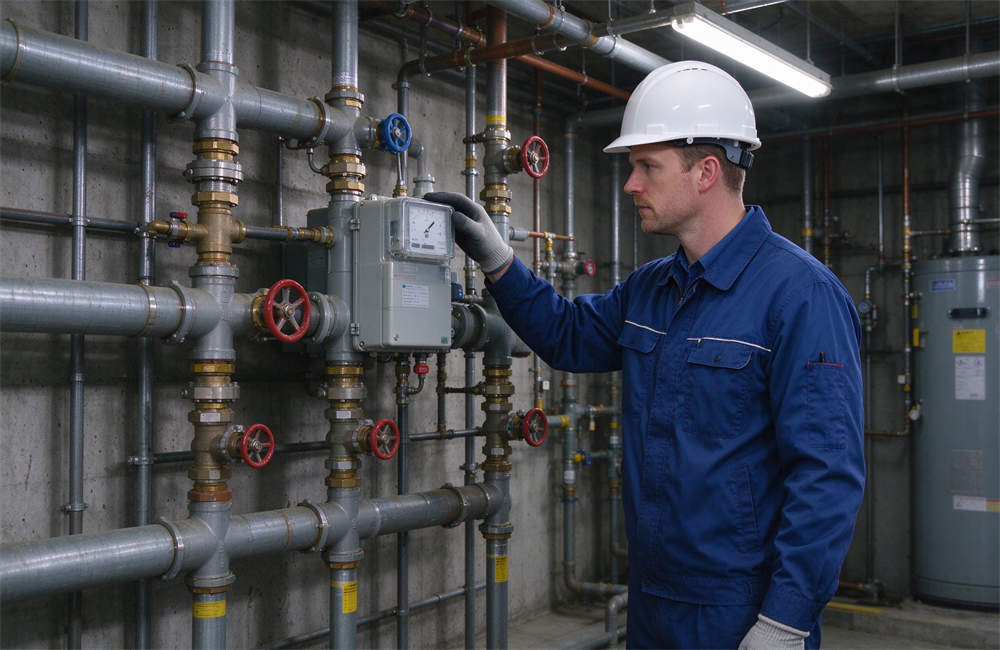
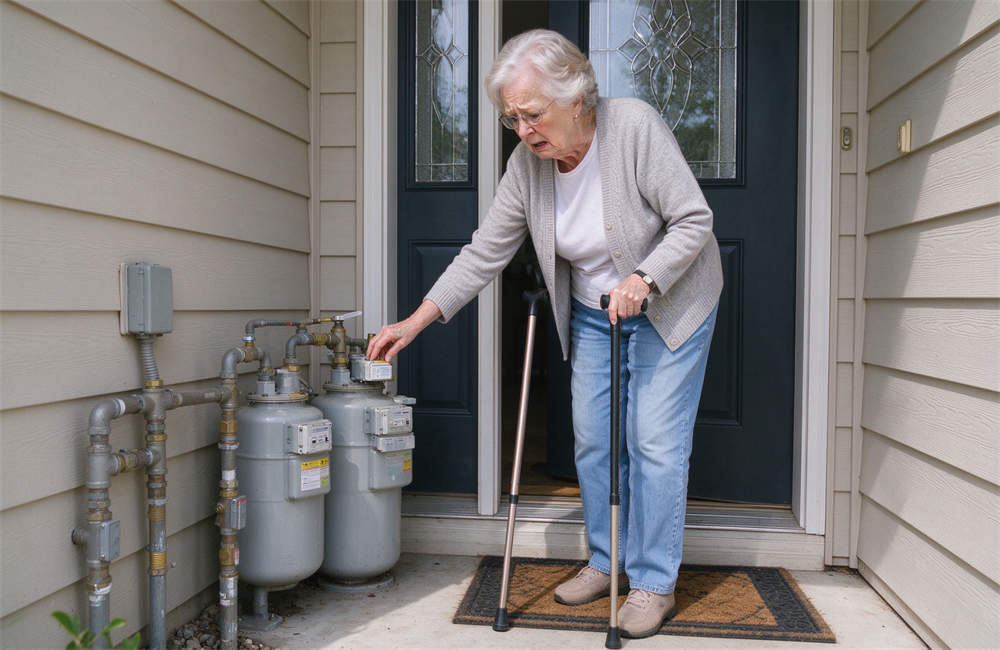
The main gas valve is usually near the gas meter, on the pipe coming into your house. It's a rectangular nub on a metal pipe. You need a special wrench or a pair of channel locks to turn it a quarter turn to the off position. The valve is parallel to the pipe when open and perpendicular when closed.
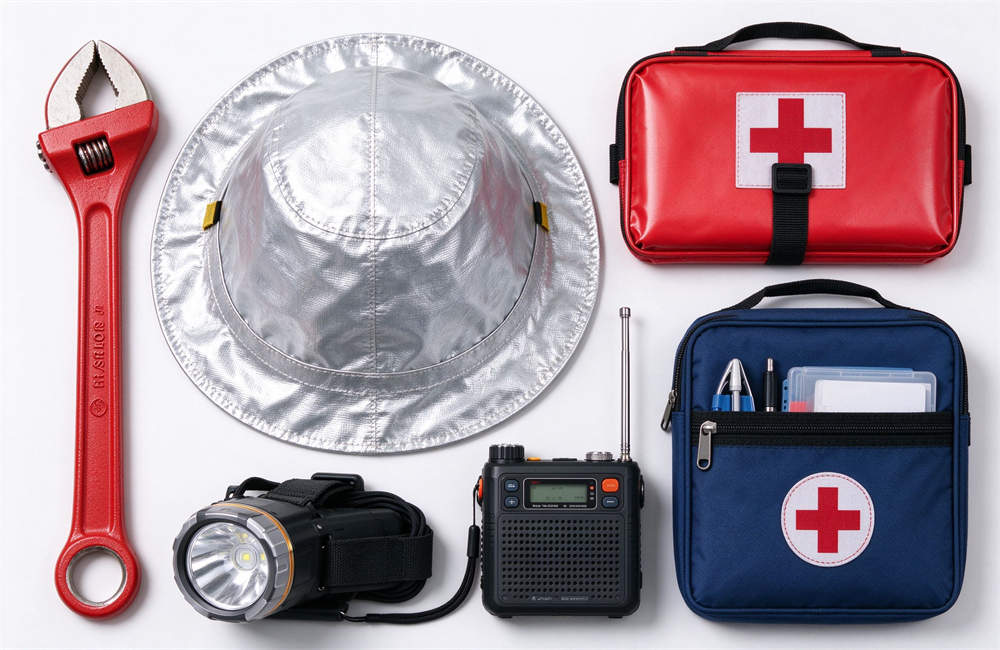
During an emergency, you don't want to be searching through your toolbox for the right wrench. Keep a dedicated gas shut-off wrench chained right next to your gas meter. That way it's always there when you need it. Our heavy-duty steel gas wrenches are forged from chrome vanadium steel, with a 15-inch handle and a precisely sized jaw that fits standard residential gas valves. Each comes with a security chain for permanent mounting.
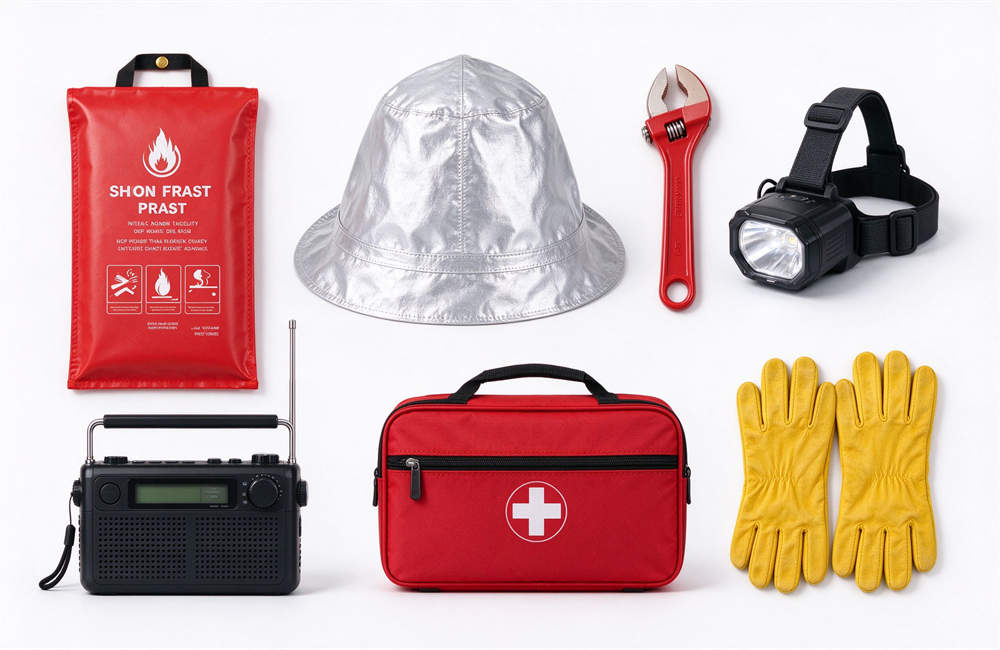
The following table summarizes the essential tools you should have near your gas meter:
|
Tool |
Purpose |
Where to Keep It |
|
Gas shut-off wrench (15") |
Turn main gas valve on/off |
Chained next to gas meter |
|
Adjustable wrench (10") |
Turn appliance valves |
Near water heater / furnace |
|
LED headlamp |
See the valve in dark / power outage |
Next to the wrench |
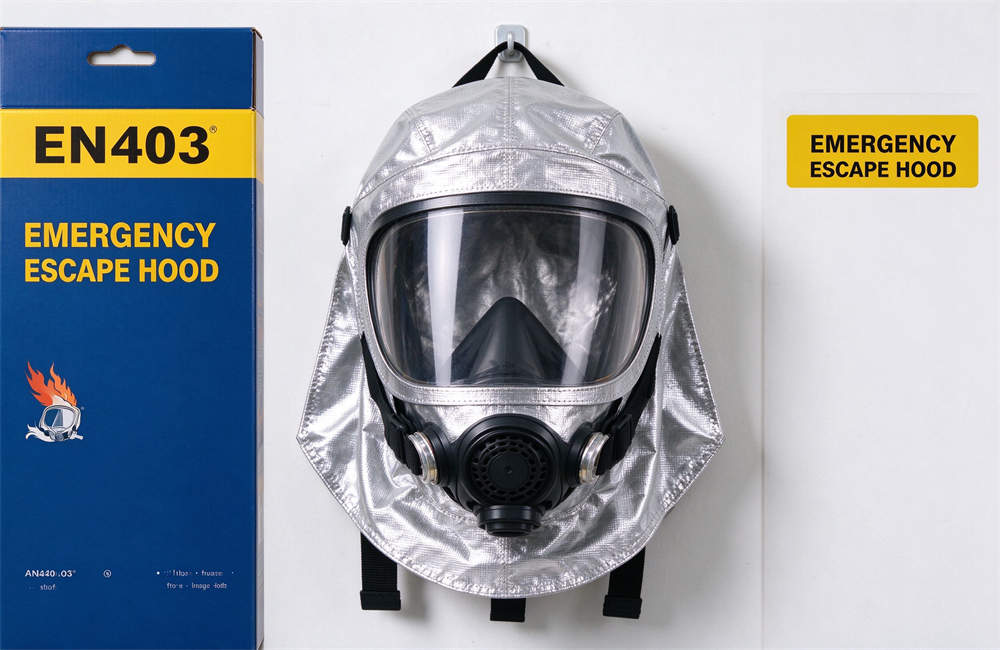
If you need to go into an area with a gas leak to shut off the valve, you need respiratory protection. A standard dust mask won't protect you from gas fumes. For emergency situations, an EN403 certified silver smoke hood is the best choice.
Our EN403 silver smoke hood covers your entire head with a clear, scratch-resistant visor and filters out toxic gases, CO, and particles for at least 15 minutes. That's enough time to shut off the gas valve and evacuate the building. It's one size fits all, lightweight at only 500g, and comes in a sealed protective pouch with a 5-year shelf life. We supply these in bulk to fire departments, hotels, apartment buildings, and commercial office towers. Each hood meets EN403:2004 standards.
If a gas leak does catch fire, you need fire safety equipment on hand. Early response saves lives and minimizes property damage.
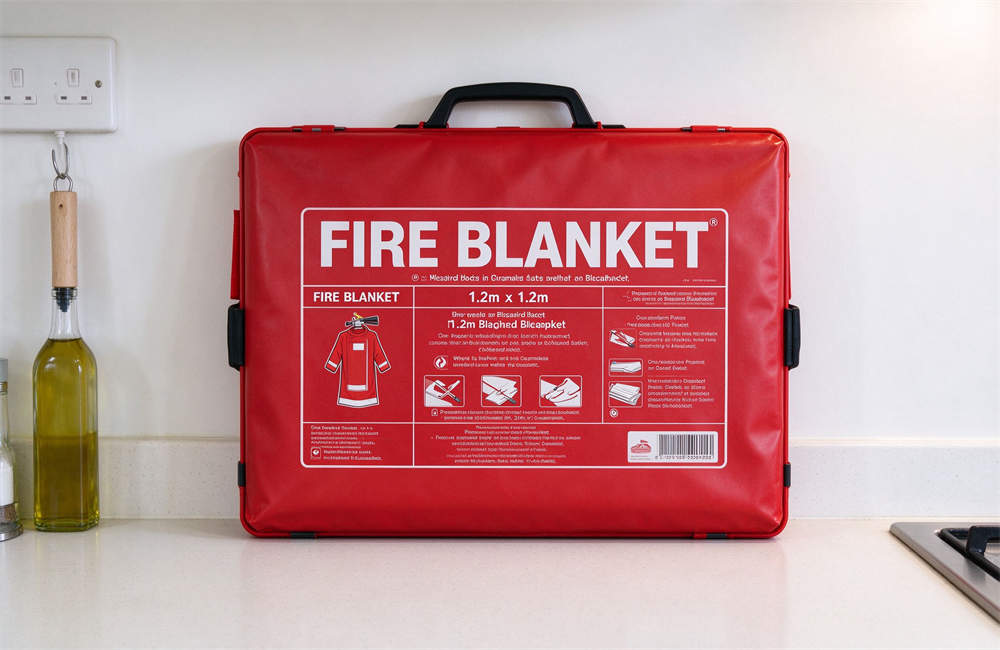
A fire blanket is one of the most useful pieces of safety equipment in any kitchen or workshop. It smothers small grease and electrical fires by cutting off the oxygen supply. Keep one mounted on the wall within 10 feet of your stove or gas appliances. Our EN1869 certified fire blankets are made of 0.43mm thick fiberglass, available in 1.2×1.2m and 1.8×1.8m sizes. They come in a red wall-mounted storage pouch with clear English labeling "FIRE BLANKET."
Follow these steps in order. Do not skip any of them. This natural gas leak response procedure is recommended by both the Red Cross and NFPA.
1. Do NOT turn any electrical switch on or off. This includes your light switches, your fridge, your oven—anything. Even a small spark can ignite the gas.
2. Do NOT use your phone inside the building. Even the radio signal from a cell phone can cause a spark. Evacuate first, then call from outside.
3. Do NOT light matches or candles. Obvious, but people do it.
4. Leave the building immediately. Get everyone out, including pets.
5. Call your gas company or emergency services from outside. Use your neighbor's phone or your cell phone once you're at least 100 meters away.
6. Do NOT re-enter the building until the gas company says it's safe.
Here's what every home should have for home gas leak kit preparedness, organized by category:
The following table summarizes the complete 15-item home gas leak emergency kit:
|
Category |
Items |
Quantity |
|
Detection |
Natural gas detector, CO detector, propane detector |
1 per level |
|
Shut-off Tools |
Gas shut-off wrench, adjustable wrench, headlamp |
1 set |
|
Respiratory |
EN403 smoke hood |
1 per person |
|
Fire Safety |
EN1869 fire blanket |
1 each |
|
Emergency |
First aid kit, flashlight, emergency contact list |
1 each |
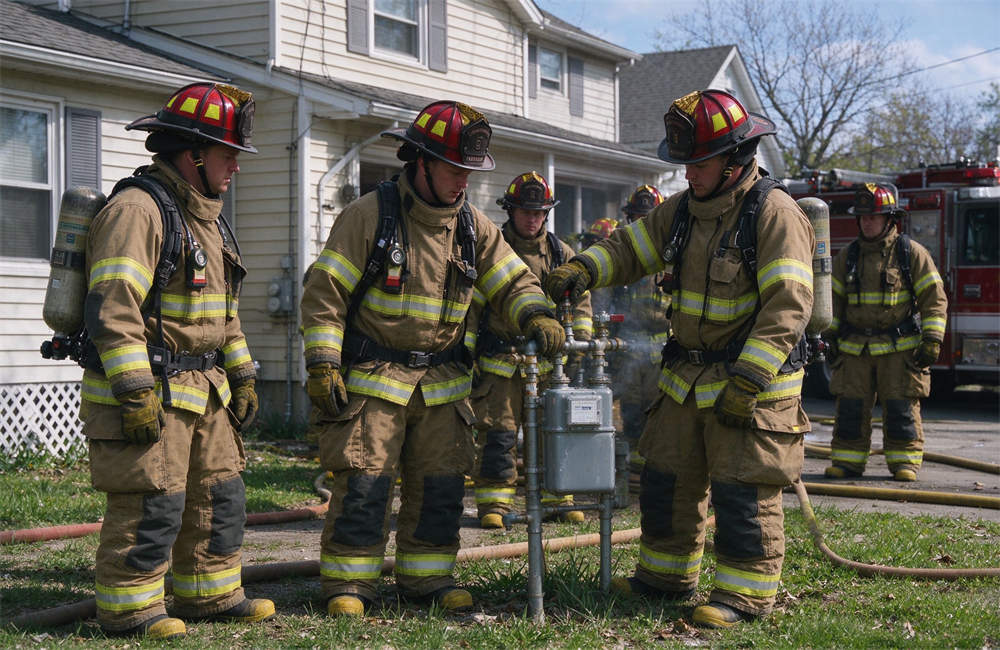
Offices, factories, schools, and apartment buildings have much stricter requirements. The NFPA 54 National Fuel Gas Code requires gas detection systems in commercial buildings, automatic gas shut-off valves at each appliance, and documented employee training on propane leak safety and natural gas leak response.
Industrial facilities with large gas lines need even more: fixed gas detectors in every room with gas equipment, emergency manual shut-off buttons at exits, PPE for maintenance workers (including EN403 hoods), and gas-rated fire suppression systems. We supply bulk gas safety equipment to factories, warehouses, hotels, hospitals, and commercial buildings worldwide. Our team can help design a complete gas leak emergency kit for your facility.
The best gas leak emergency kit response is prevention. Have your gas appliances inspected annually by a licensed professional. Check your gas hoses and connections regularly for cracks, brittleness, or corrosion. Test all detectors monthly. If you smell gas, even faintly, don't ignore it—it's always better to evacuate and have a professional check.
Gas leaks affect everyone, but some people are at much higher risk. When you're putting together a gas leak emergency kit, think about who lives and works in your building.
Children under 5 are more vulnerable to gas inhalation because they breathe faster and their bodies are smaller. Make sure the smoke hoods in your kit fit smaller faces—we offer a junior size for ages 6-12. Teach your kids what the rotten egg smell means and where to go outside. Practice a home drill every 6 months so it becomes muscle memory.
Older adults and people with mobility issues may need extra time to evacuate. Install gas detectors with loud alarms (at least 85 dB) and consider strobe light alarms for hard-of-hearing residents. Keep a gas shut-off wrench where an able-bodied neighbor or caregiver can reach it. In apartment buildings, make sure the fire department has a list of residents who need assistance evacuating.
Asthma, COPD, and other lung conditions make gas exposure far more dangerous. Keep extra N95 masks and a spare EN403 smoke hood near the bedroom, not just the kitchen. People on oxygen should be especially careful—oxygen tanks increase fire risk dramatically. If someone in your home uses medical gas equipment, talk to your gas company about a special safety assessment.
Gas safety isn't just for homes. Different industries have different risks and requirements. Here's what we commonly supply:
Commercial kitchens have large gas lines, multiple appliances, and staff who come and go. We supply commercial-grade gas shut-off wrenches that are longer (18 inches) for hard-to-reach valves, plus large EN1869 fire blankets (1.2m × 1.8m) for grease fires. Every commercial kitchen should have these mounted within 10 seconds of the stove. Health departments and fire marshals often inspect for these.
Hotels and apartment buildings have central gas systems serving dozens or hundreds of units. Property managers should keep a master gas shut-off wrench in the maintenance office and another chained at the building's main gas meter. We supply bulk kits for entire buildings—each unit gets a smoke hood and fire blanket, and the maintenance team gets the heavy-duty wrenches.
Schools have science labs, cafeterias, and dormitories with gas. We supply bulk gas leak emergency kits for school districts: one kit per classroom (smoke hood + fire blanket), plus specialized kits for the science lab and cafeteria. We can package these with your school's logo and training materials for teacher in-service days.
Industrial facilities use propane, natural gas, and other gases for heating, welding, and processing. Beyond the basic home kit, industrial sites need multi-gas detectors, SCBA-rated respiratory protection, and gas-tight work gloves. We supply these to factories, warehouses, and construction sites as part of their site safety compliance.

We've seen it too many times—people have the right equipment but use it at the wrong moment, or make a small mistake that turns a scare into a disaster. Here are the most common gas leak safety mistakes we see:
This is the number one cause of gas-related explosions. Never use an open flame to find a leak. Use your nose, your ears (hissing sounds), or an electronic gas detector instead.
Some people try to "air out" the house first or look for the leak themselves. If you smell gas, leave immediately and call from outside. Every second counts.
We see people chain their gas shut-off wrench in a drawer or on a key hook. It should be chained permanently right next to the gas meter—visible, accessible, and never removed.
Gas lines and appliances age. A professional plumber should inspect your gas system at least once a year, especially if you have older piping or appliances.

You might think gas leaks are rare. They're not. According to the National Fire Protection Association (NFPA), U.S. fire departments respond to an estimated 12,000 home structure fires per year that involve gas or other natural gas utility supplies. These fires cause an average of 150 injuries and $150 million in direct property damage annually.
The scariest part? Most of these incidents are preventable. The NFPA found that 60% of gas-related fires happen because people don't know where the gas shut-off is, or they don't have the right tool to turn it off quickly. Another 25% happen because there's no gas detector—people only find out when they smell the rotten egg odor, which means gas has already built up to dangerous levels.
Here's what the numbers tell us:
We don't tell you these numbers to scare you. We tell you them because preparation is cheap compared to the alternative. A complete gas leak emergency kit costs less than a family dinner, but it can save everything you own.

Not every building needs the same level of gas leak emergency preparedness. Here's how to choose based on your situation:
|
Setting |
Recommended Kit |
Key Items |
|
Studio / 1-bed apartment |
Basic Home Kit |
Gas shut-off wrench, smoke hood, fire blanket, LED headlamp |
|
Family home (3+ beds) |
Extended Family Kit |
2× shut-off wrench, 4× smoke hood, fire blanket, headlamp, first aid kit |
|
Restaurant / commercial kitchen |
Commercial Kitchen Kit |
Heavy-duty shut-off wrench, fire blanket (large), N95 masks, work gloves |
|
School / office building |
Bulk Wholesale Kit |
Customized quantities per floor, branded packaging, rack-mounted stations |
We supply all of these as complete wholesale kits. Whether you need 10 sets for a small office or 500 sets for a school district, we can package them with your logo, your training materials, and your preferred shipping schedule.
Do not turn any electrical switches on or off. Do not use your phone or any open flame. Leave the house immediately, and call your gas company or emergency services from outside, at least 100 meters away. Do not re-enter until it's declared safe.
Signs include a rotten egg smell, a hissing sound near a gas pipe, dead vegetation near an underground line, or bubbles in standing water. A gas detector alarm is the most reliable way to detect leaks before you can smell them.
Yes. Every home should have a gas shut-off wrench in case of an emergency. Make sure everyone in the family knows where it is and how to use it. Chain it right next to your gas meter so it's always there.
Natural gas is lighter than air and rises. Propane is heavier than air and sinks to the floor. Both are explosive in the right concentration, but they collect in different places, which is why detectors need to be installed at different heights.
Test your gas detectors monthly with the test button. Replace batteries once a year, and replace the entire detector every 5-7 years. Even if it still beeps, the sensors degrade over time.
Yes. We manufacture all our gas safety equipment in our own factory and offer OEM/private label services. We can print your logo on the gas shut-off wrench, package the kit in your branded bag, and add your training insert. Minimum order for custom branding is 200 sets.
Standard stocked items ship within 7-15 business days. Custom OEM orders typically take 30-45 days after artwork approval. For emergency relief orders, we can expedite production and shipping—just tell us your deadline.
Yes. All our gas shut-off wrenches carry a 1-year manufacturing warranty. EN1869 fire blankets are warranted for 5 years. EN403 smoke hoods have a 5-year shelf life from date of manufacture.
We ship to 60+ countries worldwide. For small orders, we use DHL/FedEx express (5-7 days). For bulk orders, we ship by sea (25-35 days) or air freight (7-10 days) depending on your urgency and budget. We can also ship to your freight forwarder in China if you have one.
Yes. We can send sample units of our gas shut-off wrenches, smoke hoods, and fire blankets for your team to test. Sample cost is refundable against your first bulk order. We recommend ordering samples before committing to a large purchase.
We accept T/T (bank transfer) for bulk orders, PayPal for sample orders, and trade assurance orders through Alibaba. For regular customers, we offer 30% deposit + 70% before shipment terms. L/C is available for orders over $50,000.
Gas leaks don't wait—neither should your preparation. Whether you're a facility manager equipping an apartment building, a school preparing your science labs, or a homeowner securing your kitchen, having the right gas leak emergency kit on hand makes the difference between a close call and a tragedy. We manufacture CE- and EN1869-certified gas safety gear at scale, and we ship wholesale quantities to contractors, property management firms, and safety equipment distributors across 60+ countries. Talk to us about your next bulk order.
Enlaces amistosos :
Derechos de autor © Custom Disaster - Relief Bedding: Tents, Sleeping Bags, Blankets Reservados todos los derechos
el equipo profesional al servicio !