Categorías
Last Updated: October 13, 2026
When a 9.0 magnitude earthquake hits off the coast, you have 30 minutes to get every guest, every staff member, up to high ground before the wave arrives. This guide covers exactly what tsunami evacuation kit supplies coastal hotels, resorts, and fishing villages need, real specs to check, and procurement mistakes that leave guests stranded.
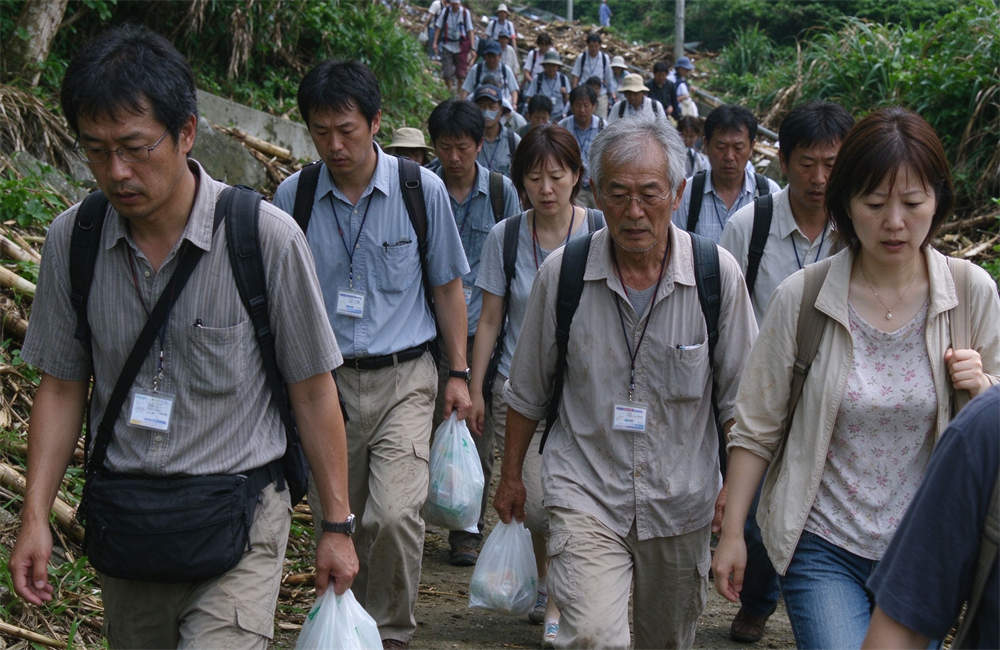
When the NOAA tsunami warning goes off, coastal properties have 10-60 minutes to evacuate every guest to high ground. USGS Tsunami Hazards Program
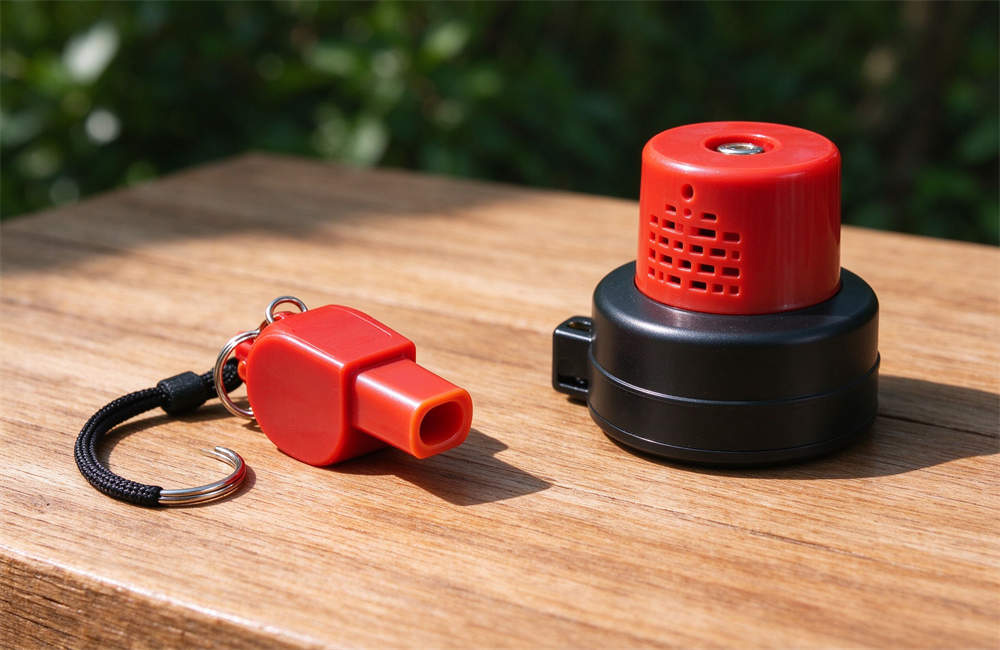
That is not enough time to run to the store. You need gear staged at every beach exit: life jackets for docks, whistles for separation, waterproof radios for warnings, and aluminum blankets for soaked guests. Every item must be salt-resistant, because coastal air is humid and corrosive.
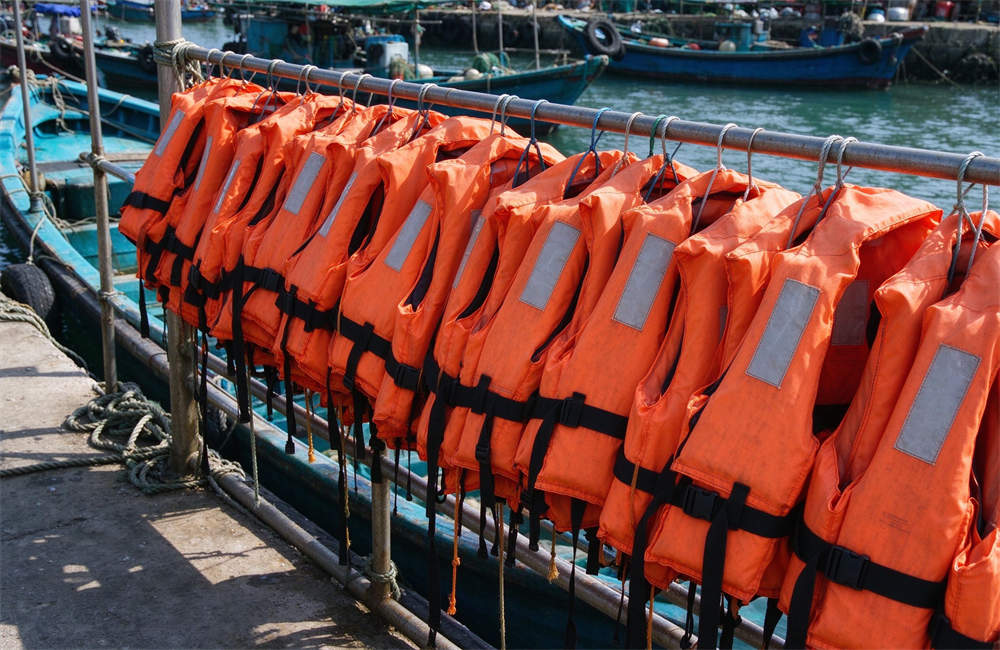
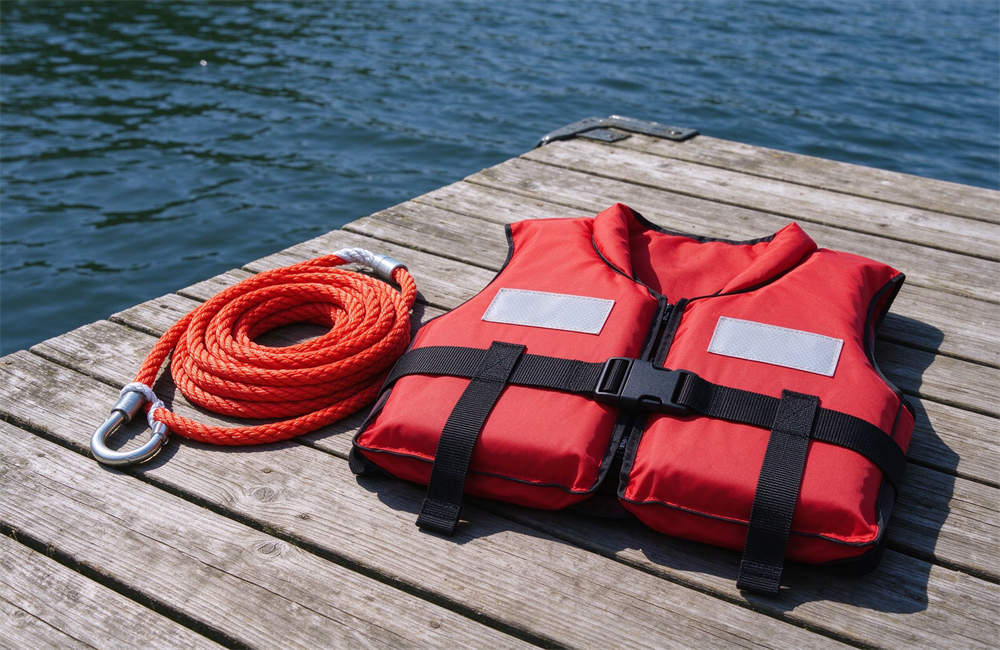
USCG-approved life jackets at every dock keep guests afloat if they are caught in the water.
Our China factory supplies bulk coastal emergency kit supplies to beach hotels, fishing cooperatives, and coastal campgrounds worldwide. Every item is waterproof, salt-resistant, and works when wet. We ship mixed pallets to any port.
emergency radio with solar panel
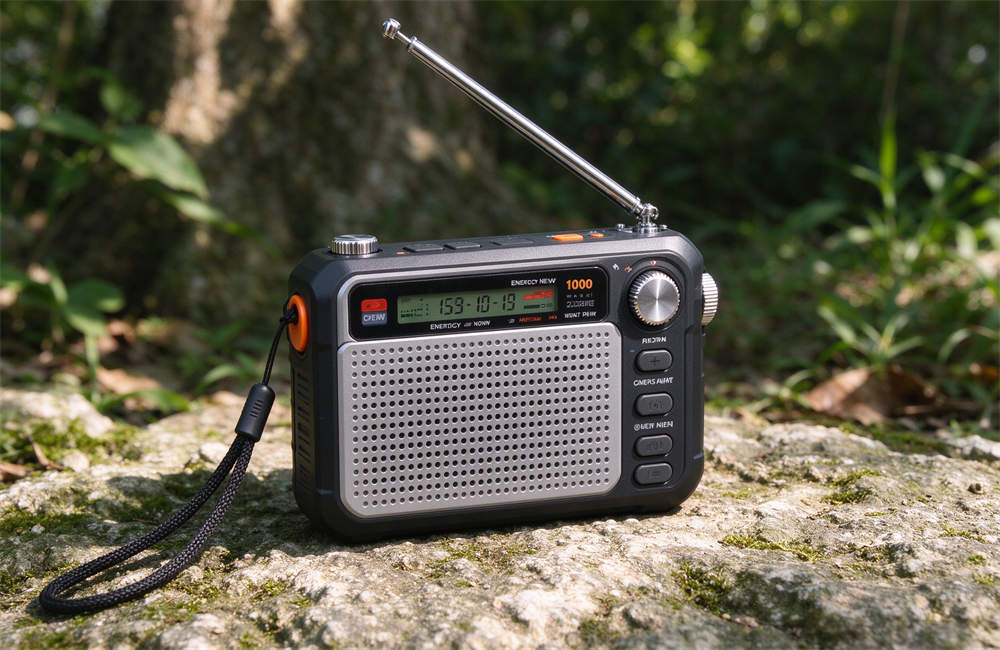
IPX7 waterproof crank radios get tsunami warnings when cell towers are down—survive being dropped in seawater.
The biggest mistake coastal properties make is over-buying expensive life rafts and under-buying whistles and blankets. Most tsunami evacuations are on foot, not in the water. You need gear to help people walk up to high ground, stay visible, and stay warm after they are soaked.
Once people reach high ground, they may stay overnight. Emergency tents, wool blankets, and folding cots turn a hilltop school or church hall into a usable shelter for displaced fishing families and dock workers.
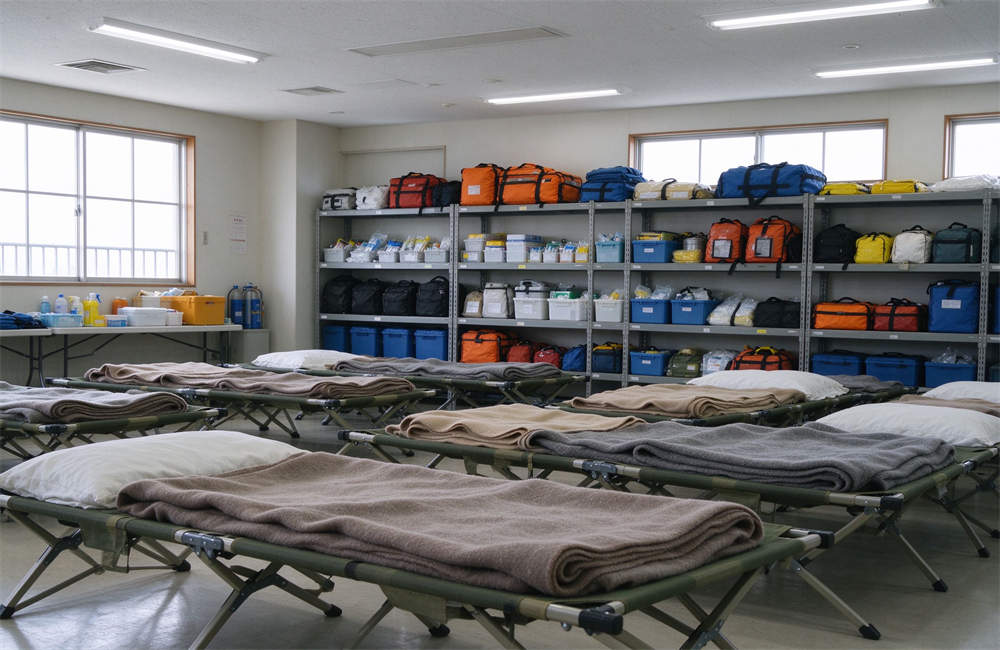
High-ground shelters need tents, blankets, and cots so displaced families can rest overnight after the wave passes.
Bright clean tsunami evacuation shelter: rows of folding cots with wool blankets.
When the NOAA Tsunami Warning Center sends an alert, coastal businesses have between 10 and 60 minutes to evacuate. That is not enough time to run to the store and buy gear. You need it staged at every exit, every beach access point, ready to grab.
Tsunamis are different from other natural disasters because they give very little warning. A magnitude 7.5 earthquake offshore can produce a tsunami that reaches the coast in 15-30 minutes. That's not enough time to run to a store and buy life jackets or first aid supplies. You need everything already in place, ready to grab and go. This is why pre-staged evacuation equipment is so critical for coastal communities.
Even in warm tropical water, a person who is immersed in cold water for 15 minutes starts losing body heat. After a tsunami, people are soaked, wind blows, and the temperature drops at night. An aluminum rescue blanket reflects 90% of body heat, so a soaked guest stays warm during the wait for the all-clear.
Our blankets are lightweight, waterproof, and fold up to the size of a candy bar. Keep a box at every evacuation point, and hand one to every soaked guest. Cheap blankets are thin and tear easily; ours are 12μm thick, and hold up to being wrapped around a shivering adult.
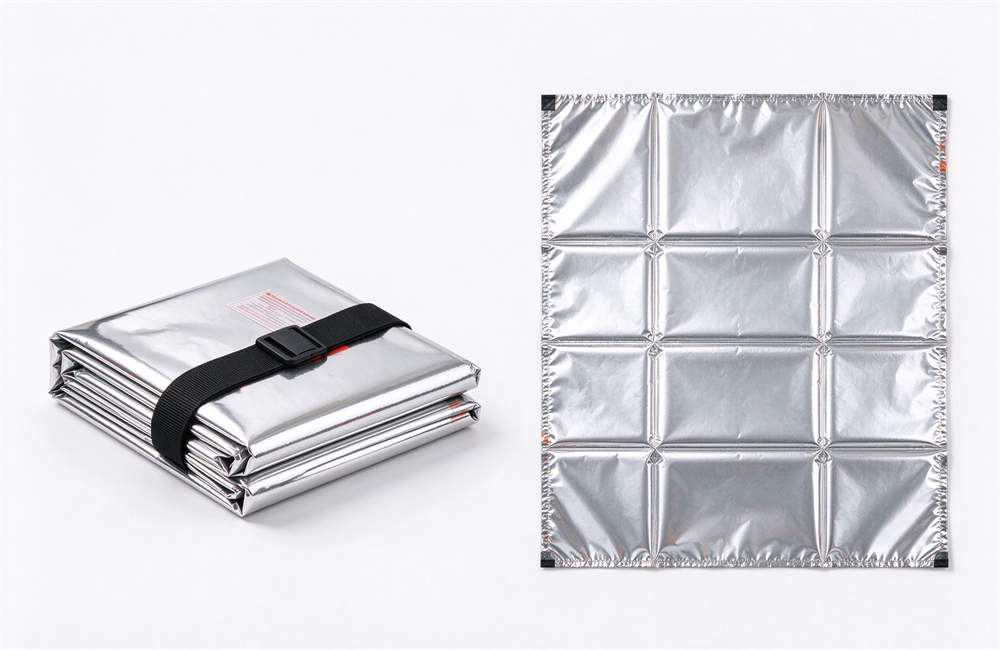
Aluminum rescue blankets reflect 90% of body heat—keep soaked guests warm while waiting for the all-clear.
Do not use heavy wool blankets for tsunami evacuations. Wool gets heavy when wet, and it is too bulky to store by every beach exit. Aluminum blankets are the right choice: light, warm, and packable.
Rain ponchos are often overlooked in tsunami preparedness, but they're essential. When you're evacuating in heavy rain, a cheap thin poncho that tears after 10 minutes leaves you soaked and cold. Our rain poncho bulk range is made from 210D polyester with taped seams. It's lightweight, waterproof, and packs down small enough to fit in every evacuation kit. We recommend having at least 20 ponchos per 100-person evacuation point—more if you're in a rainy climate.
We also offer reflective ponchos with a fluorescent yellow-green color and silver reflective strips. These are ideal for nighttime evacuations, when people need to be visible to rescue workers. Each poncho comes with a carry pouch, so you can store them in the waterproof box without them taking up too much space.
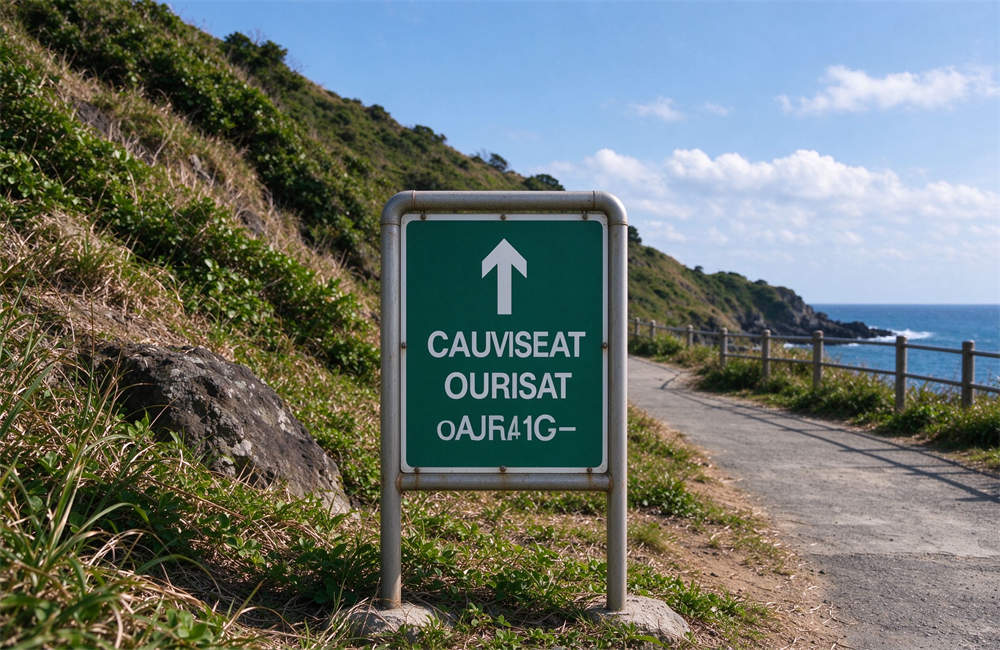
Evacuation route sign on coastal path, pointing to higher ground.
Tsunamis often hit during rainstorms, when the sky is dark and the wind is blowing. Guests are already soaked from the wave, and rain makes the walk up to high ground even colder. We supply lightweight rain ponchos, which fold up to the size of a matchbook, so staff can hand one to every guest during a rainy evacuation.
Our ponchos are waterproof, with a hood, and have taped seams so rain does not leak through. We supply them in bulk boxes of 100, in bright orange, so guests are visible on dark evacuation roads. The ponchos are one size fits all, so they fit over beach clothes or resort wear.
Cheap ponchos are thin plastic that tears when you put it on. Ours are 0.03mm thick, thick enough to withstand wind and rain without tearing. They are disposable, so after the evacuation, you throw them away and restock for next time.
Fishing villages and dock workers have special needs when it comes to tsunami preparedness. They're often right on the water, with little warning time. That's why having dock worker safety equipment pre-positioned at every pier and fishing shed is critical. Our waterproof boxes are designed to be mounted on wooden docks—they come with stainless steel brackets that resist saltwater corrosion.
For fishing cooperatives, we offer bulk bundles that include life jackets, throw ropes, emergency whistles, and first aid supplies. Each bundle is tailored to the size of your fleet. If you have 20 fishing boats, we recommend 40 life jackets (one per crew member plus spares), 10 throw ropes, and 20 emergency whistles.
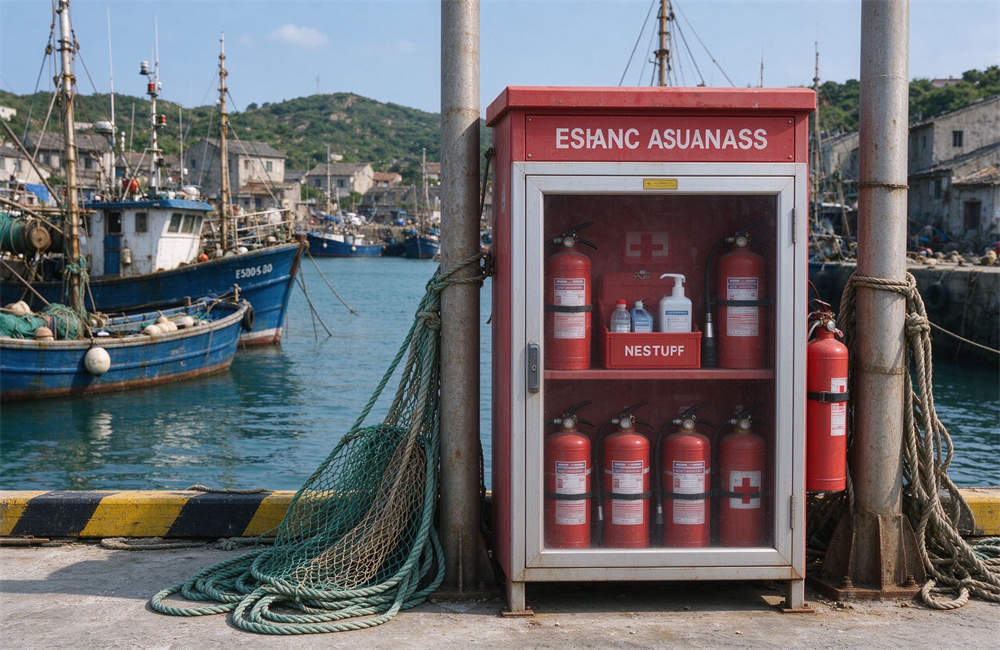
Fishing village dock emergency supplies station, ready for evacuation.
Fishing villages and commercial docks have the highest tsunami risk, because they are right at sea level, and workers are often out on boats when the warning hits. For fishing cooperatives, we recommend one life jacket per fisherman, plus throw ropes at every dock and ramp. Fishers out at sea need time to get back to port, and the life jackets keep them afloat if a wave swamps their boat.
Dock workers also need waterproof radios, so they get the tsunami warning even when they are out on the water and cell service is gone. The Rain ponchos in multiple colors, waterproof for tsunami evacuation in rain.
World Meteorological Organization says that coastal fishing communities should test their tsunami evacuation drill twice a year, once in daylight and once at night, because most people evacuate by walking, not driving.
For recovery work, dock workers also need waterproof boots and gloves; we recommend sourcing these locally from marine safety suppliers, as they are work gear rather than evacuation equipment. Our range covers the flotation, signaling, and warmth items above.
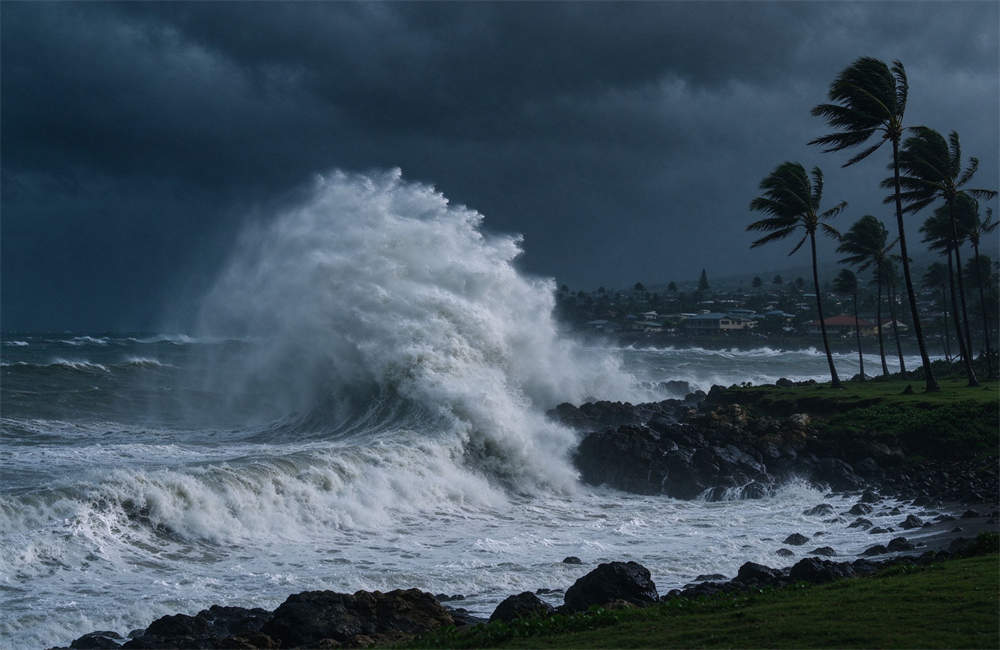
Fishing villages are at highest risk—right at sea level, workers often out on boats when the warning hits.
When a tsunami warning hits, fishing families and dock workers walk up to high ground. The road is steep, the bags are heavy, and people do not know if they will be back by nightfall. A school on a hilltop, a church on a ridge, or a village hall on high ground becomes the overnight shelter for hundreds of displaced people—fishermen, their families, and dock workers who cannot go back to the water.
This is where our textile products matter. We supply emergency tents that go up in 10 minutes, for the elderly and families who cannot sleep on a church floor. We supply thick wool blankets (1.5kg) for people who are already soaked and cold, and compact sleeping bags that pack small for the climb up. We also supply folding cots, so elderly residents do not have to sleep on a cold church hall floor. These are not rescue gear—they are the supplies that let a high-ground shelter actually hold people overnight, after the wave has passed.
Bright clean tsunami evacuation shelter: rows of folding cots with wool blankets, well-organized.
Do not rely on heavy blankets in the boat, because they get heavy when wet. But once people are on high ground and safe, a dry blanket and a cot are exactly what they need. We recommend one tent per 10 displaced families, one blanket and one cot per 2 adults, plus 20% spare sleeping bags for children and the elderly.
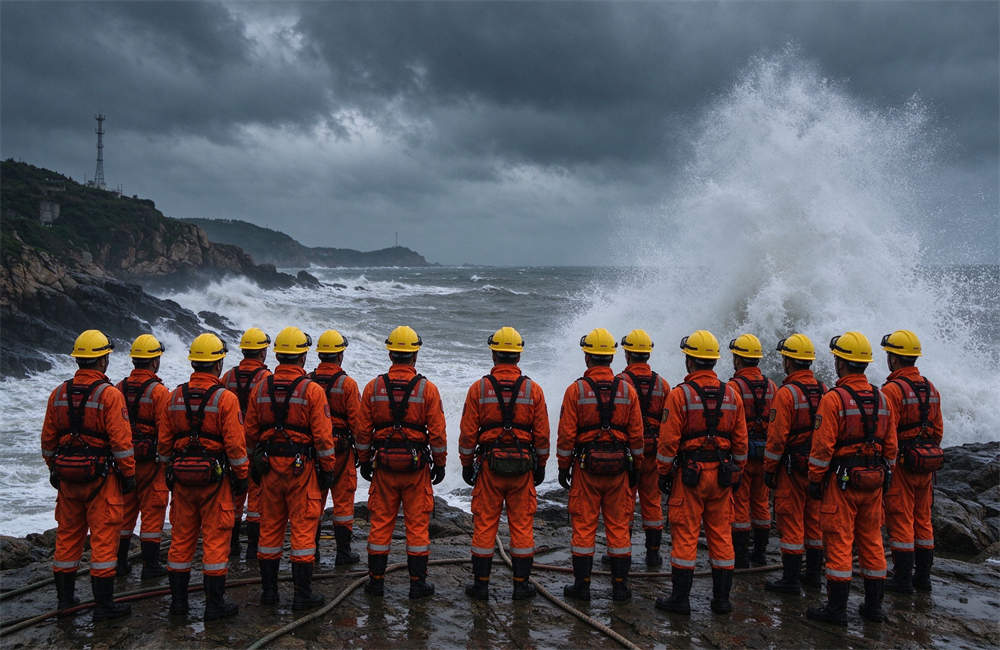
Fishing village dock emergency supplies station, ready for tsunami evacuation.
The best kit in the world is useless if no one can find it. We recommend a simple staging system: every beach access point has a waterproof plastic box, locked but with a quick-release latch, holding whistles, blankets, and ponchos. Every boat dock has life jackets and a throw rope. Every hotel lobby has a stack of glow sticks and headlamps.
Do not store all the gear in one back office. That means staff have to run through the hotel to get it, while guests are waiting on the beach. Spread the boxes out, one at every exit, one at every beach path, so staff never have to walk more than 30 seconds to grab the gear they need.
Bright orange waterproof boxes at every beach exit hold whistles, blankets, and ponchos—quick-release latch.
For the staging boxes, we recommend sourcing waterproof plastic boxes locally—look for a bright orange lid so they stand out against sand and concrete, with a quick-release latch and a break-glass tab in case the latch fails.
Sixth, not testing the waterproof boxes. People think all waterproof boxes are the same, but cheap ones have thin gaskets that fail after one rainy season. We recommend testing every box before installation—fill it with paper towels, hose it down, and check if the towels stay dry. Our boxes come with a 2-year warranty against seal failure, so you know they'll actually work when you need them.
Seventh, buying cheap life jackets. There are many unbranded life jackets on the market that look the same but don't have proper flotation foam. Some are just vest-shaped covers with minimal foam inside. Always ask for test reports showing buoyancy ratings. Our life jackets are tested to EN393 standard, with minimum 7.5kg buoyancy for adult sizes.
Bright clean tsunami evacuation shelter: rows of folding cots with wool blankets.
First, buying cheap life jackets with fake buoyancy. You save $5 per jacket, but when a tired person leans on it, it sinks. Always buy USCG-certified jackets, and test one in a pool before you buy 100. Second, storing all the gear in a back office. People need gear at the beach, not in the accounting department.
Third, waiting until tsunami season starts to order. Every coastal supplier sells out of whistles and blankets by the summer, and lead times stretch to 6 weeks. Order in the winter, when stock is available and prices are 20% lower. Fourth, buying cheap radios that are not waterproof. A coastal radio gets splashed with seawater every time it rains; a non-waterproof radio dies after 6 months.
Another mistake is not testing the evacuation drill. A box of gear on the beach is useless if staff do not know where it is, or how to use it. Do a tsunami drill once a year, walk the evacuation route, and open every gear box to make sure nothing is missing or expired.
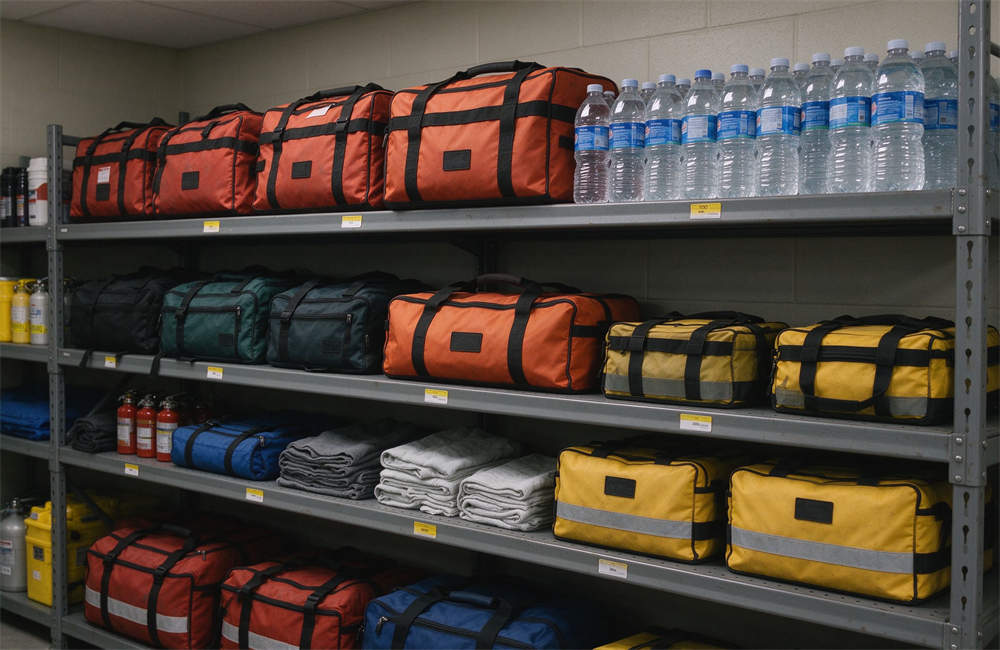
Wrong way: gear stacked in a back office—staff have to run through the hotel while guests wait on the beach.
The basic tier covers the essentials: life jackets, throw ropes, emergency whistles, and a basic first aid kit. It's enough for a small beach town or a single coastal business. The standard tier adds waterproof storage boxes, headlamps, and emergency radios. This is what most medium-sized coastal communities choose. The premium tier adds evacuation shelter supplies, portable generators, and bulk aluminum blankets for cold water immersion cases.
All tiers can be customized. If you need more child-sized life jackets, or more waterproof boxes, just let us know. We also offer custom branding—your evacuation point's name and phone number printed on the storage box. This makes it easier for people to find the right equipment during an emergency, and it helps with inventory management.
All of our tsunami emergency equipment is designed and tested for coastal use. We understand that saltwater, humidity, and rough handling are part of daily life on the coast, so every product we sell is built to withstand those conditions. From waterproof storage boxes to UV-resistant life jackets, we've thought through every detail so you don't have to.
To ensure you get the right tsunami emergency kit for your organization, we recommend reviewing your specific coastal risk level, evacuation timeline, and shelter capacity before placing a bulk order. Our team can help you calculate the right quantities based on your population served.
Evacuation route sign on coastal path, pointing to higher ground for tsunami safety.
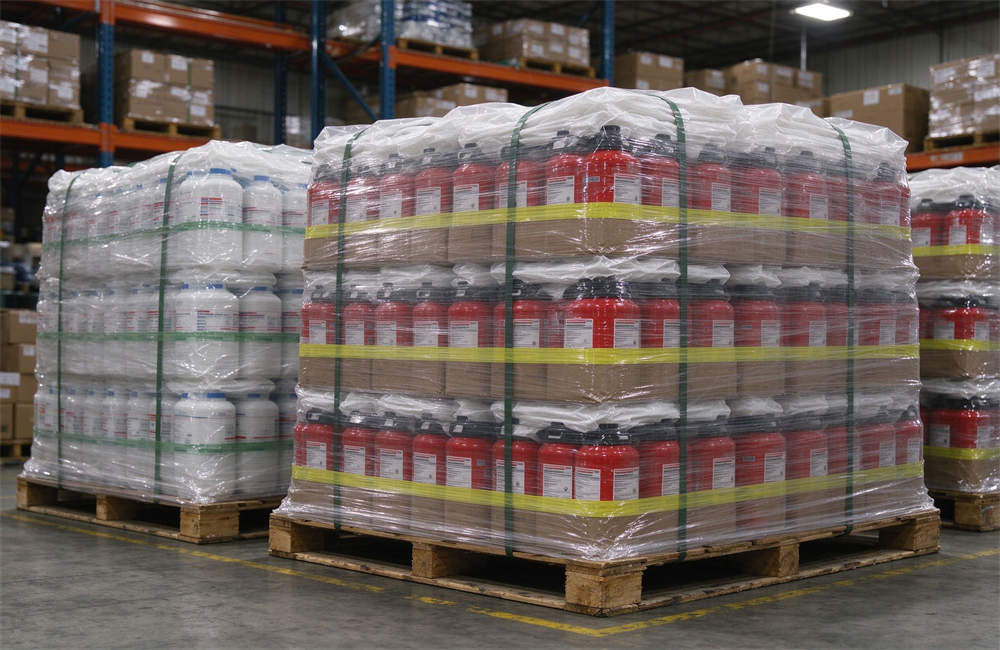
>Bulk order of emergency supplies on pallets, ready for shipment.
This budget covers a 100-person beach hotel or resort. Prices are FOB China, based on mixed pallet orders of 500+ units. For smaller orders, unit prices run 15-25% higher. We recommend ordering 20% extra whistles and blankets, to cover units that get lost or blown away during evacuations.
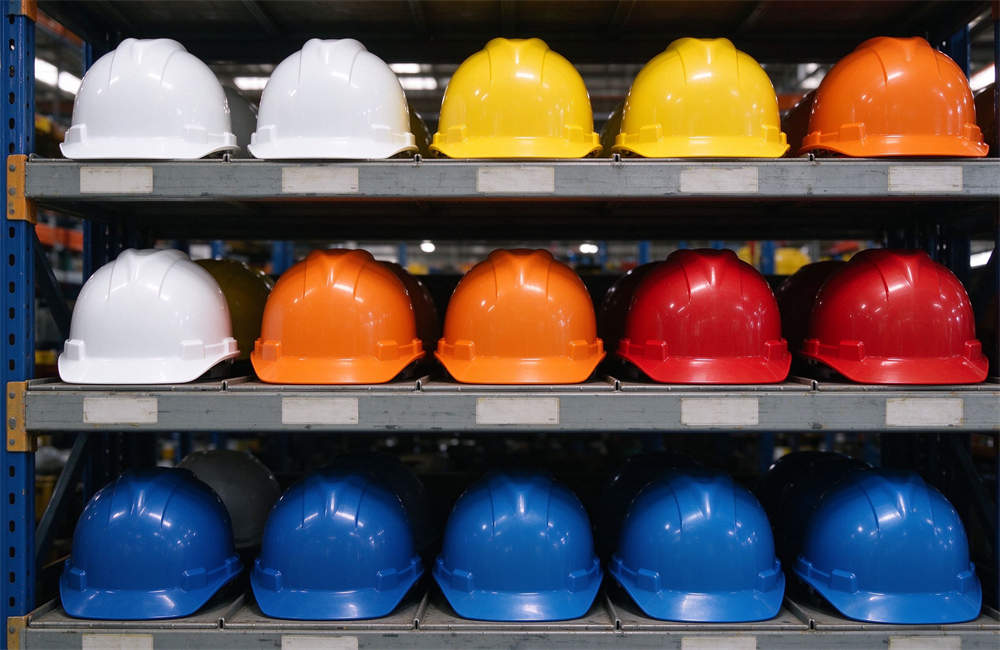
Our warehouse has bulk tsunami emergency kit inventory: life vests, helmets, and supplies in multiple colors.
|
Item |
Unit cost (FOB China) |
Qty for 100-person property |
Subtotal |
|
USCG life jacket (adult) |
$6-$12 |
10 units |
$60-$120 |
|
Emergency whistle (box of 50) |
$15-$25 per box |
1 box |
$15-$25 |
|
IPX7 waterproof crank radio |
$15-$25 |
3 units |
$45-$75 |
|
Aluminum rescue blanket (box of 100) |
$30-$50 per box |
1 box |
$30-$50 |
|
Rain poncho (box of 100) |
$20-$35 per box |
1 box |
$20-$35 |
|
High-ground shelter overnight (separate budget) |
|||
|
4-6 person emergency tent |
$35-$65 |
3 tents |
$105-$195 |
|
Thick emergency wool blanket (1.5kg) |
$4.50-$8.00 |
50 units |
$225-$400 |
|
Folding cot |
$12-$22 |
25 units |
$300-$550 |
|
Bulk pallet discount (500+ units mixed) |
15% off total + free ocean freight to major ports |
||
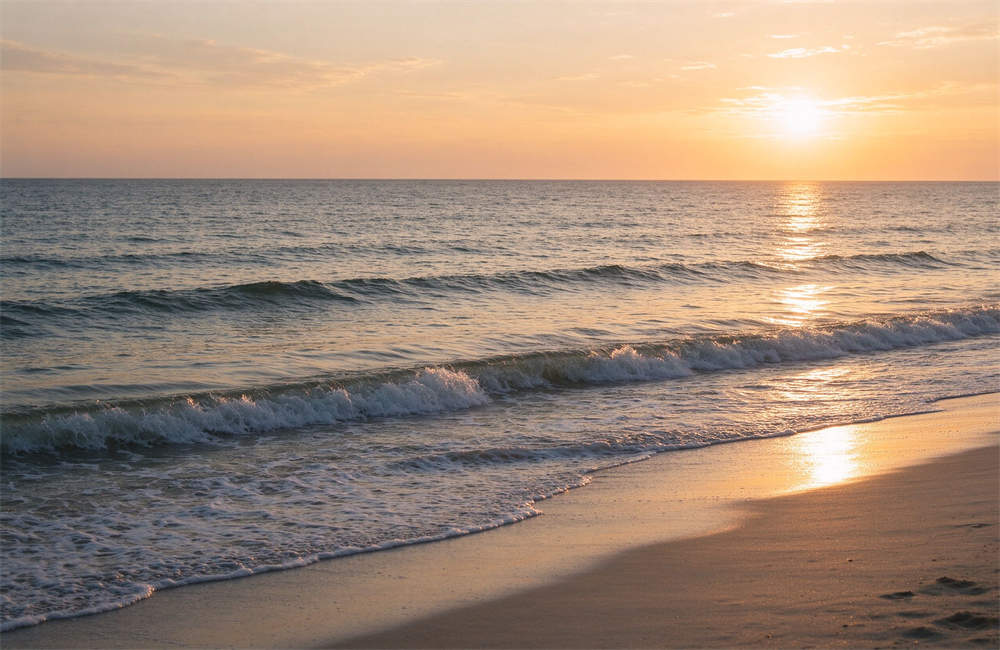
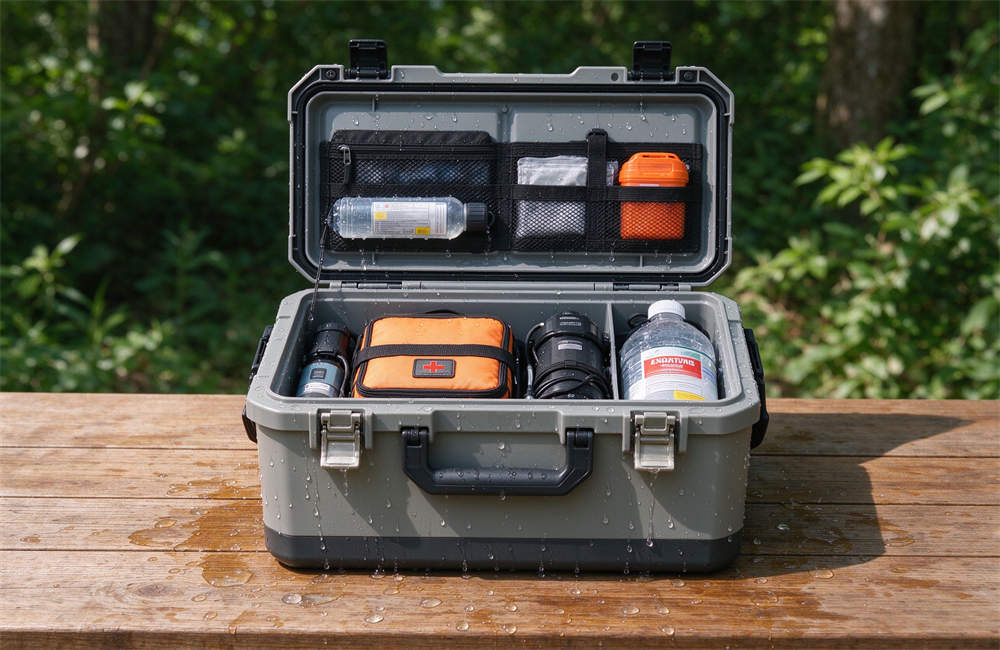
Waterproof storage box with emergency supplies inside, ready for deployment.
Evacuation gear per property: $170-$305. High-ground shelter overnight (3 tents + 50 blankets + 25 cots): $630-$1,145. For a 10-property resort chain, multiply both by 10, and the bulk discount kicks in. We also offer annual replenishment contracts, where we send you a quote every year to replace expired blankets and radios.
Lead times: 7-15 days for standard stock items, 25-35 days for custom branded orders. MOQ is 500 units on mixed pallets—you can mix life jackets, whistles, headlamps, and first aid kits all on one pallet. We ship EXW or FOB from our factory in China, and we can work with your freight forwarder or arrange CIF shipping directly to your nearest port.
Certifications we can provide: CE, ISO9001, EN393 (life jackets), EN471 (high visibility), RoHS. We cannot provide USCG certification for life jackets—this requires additional US-based testing. If your project requires USCG certification, you will need to arrange that separately with a local testing lab. All our products are quality-checked before shipment, and we provide detailed QC reports with every order.
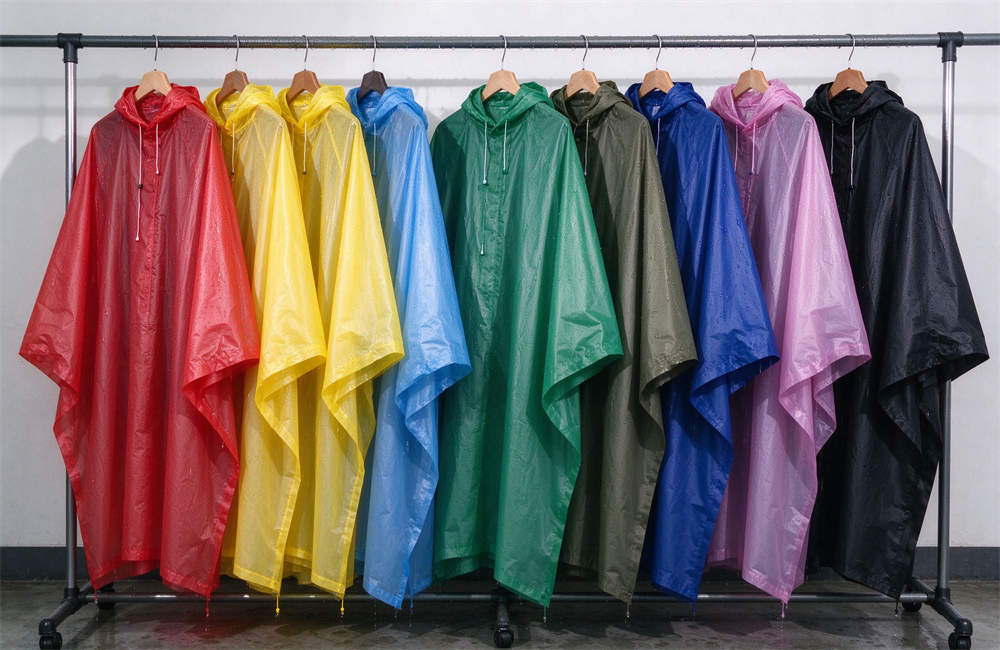
Rain ponchos in multiple colors, waterproof for evacuation in bad weather.
When you source bulk tsunami evacuation gear from our China factory, every order goes through three QC checks: incoming material inspection, mid-production check, and final waterproof test for radios and life jackets. We submerge every radio in a bucket of seawater for 30 minutes (no leaks), and test every life jacket in a pool to confirm buoyancy meets USCG standards before shipment. We provide USCG, CE, ISO9001, and RoHS documentation, so customs clearance is smooth.
Our order process is simple: send us your list and target quantity, we send back a proforma invoice with pricing and lead time, you confirm and pay the deposit, we produce and QC, you pay the balance, we ship by sea or air. Lead time for standard stock items is 7-15 days; custom logo orders take 25-35 days. We can ship to any port worldwide.
Tell us how many guests your property holds, how many beach access points you have, and what gear you already stock, and we will send you a customized list with pricing, lead time, and free sample availability. We work with coastal hotels, fishing villages, campgrounds, and tourist resorts worldwide.
As a general rule, have life jackets for 50% of the maximum expected crowd. For a beach that gets 200 people at peak, order 100 life jackets in a mix of adult large, adult medium, child small, and infant sizes. Always order more child sizes than you think you need—families often underestimate how many children they'll have with them.
We recommend inspecting every item every 6 months. Check life jackets for tears or cracked buckles, test emergency whistles by blowing them, and check that waterproof boxes seal properly. Replace any damaged items immediately. Saltwater and UV exposure degrade equipment faster than you think—what looks fine today might fail in an actual emergency.
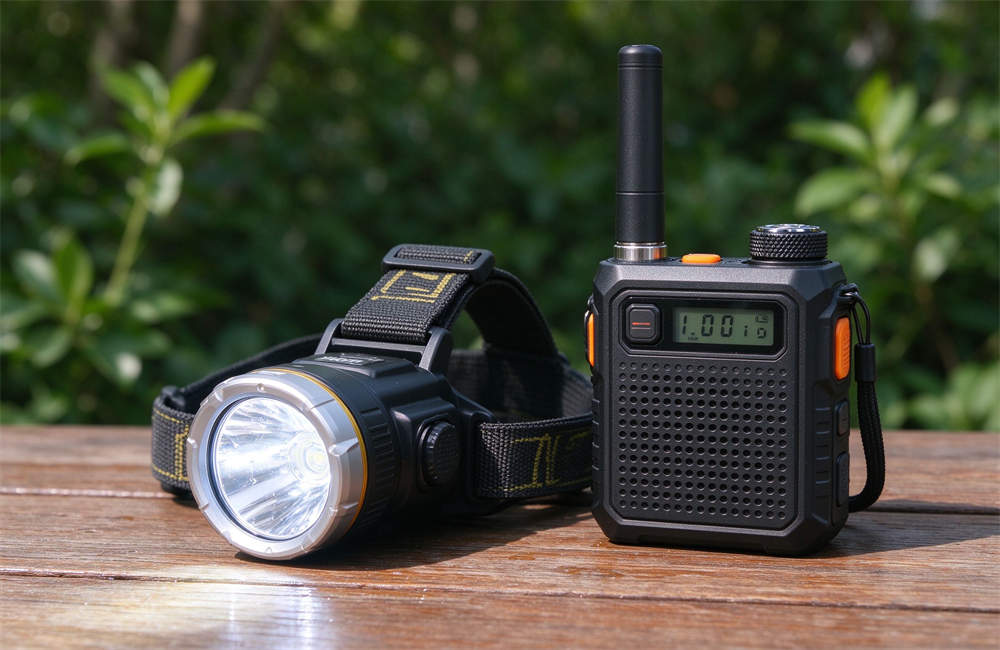
10 adult jackets per boat dock, plus 5 child sizes. Keep them in a waterproof box by the dock, so they are ready for guests on paddleboards and kayaks. You do not need one per guest—most people evacuate by walking, not floating.
Yes. They reflect 90% of body heat, so a soaked guest wrapped in one stays warm for hours. They are thin, light, and packable, so you can store 100 of them in a small box by the beach.
5+ years. The crank generator has no moving parts to break, and the solar panel lasts 10+ years. We recommend testing the radio once a year, cranking it for 5 minutes, and making sure it picks up NOAA weather channels.
5 years on the shelf. The foam inside degrades over time, and the jacket loses buoyancy. We recommend replacing all life jackets every 5 years, and inspecting them annually for tears and strap wear.
Yes, we print hotel logos on whistles, blankets, and radio cases, in one or two colors. Minimum order for logo printing is 100 units per item. Logo-printed gear stays at your property, and does not get mixed up with other hotels' gear during mutual aid evacuations.
Our standard MOQ is 500 units per product for mixed pallet orders. For smaller resort orders, we can work with 100 units per item with slightly higher unit pricing. Many beach resorts start with a 100-unit pilot order, test the gear through one tsunami season, then scale up.
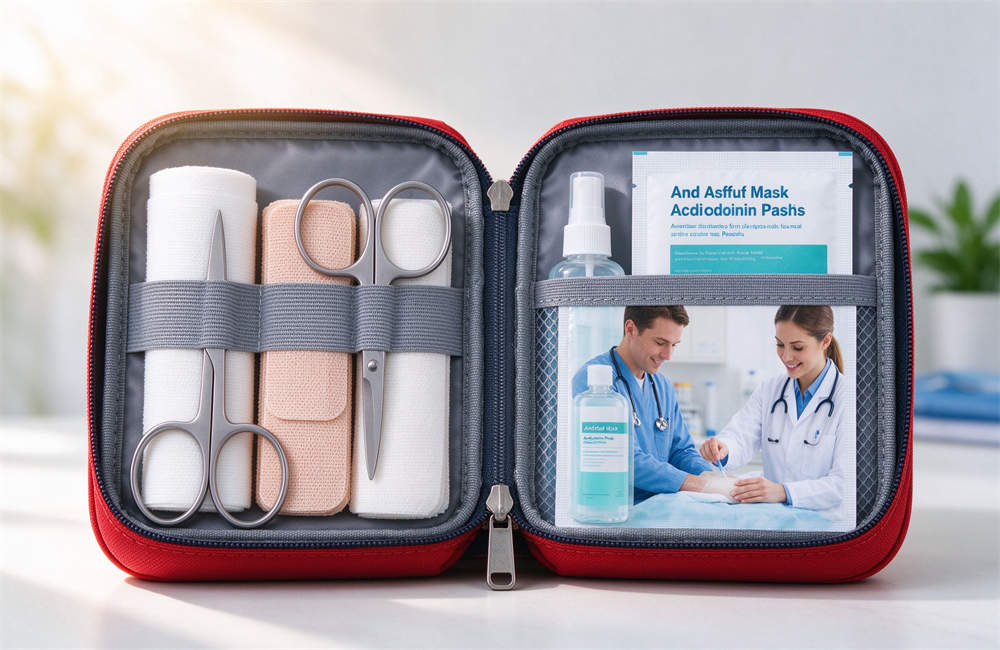
bulk tsunami emergency kit coastal disaster relief supplies evacuation equipment wholesale beach safety supplies flood rescue equipment emergency first aid kit coastal waterproof headlamp bulk folding camp cot wholesale wilderness tent tsunami portable emergency radio water resistant
✅Shop versatile wholesale first aid kits and bulk medical supplies suitable for all industries. Our first aid packs contain wound dressings, antiseptics, bandages and emergency medical tools, available in multiple sizes and configurations. Suitable for disaster relief, workplace safety, fire rescue teams, government stockpiles, refugee camp shelter and humanitarian aid, to deliver timely on-site medical treatment during accidents and emergencies.
Enlaces amistosos :
Derechos de autor © Custom Disaster - Relief Bedding: Tents, Sleeping Bags, Blankets Reservados todos los derechos
el equipo profesional al servicio !