Categorías
Last updated: November 23, 2026 · Highway emergency kit
A highway emergency kit keeps a roadside stop from turning into a second crash. Warning triangles, reflective vests, first aid supplies and rescue gear turn a breakdown or an accident into a managed situation, for drivers, tow crews and patrol teams.
A well-rounded loadout combines roadside safety first aid and rescue gear into one sealed bin per car, tow truck or patrol vehicle.
This guide covers what to stock, how to set up the warning zone, and how to care for casualties, so the kit is ready before the first trip.
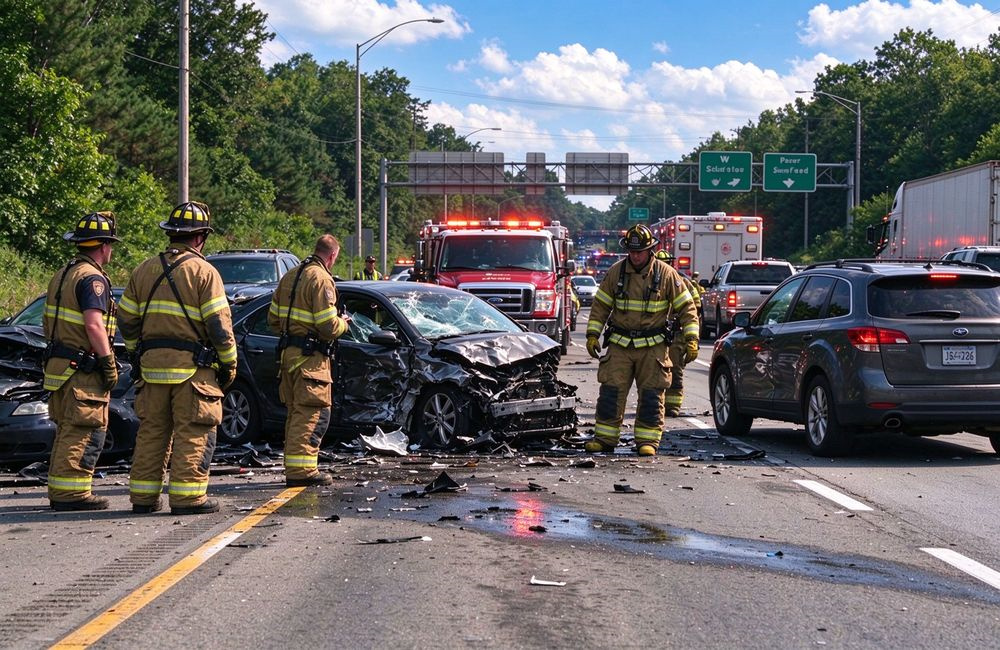
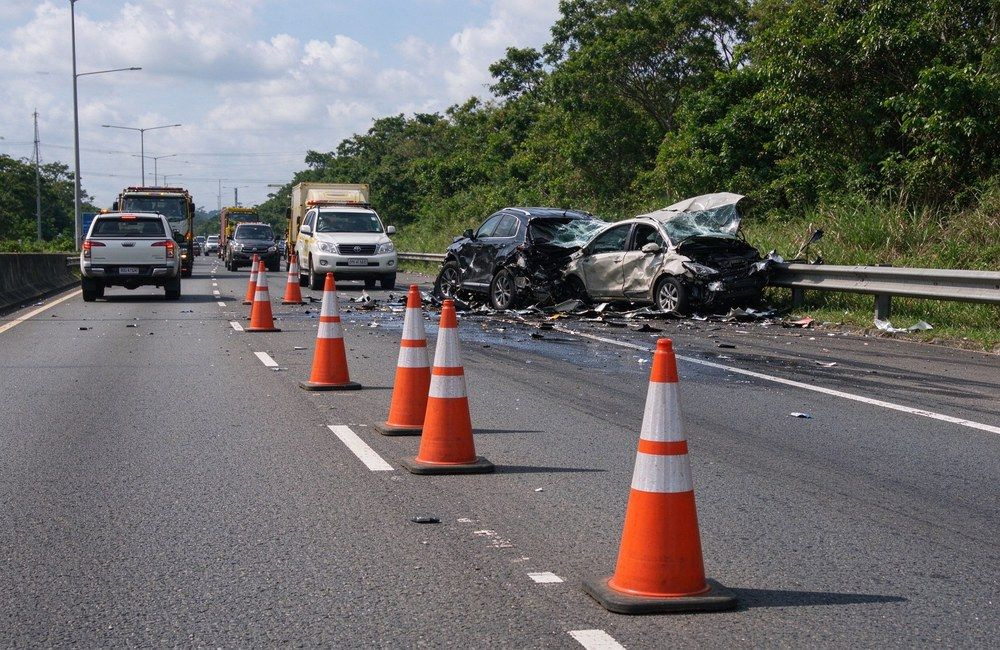
Highway crash scene with emergency vehicles, warning triangles and cones set up to protect the accident zone, rescue crew directing traffic around the scene
 |

|
Table of Contents
A roadside stop lasts minutes, and those minutes decide whether it becomes a simple breakdown or a second crash. A highway emergency kit closes the gap: warning triangles, reflective vests, first aid supplies and rescue gear make every stop a managed situation.
This page covers the full kit for drivers, tow crews and patrol teams.
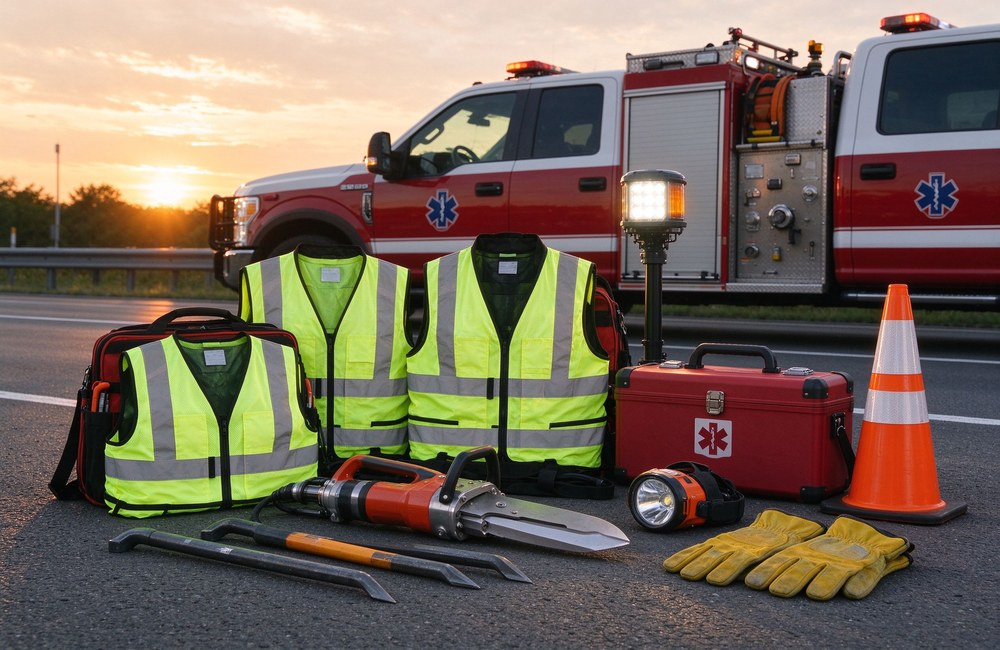
Highway rescue kit family in white background, warning triangles, vests and first aid bags arranged for roadside safety use at the scene
The car accident emergency kit includes the sections follow the real sequence of highway safety: understanding the accident risk, setting up warning devices, wearing visibility gear, caring for casualties, using rescue tools and calling for help.
The car accident emergency kit includes this guide is written for individuals and organizations together. You will see per-vehicle ratios and bulk quantities, because a tow fleet protecting 30 trucks makes different decisions than one family car, and the difference shows in the reserve levels and the tool sets.
Where numbers appear, they match standard highway safety planning and can be adjusted to your route.
The car accident emergency kit includes by the end, you will know which items matter most, how to build the warning zone, how to treat common crash injuries, and which official sources to check before the fleet rolls.
The final sections give a quick-reference list and a procurement checklist for your supplier.
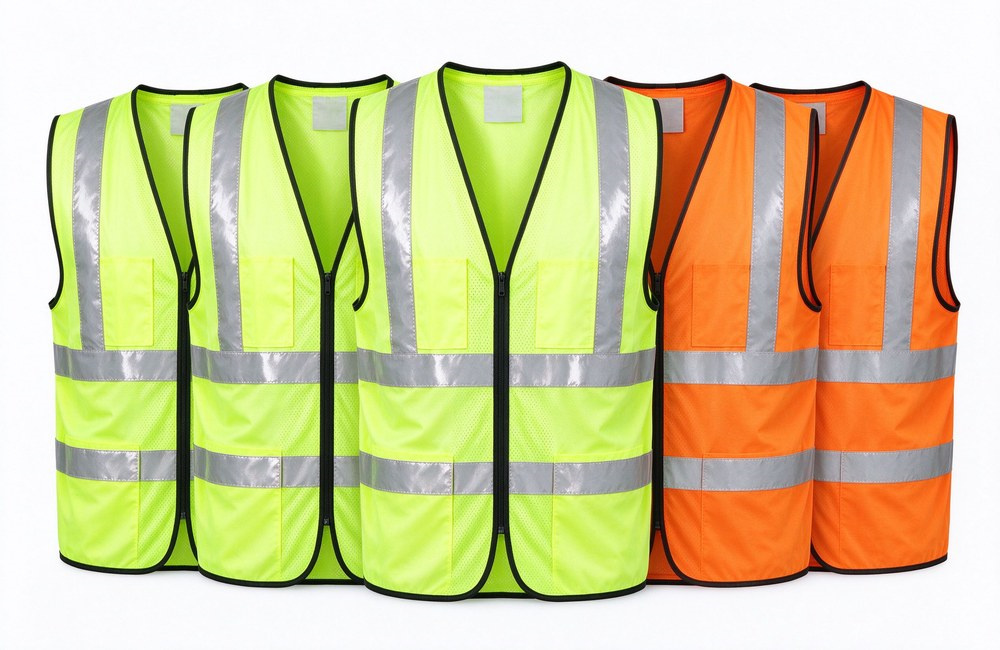
The car accident emergency kit includes preparedness is measured in visible warning and ready hands. A driver with triangles in the trunk builds the zone before the next car arrives; a tow crew with vests and first aid supplies manages the stop from the first minute.
The car accident emergency kit includes for organizations, the same rule applies at larger scale: a highway emergency kit with rescue gear turns every roadside event into a managed routine.
The car accident emergency kit includes highway accidents happen at speed, and the danger lasts beyond the first impact: stopped vehicles become targets for approaching traffic within seconds.
Most secondary crashes occur because the warning zone was missing or too short. Preparedness starts with the triangles in the trunk, because the first minute decides the outcome. Every driver should stage vehicle emergency supplies before the trip, not after the shoulder stop.
The car accident emergency kit includes unprepared organizations face three failures at once: a crew stopped without vests stands invisible in the lane, first aid waits for the ambulance that is minutes away, and rescue tools are improvised from the truck bed.
Each failure compounds because the window for help is short.
The car accident emergency kit includes a pre-built kit with warning devices, vests and rescue gear avoids all three, and it is cheaper to stock before the season than to respond after a close call.
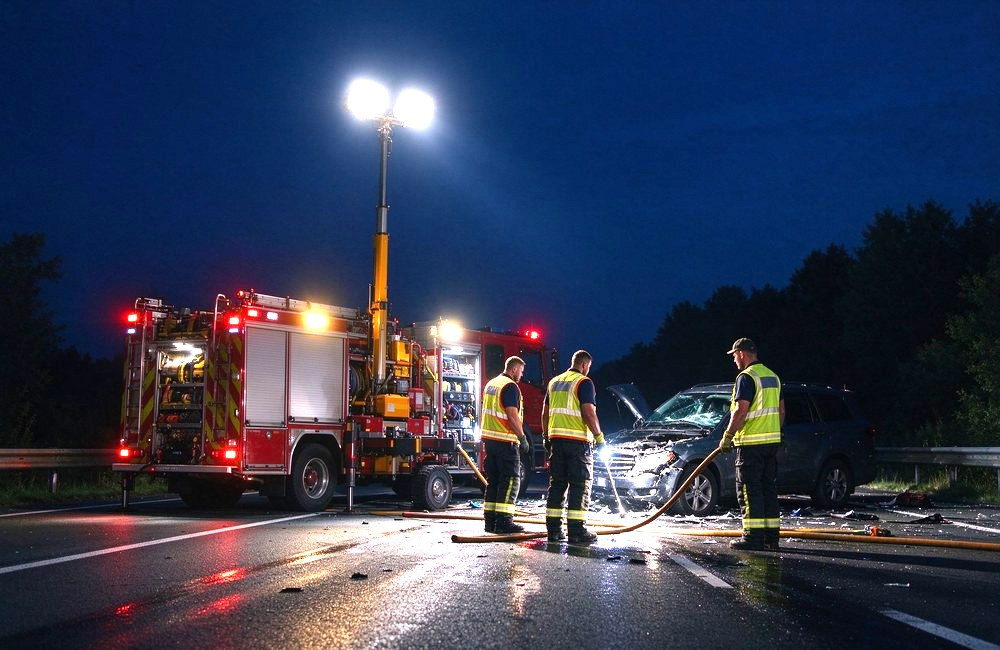
The car accident emergency kit includes highway risk follows a simple map: speed turns every stop into a hazard, blind curves hide the stopped vehicle, and darkness erases the scene.
The kit works when it covers all three, and the sections below turn the map into a checklist.
The car accident emergency kit includes at highway speed, a driver covers the length of a football field every few seconds, and a stopped vehicle becomes visible only in the last moments.
Warning triangles at the regulation distance buy that time: place the first one at 100 meters, the second at 50 meters and the third beside the vehicle, facing the traffic.
The car accident emergency kit includes night, rain, curves and ramps carry the highest risk, and breakdowns on the shoulder become targets when the next driver looks down for a second.
Fleets add the work zone risk, where one stop affects every following vehicle.
The kit covers high-risk times first: lights for darkness, cones for ramps and vests for every stop.
The car accident emergency kit includes the first minutes after a crash set the care window: bleeding is controlled, airways are checked and the scene is made safe before the ambulance arrives.
Crews trained in basic first aid double the effectiveness of the rescue gear in the kit, and the training is part of the preparedness plan, not an add-on.
Every car accident emergency kit should also include warning is the first layer of the kit, and the devices are simple: triangles, flares and cones.
The right devices at the right distance turn a stopped vehicle into a managed zone, and the setup is rehearsed before it is needed. A useful reference is the Red Cross survival kit supplies checklist, which lists the core water and communication items every vehicle should carry.
Every car accident emergency kit should also include per vehicle: one set of folding warning triangles, six emergency flares and a reflective flag for signaling.
Place the triangles at the regulation distance, light the flares in the lane and wave the flag from behind the guardrail.
The setup order is printed on the kit lid, because the first minute decides the outcome.
Every car accident emergency kit should also include cones extend the warning zone and guide traffic around the scene, and crews carry them by the dozen.
Set the cones in a taper from the shoulder into the lane, with the first cone at the regulation distance, and add a second row where the scene is longer.
The taper is the map that keeps approaching traffic out of the work area.
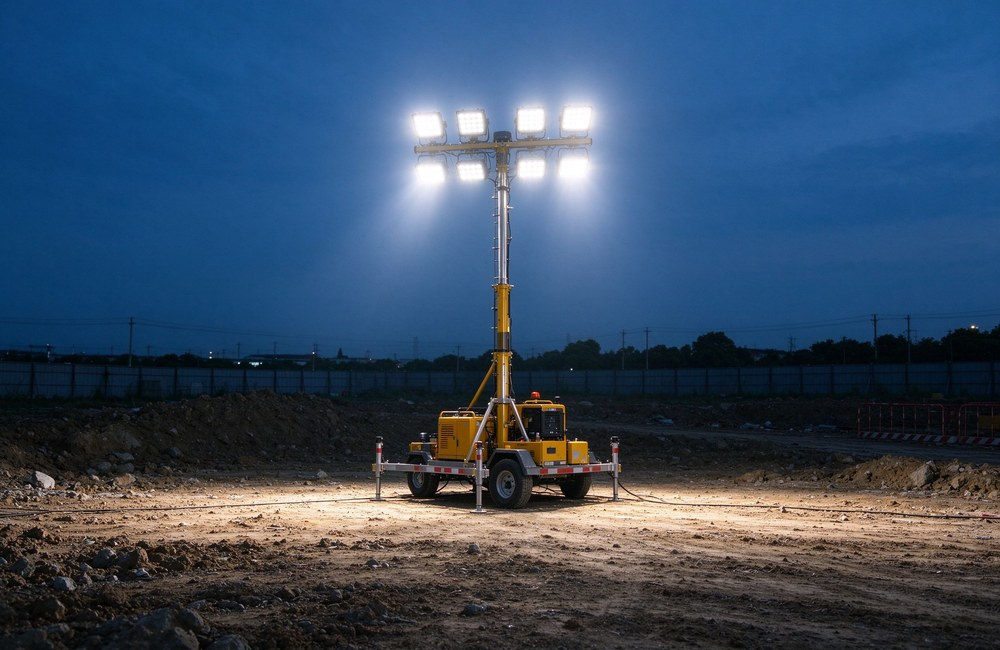
Visibility is the second layer and the one that follows the people. Reflective vests, helmets and scene lighting make every crew member visible to approaching traffic, and the rule is the same at every stop.
Every person on the scene wears a reflective vest, and crews add helmets for the high-speed zones. Choose vests with front and back reflective stripes, keep a spare set in every truck and replace them when the strips lose brightness.
The vest is the cheapest life insurance on the highway.
Mobile light towers and hand lights turn a night scene into a day scene, and every crew vehicle carries at least one.
Position the tower behind the work zone, keep the lights aimed at the scene, and add handheld lights for the walk from the vehicle to the guardrail.
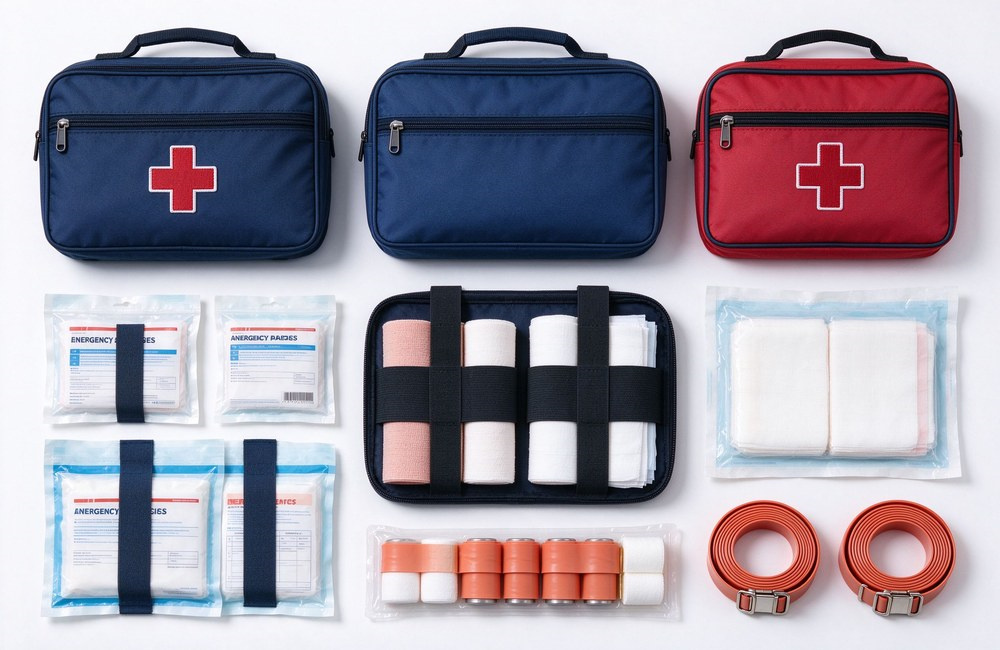
First aid is the third layer and the one that meets the casualties. A stocked kit with trauma dressings, bandages and a tourniquet controls bleeding while the ambulance is on the way, and the supplies are organized for the first responder.
Per kit: trauma dressings, pressure bandages, a tourniquet, adhesive bandages, scissors, gloves and a rescue blanket. Pack the kit so the trauma items sit on top, and check the expiry dates at every season change.
The first aid bag is organized for the first minute, not for the clinic.
Control bleeding first: apply pressure with a trauma dressing, add a tourniquet for limb bleeding that will not stop, and keep the casualty warm and still.
Crews trained in the basics move through the steps without searching the bag, and the training is rehearsed with the kit twice a year.
Check the airway before anything else, roll the casualty onto the side when they are unconscious, and do not move a person with a suspected spinal injury unless the scene forces it.
The rule is simple: control what can be controlled, keep the person warm, and hand over a clear report to the ambulance crew.
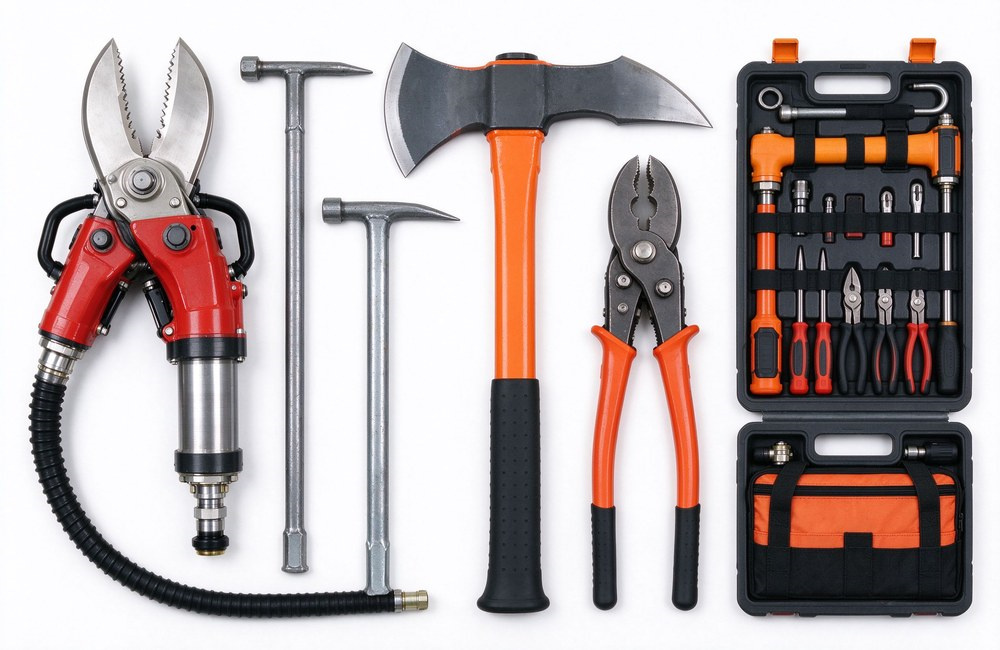
Rescue tools are the fourth layer and the one that opens the vehicle. Cutters, spreaders and hand tools free trapped occupants while the professional teams are en route, and the tool set is matched to the fleet.
Hydraulic cutters and spreaders open doors and roofs, and hand tools cover the smaller cuts. Match the tool set to the fleet: rescue teams carry the full hydraulic kit, tow crews carry the manual set and patrol vehicles carry the basics. Test the tools at every service interval.
The hydraulic set covers the heavy cuts: cutters open doors, spreaders push panels apart and hand tools handle the small work. Match the set to the scene, position the tool at the reinforced point and let the hydraulic pressure do the cutting while the crew steadies the panel.
Inspect cutters, blades and straps after every rescue, and log the check in the service book. Keep spare blades and hydraulic fluid in the truck, and have worn tools serviced and inspected by a qualified maintenance provider.
A tool that is inspected is a tool that works when the door has to come off.
Communication is the layer that brings the rest of the system to the scene. A charged phone, a two-way radio and the emergency numbers turn a solo stop into a connected rescue, and the plan is set before the trip.
Keep a charged phone and a car charger in the kit, add a two-way radio for crew convoys, and print the emergency numbers on the kit lid.
Practice the call script - location, direction, lanes, injuries - so the dispatcher gets the facts in the first ten seconds.
For families, agree the check-in rule: a message when you stop, a message when you move again. For fleets, the dispatcher tracks every stop and checks in after ten minutes.
The check-in is the quiet layer that turns a stopped vehicle into a known position.
The complete kit brings the layers together in one inventory: warning devices, visibility gear, first aid, rescue tools and communication. The full list below is the same one used by family cars, tow crews and rescue teams, scaled by numbers.
Per car: one set of warning triangles, a reflective vest, a first aid bag, a flashlight and a printed call script. Stage the set in the trunk beside the spare wheel so it is inventoried in minutes and checked at every service.
Tow fleets add the bulk layer: vests for every crew member, cones by the dozen, mobile lighting, the full first aid kit and the manual rescue set.
Patrol teams add the communication layer with radios and the hydraulic kit for the full rescue response.
Warehouses hold the bulk reserve: vests, triangles, cones, first aid refills and spare tool blades, reviewed at every season change. The reserve keeps the fleet running while the supply line catches up, and the inventory sheet is the record that proves the levels.
The table below compares the main kit modules:
Module
Core Items
Check Cycle
Reserve
Warning
Triangles, flares, cones
Before every trip
Set per vehicle
Visibility
Vests, helmets, scene lighting
Per stop, per crew
Spare set per truck
Care
First aid bag, rescue blanket
Expiry every season
Refill kit
|
Category |
Per-Vehicle Item |
Notes |
|
Warning |
Warning triangles, flares |
Visible in fog |
|
Visibility |
Reflective vest per occupant |
Before exiting |
|
Power |
Jumper cables, flashlight |
Test quarterly |
|
First Aid |
Personal first aid pouch |
Clean wounds |
|
Warmth |
Blanket, water |
Long tow wait |
Per-vehicle minimum for a 72-hour roadside wait in a highway emergency kit; add a weather radio, a waterproof pouch for documents and a reflective vest for every occupant. and a flashlight with extra batteries for night stops.
The per-fleet table below covers spare triangles, vests and winch gear that tow companies and patrol contractors stock at each depot, rather than in each vehicle pack.
|
Category |
Per-Fleet Item |
Notes |
|
Triangles |
Spare triangles per truck |
Replace if cracked |
|
Vests |
Box of vests for new hires |
UV resistant |
|
Tools |
Winch gear, tire inflator |
Salt-season rinse |
|
Records |
Bin card, test log |
Review monthly |
Inventory fleet bins at the start of driving season and after any real roadside call; restock within ten working days and test jumper cables and flashlight batteries before each long route.
Procurement decides whether the kit arrives before the season or after the first incident. A reliable factory partner produces vests, warning devices and rescue gear to specification, with samples, test reports and documentation that keep your compliance file complete.
Ask the supplier for the capability and document list before pricing: reflective vest material specs, reflective standard certifications, tool kit component lists and batch inspection records. Request certifications relevant to the products - reflective standards and material claims - and keep the certificates with the order file.
A factory that documents its process is a factory that manages its quality.
Confirm packaging is sealed and labeled, and that production and shipping finish before the season - 6 to 10 weeks is a safe ordering window.
Request samples before the bulk order, collect test reports and packing lists at order time, and keep the samples with the bulk kits as field references.
Check these trusted pages before a long trip and again when a roadside stop stretches into the dark. NWS general emergency preparedness guidance covers weather awareness and evacuation routes drivers should plan ahead.
The Red Cross survival kit supplies checklist lists the water, warmth and communication items every vehicle and tow truck should carry.
Most highway emergencies are not crashes: they are flat tires, dead batteries, overheating engines and weather-related stops on the shoulder. Every stopped car becomes a secondary-collision risk within minutes.
Every vehicle on the road needs a consistent roadside assistance equipment plan staged in the trunk. The four buyer groups below buy in volume and share the same core configuration.
Truckers and delivery drivers log long hours in weather. They stock vehicle emergency supplies in the cab, with warning triangles, reflective vests and first aid within arm reach.
Tow crews work live lanes at night and in fog. They carry roadside assistance equipment including light bars, flares and heavy-duty gloves for winch operations.
Roadside patrols and service contractors stage bulk highway safety kits in the trunk, sized for multi-vehicle calls on interstates and rural routes.
Family cars on vacation routes face sudden weather and long tow waits. They carry a compact roadside safety first aid and rescue gear bin in the trunk, plus water and blankets.
The same car emergency kit supplier standard applies to every family vehicle on the route. A reliable car emergency kit supplier stocks triangles, vests and first aid for every fleet depot.
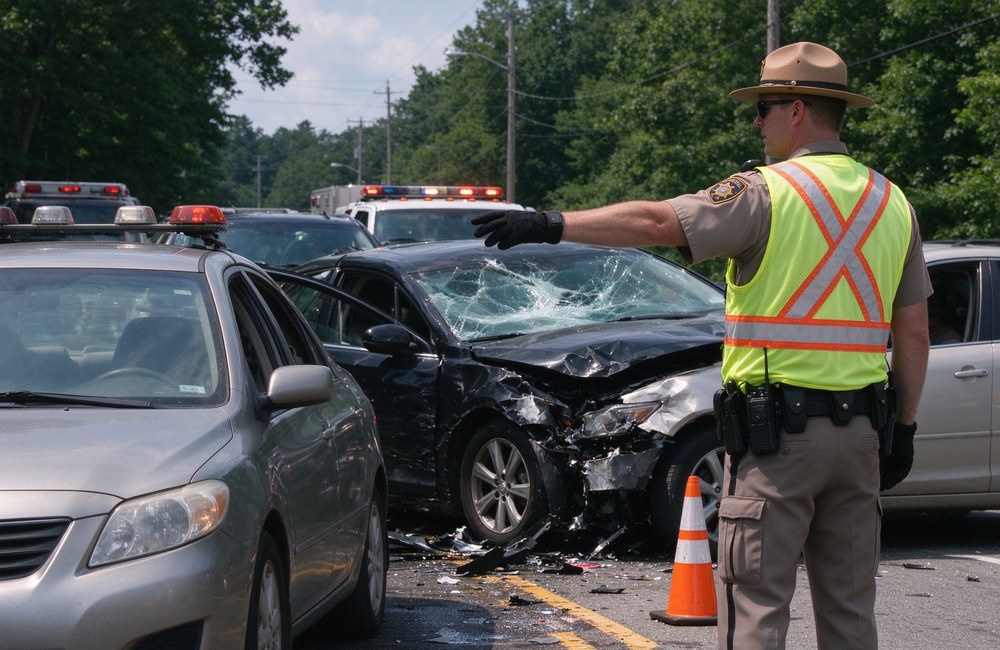
If you must stop, pull as far off the road as possible, exit on the passenger side and stand behind the guardrail or on the shoulder away from traffic. Never walk between lanes to retrieve a triangle.
A dark jacket at night is nearly invisible. Keep a reflective vest on every occupant, and put it on before stepping out of the car, even for a quick tire check.
On a freeway, place the triangle 10 paces ahead and 10 paces behind the vehicle, and one far out on a curve. Closer placement does not give drivers time to slow.
Set a triangle, put on the vest, call the roadside number and describe the mile marker, lane and weather. Stay in the vehicle with seatbelts on if traffic is moving fast.
Ordering bulk highway safety kits means matching the kit tier to the hours driven and weather exposure of the fleet, not over-ordering one-size-fits-all bins that waste budget and trunk space.
Family cars, tow trucks and patrol vehicles differ in hours on the road and weather exposure. The comparison table below matches three kit tiers to typical buyers, so procurement officers can quote one consistent configuration per vehicle or fleet.
|
Kit Level |
Best For |
Core Contents |
Sourcing Note |
|
Car Roadside Pack |
Family car, daily commute and vacation |
Warning triangles, reflective vest, jumper cables, flashlight, first aid, water, blanket |
Trunk bin |
|
Tow or Patrol Kit |
Tow truck, service van or patrol car, 24/7 operation |
Car pack plus light bar, flares, heavy-duty gloves, winch gear, tire inflator |
Numbered bins per vehicle |
|
Bulk Fleet Deployment |
Fleet depot, regional service contractor, highway patrol contractor |
Tow kit plus bulk highway safety kits, reflective vests by the box, warning triangles by the case, roadside breakdown gear on pallets |
Palletized roadside safety first aid and rescue gear, OEM labeling available |
Most buyers start with the Tow or Patrol Kit for one pilot vehicle, then scale to the Bulk Fleet Deployment level once the roadside drill proves the configuration works.
Warning triangles, vests and jumper cables live in heat, dust and trunk moisture. A short care routine keeps every highway emergency kit ready for the next stop, and it extends the life of triangles, vests and cables across multiple driving seasons.
For orders above 200 kits, we provide OEM private-label packaging, custom color tags and vehicle-numbered bins for any roadside breakdown gear deployment. Each roadside breakdown gear bin is sealed and labeled for quick trunk access. Minimum order quantities and lead times are quoted per contract once your component list and fleet route schedule are confirmed.
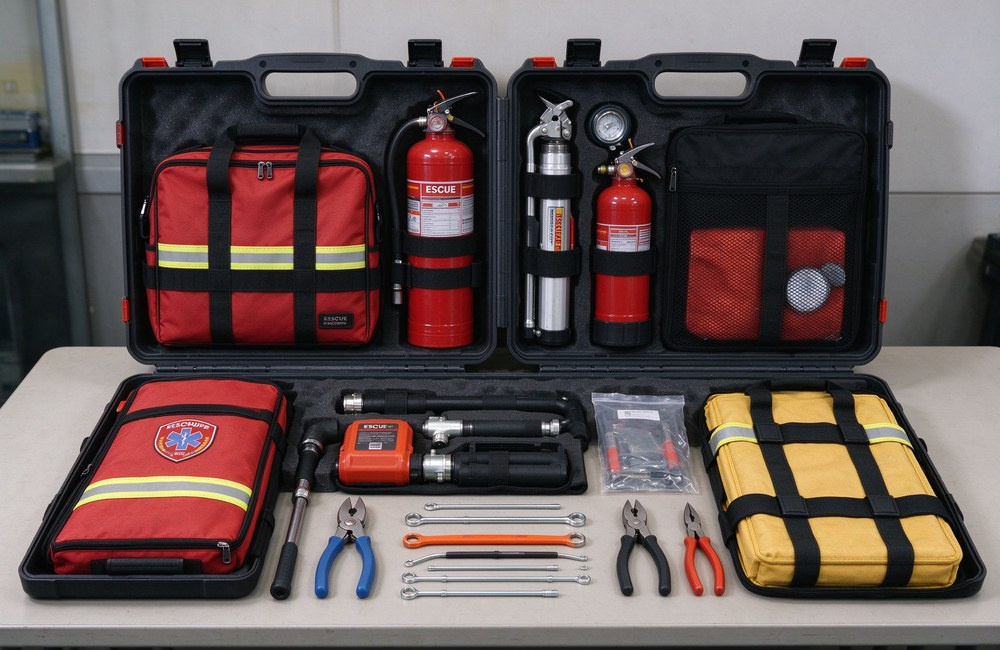
Warning triangles, emergency flares, reflective vests, traffic cones, first aid supplies, rescue tools, a flashlight and a printed call script for the dispatcher.
The first at 100 meters from the vehicle, the second at 50 meters and the third beside the vehicle, facing the approaching traffic. Cones extend the zone in a taper.
Every second after the stop. A driver at highway speed covers the distance in moments, so the warning zone must be set in the first minute and kept until the scene is cleared.
Yes. Bulk orders cover vests for every crew member, cones by the dozen, first aid kits per truck and spare tool blades, with custom packaging available for larger orders.
Trauma dressings, pressure bandages, a tourniquet, adhesive bandages, scissors, gloves and a rescue blanket, organized with the trauma items on top for the first minute.
A stopped crew without vests stands invisible in the lane. Vests with front and back reflective stripes make every person visible to approaching traffic, day and night.
The manual extrication set: cutters, spreaders, hand tools and spare blades. Rescue teams add the hydraulic kit and patrol vehicles carry the communication layer. The same roadside breakdown gear standard is rolled out to every tow truck and patrol car.
Request the certificates relevant to the products: reflective performance standards and material claims, with test reports kept with the order file.
Inspect cutters, blades and straps after every rescue and log the check in the service book. Have worn tools serviced and inspected by a qualified maintenance provider.
Location, direction, lanes and injuries, so the dispatcher gets the facts in the first ten seconds. Print the numbers on the kit lid.
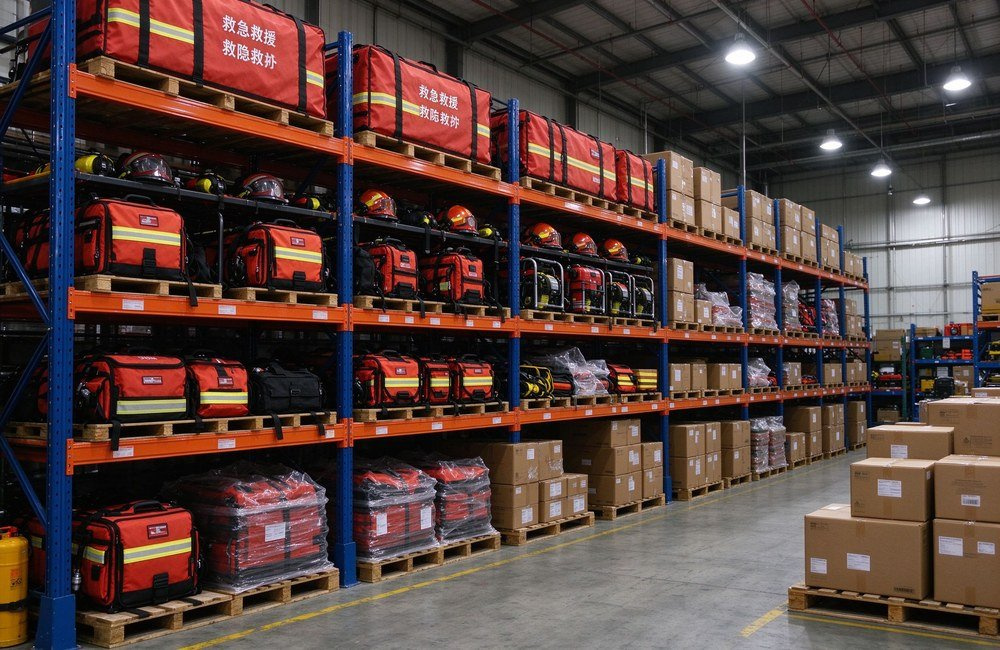
Warehouse rescue gear storage, vests, cones and first aid supplies stacked and labeled in the supply warehouse rack sections before dispatch
A kit that has never been deployed fails at the worst time. Run one drill before the season: set the triangles to the regulation distance, time the call script, check the first aid expiry dates and test the tools.
Fix the gaps in the order, then repeat the drill every quarter.
Update emergency contacts when the fleet changes, keep a printed call script in every vehicle, and confirm the stock levels still match current routes. Small quarterly updates keep the whole system usable for years.
A highway emergency kit is not a product list; it is a decision made in advance. Set the triangles, wear the vests, stock the first aid, test the tools and review the plan every quarter.
When the next stop happens, the kit does the thinking.
Enlaces amistosos :
Derechos de autor © Custom Disaster - Relief Bedding: Tents, Sleeping Bags, Blankets Reservados todos los derechos
el equipo profesional al servicio !