Categorías
We have supplied blankets to government and aid projects for 20 years, and GSM is the number one thing buyers get wrong. Two suppliers can both quote "200 GSM fleece blanket" and deliver blankets that feel completely different, because one means grey fabric GSM and the other means finished blanket GSM. This guide shows you how to calculate blanket weight correctly, what GSM ranges are normal for each blanket type, and how to use the numbers to compare quotes without getting tricked.
Core formulas: Area in m² = width in metres × length in metres. Estimated fabric weight in grams = area × GSM. Calculated GSM = measured fabric weight in grams ÷ area in m². Finished blanket weight is always higher than fabric weight because binding, labels, and moisture add extra grams.
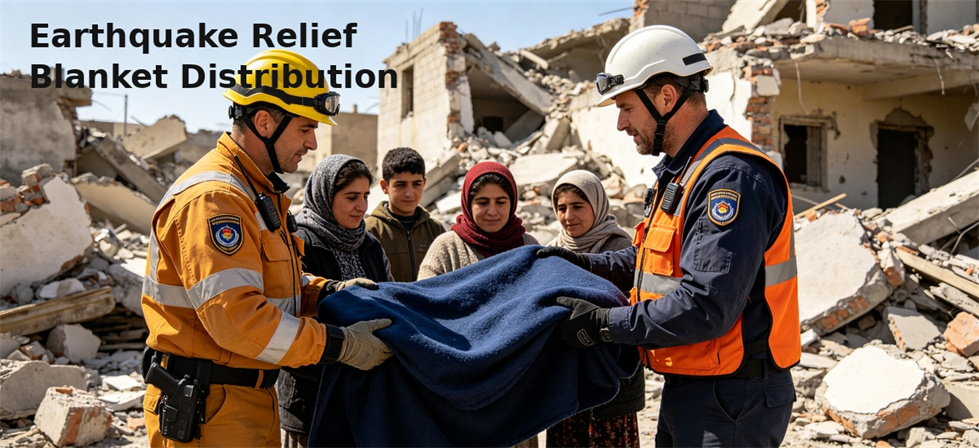
GSM means grams per square metre. It tells you how much one square metre of the fabric weighs. Buyers use it to compare blanket thickness and warmth on an equal basis, instead of guessing from "thick" or "heavy" which mean different things to every supplier.
GSM alone does not tell you the fiber type, finished size, piece weight, pile quality, or durability. A 200 GSM fleece blanket and a 200 GSM wool blanket feel very different and cost very different. Always check GSM together with fiber composition and finished size.
After 20 years of production, these are the GSM ranges we see most often in real bulk orders:
| Blanket type | Common GSM range | Typical use | Notes |
|---|---|---|---|
| Micro fleece | 130–200 | Hotel, gift, retail | Soft hand feel, less durable for institutional washing |
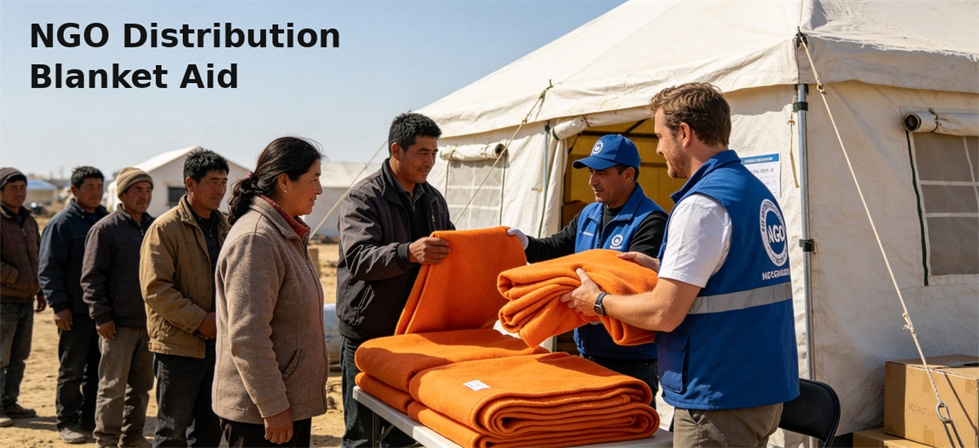
| Anti-pilling fleece | 180–300 | Disaster relief, government, NGO | Most common for aid projects; 200–250 GSM is the sweet spot |
| Wool or wool blend | 250–400 | Cold climate rescue, military | Warmest option; check actual wool percentage (5% wool can legally be called "wool blend") |
| Polyester-cotton blend | 200–350 | Hospital, institutional bedding | Cotton feel, slower drying, less common for emergency use |
| Aluminum foil emergency blanket | Not measured by GSM | First aid, survival kit | Weight is measured per piece, not by GSM; do not compare with textile blankets |
If a supplier quotes a fleece blanket below 150 GSM for a disaster relief project, it will feel thin and will not hold up after repeated washing. If they quote above 350 GSM for fleece, the price and shipping volume will be hard to justify for most aid budgets.
The formula is simple, but most mistakes happen with units. Follow these steps in order.
Divide centimetres by 100. A blanket listed as 150 × 200 cm becomes 1.5 × 2.0 m. If you receive dimensions in inches, multiply by 0.0254 to get metres (1 inch = 0.0254 m). Never multiply centimetres directly by GSM — the result will be 10,000 times too large.
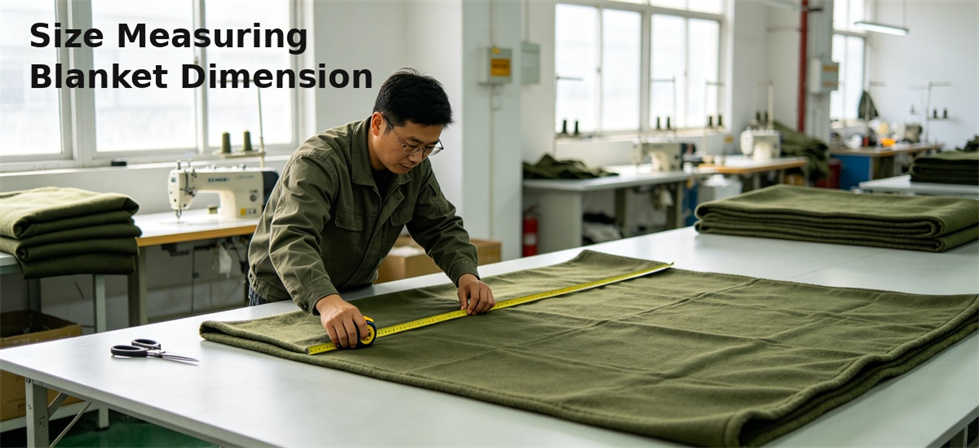
Area = width in metres × length in metres. For a 150 × 200 cm blanket: 1.5 × 2.0 = 3.0 m².
Estimated fabric weight = area × GSM. For a 3.0 m² blanket at 200 GSM: 3.0 × 200 = 600 grams. This is the theoretical fabric weight only, not the finished blanket weight.
▶ Hospitals and long-term care facilities have special requirements for blanket durability, wash tolerance and comfort. Our article *How to Select Institutional Blankets for Hospital and Facility Procurement* outlines clear selection dimensions and evaluation standards tailored to these scenarios.
| Size | Area | 200 GSM | 250 GSM | 300 GSM |
|---|---|---|---|---|
| 120 × 180 cm (child) | 2.16 m² | 432 g | 540 g | 648 g |
| 150 × 200 cm (adult) | 3.0 m² | 600 g | 750 g | 900 g |
| 160 × 220 cm (single bed) | 3.52 m² | 704 g | 880 g | 1,056 g |
| 180 × 220 cm (hotel) | 3.96 m² | 792 g | 990 g | 1,188 g |
These numbers are fabric weight only. Add 5–15% for binding, labels, and moisture to get the finished piece weight.
This is the most common source of confusion in blanket purchasing. The number you calculate from area × GSM is the fabric weight. The number you get when you put a complete blanket on a scale is the finished piece weight. They are never the same.
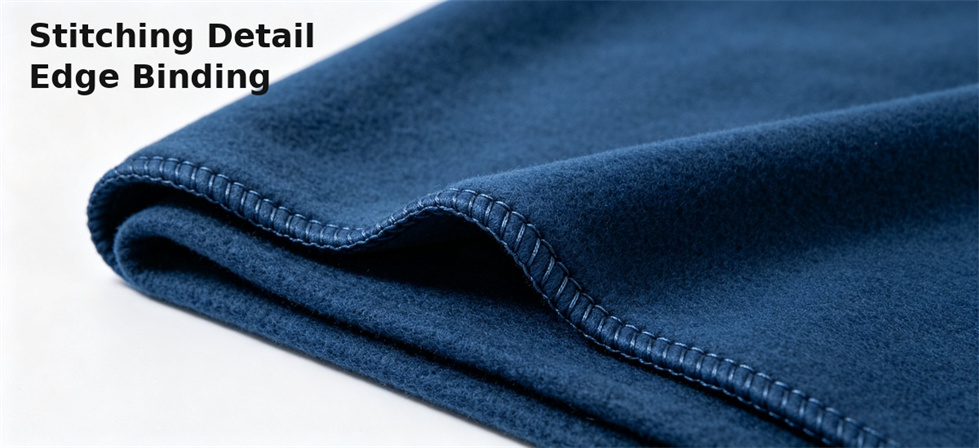
In our experience, a standard 150 × 200 cm fleece blanket at 200 GSM has a fabric weight of about 600 g and a finished piece weight of about 640–680 g. If a supplier tells you the finished piece weight is exactly 600 g, they are probably quoting grey fabric GSM, not finished GSM — ask them to clarify.
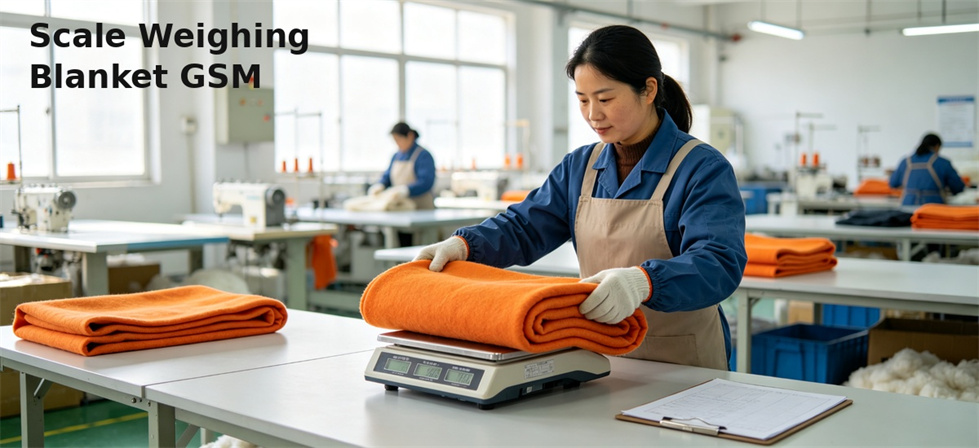
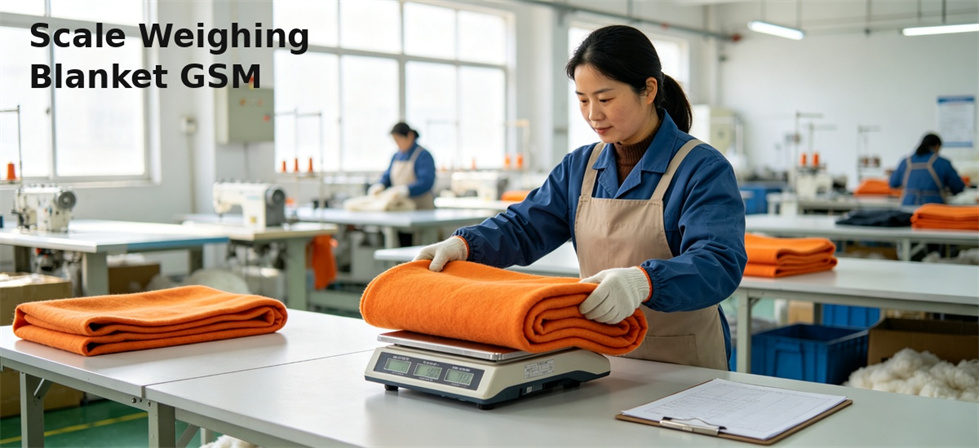
If you have a physical sample, weigh it in grams, measure the finished area in m², then divide: GSM = weight ÷ area. But remember this gives you an "effective finished GSM" that includes binding and labels. For a formal GSM verification, use a fabric specimen cut from the body of the blanket (not the border) and condition it for 24 hours at 20°C and 65% humidity before weighing.
No factory can produce every blanket at exactly the target GSM. The question is how much variation is normal and how much means a problem.
The standard tolerance for finished blanket GSM is ±5%. A 200 GSM blanket can legally measure between 190 and 210 GSM. If your tender requires a tighter tolerance (±3%), expect to pay 5–8% more because the factory has to sort grey fabric more carefully and may waste more material.
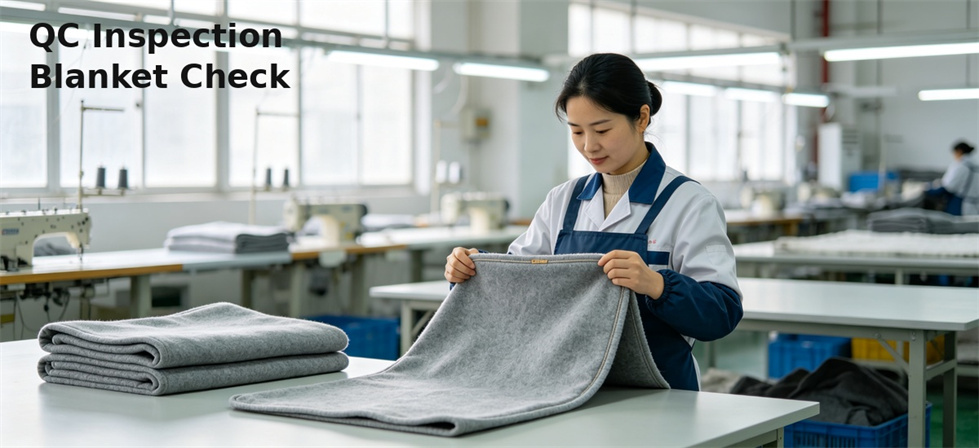
A measured GSM that is 3% below target is within normal variation and is not automatically a defect. A difference of 10% or more is a reason to ask questions — check whether the supplier quoted grey fabric GSM instead of finished GSM, or whether the fabric was measured before brushing (brushing adds surface fibre and can increase effective GSM by 3–5%).

The biggest mistake buyers make is comparing two quotes by GSM and unit price alone. Two blankets with the same GSM number can be completely different products. Here is how to compare them properly.
We once had a buyer tell us a competitor was 15% cheaper for the "same 200 GSM blanket." When we asked for details, the competitor was quoting 140 × 200 cm (not 150 × 200), regular fleece (not anti-pilling), and EXW factory (not FOB). Once we adjusted for those differences, our price was actually 3% lower. Always compare the full configuration, not just the GSM number.
GSM helps you estimate fabric weight, but for freight and container loading you need the finished piece weight and carton data. Do not use theoretical fabric weight for booking freight — it will be wrong.
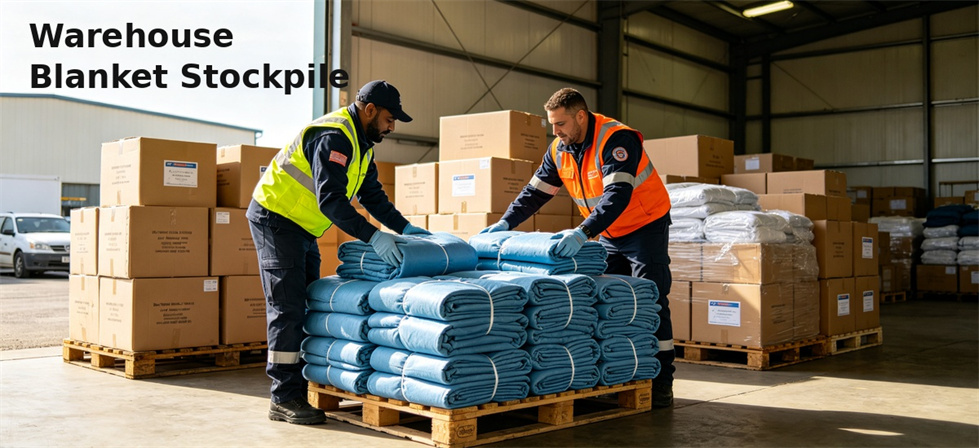
▶ Addressing common pain points in institutional procurement such as substandard specs and delayed lead times, we provide large-volume wholesale supply of emergency relief blankets for government stockpiles, prisons and military camps, ensuring delivery quality through strict project technical standards and stable production capacity. For core points on institutional bulk purchasing, check our article *Emergency Disaster Relief Blankets | For Government Stockpiles, Correctional Facility Blankets & Military Camps – Bulk Wholesale Supply*.
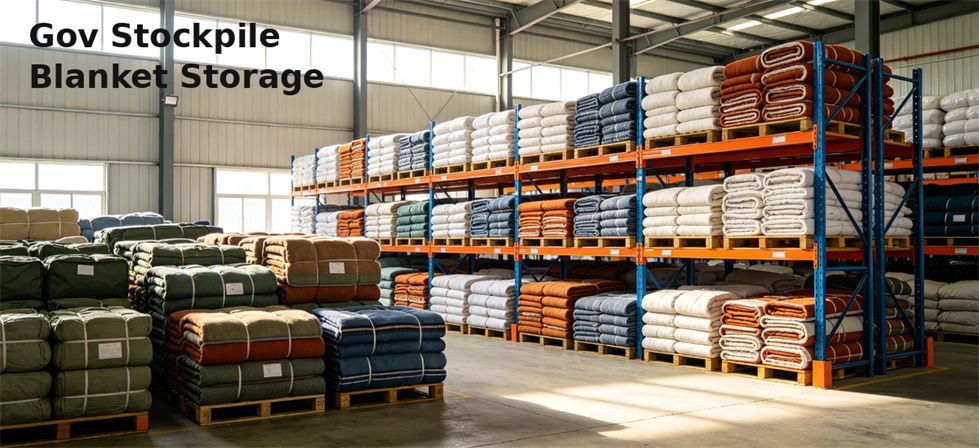

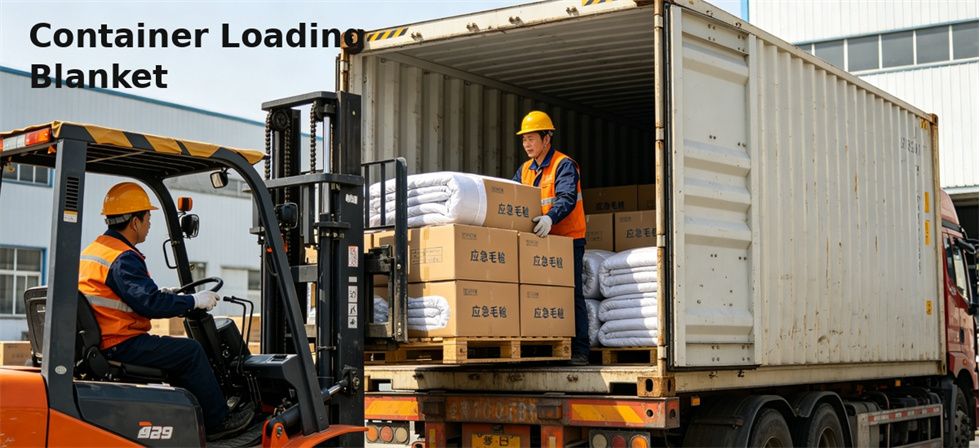
For a standard 150 × 200 cm, 200 GSM fleece blanket in a 60 × 40 × 40 cm carton: 25–30 pieces per carton, gross weight about 18–22 kg. A 20-foot container holds roughly 800–1,000 cartons, or about 20,000–30,000 blankets depending on GSM and packing method. Vacuum packing can increase the count by 30–40%.
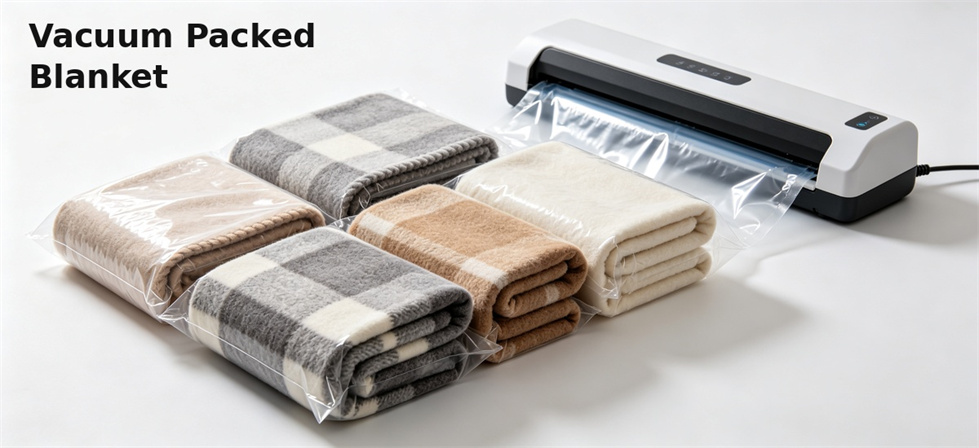
Always ask the supplier for actual carton dimensions and gross weight from a trial pack, not an estimate. Carton data from a different size or GSM cannot be transferred to your order.
These are the mistakes we see buyers make over and over again. Avoiding them will save you from bad quotes and shipment surprises.
Use this worksheet to compare two or more supplier quotes on the same basis. Fill in one column per supplier option.
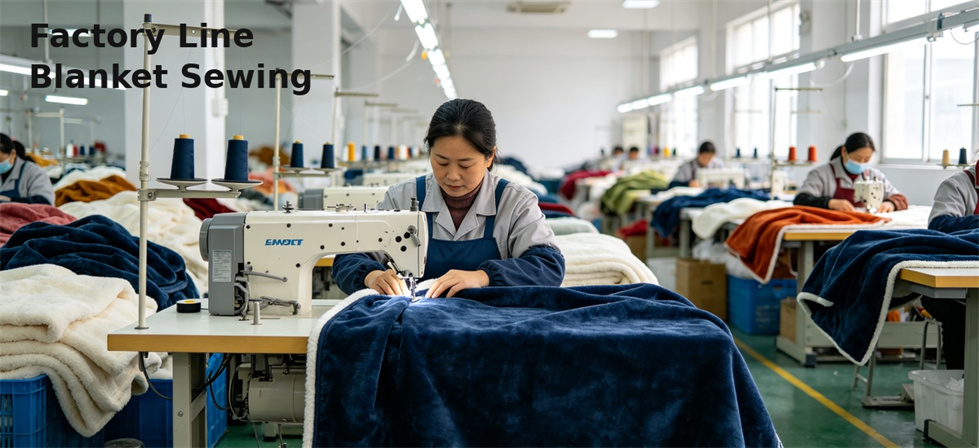
| Input or result | Formula or source | Option A | Option B |
|---|---|---|---|
| Finished width (cm) | Specification or measured sample | ||
| Finished length (cm) | Specification or measured sample | ||
| Area (m²) | (width ÷ 100) × (length ÷ 100) | ||
| GSM (g/m²) | Specification or test result | ||
| GSM basis | Grey fabric / finished fabric / finished blanket | ||
| Estimated fabric weight (g) | Area × GSM | ||
| Estimated finished weight (g) | Fabric weight × 1.05 to 1.15 | ||
| Measured piece weight (g) | Actual complete sample on scale | ||
| Difference (g) | Measured minus estimated finished | ||
| Pieces per carton | Supplier trial pack | ||
| Carton gross weight (kg) | Supplier trial pack | ||
| Unit price (USD) | Supplier quote | ||
| Delivery terms | FOB / EXW / CIF |
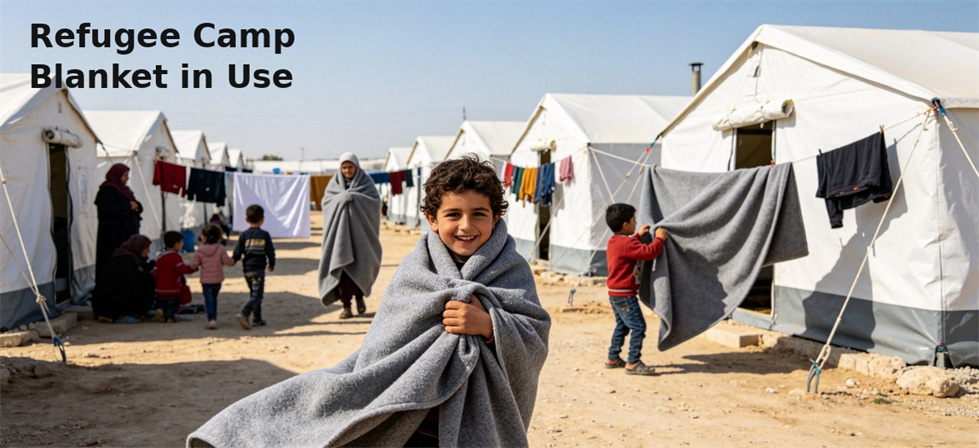
▶ In emergency survival situations, this wool blanket can be used as a makeshift tent or shelter. It provides protection from the elements and helps create a safe haven. Click this title link to learn about multi‑scene application features, technical indexes and supply solutions for field emergency survival missions.
Keep this worksheet with your inquiry file. When a supplier changes size, GSM, construction, or packing, create a new row — do not overwrite the old one. This way you can see exactly what changed and how it affects the price.
GSM means grams per square metre. It tells you how much one square metre of the fabric weighs, so you can compare thickness and warmth between blankets of the same material. It does not tell you fiber type, finished size, or durability by itself.
Most aid projects use 200–250 GSM anti-pilling fleece. Below 180 GSM feels thin and wears out quickly with institutional washing. Above 300 GSM increases cost and shipping volume without much extra warmth benefit for most climates.
Convert width and length to metres (divide cm by 100), then multiply. A 150 × 200 cm blanket = 1.5 × 2.0 = 3.0 m². Use finished dimensions, not nominal size, because binding reduces the final measurement.
Multiply area in m² by GSM. A 3.0 m² blanket at 200 GSM = 600 g fabric weight. Add 5–15% for binding, labels, and moisture to get the finished piece weight (about 630–690 g in this example).
The calculation estimates fabric weight; the scale measures the complete blanket. Binding, stitching, labels, moisture, surface treatment, and dimensional variation all add weight. A difference under 10% is normal; over 15% means you should check the GSM basis and measurement method.
No. GSM measures weight per square metre, not warmth. A 250 GSM wool blanket is warmer than a 300 GSM fleece blanket because wool traps more air. Fiber type, density, and layering affect warmth more than GSM alone.
Only if the quoted GSM describes the combined construction. If each layer has its own GSM, calculate each layer's area × GSM separately and add them together. Ask the supplier whether their number is for one layer or the full composite.
The industry standard is ±5% for finished blanket GSM. A 200 GSM blanket can measure 190–210 GSM. If your tender requires ±3%, expect to pay 5–8% more because the factory must sort fabric more carefully.
Condition the sample at 20°C and 65% humidity for 24 hours first. Weigh at least 5 blankets from different cartons. Use a steel tape (not soft tape) and measure at three points. For formal testing, cut a specimen from the body, not the border.
Only for early planning. Freight booking needs actual trial-packed carton data: pieces per carton, carton dimensions, and gross weight. Theoretical fabric weight excludes binding, packing, and carton weight, so it will underestimate the shipment.
Ask them directly: "Is this GSM for grey fabric before dyeing, finished fabric after dyeing, or finished blanket including binding?" If they cannot answer clearly, ask for a sample and measure it yourself. Grey fabric GSM is usually 5–10% lower than finished GSM.
Send: finished size, target GSM or range, fiber type, binding method, packing method, quantity, and destination. Ask each supplier to state their GSM basis clearly. A request that only says "200 GSM blanket" will get inconsistent quotes.
For 150 × 200 cm, 200 GSM fleece blankets in standard cartons: about 20,000–30,000 pieces. Vacuum packing increases this by 30–40%. Higher GSM blankets are heavier and bulkier, so fewer fit per container.
Yes, normal variation is ±5% even within one batch. That is why you should weigh at least 5 samples from different cartons. If one sample is 15% below target but the rest are within range, it may be an isolated defect — check the full batch before rejecting.
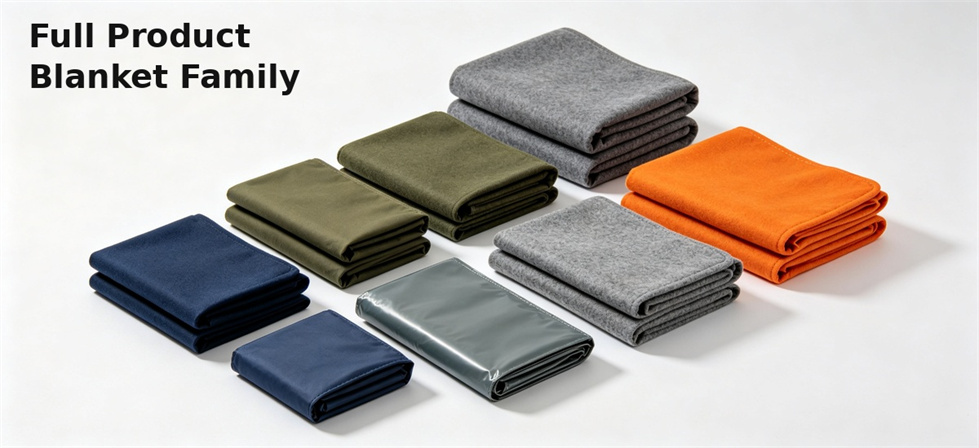
The wash and care requirements of institutional blankets directly affect service life and long-term procurement costs. Our article *How to Verify Wash-Care Requirements for Institutional Blankets* teaches you a three-step verification method — label review, actual wash testing and supplier qualification confirmation.
✅ Factory video link (YouTube): https://x.c1ns.cn/zVNIU
✅ Facebook homepage: https://a.c1ns.cn/SjJla
|
|
||
|
|
Enlaces amistosos :
Derechos de autor © Custom Disaster - Relief Bedding: Tents, Sleeping Bags, Blankets Reservados todos los derechos
el equipo profesional al servicio !